
Workplace Bullying In New York: Employees And Employers Guide
Understanding how New York law addresses workplace bullying, harassment, and hostile work environments for employees and employers.
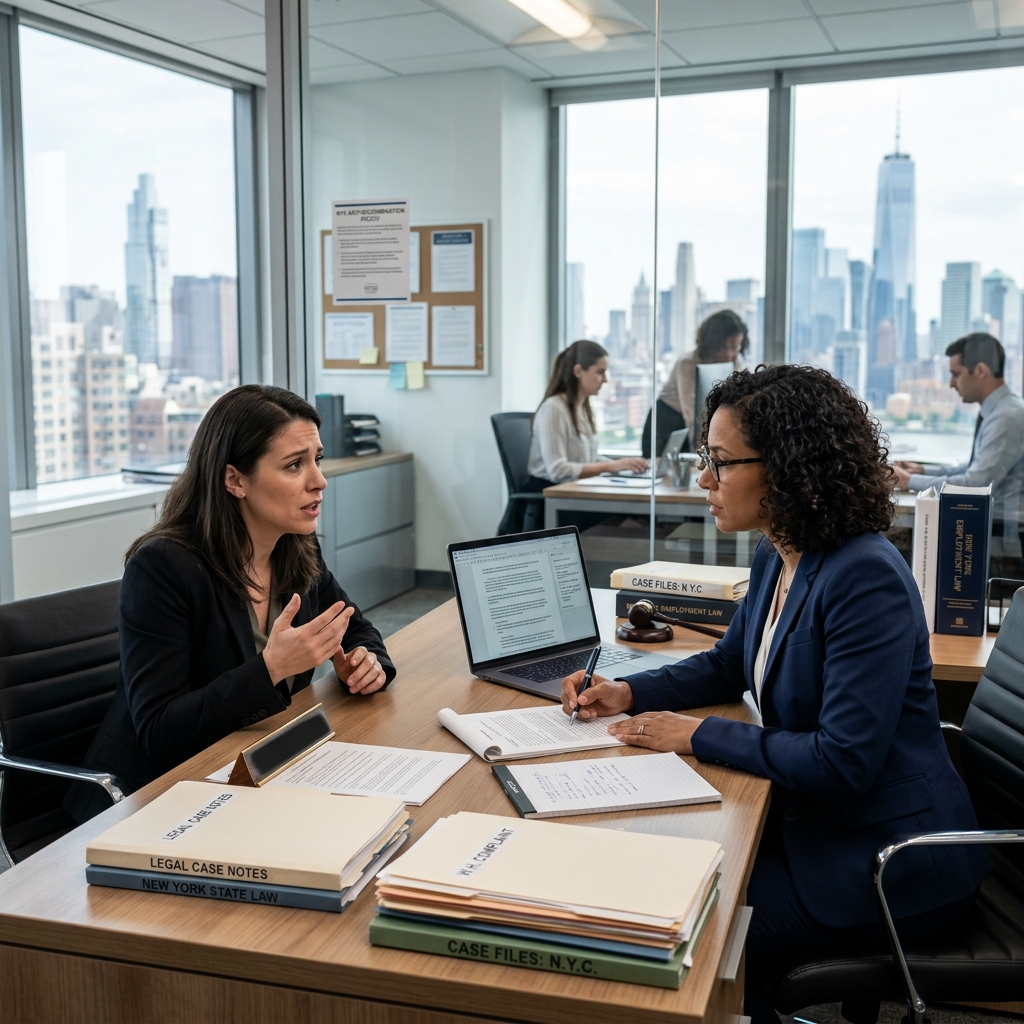
Bullying at work can be emotionally draining, damage careers, and undermine productivity. In New York, not all bullying is illegal, but many forms of abusive conduct are prohibited when they cross the line into harassment, discrimination, or a hostile work environment based on protected characteristics. This guide explains how New York law treats workplace bullying, what protections exist, and how both employees and employers can respond.
1. Workplace Bullying vs. Illegal Harassment in New York
There is an important distinction between general bullying and unlawful harassment. Understanding that line is the first step to knowing your rights and obligations.
1.1 What is Workplace Bullying?
Workplace bullying is typically described as repeated, unreasonable behavior directed at an employee (or group of employees) that creates a risk to health and safety. It can be verbal, physical, or social, and may occur face-to-face, in writing, online, or through organizational practices such as unfair assignments or exclusion.
- Insults, ridicule, or persistent criticism unrelated to job performance
- Spreading rumors or intentionally isolating someone from colleagues
- Unjustified removal of responsibilities or sabotaging work output
- Yelling, threats, or humiliating comments in front of others
In New York, this type of conduct is highly problematic, but it is not always illegal unless it connects to specific legal protections.
1.2 When Bullying Becomes Unlawful Harassment
New York law focuses on whether bullying is tied to a legally protected characteristic or protected activity. If abusive conduct targets someone because of their membership in a protected class, it can be unlawful harassment and discrimination under the New York State Human Rights Law (NYSHRL).
Harassment is illegal when an employer, supervisor, or coworker subjects a worker to inferior terms, conditions, or privileges of employment because of a protected characteristic. In New York State, you do not need to prove that the behavior was “severe or pervasive” if it results in these inferior conditions; the focus is on whether the conduct goes beyond petty slights and trivial inconveniences.
1.3 Protected Classes Under New York Law
The NYSHRL prohibits harassment and discrimination based on many characteristics. According to the New York Attorney General, examples of protected classes include:
- Race, color, national origin
- Sex, sexual orientation, gender identity or expression
- Age, disability, predisposing genetic characteristics
- Marital or familial status, pregnancy, domestic violence victim status
- Religion (creed)
- Military status and citizenship/immigration status
- Arrest or conviction record, among others
In New York City, additional protected categories exist, such as caregiver status, height and weight, credit history, salary history, and certain sexual and reproductive health decisions.
If bullying targets a person because of any of these traits, or is closely connected to them, it may constitute unlawful harassment rather than merely bad behavior.
2. Current Legal Landscape: No General Anti-Bullying Statute
Despite growing awareness of workplace bullying, New York does not currently have a comprehensive statute that bans all forms of bullying in the private sector when they are unrelated to protected classes. There have been proposals and discussions, sometimes referred to as the “Healthy Workplace” movement, aimed at explicitly addressing abusive conduct, but broad anti-bullying legislation has not been enacted statewide for private employers.
2.1 Human Rights Law and Title VII Overlap
Workers are primarily protected by overlapping federal, state, and local laws:
- New York State Human Rights Law (NYSHRL) – applies to employers of any size and provides broad protection against harassment and discrimination based on protected classes.
- Title VII of the Civil Rights Act of 1964 – federal law that covers employers with 15 or more employees and prohibits discrimination based on race, color, religion, sex, and national origin.
- New York City Human Rights Law – provides additional protections and in many respects is more expansive than state and federal law.
If bullying is tied to a protected class, these laws can be used to challenge the conduct, even though there is no separate, stand-alone “workplace bullying” law.
2.2 Workplace Violence Prevention for Public Employers
Public-sector employers in New York face additional obligations regarding workplace violence. Under the state’s Workplace Violence Prevention regulation, public employers must assess risks and create programs to prevent and respond to workplace violence. Recent developments and proposals have emphasized the inclusion of “abusive conduct and bullying” within risk evaluations, reporting mechanisms, and employee training.
Key elements for public employers include:
- Evaluating the risk of abusive conduct and bullying as part of overall workplace violence assessment
- Ensuring reporting systems allow employees to report abusive behavior, not just physical assaults
- Providing training on identifying, preventing, and reporting bullying and abusive conduct on hire and annually
Although these requirements focus on public employers, they highlight a broader trend toward recognizing bullying as a workplace safety issue.
3. Hostile Work Environment and Bullying
Bullying often overlaps with the concept of a hostile work environment. Not every hostile environment is illegal, but when hostility is rooted in protected characteristics, New York and federal laws may provide strong remedies.
3.1 Defining a Hostile Work Environment
A hostile work environment generally exists when harassing conduct is severe or pervasive enough to make a reasonable person feel intimidated, hostile, or abused, and it interferes with the employee’s ability to do their job. Under updated New York standards, the focus is whether the employee is subjected to inferior terms or conditions of employment because of a protected trait, rather than using the older “severe or pervasive” test as a strict threshold.
Examples include:
- Repeated slurs or humiliating comments about an employee’s race or nationality
- Persistent sexual jokes, propositions, or unwelcome touching
- Mocking or sabotaging an employee because of disability-related limitations
If bullying is part of a pattern that creates a hostile work environment based on a protected class, it may give rise to legal claims.
3.2 When Bullying is Not Legally Actionable
New York law distinguishes between truly unlawful harassment and workplace frictions that, while unpleasant, are not illegal. Behavior may be non-actionable when it involves:
- Personality conflicts unrelated to protected traits
- Reasonable performance management, such as constructive criticism
- Isolated minor disputes or misunderstandings
- “Petty slights” or “trivial inconveniences” that do not materially affect employment conditions
However, even non-actionable bullying can have serious consequences for morale, retention, and mental health. Many employers choose to address such behavior through internal policies.
4. Employee Rights and Options in New York
Employees in New York have several avenues to respond to bullying and harassment, depending on whether the conduct is linked to protected characteristics or protected activities.
4.1 Internal Reporting and Documentation
Regardless of whether the behavior is legally actionable, thorough documentation and use of internal procedures are critical.
Recommended steps include:
- Review employer policies – Check the employee handbook or code of conduct for policies on harassment, respect, and complaint procedures.
- Document incidents – Keep a log of dates, times, locations, people involved, and specific comments or actions. Save emails, messages, and any physical evidence.
- Communicate concerns – When safe, clearly state that the behavior is unwelcome and must stop, especially if it relates to a protected trait.
- Follow the complaint procedure – File a written complaint with human resources or the designated manager as required by company policy.
- Seek support – For unionized workplaces, speak with a union representative; consider seeking mental health support if needed.
4.2 Filing External Complaints and Lawsuits
When bullying becomes harassment or discrimination based on protected characteristics, employees may be able to file complaints with government agencies or go directly to court.
| Option | Scope | Key Points |
|---|---|---|
| New York State Division of Human Rights | Harassment and discrimination under NYSHRL | Employees can file complaints or sue directly in court; no need to file with an agency first. |
| U.S. Equal Employment Opportunity Commission (EEOC) | Federal claims under Title VII and related laws | For employers with 15+ employees, workers must file a charge with the EEOC before starting a federal lawsuit. |
| New York City Commission on Human Rights | City-level discrimination and harassment | Handles complaints involving New York City employers and city-specific protected categories. |
Because procedural rules and deadlines can be strict, employees are often advised to consult an employment attorney to evaluate options and ensure timely filings.
4.3 Protection Against Retaliation
Employees who report harassment or discrimination are protected from retaliation. Under New York law, it is illegal for an employer to take negative action against a worker for complaining internally, filing an agency complaint, supporting a colleague’s complaint, or participating in an investigation.
Examples of prohibited retaliation include:
- Firing or demoting the employee
- Cutting hours or pay
- Reassigning to a less favorable shift or location
- Forcing unwanted leave or significantly changing job duties
If an employee experiences retaliation after reporting bullying that qualifies as unlawful harassment, they may have additional legal claims.
5. Employer Duties: Preventing and Responding to Bullying
Employers in New York have legal obligations to prevent harassment and discrimination, and practical reasons to address bullying more broadly. Effective prevention reduces legal risk and supports a healthier workplace culture.
5.1 Anti-Harassment Policies and Training
New York law requires employers to maintain policies and, in many cases, provide training addressing sexual harassment and broader discriminatory conduct. Key practices include:
- Written policies that define prohibited conduct and outline complaint channels
- Clear anti-retaliation statements and examples
- Annual training on sexual harassment and, ideally, other forms of harassment and bullying, especially for employers with 15 or more employees in the private sector.
- Regular review of practices to ensure prompt, impartial investigations
5.2 Addressing Bullying Even When Not Illegal
While general bullying that is unrelated to protected traits may not violate NYSHRL, it can lead to high turnover, absenteeism, and reputational harm. Employers often adopt internal anti-bullying standards that:
- Define bullying and abusive conduct, including verbal and psychological abuse
- Encourage early reporting and informal resolution when appropriate
- Provide managers with guidance on respectful performance management
- Include corrective measures, such as coaching, mediation, or disciplinary action
Public employers are particularly encouraged, and in some cases required, to include abusive conduct and bullying in risk assessments, reporting systems, and training under workplace violence prevention frameworks.
5.3 Steps for Employers When a Complaint Arises
When an employee raises concerns about bullying or harassment, best practice for employers in New York includes:
- Take the complaint seriously – Avoid dismissing concerns as personality conflicts without investigation.
- Investigate promptly and neutrally – Interview involved parties and witnesses; review documents and communications.
- Implement interim protective measures – In some cases, separate employees, adjust reporting lines, or provide support while the investigation proceeds.
- Document findings and actions – Maintain records that show the steps taken and rationale for outcomes.
- Monitor for retaliation – Ensure that complainants are not penalized for coming forward.
6. Frequently Asked Questions About New York Workplace Bullying
6.1 Is workplace bullying itself illegal in New York?
General bullying is not specifically outlawed in New York unless it intersects with other legal protections. Bullying becomes potentially illegal when it is connected to a protected class under state or federal anti-discrimination laws or when it forms part of unlawful harassment or a hostile work environment.
6.2 What if I am bullied but the conduct is not linked to a protected trait?
You may still have options through internal company policies, union grievance procedures, or, in severe cases, other legal theories such as intentional infliction of emotional distress. However, such claims are often difficult to pursue. Most employees in this situation start by documenting the behavior, using HR channels, and seeking advice from an employment lawyer about whether any legal protections apply.
6.3 Do I need to prove the bullying was “severe or pervasive” to win a harassment claim?
Under updated New York State standards, you do not need to show that harassment was severe or pervasive if it led to inferior terms or conditions of employment because of a protected class. The conduct must, however, be more than trivial inconveniences or petty slights.
6.4 Can my employer retaliate if I complain about bullying?
Retaliation is illegal when you complain about conduct that arguably constitutes harassment or discrimination based on protected characteristics, file a complaint with an agency, or assist another worker with such a complaint. If the bullying is purely unrelated to protected traits or protected activities, anti-retaliation protections may be more limited, but employers often have internal non-retaliation policies that still apply.
6.5 Who can I contact if I believe I am facing unlawful harassment?
Employees can contact the New York State Division of Human Rights, the New York City Commission on Human Rights (if working in New York City), or the U.S. Equal Employment Opportunity Commission for federal claims. Many workers also consult private employment attorneys to understand which forum and legal theory best fit their situation.
References
- Workplace discrimination and harassment — New York State Office of the Attorney General. 2023-09-01. https://ag.ny.gov/publications/workplace-discrimination-and-harassment
- The NY Working Woman’s Pocket Guide: Harassment — A Better Balance. 2022-06-15. https://www.abetterbalance.org/new-york-working-womans-pocket-guide/harassment/
- Hostile Work Environment Definition — Moshes Law, P.C. 2021-11-10. https://mosheslaw.com/nyc-employment-discrimination-attorney/hostile-work-environment/hostile-work-environment/
- New York Public Employers Face New Workplace Violence Prevention Duties — Ogletree Deakins. 2024-02-20. https://ogletree.com/insights-resources/blog-posts/new-york-public-employers-face-new-workplace-violence-prevention-duties/
- Workplace Bullying – NYSUT Fact Sheet — New York State United Teachers. 2016-03-01. https://www.nysut.org/-/media/files/nysut/resources/2016/march/heathsafety_nysut_bullying_factsheet.pdf
Similar Articles








Read full bio of medha deb




