
Holiday Mail Theft: How to Protect, Detect, and Report
Learn practical ways to secure your mail, reduce identity theft risks, and respond quickly if holiday deliveries are stolen or compromised.
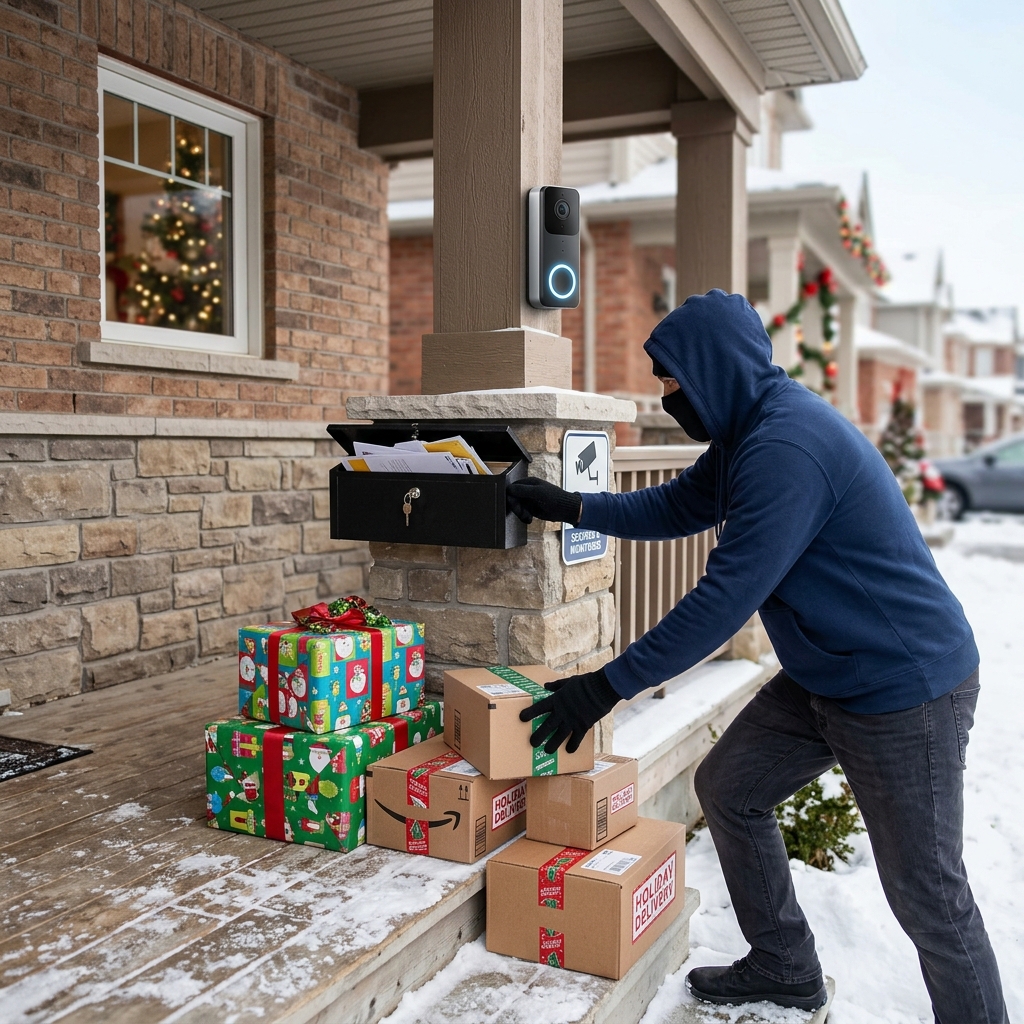
The holiday season typically brings a surge in greeting cards, gift cards, checks, and packages, which also makes it a busy time for mail thieves. The more items moving through your mailbox and doorstep, the more opportunities criminals have to steal valuables or gather personal data for identity theft. This guide explains how holiday mail theft happens, how to prevent it, and what to do if your mail is stolen.
Why Holidays Are High-Risk for Mail Theft
Mail theft can happen any time of year, but the holidays are particularly attractive to thieves. Increased online shopping and gift giving mean more packages on porches and more envelopes containing money, gift cards, or sensitive financial information.
- More valuable items in transit: Gift cards, checks, and packages are common targets because they can be quickly converted to cash or resold.
- Higher volume of deliveries: Carriers handle more packages, making it harder for consumers to track every item.
- Frequent travel: Many households leave town, which can result in unattended mailboxes and stacked packages that signal an empty home.
- Shorter daylight hours: Earlier darkness provides cover for thieves to operate with less chance of being seen.
Beyond the immediate loss of property, stolen mail can lead to identity theft, fraudulent credit accounts, or unauthorized use of bank information when thieves obtain documents with personal details.
Common Holiday Mail Theft Scenarios
Understanding typical theft patterns helps you design effective protections. During the holidays, the following scenarios are especially frequent:
- Porch package theft (“porch pirates”): Thieves walk or drive through neighborhoods, grabbing packages left at doorsteps or in apartment lobbies.
- Mailbox raids: Criminals target residential mailboxes looking for envelopes likely to contain checks, gift cards, or financial statements.
- Outgoing mail theft: Thieves remove mail from unsecured curbside boxes or blue collection boxes, focusing on items that may include checks or personally identifiable information.
- Change-of-address fraud: In some cases, criminals file fraudulent address changes to divert mail and collect entire streams of sensitive information.
Each scenario carries different risks, but they share one common element: unattended mail or packages left in easily accessible locations.
Core Principles for Preventing Holiday Mail Theft
Most recommendations for mail theft prevention boil down to a few core principles supported by postal and public safety authorities:
- Minimize the time mail sits unattended. The longer an item stays in your mailbox or on your porch, the greater the risk of theft.
- Use secure channels for sending and receiving. Prefer locked mailboxes, in-office drop slots, and alternate secure pickup locations whenever possible.
- Limit sensitive information sent through regular mail. Avoid mailing cash and consider alternative channels for highly sensitive data.
- Stay informed and monitor deliveries. Tracking and alerts let you act quickly if something goes missing.
These principles guide the more detailed strategies described below.
Best Practices for Securing Incoming Mail
Protecting incoming mail is especially important during the holidays, when thieves expect higher payouts. The U.S. Postal Service and public safety offices recommend several practical steps.
Collect Mail Promptly Every Day
Picking up mail soon after delivery is one of the simplest and most effective deterrents. Authorities advise that you:
- Retrieve mail as soon as possible after the carrier arrives.
- Avoid leaving mail in your mailbox overnight, especially in unsecured curbside boxes.
- Ask a trusted neighbor or friend to collect your mail if you cannot be home.
Mail thieves often look for boxes with accumulated envelopes, assuming those are more likely to contain valuable items.
Use Locked or Centralized Mailboxes Where Available
Locked mailboxes, cluster boxes, or centralized mailrooms create a physical barrier between thieves and your mail. According to public safety guidance, consumers can consult with local post offices about available locked or curbside mailbox options.
- Install a lockable mailbox that meets postal regulations.
- Use apartment building mailrooms with restricted access when possible.
- Consider upgrading to a more secure box if your current mailbox is open and easily accessible from the street.
Place a Hold on Mail When Traveling
If you plan to be away for several days, do not allow mail to pile up. The U.S. Postal Service offers a mail hold service that temporarily stores your mail until you return.
- Request a hold on your mail before leaving town (typically up to 30 days).
- Confirm the start and end dates with your local post office.
- Pick up accumulated mail promptly on your return and review it for any irregularities.
Reducing visible signs of absence, such as overflowing mailboxes, also helps discourage broader property crimes.
Keeping Outgoing Mail Safe
Outgoing mail containing checks, payments, or personal details is a prime target. Postal safety recommendations emphasize avoiding vulnerable drop-off points whenever possible.
Use Indoor Drop Slots or Hand Mail to a Carrier
Authorities advise using interior post office slots or handing mail directly to a letter carrier instead of leaving items in open outdoor boxes.
- Deposit important items, such as bill payments or checks, inside the post office.
- Hand mail to the carrier at your door when possible.
- Avoid leaving outgoing mail in your personal mailbox overnight.
Reducing exposure time in outdoor collection boxes makes it harder for thieves to target your outgoing mail.
Avoid Sending Cash and Limit Sensitive Data
Official guidance warns against sending cash in the mail and recommends minimizing the amount of sensitive information in mailed documents.
- Use secure electronic payment methods instead of mailing cash or high-value checks.
- Do not include unnecessary personal details, such as full account numbers, in correspondence.
- Consider using certified mail or other tracked services for very important documents.
Protecting Holiday Packages from “Porch Pirates”
Packages left on porches or outside apartment doors are common targets during the holidays. Law enforcement and security organizations recommend focusing on delivery logistics to reduce the time packages are unattended.
| Method | Key Benefit | Best Use Case |
|---|---|---|
| Delivery notifications & tracking | Know exactly when a package arrives | Typical home deliveries, online shopping |
| Ship to workplace or secure pickup point | Eliminates unattended porch deliveries | People who are rarely home during delivery hours |
| Lockable porch box or parcel locker | Provides physical security at home | Frequent deliveries, single-family homes |
| Home security cameras | Deters thieves and records evidence | Neighborhoods with recurring theft issues |
Use Tracking Tools and Delivery Alerts
Most major carriers offer tracking and real-time delivery notifications. Neighborhood safety guidance highlights tracking as a core strategy for minimizing unattended time.
- Enable text or email alerts from carriers for every shipment.
- Observe estimated delivery windows and plan to be home when possible.
- Act quickly if an alert shows “delivered” but the package is not visible.
Choose Safe Delivery Locations
One of the most effective ways to deter package theft is to avoid front-door delivery altogether.
- Ship packages to your workplace if permitted.
- Use carrier-operated lockers or retail pickup points.
- Consider sending valuable items to a post office box or authorized third-party location.
These options add an extra layer of security by ensuring someone is on-site to receive the package or by using controlled access locations.
Enhance Security at Your Home
Physical and technological security measures make your property less attractive to thieves and help collect evidence if a theft occurs.
- Install security cameras: Visible cameras can deter crime, and footage can assist law enforcement if packages are stolen.
- Use smart locks or access instructions: Some delivery services work with smart locks that allow carriers to leave packages inside entryways or garages.
- Consider lockable porch boxes: Permanent, lockable boxes secure packages until you retrieve them.
Coordinate with Neighbors
Neighborhood awareness significantly reduces opportunities for theft. Public safety agencies encourage community cooperation to watch for suspicious behavior and secure deliveries.
- Ask trusted neighbors to pick up packages when you are not home.
- Share expected delivery dates and times for high-value items.
- Discuss any patterns of theft in the area and consider coordinated reporting.
Monitoring for Fraud and Identity Theft After Mail Loss
When mail is stolen, the risk is not limited to the value of the immediate item. Thieves may use documents to open accounts, impersonate you, or commit financial fraud. Consumer protection authorities advise monitoring financial and credit information closely, especially after suspected mail theft.
- Check bank and credit card statements regularly: Look for unfamiliar charges or withdrawals.
- Review your credit reports: Confirm that all listed accounts are ones you opened and dispute any suspicious entries.
- Monitor for declined payments or alerts from financial institutions: These may signal unauthorized use of your information.
If you see signs of fraud, contact your financial institutions immediately to secure accounts, change passwords, and potentially issue new cards.
How to Report Stolen Mail and Packages
Reporting mail theft promptly helps protect you, supports investigations, and can prevent additional victims. The U.S. Postal Inspection Service, law enforcement, and delivery companies each play a role.
Step 1: Confirm That an Item Is Missing
- Verify tracking information with the relevant carrier.
- Check common drop-off points: porch, side doors, apartment lobbies.
- Ask neighbors if they accepted or observed a delivery on your behalf.
Knowing exactly what is missing and when it was expected helps when you file reports.
Step 2: Contact Local Law Enforcement
If you believe mail theft has occurred, public safety agencies advise contacting local police promptly.
- Call the non-emergency line or 911 if the theft is in progress.
- Provide details about the missing items, estimated time frame, and any security camera footage.
- Document the incident number for future reference.
For package thefts, law enforcement often requests video footage or eyewitness descriptions to support investigations.
Step 3: Report to the U.S. Postal Inspection Service (for U.S. Mail)
The U.S. Postal Inspection Service (USPIS) is the federal law enforcement arm responsible for protecting the mail system. Official guidance encourages victims to report suspected mail theft directly.
- Submit an online report through the USPIS website.
- Call the Postal Inspection Service at their national hotline (1-877-876-2455).
- Provide information about the stolen mail, including type of item, date, and location.
USPIS may coordinate with local law enforcement when mail theft patterns are identified.
Step 4: Notify Delivery Companies for Stolen Packages
If packages delivered by private carriers (e.g., UPS, FedEx) are stolen, those companies may have specific claims processes and investigation protocols.
- Initiate a missing package claim with the relevant carrier.
- Follow any instructions regarding documentation, such as proof of value or purchase.
- Check retailer policies; many large retailers have separate procedures for replacing stolen packages.
For online marketplaces, reviewing their customer support pages can clarify when replacements or refunds may be available.
Step 5: Take Identity Protection Measures if Sensitive Data Was Involved
When stolen mail includes financial statements, checks, or personal identifiers, consider additional steps:
- Contact banks or creditors connected to the stolen items.
- Place fraud alerts or freezes on your credit files if warranted.
- Monitor subsequent mail for further irregularities, such as unexpected bills or collection notices.
Consulting the Federal Trade Commission’s guidance on identity theft can help you understand additional protections and documentation if you suspect your identity has been compromised.
Frequently Asked Questions About Holiday Mail Theft
Is mail theft only a problem during the holidays?
No. Mail theft occurs year-round, but holidays are higher risk because of increased volume and more valuable items like gift cards and checks. Defensive habits practiced during the holidays, such as daily mail retrieval and tracking packages, are beneficial throughout the year.
What types of mail are most attractive to thieves?
Thieves often look for envelopes and packages that suggest financial value or sensitive data: checks, credit cards, gift cards, bank statements, and small electronics. Envelopes that appear to be greeting cards are also frequently targeted during the holidays.
Can a stolen package lead to identity theft?
Yes. Even if the main item is a gift, accompanying documents or labels may contain personal information such as names, addresses, and order details. When packages include invoices or financial statements, thieves may use that information to attempt account takeover or new account fraud.
Should I still use the mail for bills and holiday cards?
You can safely use the mail system if you follow recommended precautions: drop important mail inside the post office or hand it directly to a carrier, avoid sending cash, and retrieve mail promptly. For highly sensitive transactions, consider secure electronic alternatives.
What immediate steps should I take if I see someone stealing mail?
Public safety guidance recommends contacting local law enforcement or campus/public safety offices immediately, then notifying the Postal Inspection Service if U.S. Mail is involved. Provide as much detail as possible, including descriptions, license plates, and any video footage, but do not confront suspects directly.
References
- Protect Yourself from Mail Theft This Holiday Season — Sunward Credit Union. 2023-11-15. https://gosunward.org/articles/protect-yourself-from-mail-theft-this-holiday-season/
- Holiday Safety and Crime Prevention Tips — National Neighborhood Watch (NNW.org). 2023-12-01. https://nnw.org/holiday-safety
- Holiday Package Theft Protection Tips That You Should Know — City of Solana Beach. 2022-12-20. http://cityofsolanabeach.ca.gov/en/node/3440
- Protecting Your Mail — USC Department of Public Safety. 2021-09-01. https://dps.usc.edu/safety-tips/protecting-your-mail/
- Cut Out Crime This Holiday Season — U.S. Postal Service Postal Posts Blog. 2022-12-05. https://uspsblog.com/cut-out-crime-this-holiday-season/
- I am your Mail Man and let’s talk about Holiday Packages and theft! — Reddit user /r/SeattleWA. 2016-12-02. https://www.reddit.com/r/SeattleWA/comments/5fis2y/howdy_rseattlewa_i_am_your_mail_man_and_lets_talk/
- From porch pirates to Priority Mail: How to avoid Holiday mail theft — WMBF News. 2025-12-09. https://www.wmbfnews.com/2025/12/09/porch-pirates-priority-mail-how-avoid-holiday-mail-theft/
Similar Articles








Read full bio of Sneha Tete




