
Off-Season Rental Maintenance: 11 Essential Tasks For Landlords
A practical seasonal roadmap for protecting rental properties when occupancy slows and weather shifts.
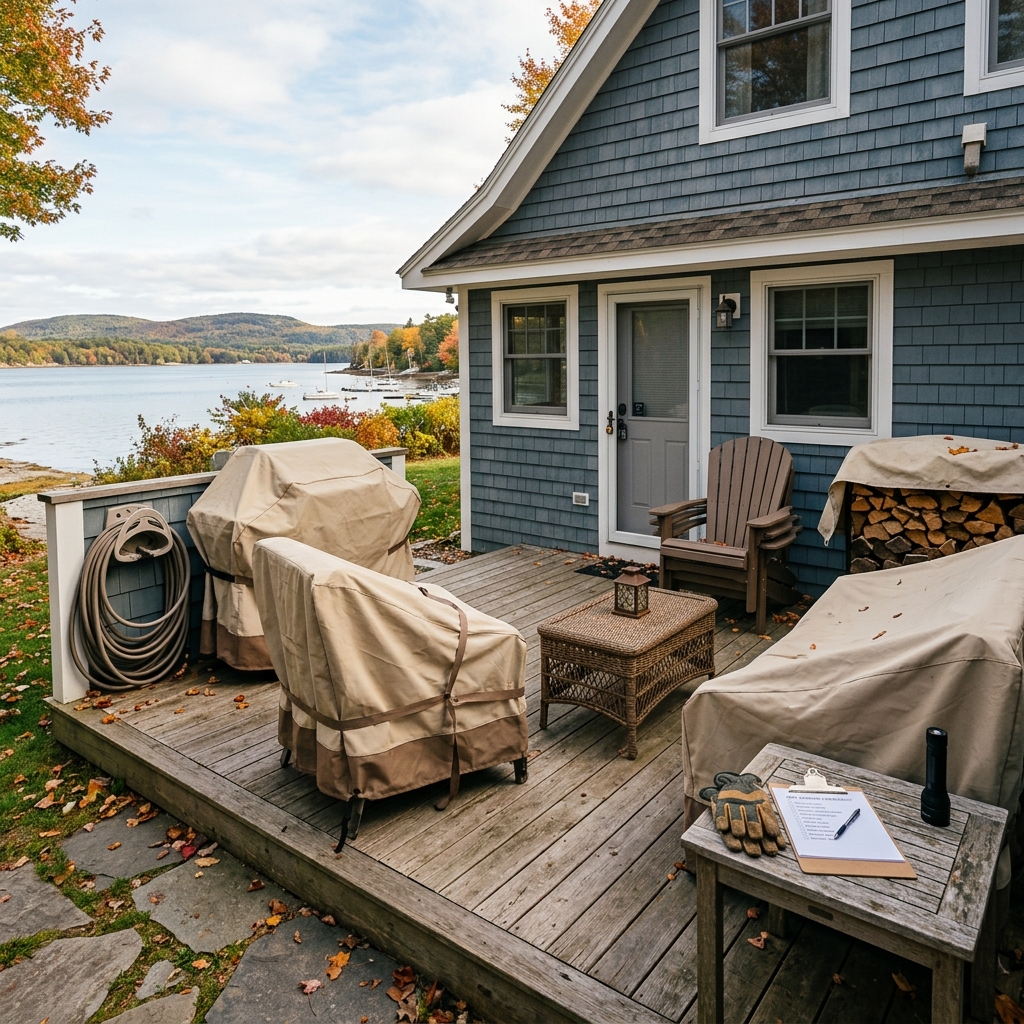
When a rental property is less occupied, the quiet period creates a valuable window for maintenance. The off-season is the best time to complete repairs, refresh worn features, and address issues that are harder to manage while guests or tenants are present. A focused plan can reduce emergency calls, preserve the property’s condition, and help the next season begin without avoidable problems.
This checklist is designed for landlords, vacation rental hosts, and property managers who want a practical framework for seasonal upkeep. It emphasizes preventive maintenance, safety, and operational readiness so the property remains secure and appealing even when bookings slow down.
Why the off-season matters
Maintenance delays often become more expensive over time. Small leaks, failed seals, worn hardware, and neglected equipment can turn into larger repairs if they are not addressed before extreme weather or a new occupancy cycle arrives. The off-season gives owners more flexibility to schedule contractors, inspect hidden problem areas, and make improvements without disrupting guests or residents.
It also offers a chance to think beyond immediate fixes. A well-managed rental should not only function properly, but also remain comfortable, efficient, and safe. Seasonal preparation helps protect the building envelope, reduce utility waste, and improve the overall guest experience.
Start with a complete property review
The most effective maintenance plan begins with a full walk-through of the interior and exterior. The goal is to identify visible damage, signs of wear, and any conditions that could worsen during the off-season.
- Inspect walls, ceilings, floors, and trim for cracks, stains, bubbling paint, or water marks.
- Check windows and doors for drafts, loose locks, damaged screens, or worn weather stripping.
- Review the condition of cabinets, drawers, hinges, handles, and other hardware.
- Look for stains, soft spots, rust, mildew, or pest activity in areas that are often overlooked.
- Examine the exterior for peeling paint, damaged siding, loose shingles, or exposed gaps.
Documenting the condition of the property with photos and notes can make it easier to track changes from one season to the next. That record also helps when comparing contractor estimates or planning future capital improvements.
Focus on systems that keep the property functional
Heating, cooling, plumbing, and electrical systems should receive special attention before the property sits idle or operates under heavier seasonal demand. These systems tend to be expensive to repair, and they often show early warning signs before a failure occurs.
| System | What to check | Why it matters |
|---|---|---|
| HVAC | Filters, thermostat function, airflow, unusual noise, visible wear | Supports comfort and helps reduce breakdowns |
| Plumbing | Leaks, slow drains, water pressure, shutoff valves, exposed pipes | Prevents water damage and service interruptions |
| Electrical | Outlets, breakers, light fixtures, smoke detector power, GFCI function | Improves safety and reduces fire risk |
| Water heater | Sediment buildup, corrosion, leaks, temperature performance | Helps maintain efficiency and hot water reliability |
Filter changes, system testing, and professional servicing are especially useful before seasonal downtime. A problem discovered early is usually easier and less expensive to resolve than one discovered after a failure.
Protect against weather-related damage
Seasonal weather changes can be hard on a rental property, especially if the home is vacant for stretches of time. Wind, moisture, freezing temperatures, and debris can all create avoidable damage when the building is not being actively monitored.
- Clean gutters and downspouts so water drains away from the structure.
- Seal gaps around windows, doors, and other exterior openings.
- Inspect caulking and seals in bathrooms, kitchens, and exterior joints.
- Check the roofline, flashing, and drainage points for early signs of leaks.
- Trim branches, remove dead plants, and clear loose debris from the yard.
In colder climates, additional precautions may be necessary. Pipes should be insulated where exposed, outdoor faucets should be protected, and any systems vulnerable to freezing should be winterized according to manufacturer guidance or local contractor advice.
Refresh safety features before the next occupancy cycle
A quiet season is the ideal time to verify that all core safety devices are functioning correctly. These checks matter whether the property is used for short-term stays, long-term tenancy, or occasional owner use.
- Test smoke detectors and carbon monoxide alarms.
- Replace batteries and any expired units.
- Confirm that fire extinguishers are present, accessible, and within service dates.
- Check door locks, window latches, and any keyless entry systems.
- Inspect exterior lighting, pathways, and stairs for visibility and trip hazards.
Security and life-safety equipment should not be treated as optional maintenance. A reliable alarm, functioning lockset, and well-lit entry can reduce risk and improve confidence for both guests and owners.
Clean deeply rather than superficially
Off-season maintenance is not just about repairs. It is also the right time for deep cleaning that goes beyond turnover-level tidying. Dirt buildup, moisture, and dust tend to accumulate in places that are not obvious during routine cleaning.
- Clean behind and under appliances.
- Wash vents, baseboards, blinds, and ceiling fans.
- Remove scale or residue from faucets, showerheads, and grout lines.
- Vacuum upholstery and inspect mattresses, cushions, and rugs.
- Clean exhaust fans, dryer vents, and other hidden dust traps.
Deep cleaning does more than improve appearance. It can reveal problems such as hidden leaks, damaged flooring, pest entry points, or appliance wear that routine cleaning might miss.
Prepare outdoor areas for a slower season
Outdoor spaces often need extra attention because they are exposed to weather, UV damage, and seasonal neglect. If a property has a patio, deck, yard, balcony, pool area, or outdoor furniture, each feature should be reviewed before it is left unused for a period of time.
- Inspect decks, stairs, railings, and pavers for rot, looseness, or uneven surfaces.
- Store or cover furniture, cushions, grills, and decorative items.
- Drain, winterize, or service water features and irrigation systems as needed.
- Check exterior lighting and outlets for damage.
- Remove leaves, dirt, and other buildup from hard surfaces and garden areas.
If the property includes special amenities, such as a pool, spa, or outdoor kitchen, those systems may require professional shutdown procedures. Skipping those steps can create expensive damage that remains hidden until the next season begins.
Use the off-season to handle upgrades
Maintenance and improvement often overlap. Once essential repairs are completed, the quiet period can also be used to make targeted upgrades that improve durability or guest satisfaction. The best improvements are the ones that reduce future maintenance while also making the property easier to manage.
- Replace outdated fixtures with more durable, low-maintenance options.
- Upgrade worn flooring in high-traffic areas.
- Install better seals, insulation, or storm protection where needed.
- Improve smart controls for thermostats, locks, or leak detection.
- Refresh paint, trim, or hardware that makes the property look tired.
Not every improvement needs to be major. Even modest changes can extend the life of key surfaces and reduce the number of repairs needed during the busy season.
Create a repeatable seasonal workflow
A strong off-season plan is easier to follow when it is organized into clear categories. Owners and managers benefit from separating tasks into urgent repairs, preventive maintenance, cleaning, and optional improvements. That approach makes it easier to budget, assign work, and track completion.
| Task group | Typical examples | Timing |
|---|---|---|
| Urgent repairs | Leaks, broken locks, failed alarms, damaged wiring | Immediately |
| Preventive maintenance | Filter changes, seal checks, gutter cleaning, system testing | During the off-season |
| Deep cleaning | Appliance cleaning, dust removal, grout care, vent cleaning | Before reopening or re-renting |
| Enhancements | Fixture upgrades, tech improvements, cosmetic updates | When budget and timing allow |
Using the same categories each season makes it easier to compare performance over time and avoid skipping tasks that matter. A documented process also helps if multiple people manage the property.
Keep records that support better decisions
Maintenance records are more valuable than many owners realize. They help show what was inspected, what was repaired, and when the work happened. That information can support warranty claims, contractor follow-up, insurance documentation, and long-term budget planning.
- Save invoices, receipts, and service reports.
- Record dates for inspections, replacements, and seasonal shutdowns.
- Note recurring issues so patterns are easier to spot.
- Store photos before and after major work.
- Keep warranty details and emergency contact information together.
Simple recordkeeping can also reveal whether a property is becoming more expensive to maintain in certain areas. That insight is useful when deciding whether to repair, replace, or upgrade a system.
FAQs
What is the main purpose of off-season maintenance?
The main purpose is to prevent small issues from becoming larger and more expensive problems while the property is less active. It also helps prepare the home for the next busy period.
How often should a rental property be inspected during the off-season?
The right frequency depends on climate, occupancy type, and property size, but many owners benefit from at least one thorough inspection plus follow-up checks for systems that are prone to weather or moisture issues.
Which tasks should be prioritized first?
Safety issues, leaks, roof problems, broken locks, and failing HVAC or plumbing components should come first. Cosmetic work can wait if there is a risk to the structure or to future occupants.
Can owners handle all of this themselves?
Some tasks are suitable for owner or manager completion, such as visual inspections, cleaning, and basic replacement work. More complex electrical, plumbing, roofing, and HVAC issues are usually better handled by licensed professionals.
Why keep a seasonal checklist instead of doing repairs as needed?
A checklist creates consistency. It reduces the chance that important steps will be forgotten, makes budgeting easier, and helps property managers compare one season to the next.
References
- Off-Season Rental Maintenance and Prep Checklist — Rocket Lawyer. 2026-07-10. https://www.rocketlawyer.com/real-estate/landlords/property-management/legal-guide/off-season-rental-maintenance-and-prep-checklist
- The Must-Have Vacation Rental Maintenance Checklist — Vacasa. 2026-07-10. https://www.vacasa.com/homeowner-guides/vacation-rental-maintenance-checklist
- Vacation rental maintenance: essential checklist free — Minut. 2026-07-10. https://www.minut.com/blog/vacation-rental-maintenance-checklist
- The essential 2025 vacation home maintenance checklist — Pacaso. 2026-07-10. https://www.pacaso.com/blog/vacation-home-maintenance-checklist
- Season by Season Rental Property Maintenance Checklist (+ Free) — Jetstream Technologies. 2026-07-10. https://jetstreamtech.io/blog/rental-property-maintenance-checklist
Similar Articles








Read full bio of medha deb


