
Key Legal Documents Every Family Should Have
Understand the core estate planning documents your family needs to protect finances, healthcare choices, and loved ones in every life stage.
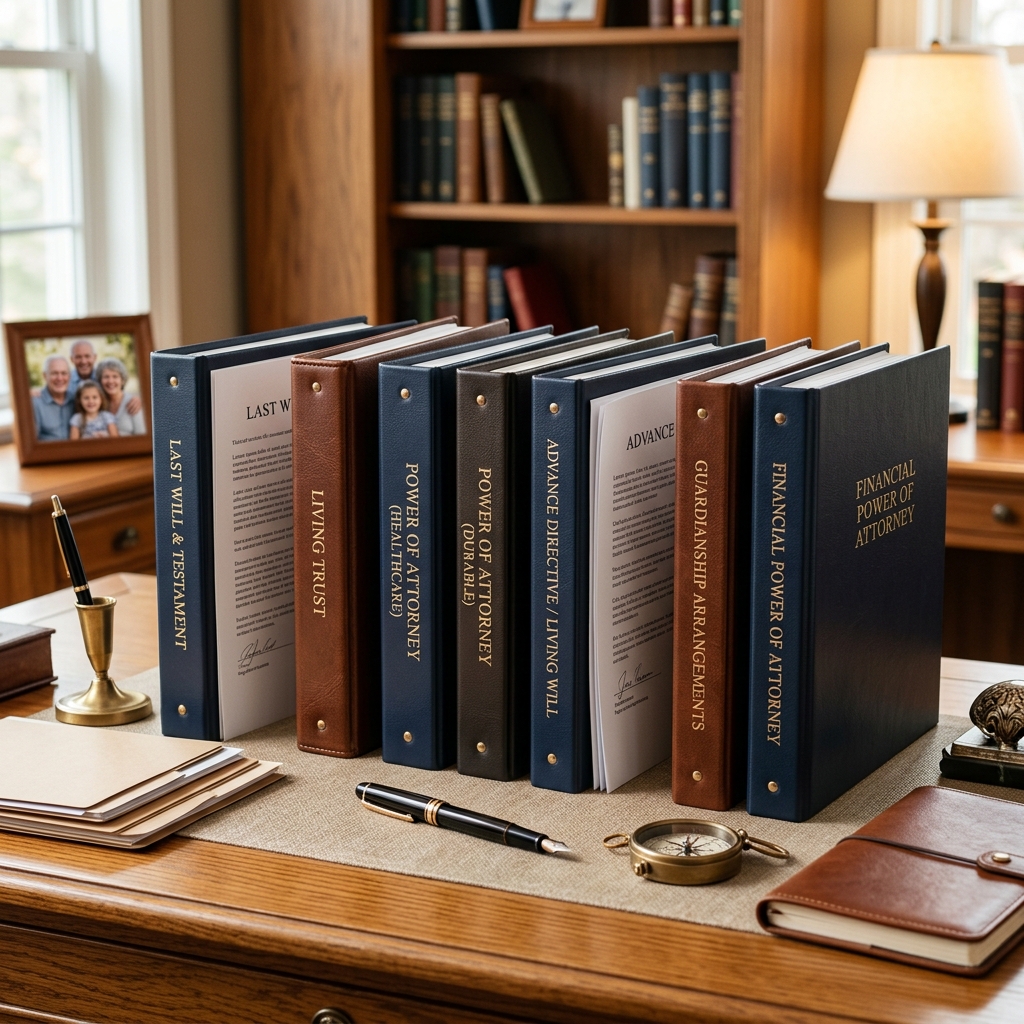
Planning for the future is not just about saving money or investing wisely. It also means putting clear legal documents in place so that your family knows what to do if you become ill, are incapacitated, or pass away. A thoughtful estate plan helps loved ones navigate difficult moments with clarity instead of confusion or conflict, and ensures that your wishes are respected.
While each family’s situation is unique, certain documents appear in almost every solid estate plan: a will, one or more trusts, powers of attorney, and medical directives. Used together, these tools protect your assets, support children and dependents, and guide trusted decision-makers when you cannot speak for yourself. This guide explains the most important documents, how they work, and how families can start putting them in place.
Why Families Need an Estate Plan
Many people assume that estate planning is only for the wealthy or for older adults. In reality, any family that owns property, has children, or wants a say in healthcare decisions benefits from a basic set of planning documents. Without them, state law and the courts will determine what happens to your assets and who makes decisions for you, often in ways that may not match your preferences.
- Parents of minor children need a way to name guardians and provide financial support.
- Couples need to authorize each other (or others) to manage money and make medical decisions during crises.
- Single adults need trusted decision-makers identified so relatives are not left guessing or fighting.
- Older adults need clear plans to avoid unnecessary court proceedings and protect their independence.
Formal documents reduce the emotional burden on loved ones, minimize delays, and can help avoid expensive court processes such as probate or guardianship.
Core Estate Planning Documents for Families
Although you may choose additional tools, most families start with a small set of foundational documents. The table below summarizes these key items and the role each plays.
| Document | Main Purpose | Who It Protects |
|---|---|---|
| Last Will and Testament | Directs distribution of property and names guardians for children. | Spouse or partner, children, other heirs |
| Revocable Living Trust | Holds assets for smoother transfer and often helps avoid probate. | Family members and beneficiaries |
| Financial Power of Attorney | Authorizes someone to handle money and legal matters if you cannot. | You, spouse or partner, joint owners |
| Healthcare Power of Attorney | Names a person to make medical decisions on your behalf. | You and your healthcare team |
| Advance Health Care Directive | States your preferences for treatment and end-of-life care. | You, healthcare proxy, medical providers |
| Beneficiary Designations | Specify who receives certain accounts and policies directly. | Named beneficiaries (family or others) |
The Last Will and Testament: Foundation for Family Planning
Your will is often considered the cornerstone of your estate plan. It is a written document, signed and witnessed according to state law, that explains what should happen to your property after you die. If you have children, it also allows you to nominate the person who will care for them.
Key Functions of a Will
- Distribute property: Specify who receives real estate, savings, personal items, and family heirlooms.
- Appoint an executor: Name a trusted person to carry out your instructions and work with the court.
- Choose guardians: Nominate individuals to raise minor children if both parents die or are unable to care for them.
- Address special situations: Provide guidance for stepchildren, blended families, or charitable gifts.
Without a will, state laws of “intestate succession” control who inherits your property, which may not match your wishes or your family’s needs. For families, the ability to direct care for children and provide clear support for surviving spouses is reason enough to make a will a priority.
Revocable Living Trusts: Extra Control and Flexibility
A revocable living trust is a legal arrangement where you transfer ownership of certain assets to a trust, but continue to manage them during your lifetime. You typically serve as your own trustee at first and name successor trustees to step in if you become incapacitated or after you die.
Benefits of a Living Trust for Families
- Smoother asset transfer: Property held in a properly funded trust often avoids formal probate, reducing delay and expense.
- Incapacity planning: Successor trustees can manage trust assets if you are unable to do so.
- Privacy: Trust terms are generally not public, unlike many court probate records.
- Ongoing management for children: You can set rules for how and when funds are used for minors or young adults (for example, limiting access to a large inheritance until a chosen age).
Trusts are especially useful when a family owns real estate in multiple states, has a child with special needs, or wants to reduce the administrative burden on surviving relatives. For many households, a combination of a simple will and a revocable trust offers both flexibility and protection.
Financial Power of Attorney: Managing Money During Crisis
A financial power of attorney (POA) authorizes a trusted person to act on your behalf for financial and legal matters if you cannot manage them yourself. This document can take effect immediately, or only if you become incapacitated, depending on how it is drafted.
What a Financial POA Can Cover
- Paying household bills and everyday expenses
- Managing bank and investment accounts
- Handling insurance and retirement plan transactions
- Signing tax returns and dealing with government agencies
- Buying, selling, or refinancing property, if authorized
Without a power of attorney, family members may have to ask a court to appoint a guardian or conservator to handle your finances, a process that can be time-consuming, costly, and stressful. Choosing your own agent in advance allows you to pick someone you trust and define the scope of their authority.
Healthcare Power of Attorney and Medical Decisions
A healthcare power of attorney (sometimes called a healthcare proxy or medical POA) identifies the person you want to make medical choices if you cannot communicate. With this document, doctors and hospitals know who has legal authority to consent to treatment or decline procedures on your behalf.
Why Families Need a Healthcare Proxy
- Avoids confusion: Keeps relatives from arguing over who should decide during emergencies.
- Supports your wishes: Lets you choose someone who understands your values and religious or cultural beliefs.
- Helps the medical team: Gives providers a clear point of contact for urgent decisions.
Many people choose a spouse or adult child as their healthcare agent, but you can appoint anyone willing and able to serve. It is important to discuss your preferences with this person so they feel prepared to act if the need arises.
Advance Health Care Directive: Documenting Treatment Preferences
An advance health care directive (often called a living will or advance directive) is a written statement about the kinds of medical treatments you do or do not want if you become seriously ill or near the end of life. It works together with your healthcare power of attorney to guide both your chosen agent and your doctors.
Common Topics in an Advance Directive
- Use of life support technologies, such as ventilators or feeding tubes
- Pain management and comfort care preferences
- Resuscitation decisions, such as CPR or defibrillation
- Organ and tissue donation wishes
Research and public policy groups note that advance directives can reduce uncertainty and help ensure that treatment matches the patient’s values, especially during serious illness. For families, this document can relieve loved ones of the burden of guessing what “the right thing” would be in a crisis.
Beneficiary Designations and Other Key Supporting Documents
Some assets pass outside of your will and trust based on beneficiary designations or account contracts. These include life insurance, retirement accounts, and certain bank or investment accounts with “payable on death” or “transfer on death” instructions.
Important Supporting Documents to Organize
- Beneficiary forms: For life insurance, IRAs, workplace retirement plans, and similar accounts.
- HIPAA authorizations: Allow named individuals to access your medical information so they can support your care.
- Asset and debt list: A simple inventory of property, accounts, and obligations to help your executor or trustee locate everything.
- Funeral and memorial instructions: Written guidance about ceremonies, burial or cremation, and related preferences.
Financial planning sources emphasize that keeping these documents and lists organized is almost as important as creating them. Your agents and heirs need to know what exists and where to find it.
How Different Family Types Can Use These Documents
Although the documents themselves are similar, how you use them depends on your family structure and priorities.
- Married couples with children: Often combine a shared or coordinated will, trusts for children’s education and support, and reciprocal powers of attorney granting each spouse authority to act for the other.
- Single parents: May focus on naming guardians, establishing a trust to manage funds for children, and clearly documenting who can make healthcare decisions for them.
- Blended families: Need careful coordination between will, trust, and beneficiary designations to balance support for a current spouse with children from prior relationships.
- Older adults: Often prioritize incapacity planning, detailed medical directives, and simplifying asset distribution for adult children or other heirs.
In all cases, open communication with the people you name in your documents helps avoid surprises and misunderstandings later.
Steps to Start Your Family’s Estate Planning
Beginning an estate plan can feel overwhelming, but breaking the process into manageable steps makes it far more approachable.
Practical Starting Checklist
- List your key assets, accounts, and debts, with basic details.
- Think about who you trust to act as executor, trustee, financial agent, and healthcare proxy.
- Discuss guardianship options for minor children or other dependents.
- Reflect on your values around life support, pain management, and end-of-life care.
- Review existing beneficiary forms to confirm they match your current wishes.
- Consider meeting with an estate planning attorney for guidance tailored to your state and situation.
Professional legal advice is important because state laws differ on issues like witnessing requirements, default inheritance rules, and recognition of certain documents. Trusted sources in law and financial planning recommend periodic reviews of your estate plan, especially after major life changes such as marriage, divorce, birth of a child, or significant shifts in assets.
FAQs: Common Questions About Family Estate Documents
Do all families need both a will and a trust?
Not necessarily. Many families begin with a well-drafted will and add a trust if they have complex assets, own property in more than one state, or want more control over how and when beneficiaries receive funds. An attorney can help assess whether a trust offers meaningful benefits in your situation.
What happens if I never sign a power of attorney?
If you become unable to manage your finances or make decisions and you do not have a power of attorney, relatives may need to ask a court to appoint a guardian or conservator to act for you. That process can take time and may result in someone being appointed whom you would not have chosen yourself.
Can my spouse automatically make medical decisions for me?
In many places, spouses are among the default decision-makers if no healthcare proxy is named, but laws vary. Even where that is true, a written healthcare power of attorney and advance directive provide clearer authority and better guidance for medical providers, reducing confusion and conflict among relatives.
How often should I update my estate planning documents?
Trusted legal and financial sources advise reviewing your documents every few years and after major life events like marriage, divorce, the birth or adoption of a child, a significant move, or a large change in income or assets. Beneficiary forms should be refreshed regularly to ensure they still reflect your choices.
Do these documents replace professional legal advice?
No. While understanding these tools is helpful, creating legally effective documents requires attention to state-specific rules and personal circumstances. Consulting an estate planning attorney or qualified professional ensures that your plan is complete, coordinated, and properly executed.
References
- Estate Planning Documents and Probate — AARP Policy Book. 2024-01-01. https://policybook.aarp.org/policy-book/personal-and-legal-rights/estate-planning-and-probate
- The Ultimate Estate Planning Checklist: A Step-by-Step Guide — National Council on Aging. 2023-06-15. https://www.ncoa.org/article/estate-planning-checklist
- Estate Planning Checklist: Protect Your Legacy and Your Loved Ones — Haynsworth Sinkler Boyd, P.A. 2025-01-10. https://www.hsblawfirm.com/Connect/Blog/2025/Estate-Planning-Checklist-Protect-Your-Legacy
- Estate Planning Checklist | Estate Planning 101 — Northwestern Mutual. 2024-05-01. https://www.northwesternmutual.com/life-and-money/estate-planning-101-whats-included-in-an-estate-plan/
- Secure Your Legacy With These 4 Essential Estate Documents — Comerica Bank. 2025-09-01. https://www.comerica.com/insights/wealth-management/wealth-preservation/estate-planning-documents.html
- Must-Have Estate Planning Documents | Secure Your Legacy — Thorpe Shwer, P.C. 2022-11-30. https://tsklawaz.com/blog/estate-planning-documents/
- Estate Planning Documents — Empower Personal Wealth. 2025-11-20. https://www.empower.com/the-currency/life/estate-planning-documents
Similar Articles








Read full bio of Sneha Tete


