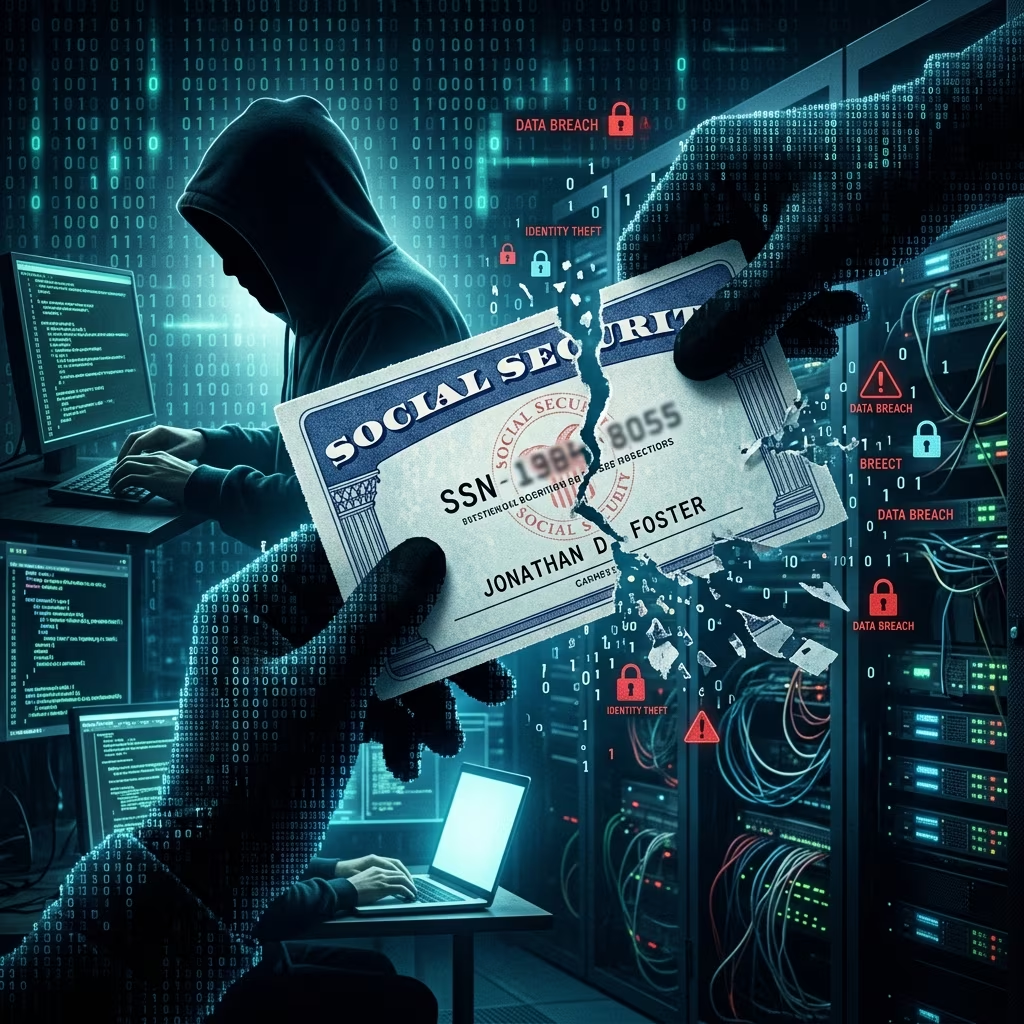
Your Social Security number (SSN) is one of the most powerful identifiers in the United States. When a hacker gets access to it, they gain a key that can unlock many parts of your financial and personal life, often without your knowledge.
This guide explains why SSN theft matters, the ways criminals use stolen numbers, and the concrete steps you can take to protect yourself and recover if your SSN is compromised. It is inspired by legal and consumer advice, but presented in original language and structure.
Why Your Social Security Number Is So Valuable
Your SSN is used across government and private systems as a unique identifier. Many organizations rely on it for verification, which makes it extremely attractive to identity thieves.
Common uses of an SSN include:
- Tracking earnings and eligibility for Social Security and Medicare benefits
- Filing federal and state tax returns
- Applying for loans, credit cards, and mortgages
- Opening bank, investment, and retirement accounts
- Background checks for employment, housing, and licensing
Because so many core systems are tied to this one number, a criminal who possesses it can often impersonate you convincingly enough to bypass basic security checks.
How Hackers Typically Get Your SSN
Hackers and fraudsters use a mix of technical attacks and social manipulation to collect Social Security numbers at scale.
- Data breaches at employers, insurers, retailers, or government contractors where SSNs are stored
- Phishing emails and texts that trick you into revealing personal details on fake websites
- Malware and keyloggers installed on computers or phones to capture logins and forms
- Public Wi‑Fi interception when data is sent over insecure connections
- Paper document theft, such as stolen mail, physical files, or discarded records from trash or recycling
Often, SSNs obtained from one source are combined with information from elsewhere (addresses, dates of birth, account numbers) to build a complete profile for impersonation.
What Criminals Can Do With a Stolen SSN
Once a hacker has your SSN, they can engage in various forms of identity theft and identity fraud. Identity theft occurs when someone uses your personal information without permission; identity fraud refers to the resulting financial or legal harm.
| Type of Abuse | What It Looks Like | Potential Consequences |
|---|---|---|
| New account fraud | Opening credit cards, personal loans, or utilities in your name | Damaged credit, collection calls, lawsuits over debts you never incurred |
| Account takeover | Gaining access to existing bank, credit card, or investment accounts | Unauthorized transfers, drained accounts, disputes with financial institutions |
| Tax-related identity theft | Filing a fraudulent tax return using your SSN to claim a refund | IRS notices, delayed legitimate refunds, complex resolution process |
| Employment-related fraud | Using your SSN to get a job or pass a background check | Mismatched earnings records, questions from tax authorities or Social Security |
| Benefits fraud | Claiming government benefits (unemployment, Social Security, health) in your name | Loss of legitimate benefits, investigations, and repayment obligations |
Real-World Impact: Why SSN Theft Is More Than an Inconvenience
Identity theft involving your Social Security number can affect you financially, legally, and emotionally. It is not just about a single disputed charge; it can reshape your financial profile in ways that take years to correct.
Damage to Your Credit and Access to Loans
When fraudulent accounts are opened using your SSN, those debts may appear on your credit report as if you authorized them.
- Lower credit scores due to unpaid or late fraudulent debts
- Difficulty qualifying for mortgages, auto loans, or rental housing
- Higher interest rates and security deposits if you are deemed risky
The longer the fraud goes undetected, the more entries can accumulate, and the more complicated cleanup becomes.
Legal Exposure and Disputes Over Debts
Victims sometimes face lawsuits or collection actions for debts created by identity thieves.
- Collection agencies may call, send letters, or sue to recover money
- Creditors may initially assume you are responsible
- You may need police reports, Federal Trade Commission (FTC) filings, and extensive documentation to prove fraud
Although consumer protection laws exist, they are not automatic. You must actively assert your rights and provide evidence.
Tax and Government Benefits Complications
Tax-related identity theft and benefits fraud can create long-term entanglements with government agencies.
- IRS notices that more than one tax return was filed with your SSN
- Delays in legitimate refunds while the agency investigates
- Incorrect earnings records affecting Social Security or Medicare eligibility
- Fraudulent unemployment or benefit claims in your name
Correcting these records often requires multiple contacts with agencies, written statements, and verification of your identity.
Emotional Stress and Time Costs
Beyond financial harm, identity theft can be deeply stressful. Guidance from law enforcement and consumer agencies consistently notes that victims may spend months or years monitoring accounts, writing letters, and dealing with creditors and authorities.
- Hours spent on phone calls, paperwork, and follow-up
- Anxiety about further misuse of personal information
- Worry about how the theft will affect family members and dependents
Early Warning Signs Your SSN May Be Misused
Recognizing warning signs helps you act quickly, which can limit damage and speed up recovery.
- Unexpected bills, collection notices, or account statements for accounts you did not open
- Denial of credit or higher interest rates, despite good financial habits
- Missing regular bills or financial statements, which could indicate mail theft
- IRS letters about unreported income or multiple tax returns filed under your SSN
- Notifications from banks, credit bureaus, or government agencies about suspected fraud
Any one of these indicators warrants immediate investigation. The goal is to determine whether unauthorized activity is occurring and to contain it quickly.
Immediate Steps to Take If Your SSN Is Compromised
If you know or suspect that a hacker has your Social Security number, acting promptly can significantly reduce the impact.
1. Review Your Credit and Place Alerts or Freezes
Credit reports show most major accounts and recent applications. Checking them can reveal fraudulent activity.
- Request credit reports from the three nationwide reporting agencies (Equifax, Experian, TransUnion)
- Look for unfamiliar accounts, inquiries, or addresses
- Place a fraud alert so creditors take extra steps to verify applications
- Consider a credit freeze, which generally prevents new credit accounts from being opened in your name
Fraud alerts and freezes are important tools to limit future misuse of your SSN for new account fraud.
2. Contact Affected Financial Institutions
Immediately inform banks, credit card issuers, and other financial institutions if you see suspicious activity.
- Ask to close or secure compromised accounts
- Request new cards and account numbers if needed
- Dispute unauthorized charges or transfers, following the institution’s fraud procedures
Prompt notification helps limit losses and establishes a record that you did not authorize the transactions.
3. File Reports with Authorities
Official reports can be critical when dealing with creditors, credit bureaus, and tax agencies.
- File an identity theft report with the FTC through IdentityTheft.gov or by phone
- File a police report with local law enforcement and keep a copy for documentation
- Use standardized identity theft affidavits when disputing fraudulent accounts
These reports help you demonstrate that your SSN was misused, which can support the removal of fraudulent entries from your records.
4. Monitor and Organize Your Documentation
Identity theft cases are easier to resolve when you keep thorough records.
- Maintain a file with copies of credit reports, letters, emails, and forms
- Keep a log of phone calls, including dates, names, and outcomes
- Send important correspondence by certified mail and retain receipts
Organized documentation simplifies communication with creditors and agencies and helps ensure that each fraudulent item is addressed.
Long-Term Protection: Reducing the Risk of SSN Theft
Even after resolving an incident, it is essential to strengthen your defenses. Government, law enforcement, and consumer agencies recommend several best practices.
Limit Where and When You Share Your SSN
- Do not carry your Social Security card in your wallet; store it securely instead
- Question requests for your SSN and provide it only when truly necessary
- Avoid writing your SSN on checks or non-essential forms
The less often your SSN is shared, the fewer opportunities attackers have to access it.
Secure Your Physical Documents
- Keep financial records, passports, and documents with personal data in a locked location
- Shred old bank statements, tax forms, and other sensitive papers before disposal
- Collect mail promptly and place a hold on mail when traveling, to reduce theft risk
Paper documents remain a major source of stolen information, and simple precautions can meaningfully lower this risk.
Strengthen Digital Security
- Use strong, unique passwords for each account, combining letters, numbers, and symbols
- Enable two-factor authentication where available, especially for financial and email accounts
- Be cautious on public Wi‑Fi networks, especially when accessing accounts or entering sensitive information
- Do not click on links or open attachments in unsolicited emails; instead, visit official websites directly
Digital hygiene reduces the chance that attackers can capture credentials and personal data needed to misuse your SSN.
Stay Alert to Scams and Unsolicited Requests
- Be wary of calls, texts, or emails asking for personal information or urgent payments
- Verify contact information through official channels rather than using details provided in a suspicious message
- Regularly review bank and credit card statements for irregular charges
Many SSN thefts begin with a scam that targets trust or fear. Awareness and skepticism are key defenses.
FAQs About Hackers and Social Security Numbers
Can I get a new Social Security number if mine is stolen?
In limited circumstances, the Social Security Administration may issue a new number, but this is typically reserved for severe cases where ongoing harm cannot be otherwise resolved. Most identity theft issues are handled through fraud alerts, freezes, and corrections to records rather than replacing the SSN itself.
Is SSN theft the same as identity theft?
Not exactly. SSN theft refers specifically to the unauthorized access to your Social Security number. Identity theft is broader and involves using any personal or financial information (including your SSN) without permission to commit fraud or other crimes.
How quickly should I act if I suspect misuse?
Act immediately. Place fraud alerts or freezes, contact financial institutions, report to the FTC and law enforcement, and start reviewing your credit reports as soon as you notice suspicious signs.
Will my credit eventually recover after SSN-based identity theft?
Yes, in most cases, credit reports can be corrected once you demonstrate that accounts or debts are fraudulent. This may take time and persistence, but consumer protection guidance emphasizes that thorough documentation and consistent follow-up are effective in repairing credit damage.
Does SSN theft affect my Social Security retirement benefits?
It can, in certain cases, if fraudulent earnings or benefit claims are recorded under your SSN. Monitoring statements and contacting Social Security if you notice discrepancies can help ensure your retirement benefits reflect your true work history.
References
- Identity theft — USAGov. 2024-02-14. https://www.usa.gov/identity-theft
- What To Know About Identity Theft — Federal Trade Commission. 2023-09-18. https://consumer.ftc.gov/articles/what-know-about-identity-theft
- Identity theft is a serious crime — U.S. Department of Justice (USAO EDPA). 2015-01-01. https://www.justice.gov/usao-edpa/file/763696/dl
- Identity Theft — Harvard University Police Department. 2023-03-10. https://www.hupd.harvard.edu/identity-theft
- Identity theft — Information Commissioner’s Office (ICO). 2022-08-25. https://ico.org.uk/for-the-public/identity-theft/
- Identity theft — Office of the Attorney General of Texas. 2023-11-05. https://www.texasattorneygeneral.gov/consumer-protection/identity-theft/what-identity-theft
- Are You At Risk for Identity Theft? — Equifax. 2023-04-20. https://www.equifax.com/personal/education/identity-theft/articles/-/learn/your-risk-for-identity-theft/