
Empowering Your Voice: A Guide to Voter Readiness
Ensure your voice is heard with this complete voter readiness guide.
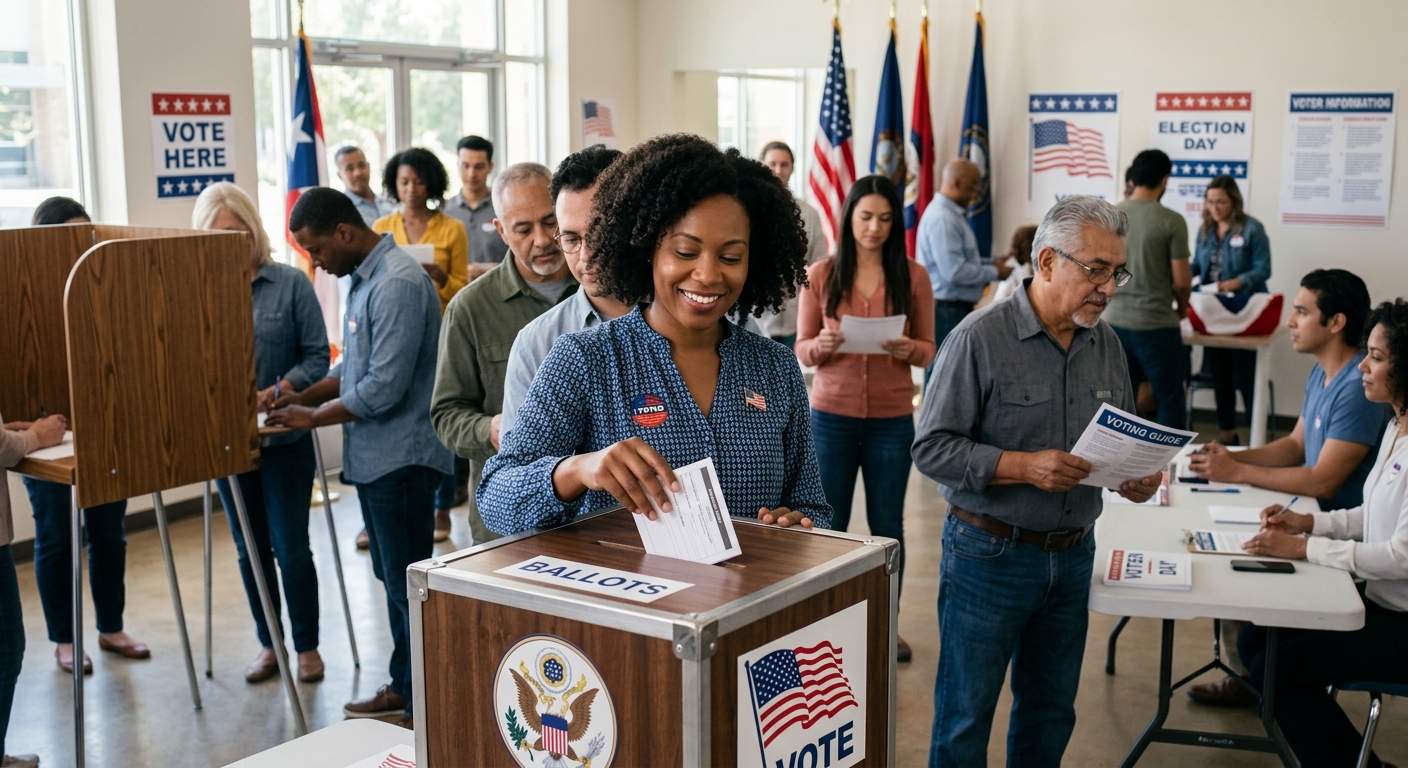
The Cornerstone of Democracy: Preparing for Election Day
The democratic process is fundamentally reliant on the active participation of its citizens. While casting a ballot may seem like a straightforward act, the administrative framework surrounding elections in the United States is complex and highly localized. Every election cycle, thousands of eligible citizens arrive at polling places only to discover administrative hurdles that prevent them from participating. Whether it is an unexpected purge from the voter rolls, confusion over identification requirements, or a lack of understanding regarding absentee ballot deadlines, these barriers can silence critical voices.
Being election-ready requires proactive engagement long before polling locations open. It demands an understanding of your local jurisdiction’s rules, a verified registration status, and a comprehensive voting plan. This guide is designed to dismantle the complexities of the electoral system, providing you with actionable insights to ensure that your civic duty is executed smoothly and your fundamental rights are protected.
Phase One: The Voter Registration Lifecycle
Your voter registration is not a permanent, static file; it is an active record that requires maintenance. Changes in your residency, name, or even a period of voting inactivity can jeopardize your status on the voter rolls.
Verifying Your Active Status
Election officials regularly conduct roll maintenance to remove deceased voters or those who have moved out of the jurisdiction. While necessary for electoral integrity, this process, often utilizing databases like the Electronic Registration Information Center (ERIC) or the National Change of Address (NCOA) registry, can sometimes result in the erroneous removal of eligible voters. It is imperative to check your registration status at least sixty days prior to an election. You can verify your status through your state’s official Secretary of State website or through comprehensive federal portals.
Updating Vital Information
If you have relocated, even to a different apartment within the same building, your voter registration must be updated to reflect your precise residential address. This ensures you receive the correct ballot containing the local races and propositions specific to your district. Furthermore, if you have legally changed your name due to marriage, divorce, or other reasons, updating your registration is crucial to match the identification you will present at the polls, thereby avoiding potential challenges by poll workers.
Navigating Registration Deadlines
The United States does not have a universal voter registration deadline. While some states offer Same-Day Voter Registration (SDR)—allowing you to register and vote simultaneously on Election Day—others close their books up to thirty days prior to the election. Familiarizing yourself with your state’s specific cutoff dates for online, mail-in, and in-person registration is the first critical step in your voting plan.
Phase Two: Decoding Your Voting Methods
Modern elections offer multiple avenues for casting a ballot, each designed to increase accessibility and accommodate diverse schedules. Understanding the nuances of each method allows you to choose the option that best fits your lifestyle.
The Traditional Route: In-Person Voting on Election Day
For many, voting on Election Day is a time-honored tradition. If you choose this route, verify your exact polling location a week before the election, as district lines and precinct locations are subject to change. When planning your trip, consider peak voting hours—typically early morning, during lunch breaks, and immediately after standard working hours—and try to vote during mid-morning or mid-afternoon lulls to avoid extensive wait times.
The Convenience of Early Voting
A growing majority of states now offer early in-person voting periods, ranging from a few days to several weeks before Election Day. Early voting centers often differ from your specific Election Day precinct and may include centralized locations like county clerk offices, libraries, or community centers. Utilizing early voting not only reduces Election Day congestion but also provides a buffer period to resolve any unforeseen registration or identification issues.
Absentee and Mail-In Ballots
Mail-in voting has transformed electoral participation, particularly for those with demanding schedules, mobility constraints, or those living abroad. However, the rules governing this method vary drastically. Some states operate entirely by mail, automatically sending ballots to all registered voters. Others require an “excuse” (such as illness or travel) to request an absentee ballot. When utilizing mail-in voting, meticulous attention must be paid to the instructions. Ensure you use the provided secrecy envelope, sign the outer envelope exactly as your name appears on your registration, and adhere to strict postmark or receipt deadlines.
Phase Three: Understanding Voter Identification Laws
Voter identification requirements are among the most heavily debated and frequently changing aspects of election law. The type of identification required to cast a regular ballot depends entirely on your state of residence. Arriving without the proper documentation can result in being issued a provisional ballot, which may require follow-up action to be counted.
| Type of ID Law | Description | Common Accepted Documents |
|---|---|---|
| Strict Photo ID | Voters must present government-issued photo identification. Exceptions are limited. | State Driver’s License, U.S. Passport, Military ID, Tribal ID. |
| Strict Non-Photo ID | Voters must present some form of official documentation, though a photo is not strictly required. | Utility bill, bank statement, government check, paycheck. |
| Non-Strict Photo ID | Photo ID is requested, but if the voter lacks one, they can sign an affidavit of identity or have a poll worker vouch for them. | Driver’s License, Student ID (in some states), Employee ID. |
| No Document Required | Voters simply sign their name at the polls, which is matched against their registration signature. | No physical ID required; signature verification is used. |
If you lack the necessary ID, do not leave the polling place. You have the federally protected right to request a provisional ballot. Before leaving, ask the poll workers for clear written instructions on what documentation you need to provide to your local election office and the deadline for doing so to ensure your provisional ballot is verified and counted.
Phase Four: Protecting the Rights of Vulnerable Populations
Federal legislation, including the Voting Rights Act of 1965, the Americans with Disabilities Act (ADA), and the Help America Vote Act (HAVA), provides robust protections to ensure equitable access to the ballot box for all citizens.
Accessibility for Voters with Disabilities
Under the ADA, all polling places must be physically accessible to voters with mobility impairments. This includes accessible parking, ramp access, and clear pathways. Furthermore, HAVA mandates that every polling location have at least one accessible voting machine (such as an audio-tactile interface or a sip-and-puff system) allowing voters with visual or physical impairments to cast their ballots privately and independently. If a polling place is inaccessible, many jurisdictions offer curbside voting, where a poll worker brings the ballot to your vehicle.
Language Assistance
Section 203 of the Voting Rights Act requires certain jurisdictions to provide bilingual voting materials and language assistance at the polls. This mandate is triggered if a significant portion of the voting-age citizens in a jurisdiction belong to a single language minority group and have limited English proficiency. If you require assistance, you are legally permitted to bring someone of your choice (other than your employer or a union representative) into the voting booth to help you navigate the ballot.
Rights of Justice-Impacted Individuals
The voting rights of individuals with criminal convictions are a patchwork of varying state laws. In a select few states, individuals never lose their right to vote, even while incarcerated. In others, voting rights are automatically restored upon release from prison, while some require the completion of parole and probation, or the payment of legal financial obligations. A minority of states permanently disenfranchise individuals with certain felony convictions unless they receive a direct pardon from the governor. If you have a past conviction, consult your state’s specific restoration laws; you may be eligible to register right now.
Phase Five: Cultivating an Informed Voting Plan
Once the logistical hurdles are cleared, the final step is ensuring you are prepared to make informed decisions on the ballot. Federal races often dominate the headlines, but state and local elections—including city council races, school board elections, and municipal judgeships—have a profound and immediate impact on your daily life.
Before heading to the polls, download a sample ballot from your local election authority. Research the candidates, understand their platforms, and carefully read the text of ballot initiatives and referendums. Because ballot language can be dense and confusing, reviewing these measures in advance allows you to vote with confidence and efficiency, reducing the time spent inside the voting booth.
Frequently Asked Questions (FAQs)
What should I do if I am told I am not on the voter roll at my polling place?
First, verify that you are at the correct precinct, as showing up at the wrong location is a common reason for not appearing on the roll. If you are at the correct location, insist on your right to cast a provisional ballot. A provisional ballot ensures your vote is recorded while election officials verify your eligibility after Election Day.
Can I wear political apparel to the polling place?
In most states, wearing clothing, hats, or buttons that explicitly endorse a candidate or ballot measure currently up for election is considered “passive electioneering” and is strictly prohibited within a certain radius of the polling place (often 50 to 100 feet). Poll workers may ask you to remove the item or cover it up before allowing you to vote.
What happens if I make a mistake on my paper ballot?
If you accidentally vote for the wrong candidate or make a stray mark that could invalidate your ballot, do not attempt to cross it out or fix it. Return the spoiled ballot to a poll worker and request a new one. By law, they must provide you with a replacement ballot.
If the polls close while I am in line, can I still vote?
Yes. Under U.S. election guidelines, if you are physically standing in line at your designated polling place before the official closing time, you possess the legal right to cast your ballot. Stay in line; do not let anyone tell you to leave.
References
- Voter Registration and Election Information — USA.gov. 2023-11-01. https://www.usa.gov/voting-and-elections
- Register to Vote / Voter Resources — U.S. Election Assistance Commission (EAC). 2023-09-15. https://www.eac.gov/voters/register-and-vote-in-your-state
- Voter ID Laws — National Conference of State Legislatures (NCSL). 2024-01-18. https://www.ncsl.org/elections-and-campaigns/voter-id
- About the Voting Section — U.S. Department of Justice (DOJ). 2023-10-12. https://www.justice.gov/crt/about-voting-section
Similar Articles








Read full bio of medha deb


