
Guarding Against Identity Theft in Washington, D.C.
Understand identity theft risks in Washington, D.C. and learn practical legal and technical steps to prevent, detect, and recover from fraud.
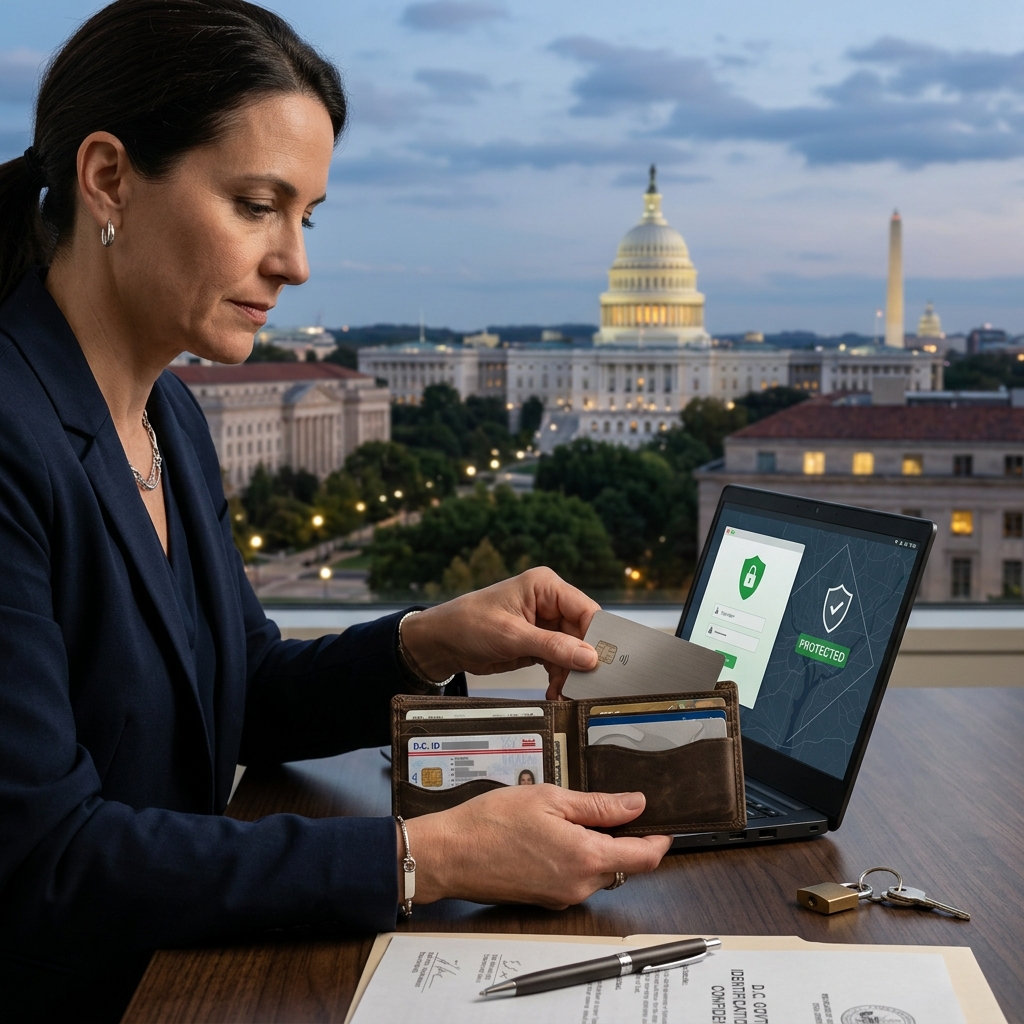
Identity theft remains one of the most disruptive and stressful problems consumers face, and residents of Washington, D.C. are no exception. While digital tools make everyday life more convenient, they also create opportunities for criminals to misuse personal information, open fraudulent accounts, or commit crimes in someone else’s name. This guide explains how identity theft works, what special considerations apply to people in the District, and which concrete steps you can take to prevent, detect, and recover from it.
Understanding Identity Theft in Everyday Terms
Identity theft occurs when someone uses your personal information without permission to impersonate you, usually for financial gain, but sometimes to conceal other criminal activity. Common pieces of data used by identity thieves include:
- Social Security numbers
- Driver’s license or ID numbers
- Bank account and credit card numbers
- Dates of birth and addresses
- Login usernames and passwords
Once a thief gains access, they may open credit cards, take out loans, file tax returns, or obtain medical services in your name. In some cases, your information is used to commit crimes that later appear in public records as if you were responsible.
Why Washington, D.C. Residents Should Pay Special Attention
Living or working in Washington, D.C. involves several factors that can raise the stakes of identity theft:
- High concentration of federal workers and contractors: Government-related data can be especially attractive to criminals, and data breaches affecting federal employees have been widely reported in recent years.
- Frequent travel and public transit use: Commuters use ATMs, public Wi-Fi, and mobile devices in busy settings, increasing exposure to skimming devices and unsecured networks.
- Complex jurisdictional landscape: D.C. residents interact with federal agencies, the D.C. Attorney General, and often neighboring state authorities when addressing consumer complaints or data breaches.[10]
Understanding which agencies handle which problems helps you respond more quickly if your identity is compromised.
Common Ways Identity Theft Happens
Identity thieves rarely rely on a single technique. They often combine several methods to build a complete profile of a victim. Key pathways include:
Data Breaches and Hacking
Data breaches occur when hackers gain unauthorized access to databases maintained by companies, healthcare organizations, or government agencies. Large breaches may reveal millions of records at once, including names, Social Security numbers, and financial account details. The stolen information is frequently sold on criminal marketplaces, such as the dark web, where other fraudsters purchase it for later misuse.
Phishing and Social Engineering
Phishing is the practice of sending deceptive emails, text messages, or phone calls designed to trick you into revealing sensitive information or clicking malicious links. Social engineering goes a step further and uses psychological manipulation, impersonating banks, government agencies, or even coworkers to build trust and extract data.
- Emails that appear to come from your bank asking you to “verify your account”
- Phone calls claiming to be from “technical support” or the Social Security Administration
- Messages threatening immediate legal action if you do not provide personal information
Physical Theft and Low-Tech Methods
Despite advanced cybercrime techniques, low-tech theft remains common:
- Stealing wallets or purses
- “Dumpster diving” to search for discarded documents with account numbers
- Installing skimmers on ATMs or gas pumps to capture card data
Destroying documents thoroughly and minimizing what you carry can substantially reduce these risks.
Public Records and Misuse of Legitimate Information
Identity thieves may also exploit publicly available records, building a detailed profile from address listings, court records, or professional licenses. This information can be combined with stolen data from other sources to create convincing applications for credit or benefits.
Early Warning Signs Your Identity May Be Compromised
Detecting identity theft early dramatically reduces the harm. According to major credit bureaus, reviewing your credit reports and account statements consistently is one of the most effective tools for early detection.
| Warning Sign | What It May Mean |
|---|---|
| Unfamiliar accounts on your credit report | Someone may have opened credit cards or loans using your name and Social Security number. |
| Accounts sent to collections you never opened | Fraudulent accounts may have gone unpaid and now appear as delinquent debts. |
| Inquiries from lenders you never contacted | Applications for credit may have been submitted in your name, even if they were denied. |
| Unexpected changes in credit scores | New accounts or missed payments associated with fraudulent activity can alter your scores. |
| Bills or statements stop arriving | Thieves may have changed your address to receive your mail. |
If you notice any of these issues, you should investigate promptly and consider placing a fraud alert or credit freeze on your reports.
Preventive Steps for Washington, D.C. Consumers
While no strategy is perfect, combining several protective measures significantly lowers your risk. Below are practical steps you can take, many of which are recommended by government and consumer protection authorities.[10]
Strengthen Your Digital Security
- Use strong, unique passwords: Choose passphrases that are long and complex, and avoid reusing passwords across multiple accounts.
- Enable multi-factor authentication (MFA): Require a second step, such as a code or security key, for sensitive accounts like email, banking, and social media.
- Keep devices and software updated: Install security updates and patches promptly to close known vulnerabilities.
- Avoid public Wi-Fi for financial tasks: When you must use public networks, rely on a trusted virtual private network (VPN) for added security.
Limit and Secure Physical Documents
- Carry only essential cards, and avoid keeping your Social Security card in your wallet.
- Shred bank statements, medical bills, and pre-approved credit offers before discarding them.
- Secure sensitive documents at home in a locked drawer or safe.
Control Access to Your Credit
Credit reporting agencies provide tools that make it harder for thieves to open new accounts in your name. These tools are governed by federal law and available nationwide.
- Fraud alerts: A fraud alert is a notice on your credit file requiring lenders to take extra steps to confirm your identity before opening new credit lines.
- Credit freezes: A credit freeze restricts most new lenders from viewing your credit report, which generally prevents opening new accounts in your name until you lift the freeze.
Equifax, Experian, and TransUnion must offer credit freezes free of charge under U.S. law, and placing an alert with one bureau normally triggers notice to the others.
Monitor Financial and Health Accounts
- Review monthly bank and credit card statements for unfamiliar charges.
- Check healthcare benefit statements for services you did not receive.
- Order credit reports from each of the major bureaus regularly and review them carefully for unfamiliar accounts or inquiries.
What to Do Immediately if You Suspect Identity Theft
Responding quickly can prevent further damage and create a record that helps you dispute fraudulent activity later. Government agencies emphasize these core steps for victims.[10]
Step 1: Contact Affected Companies
Start by contacting the fraud departments at the companies where you see suspicious activity, such as banks, credit card issuers, or utilities.
- Explain clearly that you are an identity theft victim.
- Ask the company to close or freeze any compromised accounts.
- Request written confirmation of the actions they take.
Step 2: Place a Fraud Alert and Consider a Credit Freeze
Next, contact one of the major credit bureaus to place a fraud alert on your credit file. This makes it harder for thieves to open new accounts and signals that lenders should verify your identity carefully.
For more robust protection, consider a credit freeze with each bureau, which generally blocks new creditors from accessing your reports until you unfreeze them.
Step 3: Create a Recovery Plan at IdentityTheft.gov
The Federal Trade Commission (FTC) provides a centralized portal at IdentityTheft.gov, where you can report identity theft and receive personalized guidance. The site helps you generate an official Identity Theft Report and step-by-step recovery plan tailored to your situation.
- Document fraudulent accounts, charges, or public records issues.
- Print letters and forms you can send to creditors and other entities.
- Track progress as you complete recommended actions.
Step 4: File a Police Report if Needed
If the identity theft involves significant financial loss, criminal impersonation, or ongoing fraud, filing a police report with local law enforcement may help establish your status as a victim. For residents of Washington, D.C., you can coordinate with the Metropolitan Police Department and, where appropriate, seek guidance from the Office of the Attorney General on consumer protection issues.[10]
Step 5: Continue Monitoring and Follow Up
Identity theft recovery is rarely resolved in a single phone call. Continue to review your credit reports and account statements regularly, and follow up promptly if new issues appear.
Working With Identity Theft Protection Services
Many consumers choose to use commercial identity theft protection services that provide monitoring and recovery assistance. While these services cannot guarantee complete protection, they may offer:
- Alerts for new credit inquiries or accounts
- Dark web monitoring for exposed login credentials or Social Security numbers
- Help with placing credit freezes and fraud alerts
- Access to specialists who guide you through disputes and restoration
When evaluating these services, consider whether they provide clear information about your legal rights, the limits of their coverage, and the steps you still need to take yourself.
Legal Rights and Consumer Protection in Washington, D.C.
As a D.C. resident, you benefit from both federal and local consumer protection laws. Federal statutes govern credit reporting, limit liability for unauthorized transactions, and require certain companies to notify you of data breaches. The D.C. Attorney General’s office provides consumer alerts and can take action against businesses that engage in unlawful practices or mishandle personal information.[10]
In complex cases—for example, when identity theft has led to prolonged debt collection efforts or damaged employment prospects—you may choose to consult a consumer law attorney familiar with D.C. regulations. Legal assistance can help you:
- Dispute inaccurate information on credit reports
- Respond to collection agencies pursuing debts that are not yours
- Understand potential claims against companies that failed to safeguard your data
Frequently Asked Questions (FAQs)
1. Is a credit freeze the same as a fraud alert?
No. A fraud alert instructs lenders to take extra steps to verify your identity before opening new accounts, while a credit freeze generally blocks new lenders from accessing your report altogether. Both are useful tools, but freezes offer stronger protection against new account fraud.
2. Do I still need to check my credit reports if I use a monitoring service?
Yes. Even if you enroll in a monitoring service, it is wise to review your credit reports yourself. Automated alerts can miss nuances or be delayed, and personally checking your reports helps you spot unfamiliar accounts, inquiries, or public records more quickly.
3. What is IdentityTheft.gov, and why is it important?
IdentityTheft.gov is an official FTC website that provides step-by-step guidance and personalized recovery plans for identity theft victims. It helps you document your case, generate an Identity Theft Report, and organize communications with banks, creditors, and other organizations.
4. Should I change all my passwords after a data breach?
If a breach involves accounts or services where you use similar or reused passwords, you should change them immediately and enable multi-factor authentication where possible. Focus first on email, financial accounts, and any accounts storing sensitive personal or health information.
5. Who can I contact in Washington, D.C. for consumer protection help?
In addition to national resources like the FTC, residents can seek guidance from the Office of the Attorney General for the District of Columbia, which issues consumer alerts and can pursue enforcement actions against companies that violate D.C. consumer protection laws.[10] Depending on the situation, you may also consult private legal counsel experienced in consumer law and identity theft issues.
References
- Identity Theft Protection — Equifax. 2023-09-15. https://www.equifax.com/personal/identity-theft-protection/
- identitytheft.gov — Federal Trade Commission. 2024-02-10. https://www.identitytheft.gov/
- Consumer Alert: Identity Theft — Office of the Attorney General for the District of Columbia. 2023-04-05. https://oag.dc.gov/consumer-protection/consumer-alert-identity-theft
- Identity Theft Protection — Aura. 2024-05-01. https://www.aura.com/identity-theft-protection
- Identity Theft Protection – Safeguard Your Credit and ID — GEICO. 2023-11-20. https://www.geico.com/identity-protection/
Similar Articles








Read full bio of Sneha Tete




