
DUI For Commercial Drivers: 4 Steps To Protect Your CDL Fast
How a single DUI can derail a commercial driving career, from legal limits and penalties to employment, insurance, and recovery options.
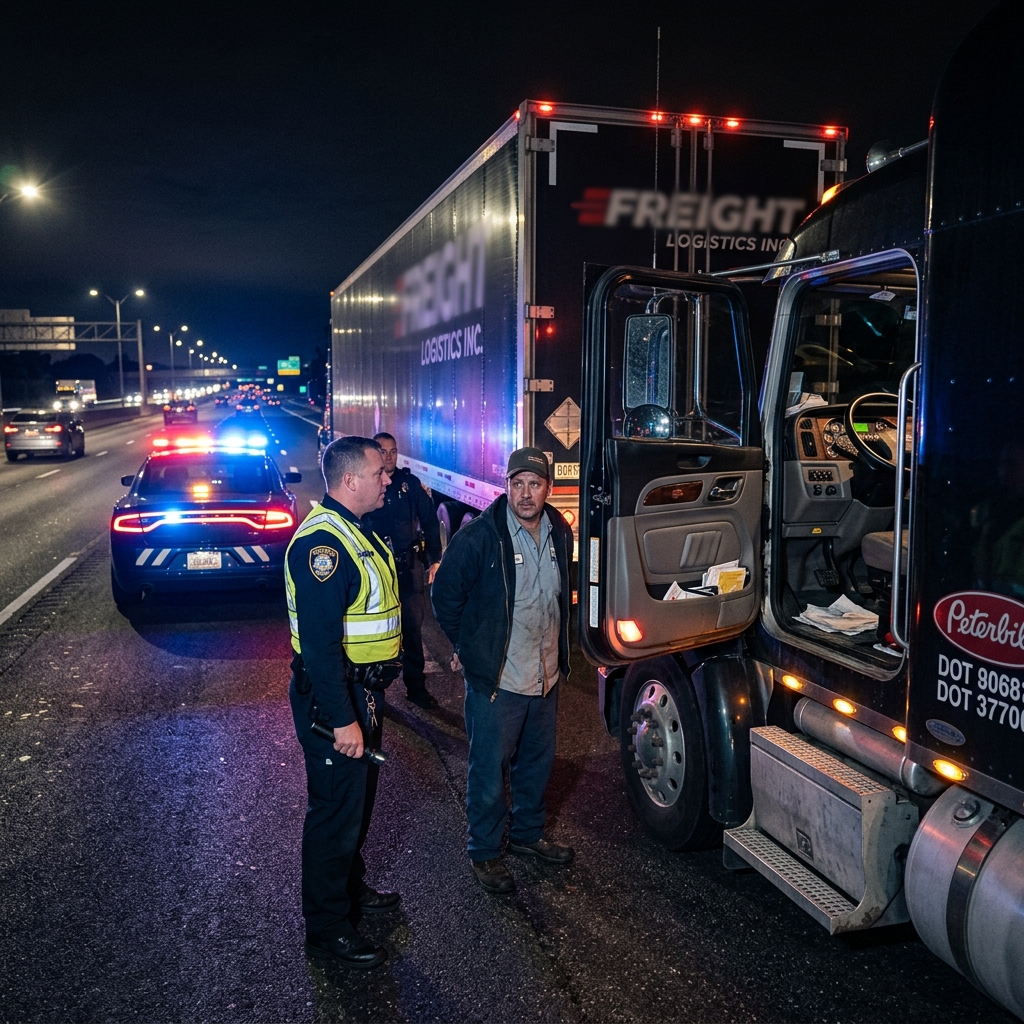
For commercial drivers, a driving under the influence (DUI) charge is more than a traffic offense—it can be a career-ending event. Commercial driver’s license (CDL) holders face stricter alcohol limits, tougher penalties, and more severe professional consequences than non-commercial drivers.
This guide explains how DUI laws apply specifically to commercial drivers, the penalties for a first and subsequent offense, how your CDL and regular license are affected, and practical steps to protect your livelihood if you are facing a DUI charge.
Why DUIs Are Treated Differently for Commercial Drivers
Commercial drivers operate large, heavy vehicles, often transporting passengers or hazardous materials. Because of the heightened risk to public safety, federal and state laws impose stricter standards on CDL holders than on other drivers.
Lower Legal BAC Limit for Commercial Drivers
For most drivers, the legal blood alcohol concentration (BAC) limit is 0.08%. For commercial drivers operating a commercial motor vehicle, the limit is typically 0.04%—half the standard threshold. Driving a commercial vehicle at or above 0.04% BAC can lead to administrative disqualification of your CDL and criminal DUI charges.
- Non-commercial drivers: Legal limit usually 0.08% BAC.
- Commercial drivers in a commercial vehicle: Legal limit usually 0.04% BAC.
- Commercial drivers in a personal vehicle: Generally subject to the 0.08% limit, but a DUI can still disqualify the CDL for at least one year in many jurisdictions.
Regulatory Framework Behind CDL DUIs
Federal regulations set national standards for commercial driver disqualification following DUI offenses, including mandatory one-year disqualification for a first DUI and lifetime disqualification for certain repeat offenses. States then implement these rules through their own statutes and administrative processes.
In practice, this means that even if your DUI occurs in a personal vehicle, your CDL can still be disqualified under both state law and federal commercial driving rules.
Immediate Administrative Consequences: What Happens Right After a DUI Arrest
When a commercial driver is arrested or cited for DUI, the consequences begin well before any criminal conviction. Most states impose administrative license actions through the Department of Motor Vehicles (DMV) based on your chemical test results or refusal to test.
Administrative License Suspension or Disqualification
DMVs can suspend or disqualify your driving privileges quickly after a DUI arrest if you:
- Record a BAC at or above 0.04% while operating a commercial vehicle;
- Record a BAC at or above 0.08% while driving any vehicle; or
- Refuse to submit to a breath, blood, or urine test when lawfully requested.
For CDL holders, an initial administrative disqualification of at least one year for a first offense is common, even before the criminal case concludes.
Restricted Licenses and CDL Limitations
Non-commercial drivers often can request a restricted license to drive to work or treatment programs after a DUI-related suspension. Commercial drivers, however, frequently face stricter rules:
- Many jurisdictions do not allow restricted driving of commercial vehicles during suspension periods.
- Some states require CDL holders to downgrade to a noncommercial license class to receive any restricted privileges for personal driving.
This means you may be able to drive a personal vehicle for limited purposes after meeting certain conditions, but you cannot resume commercial driving until your CDL disqualification ends.
Criminal Penalties for a First-Time CDL DUI
In addition to administrative actions, a DUI is a criminal offense that can carry fines, jail time, probation, and mandatory education programs. For CDL holders, these penalties are often similar to those imposed on other drivers, but the CDL disqualification makes the consequences much more severe.
| Consequence Category | Typical First-Offense Impact on CDL Holders |
|---|---|
| CDL status | Mandatory one-year CDL disqualification for a first DUI, even if the offense occurred in a personal vehicle. |
| Regular (non-commercial) license | Suspension similar to non-commercial drivers; may range from 30 days to several months depending on jurisdiction. |
| Jail time | Up to six months in county jail in many states for a first misdemeanor DUI. |
| Fines | Base fines often in the range of a few hundred to a couple thousand dollars, plus substantial penalty assessments and court costs. |
| DUI education | Mandatory completion of an alcohol or DUI education program lasting several months. |
| Probation | Three to five years of informal probation is common for a first DUI conviction. |
While these criminal penalties are similar to those that non-commercial drivers face, the key difference is that CDL holders lose the ability to operate commercial vehicles for at least a year, which for many drivers means losing their primary source of income.
Second DUI and Repeat Offenses: When Your CDL Is at Risk for Life
The stakes rise dramatically after a first DUI. In many jurisdictions, a second DUI within a defined time period—often ten years—can result in lifetime CDL disqualification or permanent revocation of your commercial driving privileges.
Lifetime CDL Disqualification
Federal commercial driver regulations and many state laws allow for or mandate a lifetime disqualification of your CDL for a second DUI offense, regardless of whether the second offense occurred in a commercial or personal vehicle.
- The second offense may occur in any type of vehicle.
- It may follow a prior DUI that happened before or after you obtained your CDL.
- In some states, limited reinstatement options may exist after a long waiting period, but for many drivers, the practical effect is the end of their commercial driving career.
Felony DUI and Aggravating Factors
If a DUI incident involves injuries, fatalities, or other aggravating circumstances, prosecutors may file felony DUI charges. A felony conviction for DUI can result in:
- Significant state prison time;
- Substantially higher fines;
- Permanent loss of your CDL in many jurisdictions.
Even a single felony DUI can therefore have lifelong consequences not only for your ability to drive commercially, but for your broader criminal record and civil rights.
Beyond the Courtroom: Employment and Insurance Fallout
For commercial drivers, the legal penalties are only part of the picture. A DUI conviction triggers a cascade of professional and financial consequences that can be just as damaging as the formal sanctions.
Job Loss and Hiring Challenges
Most commercial transportation employers have strict policies regarding DUIs. A conviction may lead to:
- Immediate termination from your current driving position;
- Difficulty securing new employment in trucking, bus driving, or other commercial driving roles;
- Restrictions imposed by insurers that make you ineligible to operate company vehicles, even if a prospective employer is willing to hire you.
Recruiters and safety managers routinely review your motor vehicle record (MVR). A DUI will remain visible for years and may automatically disqualify you from many CDL positions.
Insurance Premiums and Coverage Limits
A DUI almost always leads to higher insurance costs. For CDL holders, the impact can be even more pronounced:
- Personal auto insurance premiums can rise sharply after a DUI conviction.
- Commercial carriers may refuse to insure drivers with recent DUIs, limiting employment options.
- You may be required to maintain SR-22 or similar high-risk insurance certification for a period of time to demonstrate financial responsibility.
These changes increase your cost of living and may make it more difficult to maintain the licenses and permits needed for commercial driving.
Special Rules for Hazardous Materials Drivers and Passenger Carriers
Drivers transporting hazardous materials or passengers often face enhanced penalties and longer disqualification periods because of the increased risk to public safety.
- Driving with hazardous materials at the time of a DUI can trigger longer CDL disqualification periods—often three years
- Passenger carriers, such as bus or shuttle drivers, may face stricter employer policies and regulatory scrutiny following any alcohol-related incident.
Because these positions involve high stakes, a single DUI can effectively end a career in hazardous materials or passenger transportation even if some limited non-hazardous driving opportunities remain.
Steps to Take If You Are a Commercial Driver Facing a DUI
If you hold a CDL and are charged with DUI, your actions in the days and weeks following the arrest can significantly influence both the legal outcome and your long-term career prospects. While this guide cannot replace legal advice, several general steps are commonly recommended.
1. Consult an Experienced DUI Attorney
CDL cases involve overlapping layers of law: criminal statutes, administrative (DMV) rules, and federal commercial driver regulations. An attorney experienced with DUI and CDL issues can help you:
- Evaluate whether the traffic stop and testing procedures were lawful;
- Assess the strength of the evidence, including breath or blood test results;
- Identify options such as plea negotiations, trial, or diversion programs where available;
- Understand the specific CDL disqualification rules in your state and how they interact with federal standards.
2. Address DMV Deadlines Promptly
Many states impose short deadlines—often within days of arrest—to request a hearing or challenge an administrative suspension. Missing these deadlines can result in automatic disqualification, even if your criminal case later has a favorable outcome.
Review the paperwork you received at the time of arrest and follow instructions carefully to preserve your right to challenge the administrative action.
3. Complete Required Programs and Conditions
If you are convicted of DUI, you will typically be required to complete certain conditions before any driving privileges are restored, including:
- Enrollment and participation in a DUI or alcohol education program;
- Payment of fines, fees, and reinstatement charges;
- Providing proof of insurance or financial responsibility to the DMV.
Staying ahead of these requirements and documenting completion can help you regain non-commercial driving privileges as soon as legally allowed, even though commercial driving may remain prohibited for a longer period.
4. Plan for Career Adjustments
Given the potential for extended or permanent CDL disqualification, you may need to consider alternative employment options. Some drivers transition to roles that do not require a CDL, such as warehouse work, dispatch, logistics coordination, or other non-driving positions in the transportation sector.
Planning early, updating your resume, and exploring training or certification programs in related fields can reduce the financial shock if your commercial driving career is interrupted.
FAQs: Common Questions About DUIs and CDLs
Does a DUI in my personal vehicle affect my CDL?
Yes. In many jurisdictions, a DUI in a personal vehicle can still result in a one-year CDL disqualification for a first offense and lifetime disqualification for a second offense, due to federal and state rules that apply to all DUI convictions for CDL holders.
Can I get a restricted commercial license to keep working?
Generally no. Most states do not offer restricted driving privileges for commercial motor vehicles during a CDL suspension or disqualification period. You may sometimes obtain a restricted non-commercial license to drive a personal vehicle for limited purposes, but not a restricted CDL.
How long does a first DUI stay on my record?
The exact duration varies by state, but many jurisdictions count DUI offenses for at least ten years when determining repeat-offender penalties. For employment purposes, your DUI may appear on your motor vehicle record for many years and can influence hiring decisions long after the conviction.
Will I permanently lose my CDL after one DUI?
Not usually for a first offense. Most states impose a minimum one-year CDL disqualification for a first DUI, but do not permanently revoke the CDL unless there are aggravating factors or repeat offenses. However, the career impact of that one-year loss can still be severe.
Can a DUI conviction be reduced or dismissed?
In some cases, depending on the evidence and local law, DUI charges may be reduced to lesser offenses or dismissed entirely. However, CDL holders often face stricter standards, and even reduced charges may still trigger CDL-related consequences. Outcomes are highly fact-specific, so legal counsel is essential.
References
- Commercial DUI in California – Vehicle Code 23152(d) — EG Attorneys. 2024-01-10. https://www.egattorneys.com/commercial-dui-vehicle-code-23152d
- DUI – With Commercial Driver License — Law Offices of Manuel Barba. 2023-05-18. https://barbalawyer.com/dui-basics/commercial-driver-license/
- How a DUI Affects Your Commercial Driver’s License (CDL) in California — The Lander Law Firm. 2023-07-21. https://www.thelanderlawfirm.com/how-a-dui-affects-your-commercial-drivers-license-cdl-in-california
- Driving Under the Influence (DUI) — California Department of Motor Vehicles. 2023-09-05. https://www.dmv.ca.gov/portal/driver-education-and-safety/dmv-safety-guidelines-actions/driving-under-the-influence/
- Understanding the Consequences of a CDL DUI for Commercial Drivers — Scheer, Montgomery & Cogburn. 2022-11-14. https://scheerandmontgomery.com/blog/cdl-dui-consequences-commercial-drivers/
- The Impact of DUI on Commercial Driver’s Licenses: What CDL Holders Need to Know — Richard L. Cooper, PLC. 2022-09-01. https://www.richardlcooper.com/blog/the-impact-of-dui-on-commercial-drivers-licenses-what-cdl-holders-need-to-know/
- Critical Information Every CDL Holder Needs to Know — YouTube (Legal Education Video). 2023-03-15. https://www.youtube.com/watch?v=IEzf5_z3GNg
Similar Articles








Read full bio of Sneha Tete




