
DUI Arrests and Your Core Constitutional Rights
Learn how the Fourth, Fifth, and Sixth Amendments protect you before, during, and after a DUI stop or arrest.
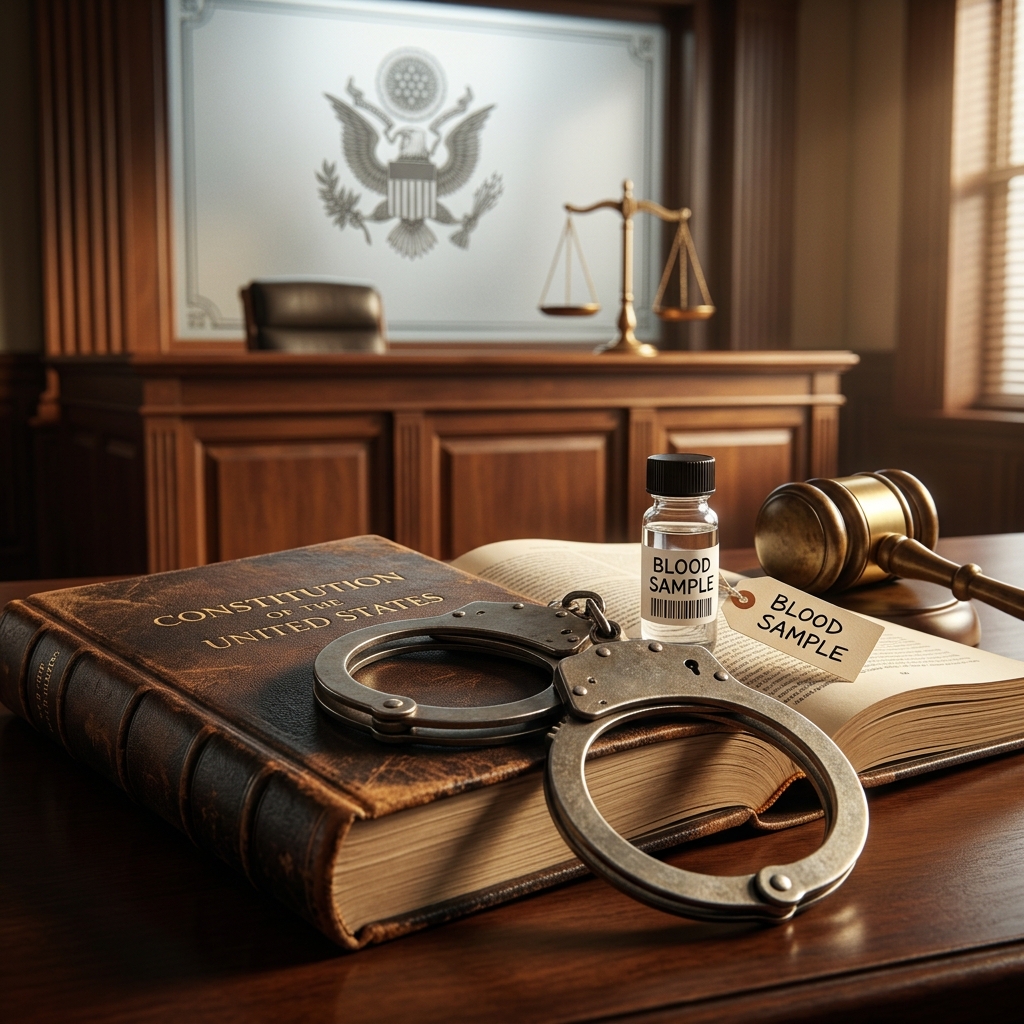
Being stopped or arrested for driving under the influence (DUI) is stressful, but your constitutional rights still apply. DUI cases frequently revolve around how the police treated your rights under the Fourth, Fifth, and Sixth Amendments, and whether any violations occurred during the stop, questioning, testing, or arrest.
This article explains the main protections you have at different stages of a DUI encounter, how those rights are commonly challenged in court, and practical steps you can take to avoid harming your case.
1. Why Constitutional Rights Matter in DUI Cases
DUI charges are serious and can result in jail time, fines, license suspension, and long-term consequences for your record and employment. However, the Constitution limits how the government can investigate and prosecute you.
Key reasons these rights matter in DUI cases include:
- Evidence suppression: If police violate your rights, critical evidence (such as breath test results or statements) can sometimes be excluded from court.
- Case dismissal: In serious cases of unlawful stops or searches, the prosecution may lose enough evidence that the charges must be dropped.
- Fair process: Constitutional rules ensure DUI suspects receive due process and are not convicted using coerced or illegally obtained evidence.
Understanding these protections helps you make better decisions at the roadside and later in the case, and provides a framework for your attorney to challenge improper police conduct.
2. The Fourth Amendment: Limits on Stops, Searches, and Seizures
The Fourth Amendment protects you from unreasonable searches and seizures by the government. In a DUI setting, it governs:
- When police can stop your vehicle
- How long they can detain you
- Whether and how they can search you or your car
- The conditions under which they can arrest you
2.1 Legal Justification for a DUI Traffic Stop
Police generally need at least reasonable suspicion that a traffic violation or crime is occurring before they can stop your vehicle. In a DUI context, examples include:
- Speeding or running a red light
- Swerving or drifting between lanes
- Driving without headlights at night
- Stopping in the road without an obvious reason
There are limited exceptions, such as properly established sobriety checkpoints, where courts have allowed brief stops without individualized suspicion, provided strict constitutional safeguards are followed.
2.2 Duration and Scope of the Traffic Stop
Even when the initial stop is lawful, the police can only keep you for a reasonable amount of time to handle the traffic issue and any related investigation. During that time they may:
- Request your driver’s license, registration, and proof of insurance
- Observe your behavior, speech, and physical condition
- Ask limited questions related to the reason for the stop
If officers extend the stop to run field sobriety tests, call in a DUI specialist, or conduct further questioning, they must have a legitimate basis to suspect impaired driving, not just a minor traffic violation.
2.3 Searches of Your Person and Vehicle
In general, police need either a warrant, a recognized exception, or your voluntary consent to search you or your vehicle. Common Fourth Amendment concepts in DUI cases include:
| Search Type / Basis | How It Applies in DUI Cases |
|---|---|
| Consent search | If you agree to a search, officers typically do not need a warrant. Saying “yes” to “Can I look in your car?” may allow a broad search. |
| Plain view | Police may seize evidence of a crime they can clearly see from a lawful vantage point, such as open alcohol containers or drugs visible on the seat. |
| Automobile exception | With probable cause to believe your vehicle contains evidence of a crime, officers may search without a warrant due to the vehicle’s mobility. |
| Search incident to arrest | After a lawful arrest, police may search you and some areas within your immediate control for safety and evidence. |
Drivers retain the right to refuse consent to most searches. However, a refusal does not prevent searches that are based on other legal grounds, such as probable cause or a search incident to a lawful arrest.
2.4 Consequences of Fourth Amendment Violations
When police conduct an unreasonable stop, detention, or search, your attorney may ask the court to exclude the resulting evidence under the exclusionary rule. This can include:
- Breath or blood test results obtained after an unlawful arrest
- Contraband or open bottles found via an illegal search
- Observations or statements made after an improper stop
Substantial Fourth Amendment issues are often central to defending DUI cases and may significantly weaken the prosecution’s case.
3. The Fifth Amendment: Protection Against Self‑Incrimination
The Fifth Amendment guarantees that no person “shall be compelled in any criminal case to be a witness against himself.” In DUI situations, this translates into the right to remain silent and to avoid being forced to answer incriminating questions.
3.1 What You Must Provide vs. What You Can Refuse
During a DUI stop, you are generally required by law to provide basic identifying information such as your driver’s license, registration, and proof of insurance. Beyond that, you have significant control over what you say.
You may choose not to answer questions that could be used against you, such as:
- “How much have you had to drink tonight?”
- “When was your last drink?”
- “Have you taken any drugs or medications today?”
Politely stating that you wish to remain silent and speak with an attorney exercises this constitutional protection.
3.2 Miranda Warnings and DUI Cases
Miranda rights are warnings police must give before conducting custodial interrogation, meaning questioning someone who is under arrest or otherwise in custody.
Important points for DUI investigations include:
- Miranda warnings are not required during routine roadside questioning before you are formally taken into custody.
- Once you are arrested and officers want to question you further, Miranda warnings are generally required for your statements to be used in court.
- If police fail to give Miranda warnings before custodial interrogation, your statements during that questioning may be excluded.
This distinction means that much of what you say at the roadside may be admissible even if you were never read your rights, because you were not yet legally “in custody”.
3.3 Refusing Field Sobriety Tests and Other Requests
Field sobriety tests—such as walking in a straight line or following a pen with your eyes—are often used to build probable cause for a DUI arrest. In many states, these tests are voluntary, and drivers may legally decline to perform them, although refusal can increase suspicion and may have practical consequences.
Chemical tests (breath, blood, or urine) raise different issues. Many jurisdictions have implied consent laws that treat driving as agreement to post‑arrest chemical testing. Refusing such tests may lead to administrative penalties like license suspension, even if the DUI charge itself is not proven. Specific rules vary by state, so consulting an attorney promptly is crucial.
4. The Sixth Amendment: Right to Counsel in DUI Proceedings
The Sixth Amendment gives accused persons the right to assistance of counsel in criminal prosecutions. In DUI cases, this right becomes especially important because the legal and scientific aspects (breath machines, blood draws, test procedures) can be complex.
4.1 When the Right to Counsel Applies
The right to counsel attaches at critical stages of the criminal process, such as formal charging and court proceedings. However, many states also recognize a right to consult an attorney around the time of arrest, including before making key decisions like whether to take a breath test.
According to one Maryland source, drivers at DUI stops have:
- A Sixth Amendment right to consult counsel in connection with the investigation
- The ability to speak with an attorney before deciding about a breath test in that jurisdiction
Other states take a different approach and may not guarantee immediate access to counsel before test decisions. Because these rules vary significantly by location, local legal advice is essential.
4.2 Denial or Delay of Attorney Access
If law enforcement unreasonably prevents or delays your access to a lawyer once your right to counsel has attached, courts may treat that as a constitutional violation. In some jurisdictions, this can affect whether certain evidence—such as test results or statements—can be used against you.
Examples of problematic conduct can include:
- Refusing to let you call an attorney for an extended period without valid reason
- Continuing to question you after you clearly request a lawyer
- Coercing you to sign forms or make decisions without giving an opportunity to consult counsel
If you believe your access to an attorney was improperly restricted, document what happened as soon as possible and discuss it with your defense lawyer.
5. Common Constitutional Issues Litigated in DUI Cases
DUI attorneys frequently challenge how police handled constitutional rights at various stages of a case. Typical issues include:
- Improper vehicle stop: Was there reasonable suspicion or a valid checkpoint protocol to justify stopping the car?
- Overly long detention: Did officers keep the driver longer than necessary without developing enough cause to expand the investigation?
- Unlawful search: Were the driver and vehicle searched without consent, probable cause, or a valid exception?
- Defective arrest: Did police arrest the driver without sufficient evidence of impairment or violation of DUI laws?
- Failure to provide Miranda warnings: Were incriminating statements obtained during custodial interrogation without proper warnings?
- Denial of counsel: Was the driver prevented from consulting a lawyer once the right to counsel applied, particularly regarding test decisions or formal questioning?
Courts review these claims using established constitutional standards and precedents. Successful challenges can lead to suppression of evidence or, in some cases, dismissal of charges.
6. Practical Tips to Preserve Your Rights During a DUI Stop
While every situation is different, some general practices can help protect your rights if you are stopped for suspected DUI:
- Stay calm and courteous: Avoid arguing or escalating the situation; being respectful does not waive your rights.
- Provide required documents: Hand over your license, registration, and insurance when requested.
- Limit what you say: Answer basic identification questions but avoid discussing alcohol or drug use; you may state that you prefer not to answer potentially incriminating questions.
- Consider whether to consent to searches: You generally have the right to decline consent to vehicle searches, though police may proceed if they have another lawful basis.
- Respect field instructions: Follow lawful orders, such as exiting the vehicle when directed, while still asserting your right to remain silent.
- Request an attorney promptly upon arrest: Clearly state that you wish to speak to a lawyer and do not wish to answer questions without counsel present.
- Document what happened later: After release, write down everything about the stop, tests, and questioning while your memory is fresh and share it with your attorney.
These steps do not guarantee dismissal of charges, but they help preserve issues your lawyer may raise in court and reduce the risk of self‑incrimination.
7. Frequently Asked Questions About DUI and Constitutional Rights
7.1 Do constitutional rights apply even if I’m only suspected of DUI?
Yes. Constitutional protections apply to individuals, not to specific crimes. A person suspected of DUI has the same fundamental rights as someone accused of any other offense. These include freedom from unreasonable searches and seizures, the privilege against self‑incrimination, and the right to counsel.
7.2 Can the police stop my car without any reason?
Ordinarily, police must have at least reasonable suspicion of a traffic violation or criminal activity to stop your car. Exceptions exist for properly regulated sobriety checkpoints, but random, unjustified stops are generally not allowed.
7.3 Do I have to answer questions about drinking or drug use?
No. While you must provide basic identification documents, you do not have to answer incriminating questions about alcohol or drug use. You may respectfully state that you are exercising your right to remain silent and wish to consult an attorney before answering such questions.
7.4 Are field sobriety tests mandatory?
In many jurisdictions, standard field sobriety tests are voluntary, and drivers may decline to perform them, although refusal can increase officers’ suspicion and may influence their decision to arrest. However, implied consent laws often treat post‑arrest chemical tests differently, with penalties for refusal.
7.5 When should I get a lawyer during a DUI case?
You should seek legal counsel as early as possible. The Sixth Amendment right to counsel applies to critical stages of the prosecution, and some states also allow consultation with an attorney before deciding whether to submit to breath testing. Early advice can greatly affect the outcome of your case.
8. When to Seek Professional Legal Help
Constitutional rules in DUI cases are complex and often depend on fine details: timing of the stop, the wording of officer questions, checkpoint procedures, and local statutes. While this article provides general information, it cannot substitute for individualized legal advice.
If you have been arrested or investigated for DUI:
- Contact a qualified criminal defense attorney in your state as soon as possible.
- Bring any paperwork, test results, and notes about the stop to your consultation.
- Ask specifically about possible Fourth, Fifth, and Sixth Amendment issues in your case.
Timely legal assistance improves the chances of identifying constitutional problems early, filing appropriate motions, and protecting your record and driving privileges.
References
- Your Rights At a Maryland DUI Stop — Maryland Criminal Lawyer. 2023-02-10. https://maryland-criminallawyer.com/maryland-dui-lawyer/stops/rights/
- Drunk Driving and Fourth Amendment Issues — LawInfo. 2022-08-15. https://www.lawinfo.com/resources/dui/drunk-driving-and-fourth-amendment-issues.html
- Constitutional Issues in Loudoun County DUI Cases — VirginiaCriminalLaws.com. 2021-11-05. https://virginiacriminallaws.com/loudoun-county-criminal/dui-lawyer/constitutional-issues/
- Your Constitutional Rights Do Not Apply to a DUI — Oklahoma DUI Survival Guide. 2020-09-01. https://www.oklahomaduisurvivalguide.com/oklahoma-dui-know-your-rights/
- Arizona DUI & Constitutional Rights Violations — Arizona Criminal Defense Lawyer. 2019-06-20. https://www.arizonacriminaldefenselawyer.com/blog/5-constitutional-rights-violat/
- What Are Your Rights During a DUI Traffic Stop? — David Hunter Law Firm. 2022-03-30. https://www.davidhunterlawfirm.com/blog/rights-during-dui-traffic-stop/
- Do Our Constitutional Rights Apply When Suspected of DUI? — St. Lucie Criminal Law. 2021-04-12. https://stluciecriminallaw.com/do-our-constitutional-rights-apply-when-suspected-of-dui/
Similar Articles








Read full bio of medha deb




