
Mandatory Condo Insurance Rules in South Florida
Understand master policies, owner coverage, and Florida condo insurance requirements in Miami and Fort Lauderdale.
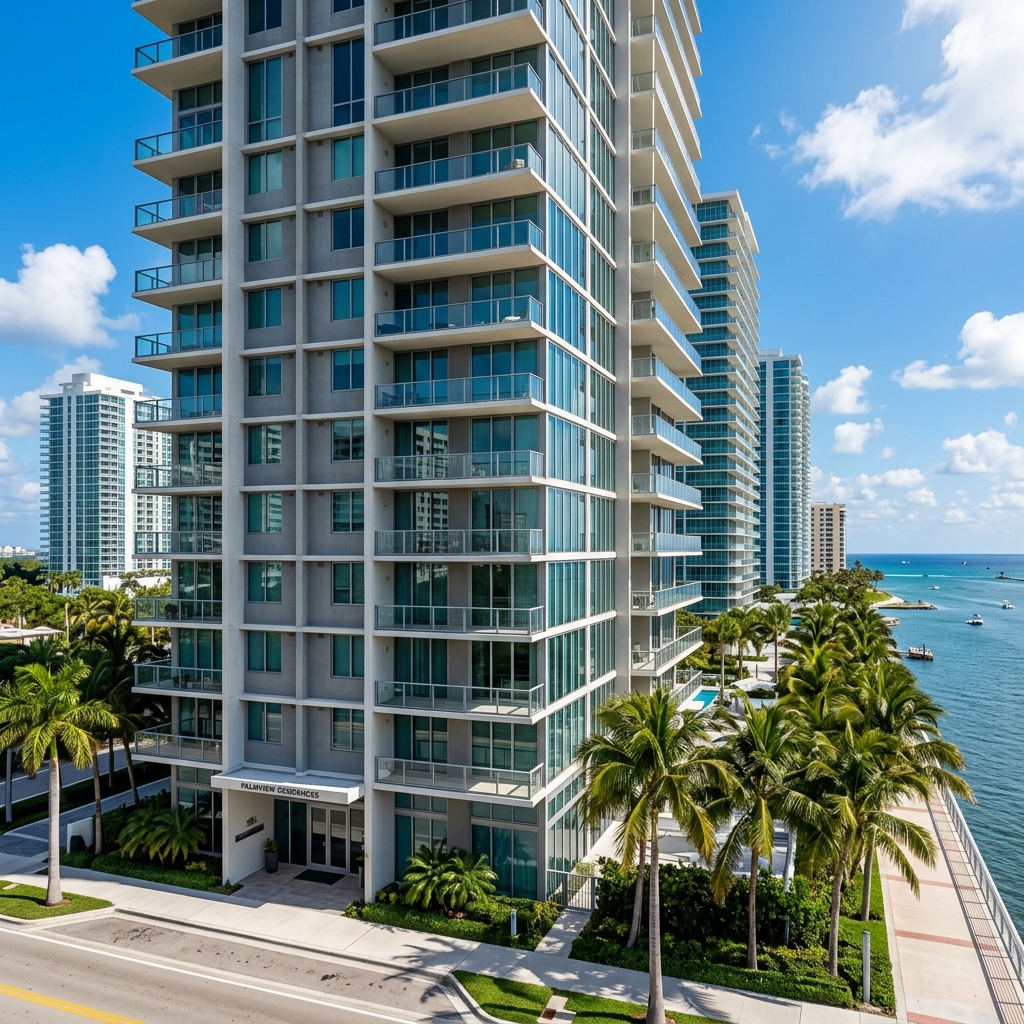
Owning a condominium in Miami or Fort Lauderdale means living in one of the most hurricane‑exposed regions in the United States, and Florida law responds to that risk with detailed insurance requirements for condominium associations. Florida statutes require condo associations to carry a master insurance policy covering the building structure and common areas, while individual unit owners typically need separate policies and may face additional requirements from lenders or the association itself.
This guide explains how mandatory insurance works for condos in South Florida, what the law expects from associations, how master policies interact with individual HO‑6 condo insurance, and what owners should do to stay protected and compliant.
Why Insurance Is So Central to Florida Condo Ownership
Florida’s coastal regions face recurring threats from hurricanes, tropical storms, and heavy rainfall, making risk management a core part of condominium governance. The state’s condominium laws are designed to protect both the physical building and the financial stability of associations, ensuring that repairs and liability claims can be addressed without crippling special assessments or litigation.
In practice, this means two different but related layers of protection:
- Association master insurance for the common property and building structure.
- Individual condo insurance (HO‑6) for interior unit features, personal belongings, and personal liability.
Understanding where one coverage stops and the other begins is essential for owners in Miami and Fort Lauderdale condos.
Florida’s Legal Framework for Condo Association Insurance
Under the Florida Condominium Act, condominium associations must maintain property insurance on the condominium’s common elements and the overall building structure, based on the property’s replacement cost or full insurable value. This requirement is not optional and applies statewide, including high‑rise coastal buildings common in Miami and Fort Lauderdale.
Key aspects of the legal framework include:
- Mandatory master policy: Associations must have a policy that covers the building structure and shared components, typically funded through assessments and operating budgets.
- Coverage standard: Property insurance must be based on replacement cost or full insurable value so that reconstruction after a major loss is realistically funded.
- Compliance with bylaws and statutes: The specific scope of coverage is guided by a combination of state law and the association’s declaration, bylaws, and insurance provisions.
While Florida statutes set minimum requirements, associations may choose to purchase broader coverage to address their particular risks and financial priorities.
What a Condo Association Master Policy Typically Covers
A master policy is the core insurance instrument for a Florida condominium association. It is purchased by the board, paid for via association dues, and designed to insure shared property rather than individual unit contents.
Typical coverage components include:
- Property insurance: Covers damage to the building’s structure and common areas (such as roofs, exterior walls, lobbies, hallways, pools, and clubhouses) from covered perils like windstorms, fire, and vandalism.
- General liability coverage: Provides protection if someone is injured or property is damaged on common property, such as slips and falls in hallways or shared amenities.
- Directors and officers (D&O) liability: Protects board members against certain claims linked to governance decisions, such as disputes over assessments or maintenance.
- Crime or fidelity coverage: Insures association funds against theft or embezzlement by those handling the association’s money.
- Umbrella liability: Adds higher liability limits across multiple underlying policies to address large or catastrophic claims.
- Equipment breakdown coverage: Covers mechanical and electrical systems like elevators, boilers, and pumps if they fail due to covered events.
- Ordinance or law coverage: Helps pay for reconstruction costs needed to meet updated building codes after a loss.
Although this coverage is extensive, it generally does not extend to the interior finishes of individual units or their contents, which is where HO‑6 policies come in.
Owner Insurance: The Role of HO‑6 Condo Policies
Florida law requires associations to insure common elements, but it does not directly compel individual owners to purchase condo insurance; however, lenders and associations often do. The standard policy used by unit owners is known as an HO‑6 policy, designed specifically for condominium and co‑op units.
An HO‑6 policy usually provides the following protections:
- Interior structure coverage: Insures walls, ceilings, floors, built‑in fixtures, and upgrades within the unit that are not covered by the master policy.
- Personal property coverage: Protects belongings like furniture, clothing, electronics, and appliances against loss from covered events, including theft and certain types of damage.
- Personal liability coverage: Pays for damages and legal defense if the owner is legally responsible for injuries or property damage occurring inside the unit.
- Loss of use coverage: Helps cover extra living expenses, such as hotel stays, if the unit becomes uninhabitable after a covered loss.
- Loss assessment coverage: Contributes to the owner’s share of a special assessment levied to pay for a major association insurance claim that exceeds the master policy, such as hurricane damage.
For owners in Miami and Fort Lauderdale, where storms can cause both structural and interior damage, HO‑6 policies are a critical complement to the association’s master coverage.
Lender and Association Requirements for Unit Owners
Even though Florida law focuses on the association’s master policy rather than directly requiring individual unit policies, many condo owners will find that insurance is effectively mandatory in practice due to other rules.
Common scenarios include:
- Mortgage lender mandates: Most lenders require proof of condo insurance (HO‑6) as a condition of closing and will maintain this requirement for the life of the loan.
- Association bylaws and rules: Condo associations may adopt rules that obligate each unit owner to carry a minimum level of HO‑6 insurance, often specifying coverage amounts for liability and interior structures.
- Proof of coverage: Owners may be required to provide an annual certificate of insurance to the association to demonstrate compliance with these requirements.
For buyers in Miami or Fort Lauderdale condos, it is important to review the lender’s terms and the association’s governing documents to avoid unexpected insurance obligations or closing delays.
How Master Policies and HO‑6 Coverage Work Together
The interaction between the association’s master policy and an owner’s HO‑6 policy can be complex, especially when a loss involves both common areas and individual units. In most cases, the master policy responds first to damage affecting the structure and common elements, and the owner’s HO‑6 policy then applies to interior finishes and personal property.
Owners should examine three key questions when coordinating coverage:
- What interior elements are considered part of the unit? Depending on the condominium documents, the master policy may or may not cover items like cabinets, fixtures, or drywall, which affects how much building coverage the owner needs.
- What is the master policy deductible? If the association’s deductible is high, owners could face large loss assessment charges; HO‑6 loss assessment coverage can help address this risk.
- How are special assessments handled? When a hurricane or major event leads to repair costs beyond the master policy limits, the association may levy assessments; owners with loss assessment coverage are better prepared for these charges.
Careful review of the association’s insurance summary and consultation with an insurance agent can help owners avoid coverage gaps.
Insurance Costs and Budgeting for Associations
Insurance is one of the largest budget items for Florida condo associations, especially in coastal areas like Miami and Fort Lauderdale. Industry data indicates that associations may devote 25–35% of their annual operating budget to insurance premiums.
Typical premium ranges, which vary by size and location, include:
| Property Type | Approximate Annual Premium Range |
|---|---|
| Smaller inland properties (under 20 units) | $15,000 – $50,000 |
| Mid‑sized coastal/suburban buildings (40–80 units) | $75,000 – $250,000 |
| Large coastal high‑rises | $300,000 – $2,000,000+ |
For unit owners, these premium costs translate into higher association dues and, potentially, special assessments after severe events. Transparent communication from boards about insurance decisions and risk management can help owners plan their finances and understand the rationale for assessments.
Risk Management Beyond Insurance Requirements
Mandatory insurance coverage is just one part of a broader safety and risk‑management framework for Florida condominiums. Recent legislative changes have emphasized structural inspections, reserve funding, and building recertification to reduce the likelihood of catastrophic failures and underfunded repairs.
Associations in Miami and Fort Lauderdale should consider:
- Milestone inspections: Structural evaluations by licensed engineers or architects to assess building safety and integrity.
- Structural integrity reserve studies (SIRS): Long‑term studies that estimate the costs of maintaining and replacing critical building components.
- Capital improvement planning: Coordinated budgeting and project scheduling to address repairs proactively rather than reactively.
- Early renewal planning: Working with insurance agents well in advance of renewal dates and compiling loss history and property condition data to present the building in the best light to insurers.
In a high‑risk region, these steps complement mandatory insurance requirements and can help stabilize premiums over time.
Practical Tips for Condo Owners in Miami and Fort Lauderdale
Individual owners can take several practical steps to ensure they are properly insured and prepared for the unique risks of South Florida condo living.
- Review association documents: Carefully read the declaration, bylaws, and any insurance summaries to understand what the master policy covers and whether HO‑6 policies are required.
- Confirm lender requirements: If you have a mortgage, verify the minimum insurance coverage and any specific deductibles or endorsements your lender requires.
- Inventory your property: Maintain an up‑to‑date list of personal belongings, including photos and receipts, to support claims under your HO‑6 policy.
- Consider loss assessment coverage: Given the potential for large hurricane claims, loss assessment coverage can be an important protection against unexpected association charges.
- Check exclusions: Condo insurance often excludes flood and certain other risks; owners may need separate flood policies or endorsements depending on the building’s location.
Working with an insurance agent familiar with Florida condominium law can help tailor coverage to the building’s insurance structure and the owner’s risk tolerance.
Frequently Asked Questions About Florida Condo Insurance
Is condo insurance legally required for unit owners in Florida?
Florida law primarily requires condominium associations to maintain property insurance on the building and common elements; it does not directly mandate HO‑6 coverage for individual unit owners. However, mortgage lenders and condo associations often require owners to carry their own policies, making insurance functionally mandatory in many buildings.
What does the association’s master policy not cover?
The master policy generally covers the structure and common areas, but it does not insure personal belongings, interior decor, or many unit upgrades such as custom flooring or high‑end countertops. These items are typically covered under the owner’s HO‑6 policy.
Can a condo association in Miami or Fort Lauderdale require me to buy my own insurance?
Yes. Association bylaws and rules can require unit owners to maintain individual condo insurance with specified minimum limits, and they may require proof of coverage. These rules are separate from state law and are enforceable through association governance mechanisms.
Why is loss assessment coverage important in South Florida?
When a major storm or disaster causes damage that exceeds the master policy limits or falls under a high deductible, associations may levy special assessments on unit owners to cover the shortfall. Loss assessment coverage on an HO‑6 policy helps pay the owner’s share of such assessments, which can be significant in coastal high‑rise buildings.
How do I know how much dwelling coverage I need on my HO‑6 policy?
The amount of dwelling or building coverage for the interior of your unit depends on what the association’s documents designate as your responsibility versus the association’s. A common rule of thumb is to insure the unit’s interior at a percentage of its total value, often around 20%, but owners should verify this with both their insurer and the association’s bylaws.
References
- Mandatory Insurance for Condos in Florida — LegalMatch Law Library. 2024-06-01. https://www.legalmatch.com/law-library/article/mandatory-insurance-for-condos-in-miami-and-ft-lauderdale.html
- Who Needs an HO-6 Insurance Policy? — Anderson Insurance Group. 2024-03-15. https://andersoninsgroup.com/who-needs-an-ho-6-insurance-policy/
- Florida Condo Insurance: Costs and Coverages in 2026 — FirstService Residential Florida. 2026-01-10. https://www.fsresidential.com/florida/news-events/articles/association-insurance/
- Condo (HO-6) Insurance: 2026 Guide — NerdWallet Home Insurance. 2026-02-20. https://www.nerdwallet.com/insurance/homeowners/learn/condo-ho6-insurance
- Condo Insurance Basics — State Farm Simple Insights. 2025-09-05. https://www.statefarm.com/simple-insights/residence/what-is-ho6-insurance
- Condo Insurance Quotes — GEICO Insurance. 2025-08-12. https://www.geico.com/condo-insurance/
- Condominium Insurance: Mandatory “Adequate” Coverage Florida — Instagram summary of Florida condo law update. 2024-11-30. https://www.instagram.com/p/DObFQUSj1vK/
Similar Articles








Read full bio of Sneha Tete




