
School-To-Prison Pipeline: 5 Policy Reforms To Dismantle Now
How punitive school discipline, policing, and inequality push children from classrooms into courts—and what real reform can look like.
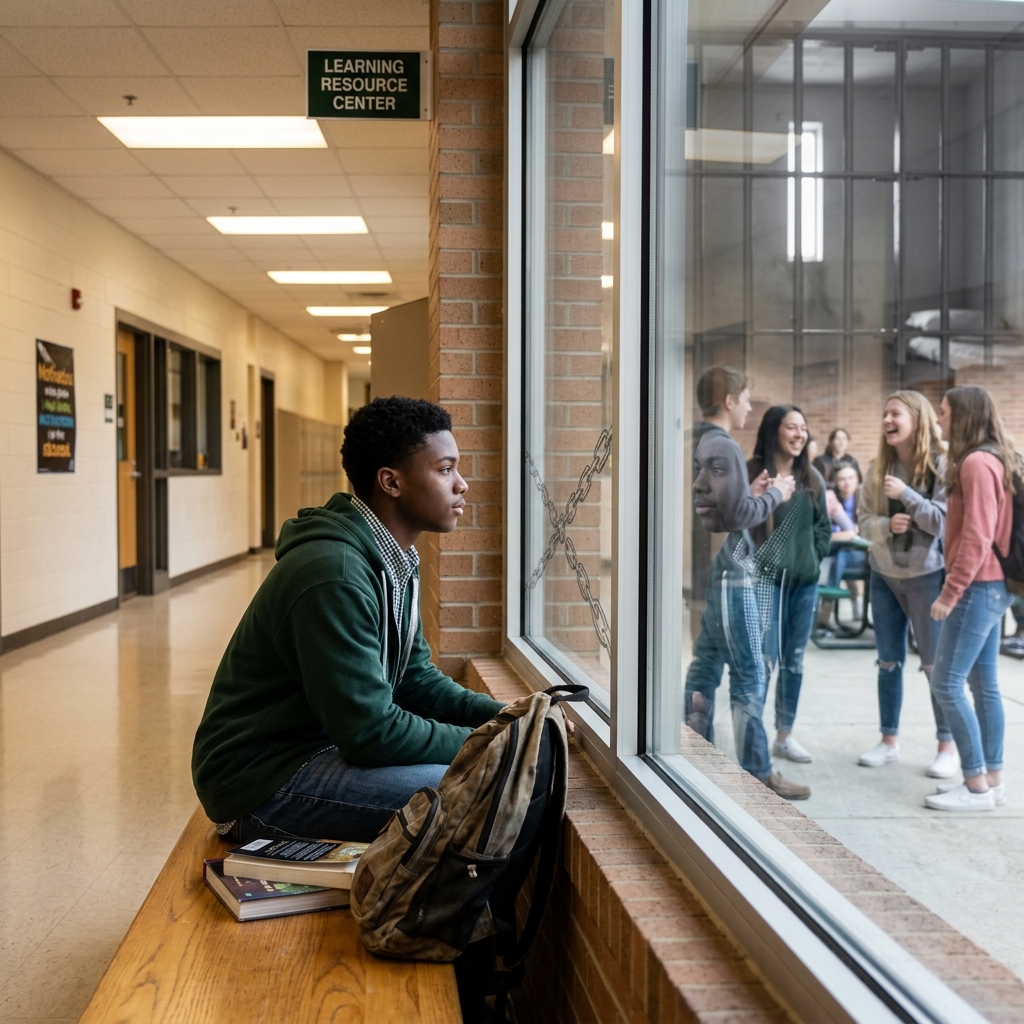
The term school-to-prison pipeline describes a pattern in which school policies and practices increase the chances that children—especially those already facing disadvantage—will end up in the juvenile or criminal justice systems rather than in college, careers, or stable adult life. It is not a single policy but a web of decisions, habits, and structural inequalities that, taken together, push students out of classrooms and into courtrooms.
Understanding the Pipeline: What It Really Means
At its core, the school-to-prison pipeline is about prioritizing control and punishment over education and support. Instead of seeing misbehavior as an opportunity to teach and repair harm, many schools treat it as a threat that must be removed through suspensions, expulsions, and arrests.
- Exclusionary discipline: Practices like out-of-school suspension and expulsion that remove students from the learning environment.
- Zero-tolerance policies: Rules that impose predetermined, often severe consequences for certain behaviors, regardless of context or intent.
- School policing: Increased presence of law enforcement officers on campus and the use of criminal charges for behaviors once handled internally.
- Deep inequality: Under-resourced schools, large class sizes, and lack of counselors and mental health supports, especially in low-income communities.
These elements create an environment where normal adolescent behavior—conflict, rule-breaking, or emotional outbursts—can become the first step on a path toward probation, detention, or prison.
How Harsh Discipline Fuels Contact with the Justice System
Research shows a clear link between exclusionary school discipline and later incarceration. When schools rely heavily on suspensions and expulsions, they unintentionally increase students’ chances of criminal justice involvement.
One longitudinal study using national data found that being suspended between grades 7 and 12 significantly raised the odds of incarceration in young adulthood, even after controlling for prior offending and other risk factors. The researchers concluded that suspension can act as a negative turning point, reshaping a young person’s trajectory toward imprisonment.
Similarly, analyses of large student populations have shown that youth who are suspended or expelled are much more likely to come into contact with juvenile probation than their peers who are not disciplined in this way. Exclusion from school increases the risk of dropping out, which in turn is strongly linked to later incarceration.
| Disciplinary Practice | Immediate Effect | Long-Term Risk |
|---|---|---|
| Out-of-school suspension | Student is removed from class and school activities | Higher odds of later incarceration, increased dropout risk |
| Expulsion | Student is permanently removed from the school | Loss of educational pathway, higher likelihood of justice system contact |
| School-based arrest | Behavior is treated as a criminal matter rather than a discipline issue | Early entry into juvenile justice, possible ongoing system involvement |
What all of these practices share is a focus on removing a student instead of addressing the cause of the behavior, repairing relationships, or building the skills needed to avoid future conflict.
Two Pathways From Classroom to Courtroom
Advocates often describe the school-to-prison pipeline as involving two overlapping pathways that together push youth out of school and toward the justice system.
- Pathway 1: Pushout through exclusion
Frequent suspensions, expulsions, and formal removals from the classroom break students’ connection to school, making it harder to stay engaged, catch up academically, or feel a sense of belonging. When youth are out of school—often unsupervised—they have more opportunities to engage in risky or criminalized behavior.
- Pathway 2: Direct justice system involvement
As police presence in schools increases and zero-tolerance policies expand the range of behaviors treated as threats, youth are more likely to be arrested on campus or referred directly to juvenile court for conduct that once would have led to a meeting with the principal. For older students, a disciplinary incident can be their first direct contact with the justice system.
These pathways are reinforced by systemic factors such as poverty, racial segregation, and lack of access to quality mental health and special education services.
Who Is Most Affected?
The pipeline does not affect all students equally. It disproportionately harms those already facing structural barriers, including students of color, youth with disabilities, and young people living in poverty.
- Racial disparities: In many districts, Black and Latino students are more likely to be suspended, expelled, or referred to law enforcement than white students, even for similar behaviors.
- Disability and special education: Students receiving special education services or living with emotional or behavioral disabilities are often disciplined for manifestations of their conditions instead of being offered appropriate support.
- Poverty and under-resourced schools: Schools in low-income communities frequently have fewer counselors, social workers, and experienced teachers, but greater reliance on police and harsh discipline.
These patterns reflect broader inequities in education and policing, not differences in students’ worth or potential. They show how institutional decisions can amplify existing disadvantage rather than counteract it.
Common Behaviors That Trigger the Pipeline
A striking feature of the school-to-prison pipeline is how often it begins with minor misbehavior. Actions that once resulted in a detention or conversation with a teacher now frequently lead to removal or even arrest.
- Classroom disruptions such as talking back or refusing to follow directions
- Dress code or school uniform violations
- Use of profanity or disrespectful language
- Low-level conflict or scuffling that could be resolved without police intervention
Zero-tolerance frameworks often treat these behaviors as threats to safety, imposing standardized sanctions regardless of context or student history. This approach can escalate relatively small conflicts into incidents with long-term consequences.
Beyond Discipline: Structural Roots of the Pipeline
While discipline policies are central, the pipeline also reflects deeper structural issues in how society funds and supports schools.
Key structural contributors include:
- Inadequate school resources: Insufficient funding for counselors, mental health services, and individualized support leads schools to rely on removal rather than intervention.
- Large class sizes and limited training: Educators with too many students and too little support may default to punitive measures when conflict arises.
- Community-wide inequality: High unemployment, housing instability, and community violence create stress that shows up in the classroom but is rarely addressed directly.
- Criminalization of youth behavior: Laws and policies that treat student misbehavior as a criminal matter blur the line between school discipline and policing.
The pipeline is therefore not only an education problem but also a reflection of broader social priorities: whether governments invest more in punitive systems like jails and prisons or in supportive systems like schools and youth services.
Evidence for Impact: What Research Tells Us
Empirical studies help clarify how school discipline decisions shape life trajectories. A national study using 15 waves of data found that adolescents who were suspended experienced significantly higher odds of incarceration as young adults compared to those never suspended, even after adjusting for prior delinquency and other risk factors. The authors argued that suspension functions as a negative turning point in the life course, altering trajectories toward imprisonment.
Other research and large-scale state studies have found that students who are frequently disciplined are far more likely to encounter juvenile probation than those who are not. These findings, taken together, support the claim that exclusionary discipline is not just a short-term response but a factor that can reshape a young person’s future.
Moving From Punishment to Support: Alternatives That Work
Breaking the school-to-prison pipeline requires rethinking how schools respond to conflict and misbehavior. Many districts and communities are experimenting with restorative and supportive approaches that address harm while keeping students connected to education.
- Restorative practices
Strategies such as restorative circles, mediated conferences, and peer-led restorative courts focus on repairing harm, understanding causes, and rebuilding relationships rather than simply imposing punishment. When implemented well, these practices can reduce suspension rates and improve school climate.
- Positive behavior supports
School-wide frameworks that teach and reinforce expected behaviors, provide targeted support for students with greater needs, and use data to intervene early can reduce reliance on exclusionary discipline.
- Trauma-informed approaches
Recognizing that many students have experienced trauma—such as community violence or family instability—helps educators respond to behavior with understanding and support rather than immediate removal.
- Limits on school policing
Clear policies that restrict the role of law enforcement to genuine safety threats and keep routine discipline in the hands of educators can reduce unnecessary arrests.
These approaches work best when combined with investment in counselors, social workers, mental health services, and professional development for teachers and administrators.
Building a Fairer System: Policy and Practice Recommendations
To dismantle the school-to-prison pipeline, change must occur at multiple levels—from classroom practice to district policy to state law.
- Reform discipline codes
School districts can revise codes of conduct to sharply limit out-of-school suspension and expulsion, especially for minor, nonviolent behaviors, and prohibit vague, subjective categories like “defiance” from triggering removal.
- Eliminate zero-tolerance policies for minor infractions
Policies should allow for context, individual circumstances, and opportunities for restitution instead of mandating automatic harsh consequences.
- Invest in prevention and support
States and districts can prioritize funding for school counselors, psychologists, social workers, and evidence-based behavioral support programs over expanding school security budgets.
- Data transparency and accountability
Public reporting of discipline data disaggregated by race, disability, and other factors allows communities to identify and address disparities.
- Community and student voice
Students and families most affected by punitive policies should have a meaningful role in designing discipline systems, safety plans, and reform initiatives.
Frequently Asked Questions
What is meant by the “school-to-prison pipeline”?
The school-to-prison pipeline refers to the set of school policies and practices that push students, especially those already facing disadvantage, out of classrooms and into contact with the juvenile and criminal justice systems, often through repeated suspension, expulsion, and school-based arrests.
Does one suspension really matter for a student’s future?
Yes. Longitudinal research has found that experiencing a suspension during adolescence is significantly associated with higher odds of incarceration in young adulthood, even after accounting for prior offending. A single exclusion can be a turning point that disrupts learning, damages relationships, and increases exposure to risk.
Are zero-tolerance policies required by law?
In most cases, no. While certain federal and state laws require specific responses to serious offenses, many zero-tolerance policies are local choices that extend harsh, automatic punishments to a wide range of minor behaviors. Districts often have considerable discretion to replace these rules with more flexible, educational approaches.
How do police in schools affect the pipeline?
Increased police presence can lead to more student behavior being treated as a criminal matter rather than a school discipline issue, resulting in higher rates of arrest and referral to juvenile court for conduct that could otherwise be handled internally. This direct channel from classroom to courtroom is a key component of the pipeline.
What can communities do to help dismantle the pipeline?
Communities can advocate for discipline reform, support youth-centered organizations, participate in school boards and local education decision-making, push for transparent data on discipline and arrests, and demand investment in counselors, restorative practices, and supportive services rather than punitive measures.
References
- What Is The School-to-Prison Pipeline? — American Civil Liberties Union. 2013-12-01. https://www.aclu.org/documents/what-school-prison-pipeline
- WHAT IS THE SCHOOL-TO-PRISON PIPELINE? — Anti-Defamation League. 2013-10-01. https://www.adl.org/sites/default/files/what-is-the-school-to-prison-pipeline.pdf
- Exploring the School-to-Prison Pipeline: How School Suspensions Influence Incarceration — Rios et al., Youth Violence and Juvenile Justice. 2021-06-10. https://pmc.ncbi.nlm.nih.gov/articles/PMC8277150/
- School-to-prison pipeline — Overview and context, citing multiple primary sources. 2024-01-15. https://en.wikipedia.org/wiki/School-to-prison-pipeline
- School to Prison Pipeline — Citizens for Juvenile Justice. 2020-05-01. https://www.cfjj.org/school-to-prison-pipeline
- Stopping the School-to-Prison Pipeline — Education Law Center – Pennsylvania. 2019-09-01. https://www.elc-pa.org/stopping-the-school-to-prison-pipeline/
Similar Articles








Read full bio of medha deb




