
Bathroom Breaks in Court: Risks and Realities
Discover how a simple bathroom break during trial can disrupt proceedings, affect strategies, and potentially harm your legal case.
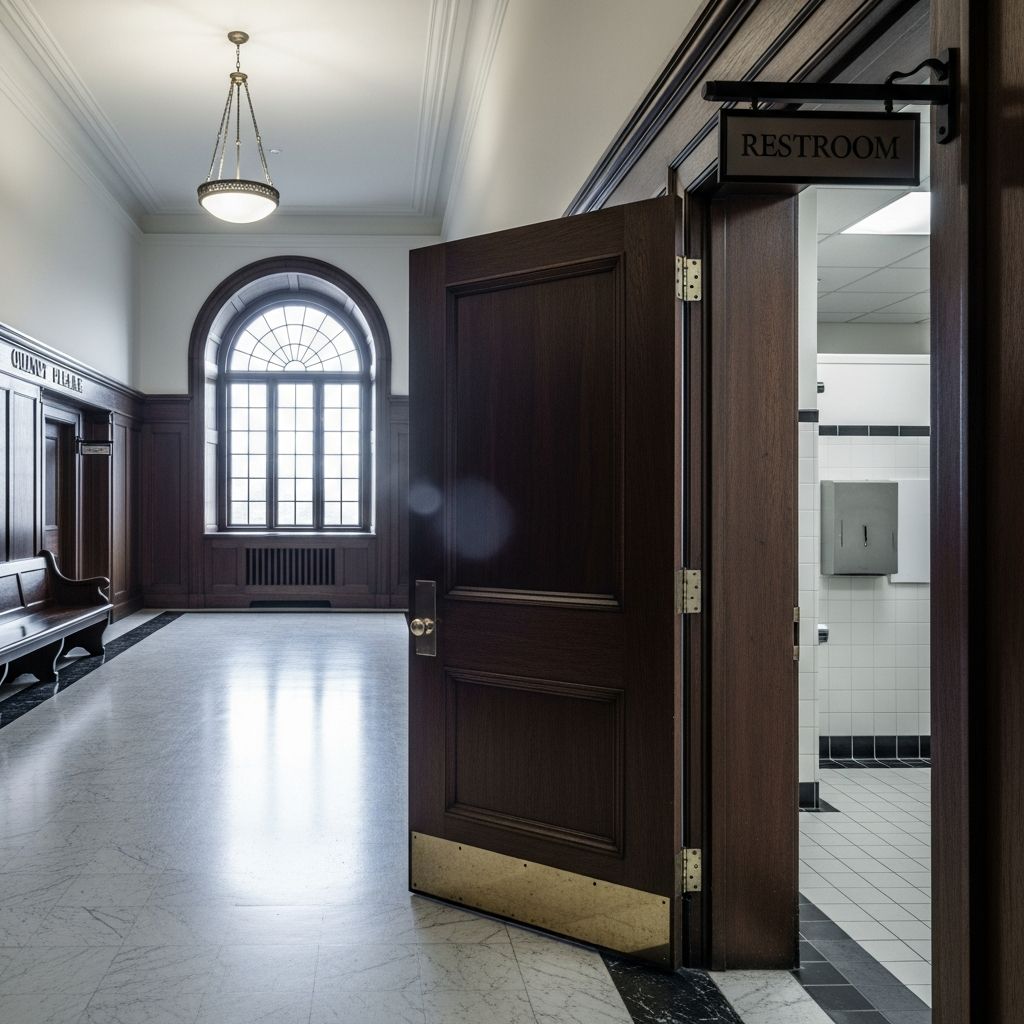
In the high-stakes environment of a courtroom, even basic human needs like using the bathroom can introduce unexpected complications. A request for a break at the wrong moment might interrupt witness testimony, alter juror perceptions, or signal weakness in your position. This article delves into the protocols surrounding restroom breaks during trials, drawing from established legal practices and federal guidelines to help participants navigate these situations effectively.
Understanding Courtroom Dynamics and Break Protocols
Courtrooms operate under strict rules to ensure fairness and continuity. Trials demand undivided attention from all parties, including judges, attorneys, witnesses, and jurors. When someone needs a bathroom break, it triggers a pause in proceedings, but the method of requesting it varies by role. Spectators in public seating areas can often exit quietly without formal permission, as these areas do not halt the trial. However, key participants like jurors or attorneys must seek judicial approval, which stops everything until resolved.
This distinction arises because trials cannot proceed without essential personnel. Jurors, for instance, must hear every piece of evidence to deliberate impartially. An unannounced departure could imply disinterest or prejudice the case. Judges typically accommodate reasonable requests promptly, resuming after a short interval to minimize disruption.
Juror Bathroom Needs: Mandatory Pauses Explained
Jurors represent the community’s voice in justice, so their comfort is prioritized. If a juror raises a hand during testimony, the judge will acknowledge and grant a break, halting cross-examinations or arguments. This ensures no one misses critical information, preserving the trial’s integrity.
- Hand-raising protocol: Discreetly signal the judge without speaking.
- Collective breaks: Multiple jurors requesting simultaneously often leads to a group recess.
- Duration: Typically 5-10 minutes, allowing quick relief without undue delay.
Such interruptions are routine and rarely questioned, as human physiology cannot be ignored. Courts understand that denying basic needs could lead to health issues or juror discomfort, potentially biasing verdicts.
Attorneys and Bathroom Breaks: Strategic Considerations
For lawyers, requesting a break is more nuanced. An attorney mid-questioning a witness might hesitate to interrupt their rhythm, fearing it hands an advantage to opponents. Judges evaluate the timing: a break during intense cross-examination could allow the witness to regroup, weakening the questioner’s momentum.
Judges may deny or defer requests if they suspect tactical maneuvering. For example, if a defense counsel seeks a pause while their witness struggles, the judge might insist on completing the line of questioning first. This prevents abuse of the system for coaching or recovery time.
| Role | Break Request Method | Impact on Trial | Judicial Response |
|---|---|---|---|
| Juror | Raise hand | Full stop required | Usually granted immediately |
| Attorney | Verbal request to judge | Potential strategic pause | Evaluated for timing and intent |
| Spectator | Quiet exit | No impact | No permission needed |
| Witness | Through attorney or judge | Breaks testimony flow | Granted if reasonable |
Potential Risks of Ill-Timed Requests
A poorly timed bathroom break can jeopardize a case in subtle ways. For plaintiffs, it might make their attorney appear unprepared or disorganized to jurors. Defendants could exploit the pause to confer privately, refining responses. In prolonged trials, frequent breaks erode efficiency, frustrating participants and prolonging stress.
Moreover, repeated requests from one side might paint them as undisciplined, influencing juror sympathy. Legal experts note that judges track patterns; excessive interruptions could lead to admonishments or credibility doubts. In extreme cases, perceived gamesmanship might prompt sanctions, though rare for genuine needs.
Workplace Parallels: Lessons from Labor Laws
Courtroom break rules echo broader employment regulations. The Fair Labor Standards Act (FLSA) mandates compensation for breaks under 20 minutes, viewing them as work time since employees remain on duty. Similarly, OSHA prohibits unreasonable restroom restrictions, evaluating factors like delay duration, medical needs, and health impacts.
In a landmark case, a company faced penalties for docking pay on short bathroom visits, affirming that even two-minute breaks are compensable. Courts ruled against policies logging off workers for restroom use, emphasizing efficiency and health. Wisconsin law further requires 30-minute unpaid meals, with shorter periods paid if employees can’t leave premises.
These principles inform courtroom etiquette: just as employers can’t overly monitor or restrict access, judges balance human needs with procedural flow. Violations in workplaces have led to multimillion-dollar liabilities, underscoring the legal weight of break rights.
Health Implications of Delayed Access
Denying or delaying bathroom breaks poses health risks, from urinary tract infections to kidney strain, particularly for vulnerable groups like the elderly or pregnant individuals. Full bladders distract workers, increasing injury risks—a concern in high-pressure trials where focus is paramount.
OSHA advises case-by-case assessments, considering medical conditions and reported effects. In trials, judges accommodate such needs to avoid appeals on fairness grounds. Insufficient access contributes to incontinence and bowel issues, amplifying long-term consequences.
Best Practices for Managing Breaks Effectively
To minimize risks, plan ahead. Attorneys should hydrate strategically, using natural lulls like objections or evidence transitions for requests. Jurors can time signals during less critical moments. Witnesses prepare with counsel for seamless pauses.
- Pre-trial preparation: Discuss break strategies with your team.
- Timing awareness: Avoid peaks in testimony intensity.
- Communication: Use polite, urgent phrasing: “Your Honor, may we have a brief recess?”
- Health documentation: Present medical notes for frequent needs.
Courts increasingly adopt technology like juror questionnaires to flag issues early, reducing mid-trial disruptions.
Frequently Asked Questions (FAQs)
Can spectators leave for the bathroom without permission?
Yes, those in public gallery seats can exit quietly without stopping proceedings, as they are not essential participants.
What if multiple jurors need breaks simultaneously?
The judge typically grants a group recess, ensuring all return before resuming to maintain equity.
Can judges deny attorney bathroom requests?
They can defer if suspicious of tactics, but genuine needs are accommodated after completing the current segment.
Are there federal laws protecting courtroom breaks?
No direct laws, but FLSA and OSHA guidelines on short breaks influence judicial discretion for fairness.
How long do courtroom bathroom breaks last?
Usually 5-15 minutes, depending on the judge and trial stage, to balance needs and efficiency.
Strategic Insights for Litigants and Lawyers
Experienced attorneys view breaks as double-edged swords. Use them to regroup, but avoid over-reliance. In one federal appeals case, a publisher paid damages for unpaid short breaks, reinforcing the 20-minute rule under FLSA—a principle judges apply analogously in trials.
For defendants in personal injury suits, a plaintiff’s ill-timed break might humanize them, swaying empathy. Conversely, defense interruptions during plaintiff testimony could seem obstructive. Master timing to turn potential pitfalls into advantages.
In medical malpractice or wrongful death cases, where emotions run high, breaks prevent fatigue-induced errors. Judges monitor for abuse, as in instances where counsel sought pauses to coach floundering witnesses, leading to deferred grants.
Modern Court Adaptations and Future Trends
Post-pandemic, some courts implement hybrid protocols, like scheduled recesses or juror relief stations. Technology aids with silent signaling apps in select venues. As awareness grows of health impacts, expect more accommodating policies, mirroring OSHA’s push against restrictions.
Litigants should consult local rules; federal vs. state courts vary slightly. Preparation remains key—treat breaks as tactical elements, not emergencies.
References
- Can You Take a Bathroom Break during the Trial — RMFW Law. Accessed 2026. https://rmfwlaw.com/firm-news-resources/legal-terminology/can-you-take-a-bathroom-break-during-the-trial
- Unpaid bathroom breaks? Clearly a bad – and illegal – idea. — Hawks Quindel. 2013-07 (updated relevance affirmed). https://www.hq-law.com/attorneys/larry-johnson/unpaid-bathroom-breaks-illegal/
- Bathroom Breaks: Can Employers Monitor Your Time? — GovDocs. Recent access 2026. https://www.govdocs.com/can-employer-legally-monitor-time-spend-bathroom/
- OSHA Laws for Bathroom Breaks in the Workplace — OSHA.com. Recent access 2026. https://www.osha.com/blog/osha-bathroom-break-laws
- Practical Advice: What To Do About Coffee and Bathroom Breaks — Bressler, Amery & Ross, P.C. Recent access 2026. https://www.bressler.com/publication-302
- Restroom Break Laws — OSHA Education Center. Recent access 2026. https://www.oshaeducationcenter.com/articles/restroom-breaks/
Similar Articles








Read full bio of medha deb




