
Alcoholic Slushies: Legal Rules, Licensing, Packaging In 2025
A clear look at when frozen alcoholic drinks are allowed and what rules govern them.
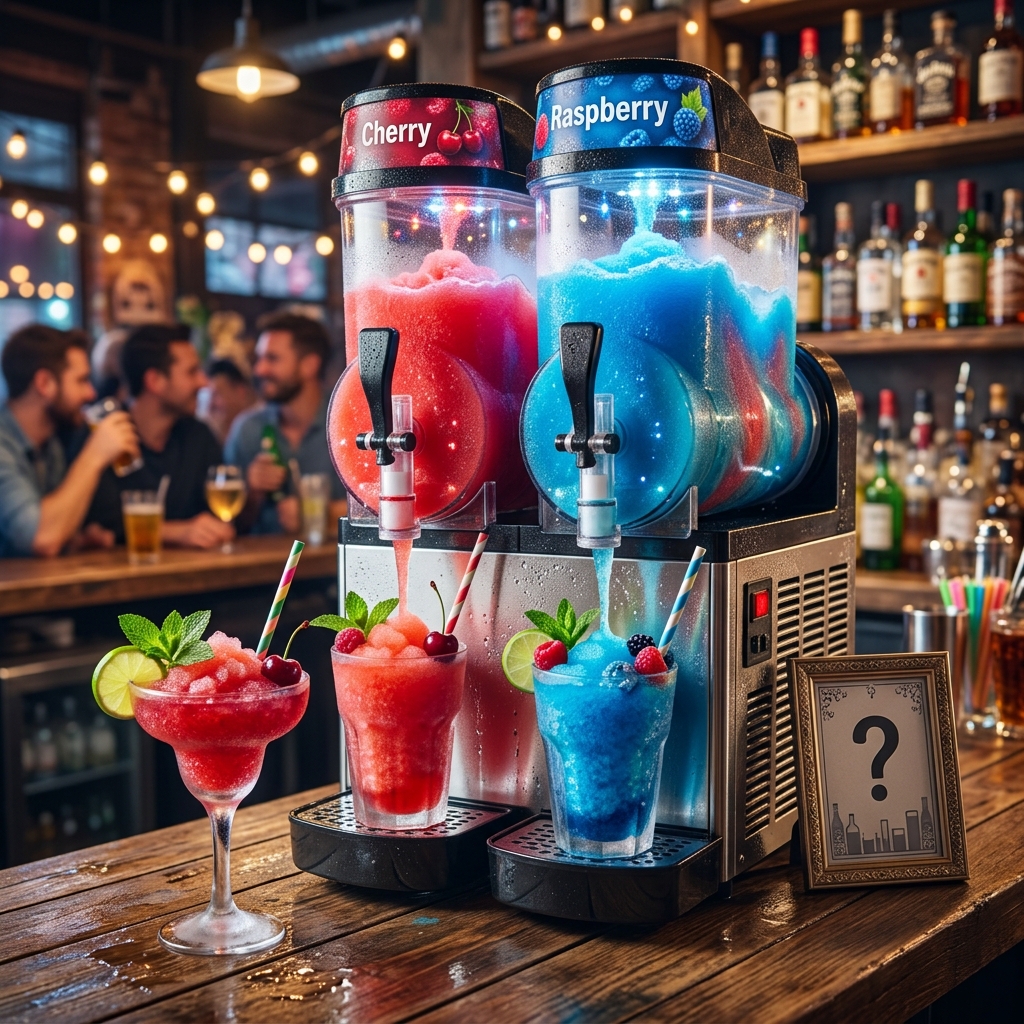
Alcoholic slushies sit in a strange legal space: they are part frozen drink, part regulated alcohol product, and part local policy puzzle. In some places, they can be sold if the seller follows specific licensing, packaging, and sanitation rules. In others, they may be prohibited outright or limited to certain license types and sales formats. State alcohol agencies make clear that the answer usually depends on what the drink contains, who is selling it, and how it is packaged.
For consumers, the issue is usually simple: can you buy one and take it home? For businesses, the issue is more complicated. A frozen alcoholic drink may trigger rules about beverage alteration, sealed containers, off-premises consumption, food permits, machine cleaning, and labeling. The practical takeaway is that the legality of alcoholic slushies is not governed by a single nationwide rule; it depends on the state liquor code and related health and licensing requirements.
Why Frozen Alcohol Drinks Create Legal Questions
Alcohol law often distinguishes between beverages that are sold in their original form and beverages that have been altered after production. That distinction matters because some liquor codes prohibit changing the character of an alcoholic beverage, while others allow certain forms of freezing or packaging if the product remains within defined limits.
Alcoholic slushies also raise concerns about container type and consumption setting. A drink sold in a sealed, resealable container for takeout may be treated differently from one poured into an open cup for immediate consumption. In at least some jurisdictions, the law specifically focuses on whether the drink is sealed and intended for off-premises consumption.
That means the same product can be lawful in one business model and unlawful in another. A beer distributor, for example, may face different rules than a bar or restaurant. Even within one state, the permitted method can turn on how the drink is prepared, whether anything is added to it, and how the final product is sold.
What Usually Makes an Alcoholic Slushie Lawful
Where alcoholic slushies are allowed, regulators generally look for compliance with a handful of recurring conditions. These conditions are not identical everywhere, but several themes appear in official guidance:
- The alcoholic base must be sold by a licensee authorized to sell that type of product.
- The drink may need to remain substantially unchanged except for freezing or chilling.
- The final product may need to be sealed before sale.
- Sales may be limited to off-premises consumption rather than in-store drinking.
- The seller may need to follow sanitation and recordkeeping rules for machines or dispensing equipment.
These requirements matter because alcohol regulators are often less concerned with the novelty of the product than with control, traceability, and public safety. A slushy may be permitted if it is really just a frozen version of a product already allowed under the license. But if the seller mixes in unapproved ingredients, changes the drink beyond freezing, or sells it in a noncompliant container, the product can move outside the rules.
How Licensing Changes the Answer
Licensing is one of the biggest reasons alcoholic slushies are not automatically legal everywhere. Different license categories authorize different conduct. A beer distributor, for instance, may be allowed to sell beer or malt beverages for takeout under particular container rules, while a retail on-premises license holder may have separate authority to prepare frozen drinks for immediate service or carryout.
State guidance from Iowa shows how specific these permissions can become. Iowa allows certain retail alcohol license holders to prepare, package, and sell wine- or beer-based slushy drinks, and it also addresses premixed batches, storage, and sealing for carryout. That kind of guidance demonstrates that the legality of frozen alcohol sales may depend less on the drink’s popularity and more on the exact license held by the business.
By contrast, media reports on Pennsylvania showed a more contested environment, where officials disputed whether slushies were expressly permitted, while industry guidance argued that certain sealed, off-premises products could fit existing rules. That kind of disagreement is common when regulators are interpreting older liquor codes in the face of newer products.
Packaging and Sealing Are Often Central
One of the most important details in the legal analysis is whether the drink is sold in a sealed container. In some guidance, a resealable container is treated as the key feature that helps a frozen drink qualify for lawful off-premises sale.
That is why businesses sometimes place stickers over openings or use containers designed to be closed after filling. The legal theory is that a sealed container is more consistent with takeout alcohol rules and less consistent with on-site consumption or open-container concerns.
This does not mean any sealed cup is automatically legal. The underlying beverage still has to satisfy the relevant alcohol code. But sealing can be a decisive part of showing that the drink is intended for lawful carryout rather than immediate consumption on the premises.
What Sellers Usually Cannot Do
Even where alcoholic slushies are allowed, businesses often face clear limits on how the drink is made. One recurring restriction is that the beverage cannot be materially altered after manufacture. Guidance from industry sources and state-related discussions repeatedly warns against mixing in ice, flavorings, or other ingredients that change the character of the alcohol itself.
In practical terms, that means a seller may be able to freeze a permitted beverage into a slushier texture, but may not be able to blend in extra substances that effectively create a new drink. Regulators tend to care about whether the final product remains within the original approved beverage category.
Businesses also cannot assume that a novelty drink is exempt from ordinary alcohol restrictions. Alcoholic slushies are still alcoholic beverages. That means age-verification rules, responsible-sale obligations, and open-container restrictions may still apply depending on the venue and the state.
Cleaning, Records, and Health Permits Matter Too
Legal compliance does not end with alcohol licensing. If a business uses dispensing equipment to make frozen drinks, sanitation and maintenance rules can also apply. Pennsylvania-related guidance describes cleaning obligations for beverage dispensing systems, including regular cleaning of faucets, lines, valves, and related parts, along with recordkeeping requirements.
Those requirements are not cosmetic. They reflect the state’s interest in ensuring that equipment used for alcohol service is maintained safely and consistently. A business may need to keep written records showing when the equipment was cleaned, who cleaned it, and what method was used.
Some businesses also need a separate health or food permit before selling these products. Guidance notes that sellers may have to contact the Department of Agriculture or their local health department before beginning sales. That means a lawful alcohol permit alone may not be enough if the slushy operation also falls under food-service or public-health regulation.
Why Local Rules Can Be Stricter Than State Rules
Even if a state creates room for alcoholic slushies, local rules and enforcement practices may still narrow what businesses can do. Alcohol law is often layered: state liquor codes establish the baseline, but local health departments, municipal ordinances, and enforcement agencies may add practical limits.
That is one reason businesses are often advised to confirm the rules before launching a frozen-drink offering. A product that appears to fit one state agency’s guidance could still trigger concerns from another regulator if the packaging, machine setup, or sales method is different.
For consumers, this means a frozen alcoholic drink sold in one city may not be available in another. For sellers, it means that copying a competitor’s menu item is not a safe legal strategy unless the same licensing and operational conditions are in place.
A Practical Way to Think About the Rules
The easiest way to analyze alcoholic slushies is to ask four questions:
| Question | Why it matters |
|---|---|
| Who is selling it? | Only certain license holders may be allowed to prepare or sell the drink. |
| What is in it? | Adding ingredients or changing the beverage may make it noncompliant. |
| How is it packaged? | Sealed or resealable containers are often important for legality. |
| Where is it consumed? | Off-premises sale may be allowed when on-premises use is not. |
If a business cannot answer all four questions confidently, it should not assume the slushy is legal. The product may be regulated as a carryout drink, a mixed beverage, a malt beverage, or a food-service item depending on the jurisdiction.
What Consumers Should Watch For
Consumers generally do not need to interpret the liquor code, but they should still be cautious. If a seller offers a frozen alcoholic drink, the container should appear properly sealed, the sale should follow ordinary age-verification procedures, and the product should not be consumed in a way that violates local open-container rules.
Consumers should also remember that a colorful frozen drink can be deceptively strong. Slushies may taste lighter than they are, which can make it easier to consume alcohol quickly. Even when a product is lawfully sold, the usual rules against impaired driving, public intoxication, and underage possession still apply.
When You Should Check With a Lawyer or Regulator
Because the rules vary so much, a business planning to sell alcoholic slushies should check directly with the relevant liquor authority or consult counsel before opening. That is especially important if the business wants to use a new machine, sell takeout drinks, or market the product across multiple locations.
Legal review is also wise if the drink includes more than a single permitted beverage base, if the product is sold in a nonstandard container, or if the seller is operating near the border between alcohol retailing and food service. Those details can change how regulators classify the drink.
Frequently Asked Questions
Are alcoholic slushies legal everywhere? No. Their legality depends on state liquor laws, the seller’s license, the container used, and whether the beverage is altered or sold for off-premises consumption.
Can a business just freeze beer and sell it as a slushy? Not necessarily. Some jurisdictions allow freezing within strict rules, but others prohibit changing the beverage or adding anything beyond the original product.
Does the container have to be sealed? Often yes, or at least that is a common condition in guidance that permits these drinks for takeout.
Do health rules matter too? Yes. Some sellers may need food or health permits, and equipment-cleaning obligations can also apply.
Should a business ask for legal advice before selling them? Yes. Because the rules differ by state and license type, direct legal or regulatory review is the safest approach.
References
- Alcohol Slushies — Malt Beverage Distributors Association of Pennsylvania. N/A. https://mbdapa.org/alcohol-slushies/
- Alcoholic slushies becoming summertime favorite, but are they legal? — FOX43. N/A. https://www.fox43.com/article/news/local/contests/alcoholic-slushies-becoming-summertime-favorite-but-are-they-legal/521-faab12a0-ec3f-45a4-abd3-e7863aaae56b
- Wine or Beer Slushy Drinks — Iowa Department of Revenue. N/A. https://revenue.iowa.gov/permits-licensing/alcohol/license-requirements/wine-or-beer-slushy-drinks
- Are Alcoholic Slushies Legal? — FindLaw. N/A. https://www.findlaw.com/legalblogs/criminal-defense/are-alcoholic-slushies-legal/
- Alcoholic Slushies – New Opportunity for Beer Distributors — RKG Law. N/A. https://www.rkglaw.com/alcoholic-slushies-new-opportunity-for-beer-distributors/
Similar Articles








Read full bio of Sneha Tete




