
Using A Child To Commit A Crime: 5 Legal Risks And Outcomes Now
How family involvement can turn a juvenile offense into a far more serious legal problem.
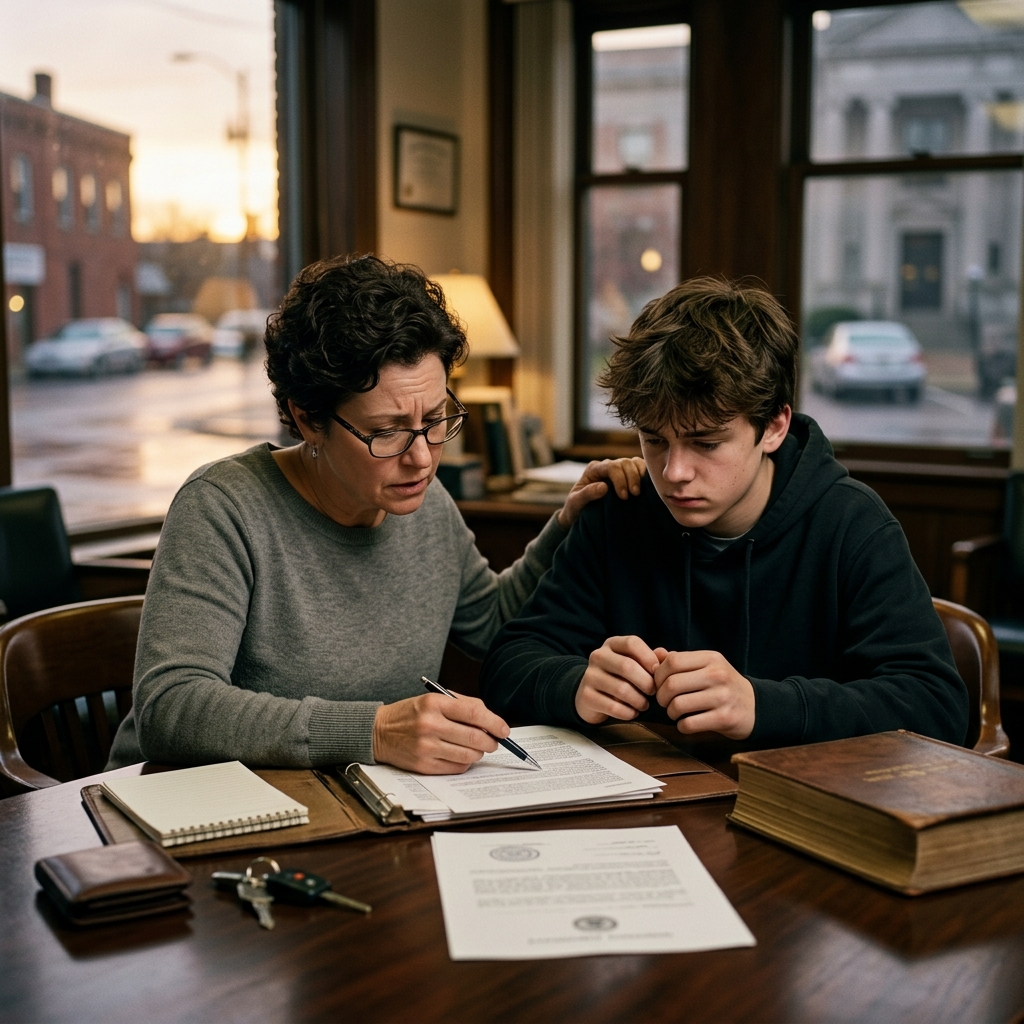
Using a child to commit a crime is not a shortcut around the law. In many situations, it makes the adult’s conduct more serious and can also place the child in the path of juvenile court, family intervention, and lasting emotional harm. The legal system treats children differently from adults, but it does not ignore the fact that a minor was recruited, directed, pressured, or used in a criminal scheme.
This issue arises in many forms. A parent may ask a teenager to shoplift, hide stolen property, transport illegal drugs, or lie to police. In other cases, an adult may exploit a child’s trust, dependence, or fear to help carry out a theft, fraud, assault, or other offense. Even when the adult believes the child will not get caught, the law can still respond aggressively once the conduct is discovered.
Why the law takes child involvement seriously
Children are not simply “small adults” in the criminal justice system. Juvenile law exists because minors are understood to have different levels of maturity, judgment, and decision-making capacity. Research and policy discussions in the juvenile justice field also warn that punitive responses can harm kids who are drawn into misconduct rather than acting independently.
When a child is involved in an offense, courts and prosecutors often look at several questions:
- Did the adult plan, encourage, or direct the conduct?
- Was the child pressured, manipulated, or threatened?
- Did the child understand the nature and consequences of what was happening?
- Did the child act independently, or mainly follow an older person’s instructions?
Those facts matter because they can change the charges, the available defenses, and the likely outcome for both the adult and the minor.
How adults can become criminally exposed
An adult who uses a child to commit a crime may face charges that are separate from the underlying offense. Depending on the facts and state law, prosecutors may allege conspiracy, solicitation, aiding and abetting, child endangerment, neglect, abuse, or corruption of a minor. In some cases, the adult may face enhanced penalties because a minor was involved at all.
The exact charges vary by jurisdiction, but the legal theory is often similar: the adult is blamed not only for the completed crime, but also for exploiting a child to make that crime possible. If the adult occupied a position of trust or authority, such as a parent, guardian, coach, or caregiver, that relationship can make the conduct look even more serious.
Where the child is harmed physically or emotionally, prosecutors may also examine child abuse or neglect laws. State laws differ widely, but child abuse statutes generally punish conduct that causes injury, creates a substantial risk of harm, or reflects intentional mistreatment.
What happens to the child
A child who participates in a crime may still be charged in juvenile court, even if an adult encouraged the conduct. Juvenile courts focus more on rehabilitation than punishment, but the child can still face probation, counseling, community service, restitution, supervision, or placement outside the home in more serious cases.
In some states, older minors can face transfer to adult court for certain offenses, especially serious violent or repeat crimes. That possibility is one reason parents should never assume that a child’s involvement makes the case minor or easy to resolve.
Even when the child avoids formal charges, the family may still face child welfare involvement, school discipline, emergency protective action, or a court-ordered evaluation. A juvenile case can leave records, restrictions, and long-term stress for everyone involved.
Common situations that create legal risk
Child involvement in crime can happen in both dramatic and subtle ways. Some examples include:
- A parent asking a teenager to drive a getaway car.
- An adult using a child to carry hidden property or drugs.
- A caregiver telling a minor to lie about who caused an injury or theft.
- A family member involving a child in shoplifting, burglary, or fraud.
- An adult exposing a child to criminal activity while claiming it is “just helping out.”
The risk is not limited to violent crime. Property offenses, drug crimes, and deceit-based offenses can all become more serious when a minor is recruited into the plan.
How courts look at pressure and manipulation
One of the most important issues is whether the child acted freely. If the child was coerced, threatened, or manipulated, that can change the legal analysis significantly. A defense lawyer may argue that the child lacked true intent, did not fully understand the act, or was overwhelmed by adult pressure.
This matters because criminal liability usually depends on more than simply being present. The prosecution often needs to show knowledge, purpose, or participation. If the child was confused or frightened, the case may be better framed as adult exploitation rather than juvenile criminality.
Courts also pay attention to power dynamics. If the adult was the child’s parent, relative, coach, employer, or authority figure, the child may have been especially vulnerable to pressure. That relationship can be central to both the criminal case and any family court or child protection response.
Possible consequences for the adult
The adult’s exposure can be substantial. A conviction may lead to jail or prison, probation, fines, restitution, mandatory counseling, or loss of custody or visitation rights. If the conduct involved drugs, violence, or repeated exploitation, the consequences may increase further.
In some states, prosecutors may pursue separate charges for endangering a child or contributing to the delinquency of a minor. Even if the adult avoids the most serious charge, the fact that a child was involved can influence charging decisions, plea negotiations, and sentencing.
The adult may also face collateral consequences outside the criminal case, including family court restrictions, child welfare investigations, and reputational damage. If the child was injured or traumatized, civil claims may also follow.
How defense strategy often changes when a child is involved
When a child is used in a crime, defense strategy should focus on the facts that show who controlled the situation. Attorneys often investigate whether the adult planned the offense, whether the child had any real choice, and whether threats or promises were used to secure cooperation.
Typical defense and mitigation themes may include:
- Lack of intent by the child.
- Coercion or manipulation by the adult.
- Absence of meaningful participation by the child.
- Limited understanding due to age or developmental maturity.
- Evidence that the adult was the primary decision-maker.
For the adult, mitigation may be hard to obtain if the facts show deliberate use of a minor. For the child, the best outcome often depends on early intervention, careful handling of police contact, and a plan that emphasizes treatment and supervision rather than punishment.
Why early legal help matters
Families often make mistakes in the first hours after learning that a child may be involved in a crime. They may try to explain things informally, talk to police without advice, or ask the child to tell the story repeatedly. Those steps can create problems later.
A better approach is usually to obtain legal advice quickly, preserve evidence, and avoid casual statements. An attorney can help assess whether the child is a witness, a suspect, or both, and can help determine whether the adult’s conduct raises separate child welfare concerns.
Early representation can also help identify diversion, counseling, probation, or other alternatives that may be more appropriate than detention. Juvenile systems often prefer responses that reduce future harm and support rehabilitation, especially for younger or less culpable minors.
How prevention looks in real life
Prevention is not just about teaching kids to avoid crime. It is also about making sure adults do not place children in illegal or dangerous situations. Families can reduce risk by setting clear boundaries, monitoring adult influence, and refusing requests that would involve minors in secrecy, deception, theft, or transportation of illegal items.
Parents and caregivers should also pay attention to signs that a child is being recruited by an older person. Warning signs may include sudden secrecy, unexplained gifts, pressure to keep secrets, new risky behavior, or a relationship with an adult who seems overly controlling. When those signs appear, prompt action may prevent a criminal case altogether.
What parents and guardians should remember
When a child is used in a crime, the legal system may respond on multiple fronts at once. The adult may face criminal charges, the child may face juvenile proceedings, and the family may face court scrutiny, counseling requirements, or custody-related consequences.
| Issue | Possible legal effect |
|---|---|
| Adult uses child to commit offense | Separate criminal charges, sentence enhancement, or child endangerment allegations |
| Child participates under pressure | Juvenile case may focus on coercion, rehabilitation, or diversion |
| Serious offense or repeat conduct | Possible adult court transfer for the minor in some jurisdictions |
| Child harmed physically or emotionally | Child abuse, neglect, or welfare intervention may follow |
The central lesson is simple: involving a minor in criminal behavior rarely helps anyone. It can deepen legal exposure, damage family trust, and create consequences that last long after the original act is over.
Frequently asked questions
Can a parent be charged for helping a child commit a crime?
Yes. Depending on the facts, the parent may face charges related to conspiracy, aiding and abetting, child endangerment, neglect, abuse, or encouraging juvenile delinquency.
Will the child automatically be treated like an adult?
No. Most minors are handled in juvenile court, but older youth may face adult prosecution for some serious offenses in certain states.
What if the child was pressured or scared?
That can matter a great deal. Coercion, manipulation, and lack of intent may reduce the child’s blame and shift focus onto the adult’s conduct.
What should a family do first?
Get legal advice quickly and avoid making informal statements to police before understanding the risks.
References
References
- Juvenile Law — Wallin & Klarich. 2026-07-09. https://www.wklaw.com/areas-juvenile.html
- Children in Adult Prison — Equal Justice Initiative. 2026-07-09. https://eji.org/issues/children-in-prison/
- Child Abuse Laws — Justia Criminal Law Center. 2026-07-09. https://www.justia.com/criminal/offenses/violent-crimes/child-abuse/
- Just Kids: When Misbehaving Is a Crime — Vera Institute of Justice. 2026-07-09. https://www.vera.org/when-misbehaving-is-a-crime
- What Can You Do If Your Child Was Used by an Adult to Commit a Crime? — Rudnick Law. 2026-07-09. https://www.rudnicklaw.com/blog/what-can-you-do-if-your-child-was-used-by-an-adult-to-commit-a-crime/
- What to do if your child is in trouble with the law? — Rinke Noonan. 2026-07-09. https://www.rinkenoonan.com/resources/what-to-do-if-your-child-is-in-trouble-with-the-law/
Similar Articles








Read full bio of Sneha Tete




