
When Feeding the Homeless Becomes a Crime
How city ordinances, public parks, and constitutional rights collide when volunteers share food with homeless residents in U.S. cities.
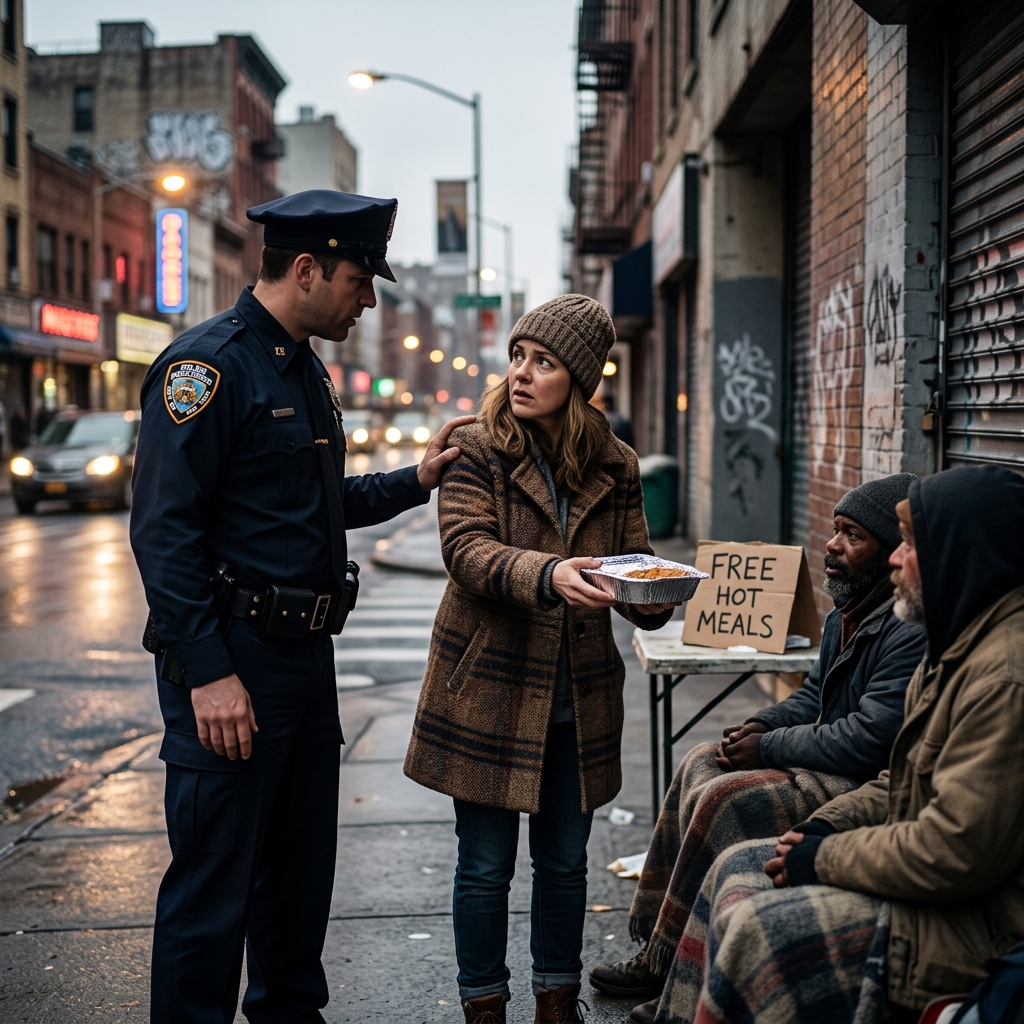
Across several U.S. cities, volunteers have been arrested or cited for doing something most people instinctively view as compassionate: sharing food with homeless individuals in public spaces. These incidents, including a series of arrests in Orlando, Florida, have sparked intense debates over public order, the use of parks, and fundamental civil rights.
This article examines how such arrests happen, why cities adopt these ordinances, and what they mean for constitutional freedoms, advocacy, and the broader struggle against homelessness.
From Charity to Criminal Charge: What Happened in Orlando?
In Orlando, a local chapter of the activist group Food Not Bombs (FNB) and other volunteers began holding regular free meals in downtown parks, primarily serving homeless residents and low-income individuals. The events were peaceful and openly advertised, blending charity with a political message about social spending and priorities.
Orlando officials responded by enforcing a city ordinance that restricts large-group food sharing in downtown parks. Under this law:
- Feeding events that serve more than a set number of people (for example 25) are classified as “large group feedings.”
- Groups must obtain a permit for such events, and can only receive a limited number of permits per park per year (often two).
- Volunteers who conduct additional feedings without a permit can be cited or arrested for violating the ordinance.
After activists deliberately continued feeding events beyond what the ordinance allowed, police arrested multiple volunteers in downtown Orlando parks. The arrests were not for violence, theft, or public intoxication; they were for serving food without complying with permit and frequency limits.
Key Features of the Orlando Ordinance
| Regulated Aspect | Ordinance Approach | Practical Effect |
|---|---|---|
| Location | Applies to specific downtown parks and public spaces. | Central parks with high visibility and homeless presence become regulated zones. |
| Group Size | Targets “large group feedings” above a set threshold. | Regular outdoor soup lines and mass food sharings are restricted. |
| Frequency | Limits permits per park per group per year (such as two permits). | Prevents ongoing, weekly or daily public meals in the same park. |
| Enforcement | Violations treated as misdemeanors, leading to citations or arrests. | Volunteers can face criminal records for nonviolent, charitable activities. |
Local officials defended the law as a reasonable method of managing crowds, sanitation, and neighborhood impacts around downtown parks. Activists, by contrast, framed the ordinance as a deliberate attempt to push homeless people out of central public spaces and suppress visible poverty.
Why Do Cities Restrict Outdoor Food Sharing?
Orlando is not an isolated case. Other cities, such as Fort Lauderdale, Philadelphia, and Houston, have adopted regulations that limit or re-route outdoor feeding programs. Municipal leaders tend to justify these laws with several recurring arguments:
- Sanitation and public health: Officials often cite concerns about trash, food safety, and access to restrooms when large groups gather for meals in parks.
- Use of public space: City governments argue they must balance the interests of homeless residents, local businesses, tourists, and other park users.
- Encampments and concentration of services: Some ordinances seek to prevent regular feedings from transforming a park into a de facto service hub or encampment area.
- Channeling charity through official programs: Leaders sometimes encourage volunteers to partner with shelters or city-sanctioned facilities instead of distributing food in open spaces.
Advocates counter that these justifications often mask a more troubling goal: making homelessness less visible in high-profile neighborhoods rather than addressing its root causes. Research from national advocacy groups documents a wider trend of cities criminalizing basic survival activities (sleeping outside, panhandling, and food sharing) rather than investing adequately in housing and services.
Criminalization and the Impact on Homeless Residents
When outdoor food sharing becomes a regulatory offense, the people most affected are not only the volunteers but the homeless residents who rely on free meals. National reporting has highlighted several consequences:
- Reduced access to food: If groups cut back their events due to fines or fear of arrest, homeless people lose a regular source of nutrition.
- Displacement: Moving feedings away from central parks to remote sites can make access harder for people who lack transportation.
- Stigma and surveillance: Visible policing at meal sites can intensify feelings of shame and mistrust of authorities among homeless individuals.
- Legal vulnerability: Some ordinances can also expose homeless people to citations for loitering, trespassing, or violating park curfews associated with the same spaces.
Public health studies have consistently found that food insecurity is a major challenge for people living without stable housing, and that reliable access to meals is linked to improved health outcomes. Restricting outdoor food distribution without offering adequate alternatives risks worsening already severe deprivation.
Are These Laws Constitutional?
Arrests for feeding the homeless raise complex constitutional questions, especially under the First Amendment (free speech and assembly) and, in some cases, the Free Exercise Clause (religious freedom) of the U.S. Constitution.
Speech, Protest, and Symbolic Expression
Groups like Food Not Bombs describe their actions not just as charity but as political protest against war spending and social inequality. They argue that sharing food in a public park is a form of symbolic speech—akin to wearing an armband or burning a draft card to convey a political message.
U.S. courts have long recognized that conduct can be expressive and thus protected if it is intended to convey a particularized message that observers are likely to understand. The legal debates center on whether restrictions on food sharing are:
- Content-neutral “time, place, and manner” regulations that reasonably manage public spaces without targeting a viewpoint, or
- Disguised attempts to suppress a specific message about homelessness and social policy.
Some federal courts have treated these ordinances as primarily about logistics and upheld them, while others have allowed challenges to proceed when plaintiffs plausibly allege viewpoint discrimination or an excessive burden on expressive conduct.
Religious Freedom Arguments
In other cities, religious organizations and faith-based volunteers have claimed that feeding the hungry is a core part of their religious practice. When they face fines or arrest for outdoor meals, they argue that the government is substantially burdening their free exercise of religion.
Under federal and state religious freedom laws, such as the Religious Freedom Restoration Act (RFRA) where applicable, governments must show that restrictions that substantially burden religious exercise serve a compelling interest and are implemented through the least restrictive means available. Courts have reached varied conclusions about whether park feeding limits meet this standard, often turning on the specific facts of each case.
The Orlando Cases in a National Context
To understand Orlando in context, it is helpful to look at similar incidents elsewhere in Florida and across the country. For example, in Fort Lauderdale, a 90-year-old advocate and two pastors were arrested or cited under an ordinance that restricted public food sharing. That law required:
- Maintaining distance from residential properties.
- Obtaining permits or property-owner consent.
- Providing restrooms or portable toilets at feeding sites.
After significant public backlash and litigation, a Florida court temporarily halted enforcement in some circumstances, prompting negotiations between city officials and advocates. These disputes illustrate how quickly local ordinances can draw national attention when they involve elderly volunteers, clergy, or widely shared images of people being cited for handing out food.
In Orlando, some activists purposefully continued holding feedings in defiance of the ordinance, framing their arrests as an act of civil disobedience intended to highlight the ordinance’s impact on basic human needs. Their strategy drew local and national media coverage and helped connect Orlando’s experience to a broader trend of criminalization of homelessness documented by the National Coalition for the Homeless and other organizations.
Policy Alternatives: Regulating Without Criminalizing
City governments do have legitimate interests in managing health and safety in public spaces. The central question is how to do so without treating either volunteers or homeless residents as criminals. Policy experts and advocacy organizations have proposed a range of alternatives:
- Collaborative permitting: Instead of strict caps, cities can design low-cost, predictable permit processes that coordinate schedules, sanitation, and cleanup with volunteer groups.
- Supportive infrastructure in parks: Providing trash cans, hand-washing stations, and restrooms can address many public health concerns without banning feeding events.
- Co-locating services: Integrating food distribution with outreach for housing, medical care, and benefits enrollment makes events part of a continuum of support.
- Investing in housing-first strategies: Research has shown that providing permanent supportive housing is more effective and cost-efficient than cycling people through shelters, jails, and emergency rooms.
- Decriminalization: Repealing or narrowing ordinances that target survival activities (sleeping, sharing food, sitting in public) shifts the focus from enforcement to assistance.
In practice, some cities have modified controversial food-sharing ordinances after court rulings, public backlash, or changes in political leadership. Others have complemented regulations with increased funding for emergency shelters and long-term housing initiatives.
Practical Guidance for Volunteers and Advocates
For individuals and groups who want to share food with homeless neighbors while minimizing legal risk, several practical steps can be helpful:
- Research local ordinances: Check city codes, parks regulations, and county health rules for any provisions on public food distribution or large events.
- Contact city staff in advance: Speaking with parks or permitting officials can clarify requirements and sometimes lead to cooperative arrangements.
- Partner with established organizations: Collaborating with shelters, food banks, or legal aid groups can provide both infrastructure and advocacy support.
- Document interactions: Keeping records of permits, communications, and any enforcement actions can be important if legal issues arise.
- Consider legal advocacy: Civil liberties organizations and pro bono attorneys may be able to challenge overly restrictive ordinances or enforcement practices.
Ultimately, volunteers who decide to engage in civil disobedience—knowingly violating an ordinance to protest it—should be prepared for the potential legal consequences and seek legal advice beforehand.
Ethical Questions at the Heart of the Debate
Beyond legal arguments and policy details, the Orlando arrests raise difficult ethical questions:
- Should acts of charity in public spaces ever be treated as misdemeanors?
- How should cities balance neighborhood concerns with the survival needs of unhoused residents?
- What message does it send when the state uses handcuffs to stop people from sharing food?
These questions do not have simple answers, but they invite communities to confront the tension between maintaining orderly public spaces and honoring basic human dignity. In many ways, the arrests in Orlando and elsewhere serve as a mirror, reflecting how society chooses to respond to visible poverty: with support, with regulation, or with punishment.
Frequently Asked Questions
Is it illegal to feed the homeless in public everywhere in the United States?
No. There is no nationwide ban on feeding homeless people. Restrictions, where they exist, are created at the city or county level through ordinances and regulatory codes. Some cities have no such limits; others impose permits, location rules, or frequency caps.
Why do some cities arrest volunteers instead of just issuing warnings?
Enforcement practices vary by jurisdiction and even by officer. In cases like Orlando, some volunteers continued their events after repeated warnings as an act of protest, which led police to make arrests under the applicable ordinance. Even when arrests occur, charges are sometimes reduced or dismissed later in court.
Do these ordinances survive legal challenges?
Results are mixed. Some courts have upheld food-sharing regulations as valid time, place, and manner restrictions. Others have found that certain applications or provisions may violate constitutional protections, particularly when they unduly burden expressive conduct or religious exercise. Outcomes often depend on the specific wording of the law and how it is enforced.
How can I find out if there are restrictions in my city?
You can review your city’s municipal code—often available on the official city website—and search for terms like “park regulations,” “special events,” “food sharing,” or “feeding programs.” You may also contact the parks department, city attorney’s office, or local civil liberties organizations for guidance.
What are some constructive ways to help homeless individuals besides public food sharing?
In addition to supporting or organizing meals, people can volunteer at shelters, donate to housing initiatives, advocate for expanded affordable housing, support mental health and substance use treatment programs, and work with legal aid organizations that help homeless clients navigate identification, benefits, and housing processes.
References
- Arrested for Feeding the Homeless in Violation of New Orlando Law — ABC News. 2011-06-09. https://abcnews.go.com/US/arrested-feeding-homeless-orlando/story?id=13802769
- 2 Pastors, 90-Year-Old Man Arrested for Feeding Homeless in Public — FindLaw Legal Blog. 2014-11-05. https://www.findlaw.com/legalblogs/legally-weird/2-pastors-90-year-old-man-arrested-for-feeding-homeless-in-public/
- Feeding the Hungry Is a Crime — In These Times. 2011-06-08. https://inthesetimes.com/article/feeding-the-hungry-is-a-crime
- Homeless Activists Arrested in Orlando — WFTV 9 Orlando. 2011-06-06. https://www.wftv.com/news/homeless-activists-arrested-in-orlando/286671294/
- US Man Arrested for Feeding Homeless — ABC News (Australia). 2007-04-06. https://www.abc.net.au/news/2007-04-06/us-man-arrested-for-feeding-homeless/2236156
- Breaking the Law to Feed the Homeless — The Nation (YouTube summary of report & National Coalition for the Homeless study). 2014-12-04. https://www.youtube.com/watch?v=jGVILBcnjMA
Similar Articles








Read full bio of medha deb




