
Employer Liability for Serving Alcohol at Work Events
How employers can face legal exposure when alcohol is served at work-related functions, and practical steps to reduce those risks.
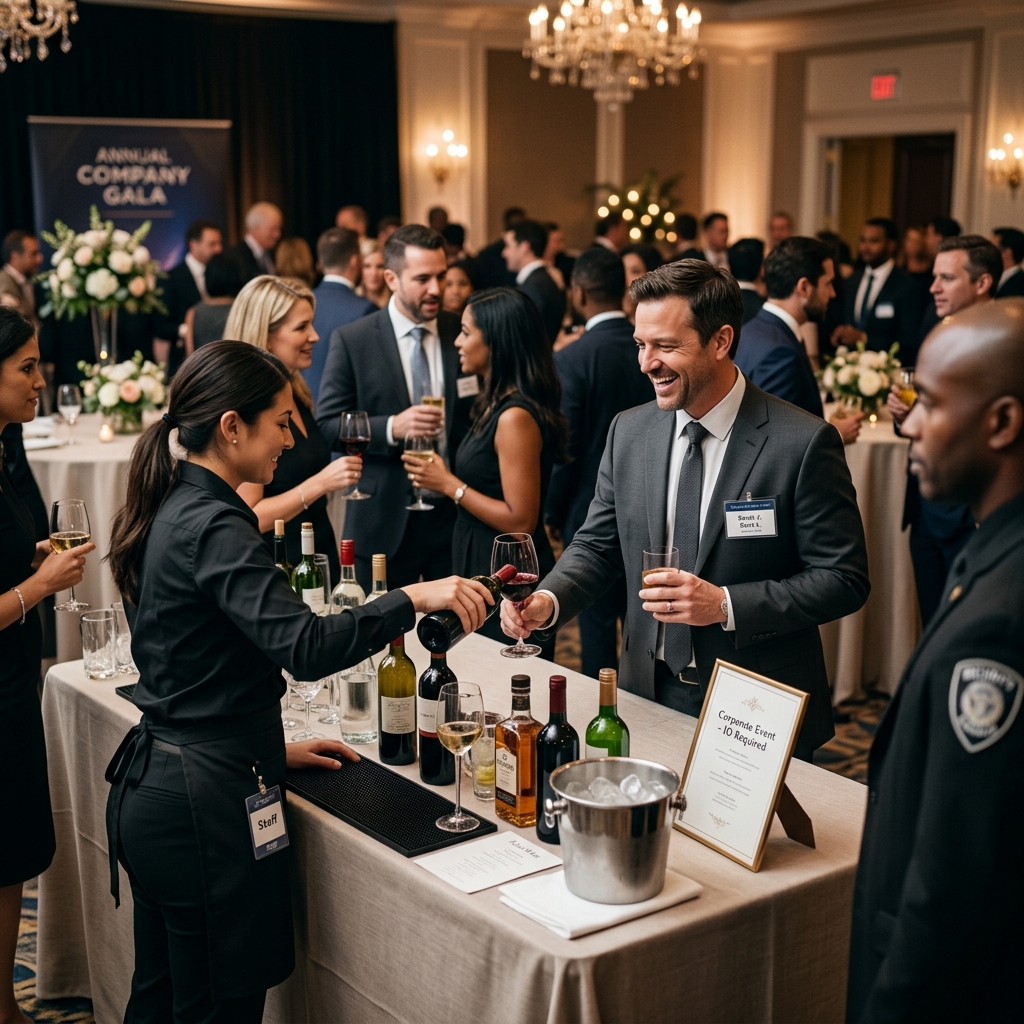
Providing alcohol at company parties, client receptions, or team celebrations can build morale and strengthen relationships, but it also creates significant legal risk for employers. When employees or guests drink too much, an employer may be drawn into lawsuits involving accidents, harassment, or other misconduct that occurs during or after the event. Understanding when liability arises and how to reduce it is essential for any organization that serves alcohol in a work-related context.
Why Alcohol Service Creates Legal Exposure for Employers
Alcohol impairs judgment, slows reaction times, and reduces inhibitions. In workplace-related settings, this can translate into unsafe driving, physical altercations, or inappropriate behavior such as harassment. If the event is connected to work and the employer provides or controls the alcohol, courts and insurers may view the employer as partly responsible for what happens.
- Post-event accidents: Car crashes, falls, or other injuries involving intoxicated employees or guests leaving the event.
- On-site incidents: Fights, property damage, or safety violations during the event itself.
- Misconduct and harassment: Alcohol-fueled comments or touching that lead to harassment, discrimination, or retaliation claims.
In many situations, plaintiffs argue that the employer was negligent in offering or supervising alcohol. This may include failing to prevent service to visibly intoxicated individuals, allowing minors to drink, or not arranging safe transportation options.
Dram Shop Laws and Social Host Liability
Two important legal concepts often shape employer liability for serving alcohol: dram shop laws and social host liability.
Dram Shop Liability
Dram shop laws are state statutes that make businesses that sell or serve alcohol responsible for harm caused by intoxicated patrons, especially when they serve minors or visibly intoxicated individuals. These laws typically apply to bars, restaurants, and other commercial sellers of alcohol, but may also affect employers in certain circumstances.
Key points about dram shop laws:
- They are enacted at the state level, so the scope of liability varies widely by jurisdiction.
- Some statutes extend liability beyond traditional bars to any entity that sells alcohol for money, which can include employers that charge for drinks or tickets at events.
- Liability often focuses on service to minors or to individuals who are obviously intoxicated.
Social Host Liability
Social host liability refers to responsibility imposed on individuals or organizations that host events where alcohol is provided, but who are not primarily in the business of selling alcohol. Examples include company holiday parties, association gatherings, and private celebrations.
In some states, social hosts can be liable for:
- Serving alcohol to people under the legal drinking age.
- Providing alcohol to a person known to be intoxicated when the host knows or should know that the person will drive or engage in dangerous activity.
Several jurisdictions impose liability on employers as social hosts even when alcohol is not sold, especially where minors or clearly impaired guests are involved. The details differ by state, so local legal advice is crucial.
When Employers May Be Held Liable
Not every incident involving alcohol at a work event leads to employer liability. Courts usually look at factors such as who supplied the alcohol, the nature of the event, and whether the employer took reasonable precautions.
Common Scenarios
| Scenario | Potential Liability Considerations |
|---|---|
| Employee leaving a company party gets into a DUI crash | Plaintiffs may argue the employer negligently served alcohol, failed to stop over-service, or did not arrange safe transportation. |
| Minor guest consumes alcohol at an office reception | Serving minors can trigger statutory liability under dram shop or social host laws, even when the host is not a commercial seller. |
| Harassment claim after alcohol-fueled conduct at a holiday party | Employers may face liability under employment and anti-discrimination laws if they did not enforce behavior standards or respond appropriately. |
| Property damage or injuries at the event site | Insurers or courts may treat this as a foreseeable consequence of the employer’s decision to offer alcohol and require adequate precautions. |
Factors Courts Often Consider
- Control over alcohol service: Did the employer purchase and distribute the alcohol, or was it handled entirely by a licensed vendor?
- Nature of the event: Was the event mandatory, strongly encouraged, or purely social and voluntary?
- Policies and training: Does the employer have clear written policies and training around alcohol service and employee behavior?
- Signs of visible intoxication: Were employees or guests obviously impaired while still being served alcohol or permitted to drive?
- Presence of minors: Did underage individuals have access to alcohol and were IDs checked consistently?
Insurance and Risk Transfer Considerations
Liability for alcohol-related incidents is often addressed through insurance, but coverage is not automatic. Employers should review their policies before serving alcohol at events.
- General liability policies: Some policies include limited liquor or host liquor liability coverage, but others specifically exclude claims arising from alcohol service.
- Liquor liability coverage: Businesses that regularly serve alcohol or sponsor frequent events may purchase specialized liquor liability insurance.
- Vendor agreements: When hiring a caterer or bar service, contracts can require the vendor to carry liquor liability insurance and name the employer as an additional insured.
Without appropriate coverage, employers may have to pay defense costs and judgments out-of-pocket for alcohol-related claims. Reviewing policy exclusions and limits before an event is an important risk management step.
Practical Strategies to Reduce Employer Liability
Employers do not need to ban alcohol completely to manage risk, but they should adopt structured, proactive measures. Effective risk management blends policy development, training, event design, and post-event planning.
1. Adopt Clear Written Policies
- Describe when and where alcohol may be served at company-sponsored events.
- Set expectations for professional behavior, including respect, non-harassment, and safety.
- Clarify that drinking is voluntary and that intoxication is not acceptable.
- Incorporate consequences for policy violations.
Policies should be included in employee handbooks, communicated regularly, and applied consistently.
2. Use Professional Alcohol Service
Hiring a licensed bar service or caterer with trained bartenders can substantially reduce risk.
- Professional servers are trained to check IDs and refuse service to minors.
- They are more adept at recognizing signs of intoxication and cutting off service when necessary.
- Vendors typically carry liquor liability insurance and can add the employer as an additional insured.
3. Limit Alcohol Availability
Event design can help avoid over-consumption:
- Issue a limited number of drink tickets per attendee and prohibit transferring tickets.
- Offer an open bar only for a restricted time window and close it during meals.
- Serve a variety of non-alcoholic drinks, aiming for multiple non-alcoholic options for each alcoholic choice.
- Avoid high-alcohol-content specialty drinks or shots.
4. Promote Safe Transportation
Safe transportation is one of the most critical ways to reduce post-event accident risk.
- Encourage the use of taxis, ride-share services, or public transportation.
- Offer ride vouchers or reimburse rides for attendees who have been drinking.
- Arrange shuttle services between the event site and central pickup points.
- Designate sober managers or volunteers who agree not to drink and can assist intoxicated attendees.
5. Monitor the Event in Real Time
Active supervision helps identify issues before they escalate.
- Assign specific managers to remain alcohol-free and oversee the event.
- Empower them to intervene if someone appears intoxicated or is acting inappropriately.
- Encourage early reporting of concerns, such as harassment or unsafe behavior.
Having prepared incident report forms and a clear protocol for response helps document events and demonstrate that the employer acted responsibly.
Special Issues: Minors, Remote Work, and Off-Site Events
Serving Alcohol Where Minors Are Present
Serving alcohol in environments where people under the legal drinking age are present is particularly risky. Many states impose strict liability for providing alcohol to minors, even in social settings. Employers should consider:
- Restricting access to the room where alcohol is served to adults only.
- Requiring professional bartenders to check government-issued photo IDs for all drinkers.
- Clearly marking wristbands or badges for verified attendees of legal drinking age.
Remote and Hybrid Work Gatherings
Virtual happy hours and remote celebrations present emerging questions. If the employer sends alcohol to employees’ homes or reimburses purchases, some of the same principles apply: the event is employer-sponsored and connected to work, so expectations and safety messages remain important. Although case law is still developing, employers should treat remote alcohol-related events with similar caution.
Third-Party Venues and Client Functions
Events hosted at hotels, conference centers, or client premises may involve shared responsibility. Employers should:
- Review contracts with venues and caterers, focusing on indemnity and insurance clauses.
- Confirm that venue staff are trained in responsible alcohol service.
- Still enforce internal conduct standards for employees, even when others serve the alcohol.
Building a Responsible Drinking Culture at Work
Beyond formal legal and insurance protections, organizations can reduce risk by shaping culture. A responsible culture:
- Discourages heavy or competitive drinking at work events.
- Emphasizes that professional standards apply even at social functions.
- Normalizes choosing non-alcoholic options.
- Supports employees who opt out of events where alcohol is served.
Leaders play a key role by modeling moderate or non-drinking behavior, intervening when necessary, and reinforcing that safety and respect matter more than conviviality.
FAQs About Employer Liability for Serving Alcohol
Can an employer be liable if an employee drives drunk after a company party?
In some jurisdictions, yes. If the employer served alcohol to a visibly intoxicated person or failed to take reasonable steps to prevent foreseeable harm, such as helping arrange safe transportation, plaintiffs may argue that the employer was negligent. State dram shop or social host laws, as well as common law negligence principles, determine the scope of liability.
Are employers always responsible for alcohol-related harassment at events?
Employers are not automatically liable, but they can be if they fail to prevent or respond appropriately to harassment, especially when it occurs at work-related functions. Clear behavior policies, training, and prompt investigation of complaints help reduce exposure.
Does using a licensed bar service eliminate employer liability?
Using a licensed provider reduces risk but does not necessarily eliminate it. Courts and insurers may still scrutinize the employer’s decisions about the event, including who was invited, what policies existed, and how unsafe situations were handled. However, a professional vendor with liquor liability insurance can absorb some of the legal and financial exposure.
Is it safer not to serve alcohol at work events at all?
From a strictly risk-management perspective, avoiding alcohol entirely is one of the simplest ways to eliminate liquor-related liability. Several insurance and risk management sources recommend this approach. Many employers instead choose low-risk alternatives such as daytime celebrations, non-alcoholic receptions, or family-friendly events.
What should an employer do immediately after an alcohol-related incident?
Employers should ensure medical needs are addressed, document the incident, notify insurers, preserve evidence (such as witness statements), and consult legal counsel. Having a pre-planned incident reporting process can make this response more effective and demonstrate diligence.
References
- What Is Employer Liability for Serving Alcohol? — LegalMatch. 2023-07-18. https://www.legalmatch.com/law-library/article/employer-liability-for-serving-alcohol.html
- Serving Alcohol at Your Holiday Party — Pennsylvania Labor & Employment Blog (McNees Wallace & Nurick LLC). 2013-12-16. https://www.palaborandemploymentblog.com/2013/12/articles/employer-liability/serving-alcohol-at-your-holiday-party/
- Liquor Liability: Best Practices for Responsible Alcohol Service — Great American Insurance Group. 2021-06-10. https://www.greatamericaninsurancegroup.com/content-hub/loss-control/details/liquor-liability-best-practices-for-responsible-alcohol-service
- Be Aware of Liability When Serving Alcohol at Company-Sponsored Events — ABA Insurance Services. 2021-04-14. https://www.abais.com/blogs/detail/blog/2021/04/14/liquor-liability-at-company-events
- Three Ways to Avoid Liability for Alcohol Served at Association-Sponsored Social Activities — BNR LLP. 2017-03-01. https://bnrllp.com/pawling-public-radio-three-ways-avoid-liability-alcohol-served-association-sponsored-social-activities/
- Limiting Employer Liability During Holiday Celebrations — Tandem HR. 2018-11-20. https://tandemhr.com/employer-liability-holiday-parties/
- Alcohol in Workplace Policy and Employer Liability FAQs — JustAnswer (Employment Law). 2022-05-12. https://www.justanswer.com/employment-law/pzemc-alcohol-workplace-policy-employer-liability.html
Similar Articles








Read full bio of medha deb




