
Driving With an Out-of-State License Across the U.S.
Understand when your out-of-state or foreign driver’s license is valid, when you must switch, and how residency changes your driving rights.
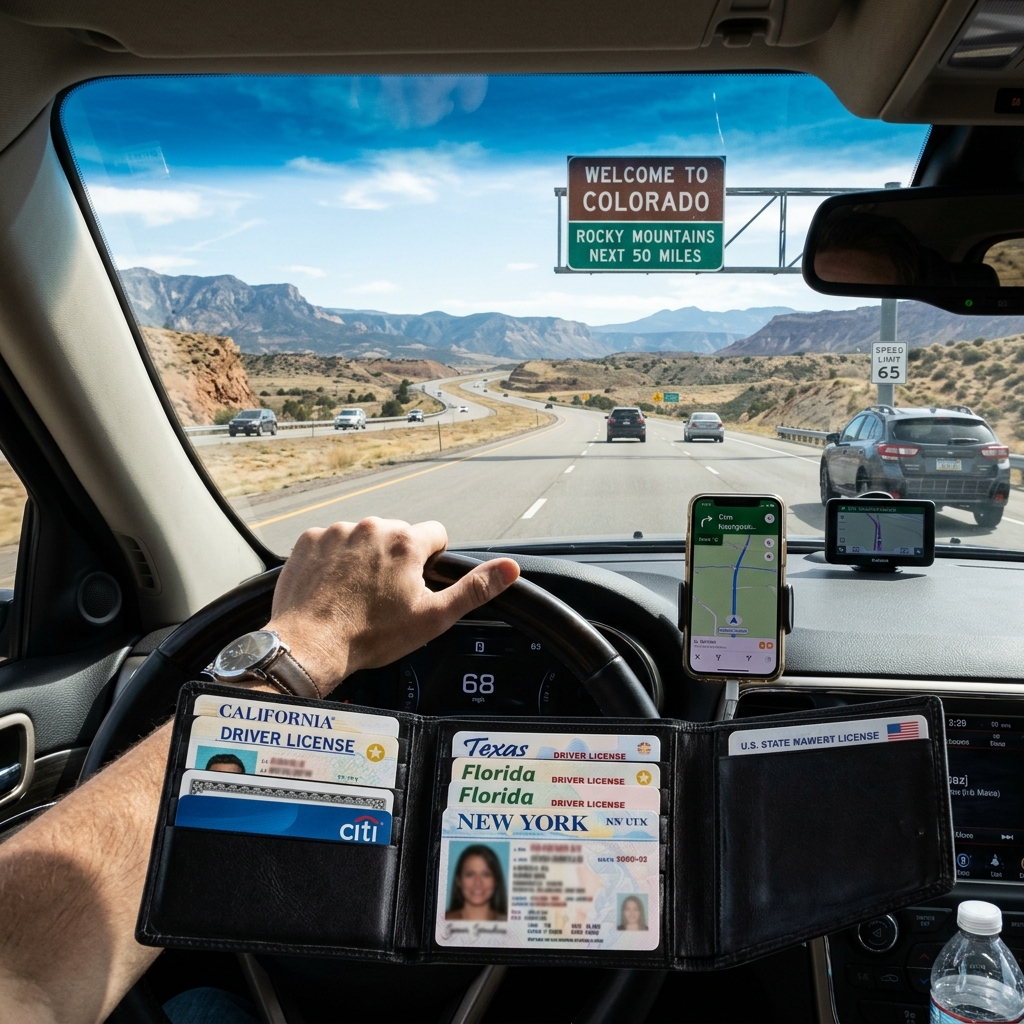
Drivers in the United States frequently cross state lines for work, school, vacations, or permanent moves. Understanding when an out-of-state or foreign driver’s license is valid, and when you must obtain a new license, is essential to avoid tickets, fines, and potential criminal charges.
This guide explains how states generally treat non-resident drivers, what changes when you become a resident, how foreign licenses and international permits fit into the picture, and practical steps to stay compliant wherever you drive.
Core Principle: Reciprocity Between States
Most driving situations in the U.S. rely on a concept called license reciprocity. In simple terms, one state will honor a valid driver’s license issued by another state or country for non-resident drivers.
- Valid license required: Your license must be current (not expired), and not suspended or revoked in the issuing jurisdiction.
- Non-resident status: Reciprocity primarily applies when you are visiting, traveling through, or temporarily staying in a state, rather than living there long term.
- Uniform treatment: A valid license from one U.S. state generally allows you to drive in all other states, subject to local restrictions such as age limits or special rules for learner permits.
As a rule of thumb, if you hold a valid license in your home state and are only visiting another state, you will usually be allowed to drive there without obtaining a new license.
Residency: The Line Between Visitor and Local Driver
The biggest legal shift occurs when you stop being a visitor and become a resident of a new state. Each state defines residency and sets deadlines for new residents to obtain a local driver’s license.
How States Commonly Define Residency
States look at multiple factors to determine whether you have established residency, including:
- Maintaining a permanent home or apartment in the state
- Intending to make that home your fixed and permanent address
- Paying state income or property taxes in that state
- Registering to vote or obtaining in-state benefits
- Enrolling children in local public schools
For example, New York law treats someone who keeps a place of abode in the state for at least ninety days, together with an intent to stay, as a resident for driver licensing purposes. New Jersey similarly expects those who are staying long-term or paying state taxes to obtain a New Jersey license.
Typical Grace Periods to Switch Licenses
Once you are considered a resident, you must usually transfer your out-of-state license within a specific time frame.
| State Example | Grace Period for New Residents | Key Notes |
|---|---|---|
| New York | 30 days to obtain a New York license after becoming a resident | Must apply for a new license; foreign licenses cannot simply be exchanged. |
| New Jersey | 60 days to apply (30 for commercial drivers), or before current license expires | Out-of-state license is surrendered when the New Jersey license is issued. |
| Texas | Up to 90 days to drive on a valid out-of-state license after moving | Afterward you must transfer your license and surrender your old one. |
Elsewhere, many states require you to obtain a local license within 10, 30, or 90 days of establishing residency, while some, like Michigan, require new residents to obtain a state license immediately.
Driving as a Visitor: Short-Term Stays and Travel
If you are visiting a state, your out-of-state license generally remains valid as long as it is current and not revoked. Situations commonly treated as temporary include:
- Business trips lasting days or weeks
- Vacations or seasonal stays, such as renting a beach house for the summer
- Passing through the state on a road trip
- Short-term academic programs without intent to settle permanently
Students often fall into a gray area. Some states, including New York, typically do not treat out-of-state or international students as residents solely because they attend school there; these students can usually continue using their home-state licenses while studying.
Limits on Holding Licenses in Multiple States
Although you can drive in many states with one valid license, you generally cannot hold two state licenses at the same time.
- When you apply for a new license in your new state, you are typically required to surrender your old license.
- States share information through driver databases and can detect attempts to hold multiple licenses.
- Keeping two active licenses may violate state law and can lead to administrative penalties or fraud-related charges in serious cases.
Once you transfer your license, your prior state usually updates its records to show that your previous license is no longer active.
Foreign Driver’s Licenses and International Driving Permits
U.S. states also recognize many foreign driver’s licenses, especially for visitors, but rules vary more than with domestic licenses.
Driving With a Foreign License as a Visitor
Several states allow visitors to drive with valid foreign licenses, sometimes with additional documentation.
- New York: A driver’s license issued by any nation generally allows you to drive in New York as a non-resident; you need a New York license only if you become a resident.
- New Jersey: Foreign visitors are encouraged or required to carry an International Driving Permit (IDP) or a certified English translation along with their national license.
- Texas: Texas recognizes licenses from certain countries and may waive testing for drivers from specific reciprocal jurisdictions (such as France, Germany, South Korea, United Arab Emirates, and Taiwan).
An International Driving Permit does not replace your foreign license; it simply translates it into multiple languages and is used together with the original license to demonstrate your driving privileges more clearly.
Becoming a Resident With a Foreign License
Residents with foreign licenses usually must obtain a local license to keep driving lawfully.
- In New York, foreign licenses cannot be exchanged for state licenses; new residents must apply for an original license, which includes passing a written exam, a pre-licensing course, and a road test.
- In Texas, certain foreign licenses from designated reciprocity countries may allow new residents to skip knowledge and driving tests, but they still must apply for a Texas license and surrender the foreign license as required.
Foreign drivers should plan ahead before moving, gather their driving records, and confirm local requirements with the state’s licensing agency.
Special Cases: Learner Permits and Young Drivers
License reciprocity for fully licensed drivers is common, but learner’s permits and very young drivers face more restrictions.
- New York allows driving with a learner permit issued by another state if the driver is at least 16 years old, the permit is valid outside the issuing state, and New York’s permit restrictions are obeyed.
- Out-of-state permit holders must obey both the rules of the issuing state and the rules of the state they are driving in, including supervision and time-of-day limits.
- Out-of-state learner permits generally cannot be simply exchanged; new residents must apply for a local learner permit and meet the state’s education and testing requirements.
Parents should confirm how a state treats young drivers from other jurisdictions before allowing teenagers to drive across state lines.
Consequences of Driving Without a Valid License
Driving without a valid license, or driving on a license that is no longer valid in that state due to residency rules, can lead to significant consequences.
- Traffic citations: You may receive a ticket for driving without a valid license, resulting in fines and court costs.
- Criminal charges: In some states, repeated violations or driving while suspended can rise to misdemeanor or even felony offenses.
- Insurance complications: An accident while improperly licensed can lead to coverage disputes, rate hikes, or policy cancellation.
- Immigration or employment impacts: For non-citizens or professional drivers, license violations can affect status or job eligibility.
States may also treat a person as unlicensed if they fail to switch their license within the required grace period after establishing residency, even if they still have a valid license from another state.
Practical Steps When You Drive Outside Your Home State
To stay compliant and avoid unexpected problems, consider the following best practices before driving beyond your home jurisdiction:
- Check your license status: Confirm that your license is current and not suspended or revoked.
- Review resident vs. visitor rules: If you will be staying long term, check how the state defines residency and what deadline applies for new licenses.
- Carry supporting documents: Foreign drivers should carry an International Driving Permit or an official translation, plus their national license.
- Understand local traffic laws: Speed limits, insurance rules, and driver restrictions can differ significantly by state.
- Plan for a license transfer: If moving, gather identity and residency documents and schedule your licensing appointment within the grace period.
Frequently Asked Questions
Can I drive in any U.S. state with my home-state license?
In most situations, yes. A valid driver’s license from your state of residence generally allows you to drive in other U.S. states as a visitor, subject to local limits on age, permit status, and vehicle type.
How quickly must I get a new license after moving?
This depends on the state. Many require new residents to obtain a local license within 10, 30, or 90 days of establishing residency. New York’s deadline is 30 days, New Jersey allows 60 days, and Texas provides up to 90 days.
Can I hold driver’s licenses from two different states?
Generally, no. States require you to hold a license only in your state of residence, and when you apply for a new license you are typically required to surrender your previous license.
Is my foreign license valid in the United States?
Many states allow visitors to drive with valid foreign licenses, especially when accompanied by an International Driving Permit or a certified translation. Once you become a resident, you will usually need to apply for a local license within the state’s deadline.
What happens if I miss the deadline to switch my license after moving?
If you continue driving on your old state’s license after the grace period for new residents has passed, the new state may treat you as unlicensed and issue citations or impose penalties for driving without a valid local license.
References
- Driving in New York State — New York State Department of Motor Vehicles. 2024-01-05. https://dmv.ny.gov/driver-license/driving-in-new-york-state
- Driving in New Jersey with an Out-Of-State Driving License — Teper Law. 2011-04-27. https://teperlaw.wordpress.com/2011/04/27/driving-in-new-jersey-with-an-out-of-state-driving-license/
- Moving to Texas: A Guide to Driver Licenses and IDs — Texas Department of Public Safety. 2023-08-15. https://www.dps.texas.gov/section/driver-license/moving-texas-guide-driver-licenses-and-ids
- Your Driver’s License FAQ — Nolo. 2023-05-10. https://www.nolo.com/legal-encyclopedia/your-drivers-license-faq.html
- Can I drive In New York State with an out-of-state driver license? — NYTrafficTicket.com. 2022-03-12. https://nytrafficticket.com/can-drive-new-york-state-state-driver-license/
Similar Articles








Read full bio of Sneha Tete


