
Hit-And-Run Accident: What To Do After A Crash, Expert Guide
Practical steps, legal options, and insurance strategies to protect your health, rights, and finances after a hit-and-run crash.
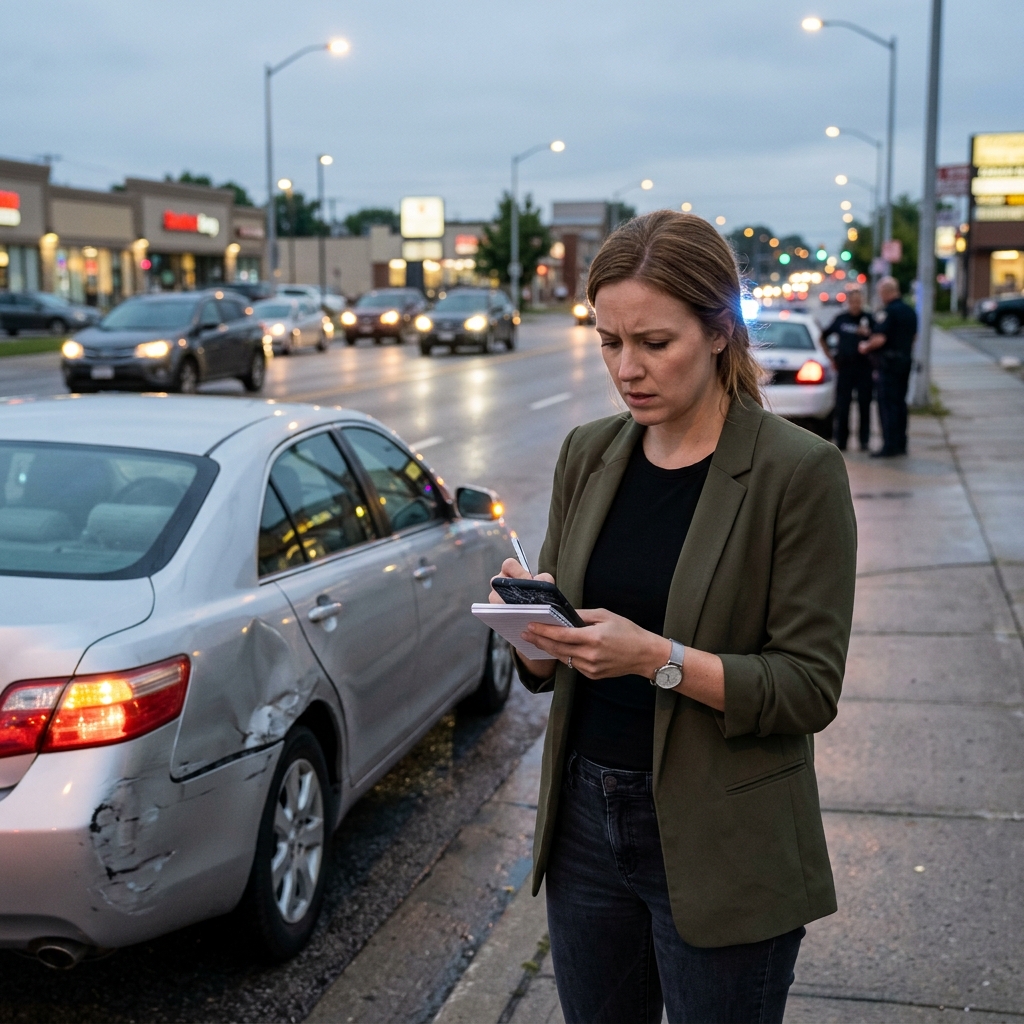
A hit-and-run accident is one of the most stressful types of crashes because the at-fault driver leaves the scene before sharing information or offering help. In most states, leaving the scene of an accident is a crime, and victims are left to deal with injuries, vehicle damage, and insurance questions on their own.
This guide explains, in clear and practical terms, what to do immediately after a hit and run, how to support a police investigation, what insurance coverage may apply, and how to protect your legal rights whether the driver is identified or never found.
Understanding Hit-and-Run Accidents
A crash becomes a hit and run when a driver involved in the collision leaves without fulfilling their legal duties, which typically include stopping, exchanging information, and providing reasonable assistance to anyone who is injured.
| Driver’s Legal Duties (Typical State Laws) | Examples |
|---|---|
| Stop at or near the crash scene | Pull over safely instead of continuing to drive away. |
| Provide identifying information | Share name, address, and vehicle registration; show driver’s license on request. |
| Render reasonable assistance | Call 911, request medical help for injured people, or arrange transportation to a hospital. |
| Report the accident to police when required | Most states require reporting when there is injury, death, or significant property damage. |
When a driver fails to do these things and instead leaves, they may face criminal charges and separate civil liability if they are later identified. For the victim, the situation is complicated but not hopeless. There are still ways to seek compensation through insurance and, when possible, through a lawsuit.
Immediate Safety and Medical Priorities
Your first concern after any crash, including a hit and run, should be safety and medical care. Protecting your health also helps support any future legal or insurance claim.
Step 1: Move to Safety
If your vehicle is drivable and it is safe to do so, move it out of traffic to the shoulder, a nearby parking lot, or another safe location. Turn on your hazard lights and, if available, set out flares or warning triangles to alert oncoming traffic.
Step 2: Call 911
Dial 911 as soon as possible to request both law enforcement and medical assistance if needed. Emergency operators can send police to document the crash and paramedics to evaluate injuries.
- Explain that the other driver left the scene.
- Give your location as precisely as possible (nearby cross streets or mile markers).
- Describe any injuries to you, your passengers, or others involved.
Step 3: Get Medical Attention
Even if you believe you are not seriously hurt, it is important to be examined by a medical professional soon after the crash. Many injuries, such as concussions, whiplash, or internal injuries, may not show immediate symptoms. Medical records created shortly after the accident provide an objective link between the crash and your injuries, which is crucial if you later file an insurance claim or lawsuit.
Critical Actions at the Scene
Once immediate safety and urgent medical needs are addressed, you can focus on actions that protect your legal rights. These steps are important whether the hit-and-run driver is ultimately found or not.
Do Not Chase the Fleeing Driver
Although it may be tempting, attempting to follow or chase the fleeing car can put you and others in even more danger and may hurt your case. You could cause another accident or be accused of reckless driving. Police and investigators are better equipped to track down the other driver.
Record What You Remember
As soon as you can safely do so, write down or record everything you remember about the fleeing vehicle and the crash. Small details can make a big difference in a police investigation. Consider noting:
- Vehicle color, make, and model.
- Approximate license plate number, even if partial.
- Damage to the fleeing vehicle (broken lights, dents, missing parts).
- Direction of travel and any turns taken while leaving.
- Time of day, weather, and road conditions.
Look for Witnesses and Cameras
Witness statements and video footage are often crucial in identifying hit-and-run drivers.
- Ask nearby drivers, pedestrians, or residents if they saw the crash.
- Collect names and contact information of all witnesses.
- Note nearby businesses or homes that might have security cameras or doorbell cameras.
You do not need to collect the video yourself; simply identify where cameras are located and tell the responding officer. Law enforcement may contact those businesses or property owners to request footage.
Photograph the Scene and Damage
Photos and video taken at the scene help preserve evidence and can support later claims. If it is safe and you are physically able, try to capture:
- Multiple angles of damage to your vehicle.
- Debris, skid marks, and vehicle parts left behind.
- Traffic signs, signals, and any road hazards.
- Visible injuries to you or passengers.
This documentation can help investigators reconstruct events and may demonstrate the severity of the impact and your losses.
Working With Law Enforcement
A detailed police report is a core piece of evidence in any hit-and-run case. It serves as the official record of the incident and is often required for insurance claims and legal actions.
Filing and Reviewing the Police Report
When officers arrive, explain clearly that the other driver left the scene and provide all the details you have gathered. Ask how you can obtain a copy of the report later. In some states, you may also have to submit a written report or civilian collision report, especially if police did not respond directly.
Once the report is available, review it for accuracy and report any major errors to the agency. Insurance adjusters, attorneys, and sometimes courts rely on this information when evaluating fault and damages.
Staying Informed About the Investigation
In many jurisdictions, victims have the right to be kept reasonably informed about the status of a criminal investigation and related court proceedings. You can:
- Request a case number from the responding officer.
- Ask which department is handling the investigation.
- Periodically follow up for updates about whether the driver has been identified or arrested.
Keeping track of the investigation can help you and your attorney adjust your strategy—especially if a once-unknown driver is later located.
Insurance Coverage After a Hit and Run
The insurance side of a hit-and-run accident can be confusing, especially when the at-fault driver is not known. However, several types of coverage often come into play.
Notify Your Insurance Company Quickly
Most auto policies require policyholders to report accidents promptly, sometimes within 24–30 days for hit-and-run or “phantom vehicle” claims. Failing to notify your insurer within the required timeframe can jeopardize coverage. When you call:
- State that the crash was a hit and run.
- Provide the police report number once available.
- Share photos, witness details, and medical information you have.
Key Types of Coverage That May Apply
| Coverage Type | What It May Pay For | When It Helps in a Hit and Run |
|---|---|---|
| Uninsured Motorist (UM) | Bodily injuries (medical bills, lost wages, sometimes pain and suffering). | When the at-fault driver is unknown or has no insurance, in states where UM covers hit-and-run incidents. |
| Underinsured Motorist (UIM) | Additional compensation when the other driver’s insurance is too low to cover your damages. | If the driver is found but their liability limits are inadequate. |
| Collision Coverage | Repair or replacement of your vehicle, minus any deductible. | Available regardless of who was at fault, depending on your policy. |
| Personal Injury Protection (PIP) / MedPay | Medical expenses and, in some states, a portion of lost wages, regardless of fault. | Helps pay medical costs after a hit and run whether or not the driver is identified. |
Insurance rules vary significantly by state. Some states allow UM coverage to apply even when the hit-and-run driver is never identified, while others require some physical contact or additional proof. Review your policy and, if needed, consult a lawyer to understand your specific rights.
Your Legal Rights If the Driver Is Found
If law enforcement eventually identifies the hit-and-run driver, two separate processes may unfold: a criminal case brought by the government, and a civil claim or lawsuit brought by you.
Criminal Consequences for the Driver
Hit-and-run laws are usually enforced as criminal offenses, and penalties may become more severe when someone is injured or killed. Penalties can include:
- Fines and court costs.
- Probation or jail time.
- Suspension or revocation of driver’s license.
These consequences are separate from your right to seek compensation for your losses. A criminal conviction is not required for you to pursue a civil claim, though it may strengthen your case.
Civil Claims and Lawsuits
If the hit-and-run driver is identified, you generally have the right to seek damages through:
- An insurance claim with the at-fault driver’s liability insurer, if they carry coverage.
- A civil lawsuit against the driver directly, seeking compensation for injuries and property damage.
Available damages vary but often include medical expenses, future treatment costs, lost income, diminished earning capacity, pain and suffering, and vehicle-related losses. Many states give injured people approximately two years from the date of the accident to file a personal injury lawsuit, although deadlines differ and may be shorter or longer depending on local law.
Your Options If the Driver Is Never Found
Sometimes, despite reasonable efforts, hit-and-run drivers are never identified. In these cases, victims usually must rely on their own insurance and, in some states, special funds or assigned claims plans.
Relying on Your Own Policy
When the at-fault driver is unknown or uninsured, your own coverage becomes the primary source of compensation. Depending on your state and policy, this may include:
- UM coverage for medical losses and other injury-related damages when allowed by law.
- PIP or MedPay benefits for medical bills and related costs, regardless of fault.
- Collision coverage to repair or replace your vehicle.
In some states, if you do not have applicable insurance coverage, you may be able to apply to a state-managed program that assists certain crash victims—for example, an assigned claims plan in no-fault states for those without available insurance.
Dealing With Insurance Adjusters
Insurance companies investigate hit-and-run claims to verify that an accident occurred and to evaluate the value of your losses. You can help your claim by:
- Providing the police report and medical records promptly.
- Sharing photos, witness contact information, and repair estimates.
- Keeping records of all out-of-pocket expenses and lost income.
Be accurate and truthful in all statements. Before giving a recorded statement or accepting a settlement, consider getting legal advice to ensure you understand the full value of your claim.
When to Consult an Attorney
Hit-and-run cases can be more complex than typical car accidents because there is often no identified defendant at the beginning, and insurance coverage disputes are common. Many victims choose to consult a personal injury or car accident lawyer, especially when injuries are serious.
How an Attorney Can Help
- Reviewing your insurance policies to identify all possible coverage.
- Communicating with insurers and protecting you from unfair claim denials or low offers.
- Coordinating with investigators or experts to reconstruct the crash.
- Filing a lawsuit if the driver is located and negotiations fail.
Most personal injury attorneys offer free initial consultations and work on a contingency fee basis, meaning they are paid a percentage of any recovery rather than hourly fees. Ask about fee structures before signing any agreement.
Practical Documentation Checklist
Staying organized will make it easier to pursue compensation. Consider creating a folder—physical or digital—with the following items:
- Copy of the police report and any supplemental reports.
- Emergency room records, doctor notes, and physical therapy documentation.
- Pharmacy receipts and invoices for medical supplies.
- Vehicle repair estimates, towing and rental car receipts.
- Proof of lost wages, such as pay stubs and employer letters.
- Notes about pain levels, missed activities, and emotional effects (a simple recovery journal).
These records can help demonstrate the full impact of the hit-and-run accident on your life, beyond just the immediate repair bills.
Frequently Asked Questions (FAQs)
1. Is a hit-and-run accident always a crime?
In most states, leaving the scene of an accident without stopping, offering help, and exchanging information violates traffic or criminal laws, especially when there are injuries or significant property damage. Specific penalties and classifications (misdemeanor vs. felony) depend on local statutes and the severity of the harm.
2. Can I get compensation if the driver is never found?
Yes, many victims obtain compensation through their own insurance, particularly uninsured motorist coverage, PIP or MedPay, and collision coverage, depending on the state and policy. In some areas, state-assigned claims programs may also help certain uninsured victims.
3. Do I still need to call the police for a minor hit and run?
You should report any hit-and-run accident to law enforcement, even if the damage seems minor. A police report helps document what happened and is often required by insurers for hit-and-run claims.
4. How long do I have to file a lawsuit after a hit and run?
Deadlines, called statutes of limitations, vary by state and by the type of claim. Many states give two years for personal injury lawsuits arising from car accidents, but the timeframe can be shorter or longer and may work differently when no-fault laws apply. Consulting a local attorney quickly is the safest way to avoid missing important deadlines.
5. Will my insurance rates automatically increase after a hit and run?
Rate changes depend on your insurer, your state’s rules, and the specifics of the claim. Some insurers may not surcharge for accidents where you were clearly not at fault, but policies differ. Reporting the incident and cooperating with your insurer is usually necessary to preserve coverage, especially for UM and collision benefits.
References
- Hit and Run Accidents & Legal Options — Justia. 2023-05-01. https://car-accidents.justia.com/types-of-car-accidents/hit-and-run-accidents/
- Hit & Run Accident Lawyer In Cleveland — The Henry Law Firm. 2023-04-10. https://www.erichenrylaw.com/cleveland/car-accident-lawyer/hit-and-run-accident/
- Legal Rights After a Hit-and-Run: A Comprehensive Guide — Gutierrez Law. 2023-06-15. https://gutierrez-law.com/blog/legal-rights-after-a-hit-and-run-a-comprehensive-guide/
- What Can I Do After Being Injured in an Ohio Hit & Run Accident? — Jami S. Oliver & Associates. 2022-11-20. https://jamioliver.com/what-can-i-do-after-being-injured-in-an-ohio-hit-run-accident/
- Understanding the Legal Rights of Hit and Run Accident Victims — Smith & Johnson, Attorneys, P.C. 2022-09-30. https://www.smith-johnson.com/blog/understanding-the-legal-rights-of-hit-and-run-accident-victims.html
- Hit and Run Accident Lawyers | Injury Compensation — HNB Law. 2023-03-18. https://hnb-law.com/car-accident-lawyer/hit-and-run-injury-compensation-in-ohio/
- Hit and Runs: What Are the Laws and What Are Your Rights? — Herrman & Herrman. 2022-08-10. https://www.herrmanandherrman.com/blog/hit-and-runs-what-are-the-laws-and-what-are-your-rights/
Similar Articles








Read full bio of Sneha Tete


