
5 Things Not To Say To A Criminal Judge: Safer Court Phrases And Tips
Avoiding a few critical mistakes when speaking to a criminal judge can protect your rights and keep your case from getting much worse.
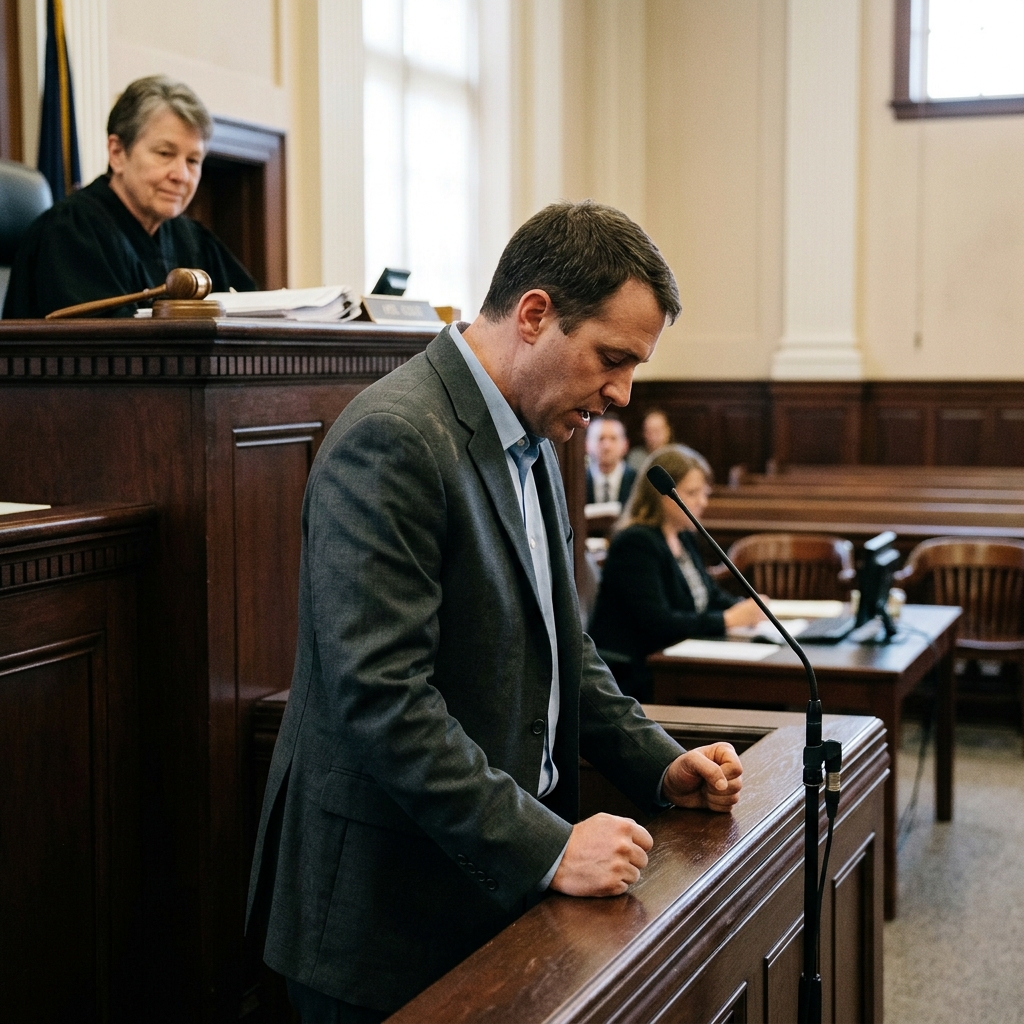
Every word spoken in a criminal courtroom can have consequences, especially when you are speaking directly to the judge. Judges control the pace of the proceeding, interpret the law, and impose sentences. Saying the wrong thing at the wrong time can damage your case, undermine your attorney, or even expose you to new legal problems.
This article explains key statements you should avoid, why they are risky, and how to communicate more safely and respectfully. It is not a substitute for legal advice, but it can help you understand the stakes when you open your mouth in front of a criminal judge.
Why Your Words Matter So Much in Criminal Court
Criminal court is not a casual environment. Proceedings are governed by strict rules of evidence, procedure, and decorum. Judges expect parties to follow those rules and look closely at a defendant’s behavior and attitude when making decisions about bail, plea acceptance, and sentencing.
- Your statements are usually on the record. Hearings are recorded, and what you say can be used later in your case or in other proceedings.
- Judges assess credibility and respect. Disrespectful conduct, excuses, or inconsistent statements can influence how a judge views you and your case.
- Certain statements can create new legal exposure. Confessions, lies under oath, or threats may lead to additional charges such as perjury or contempt of court.
Understanding these risks is the first step toward avoiding self-inflicted damage in front of a criminal judge.
Five High-Risk Statements You Should Avoid
While every case is unique, criminal defense attorneys consistently warn clients about a handful of phrases and themes that tend to cause serious problems in court.
1. Spontaneous Confessions and Casual Admissions
Blurting out, “I did it” or casually admitting part of the crime in front of the judge may feel like honesty, but it can be legally disastrous.
- Unplanned admissions can be treated as evidence. Even if the judge tries to disregard a spontaneous confession, it may still affect how the court views your case.
- You may limit your defense options. Once you have admitted key facts publicly, your attorney has less flexibility in negotiating or contesting the charges.
- Formal pleas are the proper channel. Courts have specific procedures for pleading guilty or no contest. Those procedures are designed to ensure you understand the consequences and that your plea is voluntary and informed.
Safer approach: If you are considering admitting guilt or responsibility, discuss it privately with your lawyer first. Let your attorney guide you through the formal plea process rather than speaking impulsively in open court.
2. Blaming Court Staff, Police, or “Nobody Told Me”
Another common mistake is telling the judge that you missed a requirement because “no one told me,” “the clerk didn’t explain it,” or “the probation officer messed up.” Judges hear these explanations frequently and rarely respond well.
- Judges expect you to take responsibility. Even if a misunderstanding occurred, shifting blame onto court personnel or other officials can appear evasive and disrespectful.
- Excuses do not fix non-compliance. If you missed a deadline, failed to bring a required document, or violated a condition, the issue is still your responsibility to address.
- Blame can erode judicial trust. A judge who perceives you as unwilling to accept responsibility may be less inclined to show leniency at sentencing or when considering bond.
Safer approach: Acknowledge what went wrong and focus on solutions, such as asking respectfully for additional time or clarification. Your attorney can present legitimate reasons or procedural problems in a professional way, rather than you attacking individuals in court.
3. Profanity, Insults, and Aggressive Language
Using swear words, slurs, or hostile comments in a criminal courtroom is not just bad manners; it can have legal consequences.
- Profanity can be treated as contempt. Judges have authority to maintain decorum. Swearing at the judge or others can result in sanctions or even immediate jail time for contempt of court.
- Insults undermine your credibility. Hostility does not help your case and may suggest you lack remorse or respect for the process.
- Nonverbal disrespect also matters. Eye rolling, sarcastic tone, or aggressive body language can send the same negative message as explicit insults.
Safer approach: Address the judge as “Your Honor” and speak calmly, even when you are frustrated. If you feel yourself losing composure, ask your attorney for a brief break rather than lashing out.
4. Lies, Half-Truths, and “Strategic” Misstatements
Some defendants believe they can help themselves by minimizing facts or changing their story. In criminal court, dishonesty is risky and often traceable.
- Lying under oath is perjury. Providing false testimony or intentionally omitting important facts when sworn can lead to separate criminal charges and penalties.
- Judges compare statements over time. Inconsistent accounts given at arrest, arraignment, and later hearings can severely damage your credibility.
- Falsehoods can harm plea negotiations. Prosecutors and judges are less likely to trust a defendant who has been caught lying, which can affect plea offers and sentencing recommendations.
Safer approach: Do not answer questions in court without understanding their implications. If you are unsure how to respond, speak with your attorney before you say anything. It is generally better to say “I don’t recall” when truthful than to guess or fabricate a response.
5. Announcing You Will Represent Yourself Without Preparation
Criminal defendants have a constitutional right to represent themselves, but telling a judge “I’ll represent myself” impulsively can be a serious error.
- Self-representation is complex and high-risk. Criminal procedure, evidence rules, and sentencing laws are difficult to navigate without training.
- Judges may question your understanding. Before allowing you to proceed without a lawyer, many courts ask detailed questions to ensure you grasp the risks. A casual declaration can trigger intense scrutiny.
- You lose the buffer of professional advocacy. When you act as your own lawyer, every misstatement, admission, or disrespectful remark directly affects your case.
Safer approach: If you are unhappy with your representation, raise the issue respectfully with the court or ask about appointing new counsel. Do not abruptly declare you will proceed alone without carefully discussing the consequences with a qualified attorney.
Common Themes: What Judges Expect to Hear Instead
While this article focuses on what not to say, it is helpful to understand what judges generally look for from defendants. Across many jurisdictions, judges are more receptive to defendants who demonstrate certain qualities.
| Risky Communication | Preferred Alternative |
|---|---|
| Blaming staff, probation, or police for missed obligations | Acknowledging what happened and asking for clarification or a chance to correct the problem |
| Angry outbursts, sarcasm, profanity | Calm, respectful language and the formal title “Your Honor” |
| Spontaneous confessions or detailed case discussion | Allowing your attorney to speak and reserving case details for privileged conversations |
| Excuses and minimization of conduct | Taking responsibility where appropriate and expressing genuine remorse |
| Refusing to answer or fabricating responses | Asking to consult counsel, or truthfully saying you do not recall, when permissible |
Practical Communication Guidelines for Defendants
Beyond specific phrases, there are general communication principles that can help you avoid trouble when speaking to a criminal judge.
- Speak only when invited. In most criminal proceedings, your lawyer speaks on your behalf. You should usually talk only when the judge asks you a direct question or your attorney indicates it is appropriate.
- Use formal titles. Address the judge as “Your Honor” or “Judge [Last Name],” never by a first name or informal nickname.
- Keep answers concise and factual. Long narratives or emotional speeches are rarely helpful unless your attorney has prepared you for a specific statement, such as at sentencing.
- Control nonverbal behavior. Courtroom decorum includes body language. Avoid eye rolling, loud sighs, or gestures that could be interpreted as defiance.
- Turn off and put away phones. Using or checking electronic devices in the courtroom is often prohibited and can be viewed as disrespectful.
Special Risk: Talking About the Facts of Your Case
One of the most dangerous things a defendant can do is start explaining the facts of the case directly to the judge outside of trial or without guidance from counsel.
- Informal factual statements may be used against you. Explaining “what really happened” at an early hearing or during a bond argument can create inconsistencies that harm you later.
- Pretrial hearings are not mini-trials. Arraignments and scheduling conferences are typically for procedural matters, not full factual arguments. Judges do not expect you to litigate the entire case in a brief appearance.
- Your lawyer is trained to present facts strategically. Defense counsel decides which facts to highlight, which to concede, and which to contest, based on evidence and negotiation strategy.
Safer approach: If you have questions about how the judge’s orders apply to your situation, you can respectfully ask for clarification without relitigating the facts. For example, “Your Honor, I have a question about the deadline you mentioned” is much safer than launching into a detailed defense narrative.
Frequently Asked Questions (FAQs)
Can I explain to the judge why I think I’m innocent at my first court appearance?
Generally, you should not present a full factual defense at an initial appearance or arraignment. Those hearings are focused on charges, bail, and scheduling, not detailed evidence. Allow your attorney to manage when and how your defense is presented. Speaking extensively about facts too early can create conflicting statements and weaken your position later.
What should I say if I don’t understand something the judge ordered?
If you do not understand a condition or deadline, it is appropriate to ask respectfully. A simple statement such as, “Your Honor, may I ask a clarifying question about the date you mentioned?” is usually acceptable. Avoid arguing about whether the order is fair; focus on understanding it so you and your lawyer can decide how to respond.
Is it always wrong to admit guilt in front of the judge?
Not always. Defendants formally admit guilt when they enter a guilty or no contest plea. The problem arises when admissions are spontaneous, uninformed, or made without counsel’s guidance. Formal pleas follow a structured process to ensure that you know the rights you are waiving and the possible penalties you face.
What happens if I swear or insult someone in the courtroom?
Judges have authority to enforce courtroom decorum and may hold someone in contempt for disruptive or disrespectful conduct. Sanctions can include fines or jail time. Even if the judge does not impose contempt, profanity and insults can influence how the court views your character and remorse.
Should I represent myself if I don’t trust my lawyer?
Self-representation in a criminal case is allowed but strongly discouraged in most situations because of the complexity and risks involved. If you have concerns about your attorney, raise them with the court or seek new counsel, rather than abruptly deciding to proceed alone. Courts and bar associations emphasize the importance of professional representation in criminal matters.
References
- What Are Some Things You Should Never Say to a Judge During a Criminal Trial? — Huffman & Kendrick, PLLC. 2026-04-01. https://www.huffmankendrick.com/blog/2026/04/what-are-some-things-you-should-never-say-to-a-judge-during-a-criminal-trial/
- 5 Things You Shouldn’t Say to a Criminal Judge — FindLaw. 2022-08-10. https://www.findlaw.com/legalblogs/criminal-defense/5-things-you-shouldnt-say-to-a-criminal-judge/
- What Not to Say to a Criminal Judge in Florida — Moses & Rooth Attorneys at Law. 2023-03-15. https://www.mosesandrooth.com/please-avoid-saying-things-criminal-judge/
- Three Things NOT To Say In Criminal Court — Jennifer Witt, Washington State Attorney (video transcript). 2020-09-02. https://www.youtube.com/watch?v=Ipdy8SsYiEY
- What to Say to a Judge at Sentencing — Weeden Law. 2021-11-05. https://www.weedenlaw.com/what-to-say-to-a-judge-at-sentencing/
- Behaviours to Avoid in Court Proceedings — Community Legal Education Post. 2023-06-10. https://www.facebook.com/groups/167695478967065/posts/749731577430116/
Similar Articles








Read full bio of Sneha Tete




