
Understanding Traffic Accident Liability
Learn how fault, insurance, and legal rules determine who pays after a traffic crash and what steps protect your rights.
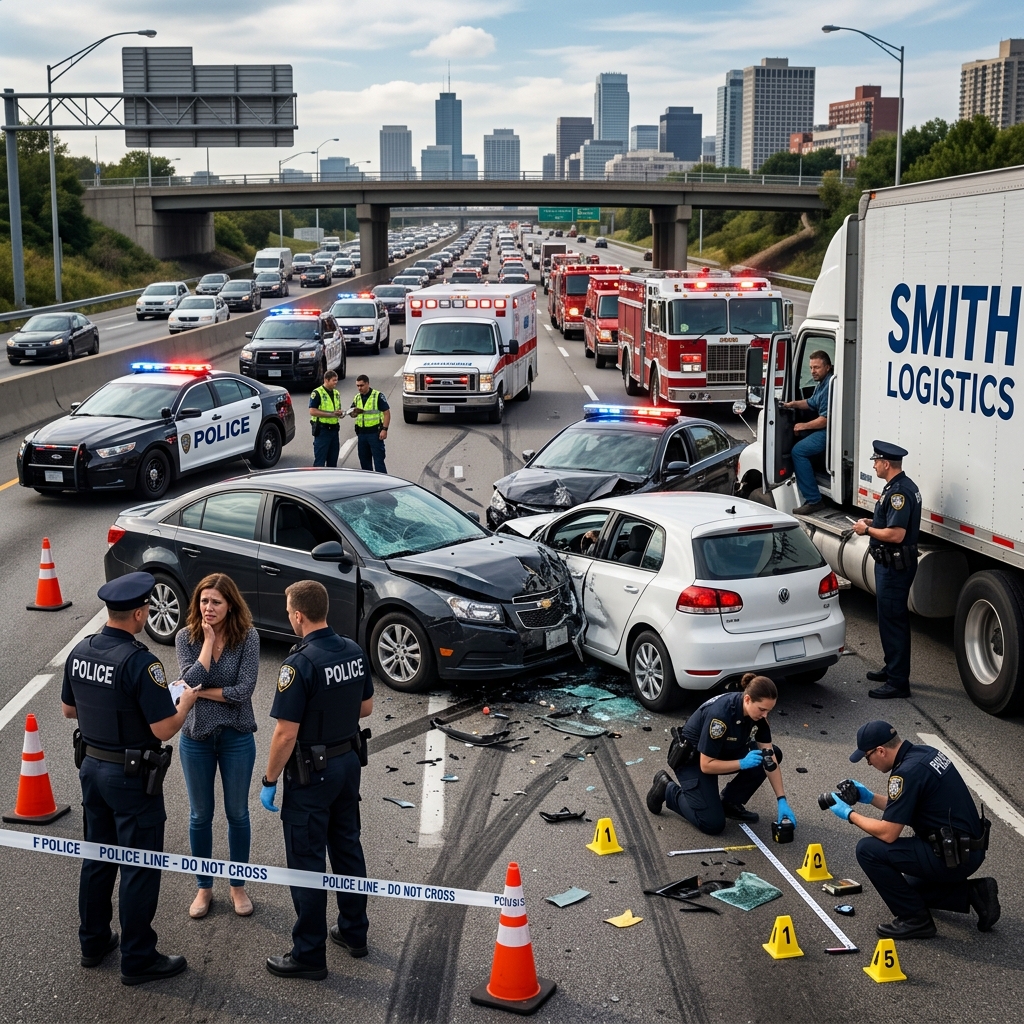
When a vehicle crash happens, one of the first legal questions is simple but crucial: who is financially responsible for the injuries and damage? Traffic accident liability is the set of rules that answer this question. It affects whether your insurance pays, whether the other driver’s insurer must compensate you, and whether anyone can be sued in court.
This guide explains how liability is determined, how different fault rules work, how insurance interacts with fault, and what practical steps you can take to protect your rights after a collision.
Key Concepts: Negligence, Fault, and Liability
Most traffic accident cases are based on the legal idea of negligence. A driver is negligent when they fail to use reasonable care under the circumstances and that failure causes harm.
- Duty of care: Every driver must obey traffic laws and operate their vehicle reasonably safely.
- Breach of duty: Actions like speeding, running a red light, following too closely, or distracted driving may breach this duty.
- Causation: The breach must be a cause of the crash and the resulting injuries or property damage.
- Damages: The injured party must have losses such as medical bills, lost wages, vehicle repairs, or pain and suffering.
When these elements are proven, the negligent driver—and often their insurance company—can be held liable, meaning legally obligated to pay for the losses.
Fault Systems: No-Fault vs. At-Fault States
Liability is shaped by the fault rules of the state where the crash occurs. In the United States, states follow either a no-fault system for injuries, an at-fault system, or a hybrid approach.
No-Fault Personal Injury Systems
In no-fault states, drivers must carry personal injury protection (PIP) coverage that pays their own medical expenses and certain lost wages after a crash, regardless of who caused the collision. This is designed to speed up payment and reduce lawsuits over minor injuries.
- You usually file with your own PIP insurer first, even when the other driver caused the crash.
- PIP often has a required minimum amount of coverage (for example, some states require at least $10,000 in PIP coverage).
- Only if injuries are serious enough or meet specific statutory thresholds can you step outside the no-fault system to sue the at-fault driver for pain and suffering.
Traditional At-Fault (Tort) Systems
Most states follow an at-fault system. The driver who causes the accident, or their insurer, must pay for the damages. Injured people typically have the option to pursue a claim directly against the at-fault driver’s liability insurance or file a lawsuit.
- Police and insurers investigate who violated traffic laws or drove unreasonably.
- Injury victims can seek compensation for medical costs, lost income, pain and suffering, and property damage.
Comparative vs. Contributory Negligence
Even within at-fault or hybrid systems, states differ on how they handle crashes where more than one driver made mistakes.
| Rule Type | How It Works | Impact on Compensation |
|---|---|---|
| Pure contributory negligence | If you are even 1% at fault, you cannot recover from the other driver. | Extremely strict; a small mistake can bar recovery entirely. |
| Modified comparative negligence | You recover only if your fault is at or below a threshold (commonly 50% or 51%). | Your award is reduced by your percentage of fault. Above the threshold, you recover nothing. |
| Pure comparative negligence | You can recover even if you are mostly at fault, but your recovery is reduced by your share of fault. | More forgiving; a driver 80% at fault can still recover 20% of their damages. |
Some states that use no-fault rules for injuries still apply comparative negligence when lawsuits are allowed or when dealing with property damage claims.
Who Can Be Liable After a Traffic Accident?
Liability is not always limited to the driver who made a mistake behind the wheel. Several people or entities may share responsibility.
Negligent Drivers
The most obvious liable party is the driver whose unsafe behavior caused the crash. Examples of driver negligence include:
- Speeding or aggressive lane changes
- Running stop signs or red lights
- Texting while driving or other distracted behavior
- Driving under the influence of alcohol or drugs
- Failing to yield or ignoring traffic signs
Vehicle Owners
In many states, the owner of a vehicle can be liable when someone else drives their car and causes a crash. Some jurisdictions apply legal doctrines that treat a motor vehicle as a “dangerous instrument,” placing responsibility on the owner who allows others to drive it.
- If the owner gives permission for someone else to use the vehicle, the owner may be responsible for resulting injuries or damage in an accident.
- If the vehicle is stolen or used without the owner’s permission, the owner is typically not liable, because they did not consent to the use.
Employers
When a driver causes a crash while performing work duties, the employer may be liable under the doctrine of respondeat superior (employers are responsible for employees acting within the scope of their employment). Delivery drivers, company car use, and commercial trucking are common situations where employer liability arises.
Government or Third Parties
In some cases, liability may extend beyond drivers and vehicle owners:
- Government entities responsible for dangerous road conditions or defective traffic signals.
- Repair shops that performed negligent repairs leading to mechanical failure.
- Manufacturers of vehicles or parts if a defect contributed to the crash.
How Insurance Coverage Interacts with Liability
Auto insurance is the primary source of payment in most traffic cases. Policies include different types of coverage that respond in different ways depending on fault and the laws of the state.
Common Types of Required Coverage
- Personal Injury Protection (PIP): Pays medical expenses and sometimes lost wages for the insured and certain passengers, regardless of fault, in no-fault states.
- Bodily Injury Liability (BI): Pays for injuries you cause to others when you are at fault. States often set minimum BI limits, such as $10,000 per person and higher amounts per crash.
- Property Damage Liability (PDL): Pays for damage you cause to other people’s property, including vehicles.
- Uninsured/Underinsured Motorist (UM/UIM): Helps when the at-fault driver has little or no insurance.
Insurance requirements and minimum limits vary by state, but drivers generally must maintain continuous coverage from an insurer authorized in the state.
No-Fault Claims vs. Liability Claims
After a crash, the claim process typically follows this sequence:
- You report the collision to your insurance company promptly.
- In no-fault states, you use your PIP coverage first for injury-related losses.
- For property damage and for serious injuries that exceed no-fault thresholds, you may pursue a claim against the at-fault driver’s liability coverage.
- If a settlement cannot be reached, a lawsuit may be filed within the time limits set by state law.
Evidence Used to Prove Fault and Liability
Deciding who is liable is rarely based on one person’s statement alone. Insurers and courts rely on multiple forms of evidence.
Official Records and Reports
- Police reports: Officers often respond to serious crashes and complete official reports containing observations about vehicle positions, visible damage, driver statements, suspected intoxication, and any traffic citations issued.
- Crash reports: Some states require drivers to file a written crash report or allow them to obtain official crash reports from a designated portal or agency.
Physical and Documentary Evidence
- Photographs and video: Images of the scene, vehicle damage, skid marks, debris, and traffic controls can help reconstruct how the crash occurred.
- Medical records and repair bills: These documents show the extent of injuries and property damage, supporting the value of a claim.
- Witness statements: Neutral bystanders can provide critical details about speed, signals, and driver behavior moments before impact.
- Traffic laws and vehicle codes: Citing the specific law that was broken helps establish negligence, especially when one driver clearly violated a rule of the road.
Special Liability Situations
Some collisions fall into patterns that strongly suggest fault, even before a detailed investigation.
Rear-End Collisions
In many cases, the driver who rear-ends another vehicle is presumed to be at fault for following too closely or failing to maintain control. However, this presumption can sometimes be rebutted if the front driver’s conduct was extremely unsafe (for example, reversing suddenly in a travel lane).
Left-Turn and Intersection Crashes
Crashes that occur when one vehicle turns left across the path of oncoming traffic often place primary responsibility on the turning driver, who must yield to oncoming vehicles. Intersection collisions frequently raise issues of who had the right of way, which is often resolved by examining signals, signs, and witness accounts.
Crashes Involving Borrowed Vehicles
When you lend your vehicle to someone, you may effectively take on the risk of their driving. Some jurisdictions allow injured parties to hold the owner liable for the negligence of a permissive driver, especially under doctrines that treat vehicle ownership as carrying a heightened duty of care.
Legal Deadlines: Statutes of Limitations
Even when liability is clear, injured parties must act within specific time limits known as statutes of limitations. These laws set the maximum time after a crash that you can file a lawsuit.
- In many states, personal injury suits arising from car accidents must be filed within about two years from the date of the crash.
- Some states historically allowed longer periods, but have shortened their limitations for newer claims.
- Claims against government entities often have shorter deadlines and special notice requirements.
If you miss the statute of limitations, courts will usually dismiss the case, and you lose the right to pursue compensation in court.
What to Do After a Traffic Accident to Protect Your Rights
Your actions immediately after a crash can strongly influence how liability is determined and whether you are able to recover compensation.
Immediate Safety and Legal Duties
- Stop at the scene: Most states require drivers involved in a crash that causes property damage, injury, or death to stop and remain at or near the scene.[10]
- Provide information: Drivers typically must exchange names, contact details, and insurance information and, when required, show their driver’s license.[10]
- Call emergency services: Contact law enforcement and, if needed, medical responders, especially when anyone is injured or significant property damage occurs.[10]
- Render reasonable aid: Some laws require drivers to assist injured persons within reason, such as by calling for medical help.[10]
Reporting Requirements
States usually specify when a crash must be reported to the authorities or the department responsible for motor vehicles.
- Crashes involving injury, death, or property damage above a certain dollar amount often must be reported to law enforcement.[10]
- Some jurisdictions require a written or online report if police do not investigate at the scene.
- Failure to report an accident when required can lead to fines or license consequences.
Gathering Evidence on the Scene
If it is safe and you are physically able, the following steps can help preserve crucial information:
- Take photos or video of vehicle positions, damage, skid marks, traffic signs, and weather or road conditions.
- Collect contact information for witnesses.
- Note the time, location, and any statements made by the other driver about how the crash occurred.
Contacting Insurers and Considering Legal Advice
- Notify your insurance company promptly about the collision, even if you believe the other driver is clearly at fault.
- Be cautious when giving recorded statements to another driver’s insurer; your words can be used to argue that you share fault.
- For serious injuries, disputed liability, or complicated multi-vehicle crashes, consulting a qualified attorney can help you understand how fault rules in your state may affect your claim.
Frequently Asked Questions About Traffic Accident Liability
Does a traffic ticket automatically make someone liable?
A traffic citation is strong evidence that a driver violated a law, but it does not automatically decide civil liability. Insurance companies and courts still look at all available evidence, including whether the violation actually caused the crash.
Can multiple drivers share fault for the same accident?
Yes. In many collisions, more than one driver made mistakes. Comparative negligence rules allow each driver’s share of fault to be expressed as a percentage, which then adjusts the amount of compensation each person can receive.
What if I am partly responsible for the crash?
Your ability to recover depends on your state’s fault system. In strict contributory negligence states, even minimal fault may bar recovery. In modified comparative negligence states, you may still recover if your share of fault does not exceed the legal threshold, but your compensation will be reduced accordingly.
How is property damage liability different from injury liability?
Property damage liability (PDL) covers the cost to repair or replace vehicles and other property you damage in a crash. Bodily injury liability covers medical expenses, lost wages, and other injury-related losses suffered by others when you are at fault. States often set separate minimum coverage levels for these two categories.
When should I consider filing a lawsuit?
Lawsuits are usually considered when insurance companies deny liability, dispute the extent of damages, or offer settlements far below your losses. Because statutes of limitations impose strict deadlines—commonly around two years for injury claims—you should evaluate your legal options well before those deadlines expire.
References
- Involved in a Crash? — Florida Department of Highway Safety and Motor Vehicles. 2024-01-05. https://www.flhsmv.gov/insurance/involved-in-a-crash/
- How Car Accident Laws Work in Florida — Nolo. 2024-02-15. https://www.nolo.com/legal-encyclopedia/florida-car-accident-laws.html
- Florida Car Accident Laws You Should Know — Gould Cooksey Fennell. 2024-03-18. https://gouldcooksey.com/blog/florida-car-accident-laws-you-should-know/
- Virginia Car Accident Laws — Whitlock Law, LLC. 2024-04-10. https://www.whitlocklawllc.com/blog/virginia-car-accident-laws
- How to Prove Liability in a Florida Car Accident Case — Dolman Law Group (via DHC Law Library). 2023-11-02. https://www.dhclaw.com/library/proving-fault-and-liability-after-a-florida-car-crash.cfm
- Florida Car Accident & Traffic Laws: What Drivers Need to Know — Bogin, Munns & Munns, P.A. 2024-01-30. https://www.boginmunns.com/blog/florida-car-accident-laws-guide/
- Florida Car Accident Laws Explained – What Shapes Your Claim — Dennis Hernandez & Associates. 2024-02-01. https://www.dennishernandez.com/florida-car-accident-laws-guide/
Similar Articles








Read full bio of medha deb


