
Telephone and Voicemail Privacy Rights at Work
Understand how far your employer can go in monitoring work phones and voicemail, and what privacy protections the law still provides.
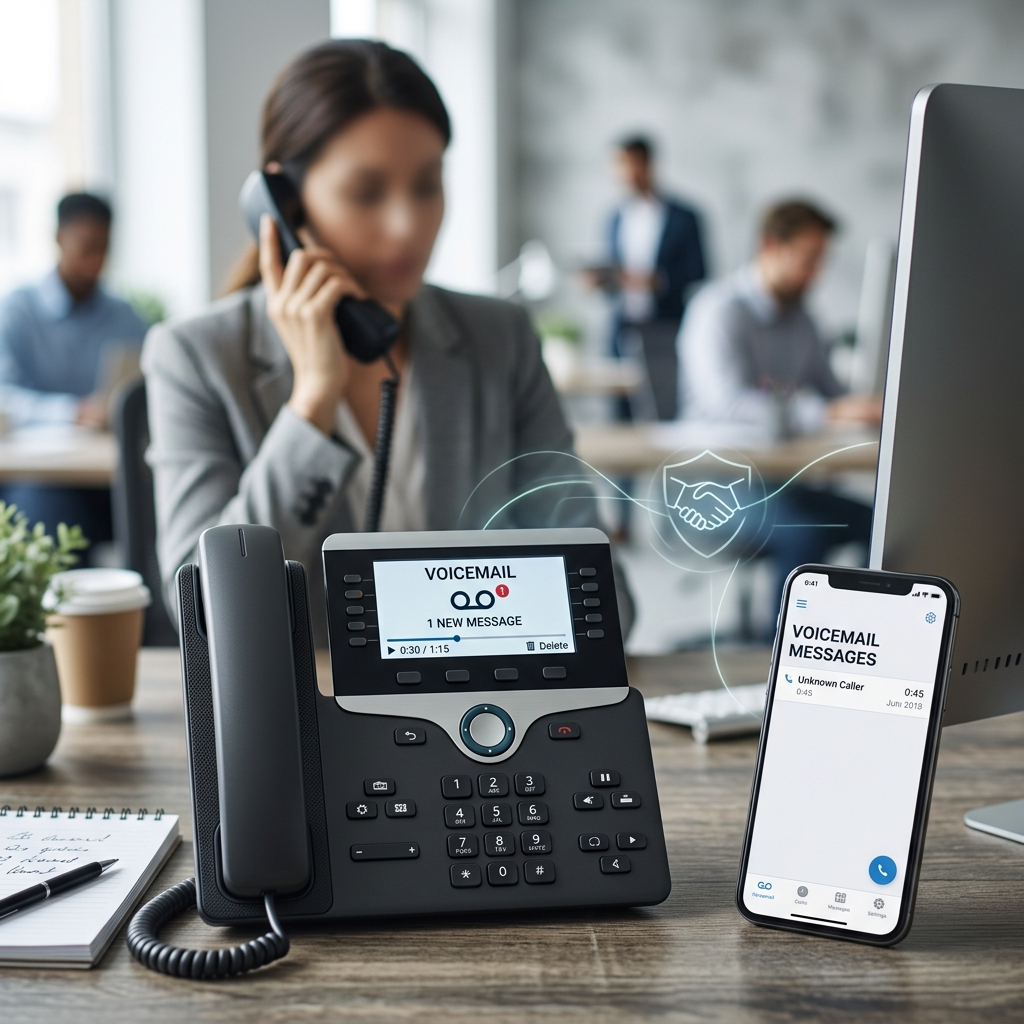
Modern workplaces rely heavily on phones and voicemail, and those systems are often owned and controlled by the employer. That raises a critical question: how much privacy do employees actually have when they make calls or leave messages at work? This guide explains the legal framework, employer rights, employee protections, and practical steps to reduce risk.
1. Why Workplace Phone and Voicemail Privacy Matters
Phone calls and voicemail often contain sensitive information, including discussions about health, finances, family issues, or workplace problems. At the same time, employers have legitimate business reasons to oversee communications, such as quality control, customer service monitoring, security, and compliance.
The law attempts to balance these competing interests. In the United States, federal and state rules establish boundaries on when and how organizations may listen to calls or access voicemail. Understanding these rules helps both employees and employers avoid costly legal disputes and maintain trust in the workplace.
- Employees want assurance that truly personal conversations remain private.
- Employers need clarity on the scope of permissible monitoring to manage risk.
- Both sides benefit from clear written policies and consistent practices.
2. The Legal Foundation: Federal and State Privacy Rules
The core federal law governing workplace telephone and voicemail privacy is the Electronic Communications Privacy Act (ECPA), codified at 18 U.S.C. §§ 2510–2720. It regulates both the interception of communications in transit and access to stored communications, such as voicemail messages.
2.1 Key Concepts Under the ECPA
- Interception: Listening to or recording a phone call as it happens.
- Electronic storage: Accessing voicemail or similar messages that are stored on a system.
- Unauthorized access: Acquiring the content of communications without legal authority, consent, or an applicable exception.
Violating the ECPA can expose an employer or individual to civil liability and criminal penalties, including fines and potential jail time. At the same time, the statute contains important exceptions that allow workplace monitoring in specific circumstances.
2.2 State Law Variations
Federal law sets a baseline, but state laws may provide additional privacy protections. Some states require the consent of all parties before a phone call may be recorded or monitored; others allow monitoring with consent from just one party (often the employer).
Because of these differences, employers operating in multiple states must pay attention to the strictest applicable rule. Employees should be aware that their level of protection can vary significantly by location.
| Type of Rule | Typical Requirement | Practical Impact |
|---|---|---|
| One-party consent | Only one person in the call must consent to monitoring or recording. | Employer can usually monitor calls if it is a party to the call or has notified the employee. |
| All-party consent | Everyone participating in the call must consent. | Employers may need recorded announcements, beeps, or other notices to callers. |
| Enhanced privacy rules | Additional limits on recording or releasing communications (e.g., stronger penalties or sector-specific rules). | Monitoring must be carefully tailored; disclosure of recordings is more tightly controlled. |
3. Monitoring Telephone Calls: Business vs. Personal
In general, employers may monitor business-related calls made on company equipment or networks, provided the monitoring has a legitimate purpose. Typical reasons include customer service training, preventing harassment, or detecting fraud.
3.1 Business Calls on Company Phones
When a call is clearly work-related, the law often allows listening or recording in the “ordinary course of business.” To minimize risk, best practice is for employers to:
- Adopt a written policy stating that work calls may be monitored.
- Inform employees during training and in handbooks.
- Provide notice to external callers when calls may be recorded.
Many organizations play a recorded message such as “This call may be monitored or recorded for quality assurance,” which helps satisfy consent requirements in some jurisdictions.
3.2 Personal Calls and the Duty to Stop Listening
Federal law draws a sharper line once a call is identified as personal rather than business-related. Under the ECPA, even if an employer is lawfully monitoring a call for business purposes, it must stop monitoring as soon as it realizes the call is personal, unless the employee has specifically agreed to monitoring that personal call.
Some important implications follow:
- Employers may listen briefly to determine whether a call is business or personal.
- If the conversation turns into a personal discussion, monitoring should cease unless explicit consent covers that call.
- Employees who use a line designated as “business only” for personal calls risk reduced expectations of privacy, especially if they were warned not to do so.
Even where monitoring is technically lawful, employers are generally advised to limit it to what is reasonably necessary for a legitimate business purpose.
4. Voicemail Privacy: Accessing Stored Messages
Voicemail occupies a slightly different legal space because it involves stored electronic communications. The ECPA and related federal statutes restrict unauthorized access to messages stored on voicemail platforms and similar systems.
4.1 Employer Control Over Company Voicemail Systems
When the voicemail system is owned and operated by the employer, the organization is typically treated as the provider of the service. This can allow greater access under a “service provider” exception, particularly when messages are stored on company servers.
However, that access is not unlimited:
- Access must relate to a legitimate business purpose (e.g., retrieving messages from a departed employee, investigating suspected misconduct, or ensuring continuity of operations).
- Employers that obtain, read, or delete voicemail without authorization risk liability under federal law, particularly if messages are still in “electronic storage.”
- Some privacy regulators emphasize that voicemail should be treated as a private communication between sender and recipient, absent clear notice otherwise.
Regulatory guidance on voicemail systems often recommends written policies, employee education, and technical safeguards such as passwords and access logs to reduce the risk of privacy violations.
4.2 Personal Voicemail and Third-Party Providers
If voicemail is hosted by an external phone company or cloud provider (for example, on an employee’s personal mobile phone account), an employer’s ability to access stored messages is far more limited. In those cases, the employer is not the service provider under the statute, and unauthorized access can be a serious violation of federal law.
Practically, this means that employers should avoid attempting to retrieve or compel access to personal voicemail boxes, except under lawful processes such as subpoenas or court orders.
5. Consent, Policies, and Notice
Consent is one of the most important concepts in workplace monitoring law. Under the ECPA and many state statutes, monitoring that would otherwise be unlawful may become permissible if the person being monitored has given informed consent.
5.1 Express and Implied Consent
- Express consent can be obtained through signed acknowledgments of a monitoring policy, employment agreements, or distinct consent forms.
- Implied consent may be found where employees are clearly informed that monitoring will occur and continue using the systems anyway. Courts look at the clarity and prominence of the notice.
To reduce ambiguity, legal and HR advisors typically recommend obtaining express, written consent, especially where monitoring may include personal communications.
5.2 Elements of a Clear Monitoring Policy
High-quality guidance for employers suggests that written workplace privacy policies related to phones and voicemail should:
- State that company phones and voicemail systems are primarily for business use.
- Explain that calls and voicemail may be monitored or accessed for legitimate business reasons.
- Describe what types of monitoring may occur (live listening, recording, reviewing stored messages, logging numbers dialed).
- Clarify that employees should have limited or no expectation of privacy when using company communication systems.
- Outline procedures for accessing voicemail of absent or former employees.
- Ensure employees are trained on the policy and acknowledge receipt.
Policies should be applied consistently; selective monitoring of certain workers can create claims of discrimination or retaliation even if the monitoring itself is lawful.
6. Practical Tips for Employees
Employees cannot fully opt out of workplace monitoring, but they can take practical steps to protect their privacy and avoid misunderstandings.
6.1 Managing Personal Calls at Work
- Use a personal phone on your own plan for sensitive calls whenever possible.
- Avoid discussing confidential health, financial, or family matters on recorded customer service lines.
- Do not assume that a call made from your desk is private, even if it seems personal.
- If your employer says a particular phone is for business only, treat that warning seriously.
6.2 Protecting Voicemail Content
- Do not leave highly sensitive details in workplace voicemail messages; suggest a call back instead if the subject is private.
- Use strong passwords for voicemail where you control the settings, and change them periodically.
- If you are away for an extended period, your outgoing message can direct callers not to leave confidential information in voicemail.
6.3 Reading and Understanding Policies
Many misunderstandings arise because employees never read the handbook or technology use policy. Make sure you:
- Read any communications or IT use policies at onboarding and when updated.
- Ask HR for clarification if the policy is vague about monitoring.
- Keep a copy of signed acknowledgments for your own records.
7. Best Practices for Employers
Employers seeking to monitor communications while respecting privacy and legal requirements can follow widely recommended best practices.
- Monitor only for legitimate business purposes such as quality control, security, or policy enforcement.
- Adopt comprehensive written policies covering phone and voicemail use, monitoring, and access.
- Train managers and employees on the policy, including how to respond when personal calls are detected.
- Apply policies consistently to avoid claims of targeting or retaliation.
- Document consent and maintain records of employee acknowledgments.
- Consult legal counsel when designing monitoring programs, especially in multi-state operations or heavily regulated industries.
8. Frequently Asked Questions (FAQs)
Can my employer listen to all calls I make from my desk phone?
Employers generally may monitor business-related calls made from company phones, particularly for quality control or training. However, when it becomes clear that a call is purely personal, federal law typically requires employers to stop listening, unless the employee has expressly consented to monitoring of that personal call.
Is it legal for my employer to access my voicemail inbox?
If the voicemail system is owned and operated by the employer, the organization may access messages in some circumstances, especially for legitimate business reasons and where employees have been notified of this possibility. Unauthorized access to voicemail that is still in “electronic storage” can, however, violate federal law, making it important for employers to act carefully and within policy.
What if I use my work phone for personal calls even though the policy discourages it?
Using a company phone for personal calls despite a clear policy may reduce your expectation of privacy. In practice, the law still expects employers to end monitoring once they know a call is personal, but your decision to use a work-only line can undermine any claim that you reasonably believed the call would be private.
Does my employer need my consent to record calls?
Under federal law, recording or monitoring often requires consent from at least one party to the communication, which can be the employer itself. Some states, however, require all parties to consent. Employers frequently rely on a combination of written policies and recorded announcements to meet these requirements.
Can my employer monitor my personal cell phone voicemail?
Generally, no. Voicemail on your personal mobile account is stored and managed by an outside service provider, not your employer. Unauthorized access by the employer could breach federal laws governing stored communications. Access to such voicemail would usually require your cooperation or a lawful process such as a court order.
How can I keep sensitive information out of recorded systems?
Use personal devices for highly private matters, keep sensitive details out of workplace voicemail, and encourage callers not to leave confidential information in messages. For employers, training staff and including reminders in outgoing messages can help reduce the risk of sensitive data being left on voicemail systems.
References
- Can Your Employer Listen to Your Conversations? — Nolo. 2023-01-01. https://www.nolo.com/legal-encyclopedia/free-books/employee-rights-book/chapter5-4.html
- Workplace Privacy Guide — Consumer Action. 2018-05-01. https://www.consumer-action.org/modules/articles/workplace_privacy_guide
- Employment Basics for Employers: E-mail and Voicemail Monitoring — San Jose Business Lawyers Blog (Law Offices of Steven E. Springer). 2016-04-25. https://www.sanjosebusinesslawyersblog.com/employment-basics-for-employers-e-mail-and-voicemail-monitoring/
- Employment Law: Privacy Rights in the Workplace — Murphy Desmond S.C. 2019-03-01. https://www.murphydesmond.com/employment-law-privacy-rights-in-the-workplace
- Do Employees Have Any Privacy at Work? — GovDocs. 2022-06-01. https://www.govdocs.com/do-employees-have-any-privacy-at-work/
- Privacy Protection Principles for Voice Mail Systems — Information and Privacy Commissioner/Ontario. 1995-01-01. https://www.ipc.on.ca/sites/default/files/legacy/Resources/up-1vmail_e.pdf
- Voice Mail Privacy — University of California San Diego. 2020-09-15. https://blink.ucsd.edu/technology/phones/vmail/privacy.html
Similar Articles








Read full bio of medha deb


