
Understanding Smishing: Text Message Scams and How to Stay Safe
Learn how SMS-based phishing scams work, how to spot fake texts, and the practical steps you can take today to protect your identity and money.
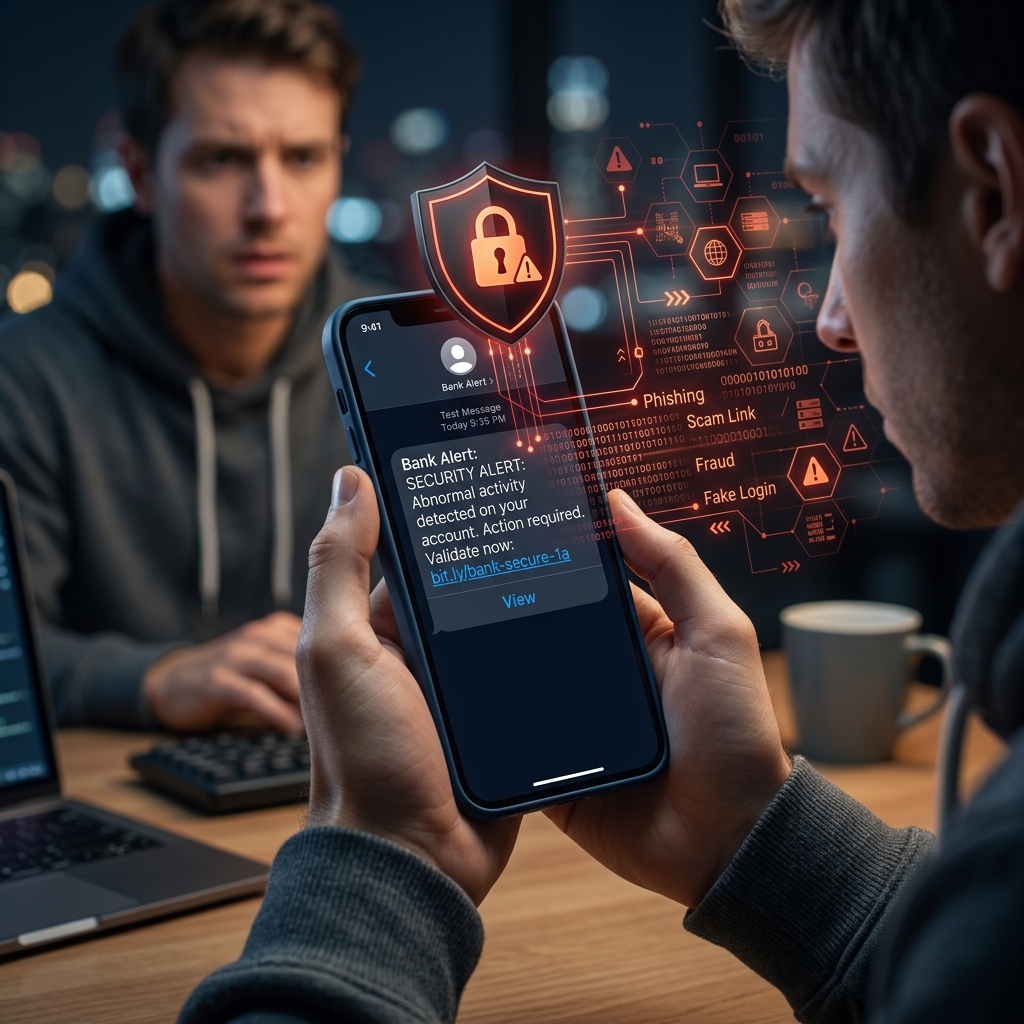
Text messages have become one of the quickest ways for scammers to reach people. Among the most dangerous tactics is smishing, a form of phishing that uses SMS or messaging apps to steal your personal information, money, or access to online accounts.
This article explains what smishing is, how these scams operate, common warning signs, and concrete steps you can take to prevent and respond to attacks. The goal is to help you recognize risky messages and protect your identity in an increasingly mobile-first world.
What Is Smishing?
Smishing is short for “SMS phishing” and refers to fraudulent text messages designed to trick you into sharing sensitive data or interacting with malicious links. Instead of arriving in your email inbox, these messages appear in your phone’s messaging app, often looking like they were sent by legitimate organizations such as banks, delivery services, or government agencies.
The sender’s objective is usually to:
- Capture login credentials, card numbers, or identity data such as Social Security numbers
- Persuade you to click a link that installs malware or leads to a fake website that collects your information
- Convince you to send money directly, often via instant payment services or gift cards
Like email-based phishing, smishing relies on social engineering techniques: psychological tricks that exploit fear, urgency, curiosity, or trust to push victims into rapid, uncritical decisions.
How Smishing Scams Typically Work
While smishing messages vary widely, many attacks follow a recognizable pattern. Understanding this lifecycle makes it easier to spot suspicious texts before you act on them.
1. Targeting and Message Creation
Attackers start by collecting phone numbers from data breaches, online postings, automated number generation, or purchased lists. They then craft messages that appear relevant to a broad audience, or tailor them using leaked information for a more convincing pitch.
Common impersonated senders include:
- Banks and credit card companies
- Government agencies and tax authorities
- Parcel and delivery services
- Popular technology platforms or streaming services
2. Social Engineering Hooks
To increase the odds of a response, smishing messages often use emotionally charged or time-sensitive language:
- Urgency: “Immediate action required” or “Your account will be closed today”
- Fear: claims of security breaches or unauthorized transactions
- Reward: offers of refunds, prizes, or limited-time deals that appear too good to ignore
- Authority: wording that mimics official notices from trusted institutions
Scammers count on you reacting before you verify. According to consumer guidance, pausing to think before responding is one of the most effective defenses.
3. Malicious Links and Data Collection
Many smishing texts include a clickable URL that leads to a convincing but fraudulent website. The page may:
- Ask for login credentials to “restore” or “verify” your account
- Request payment details to resolve an alleged problem
- Trigger a download containing malware that can capture keystrokes or intercept one-time passcodes
Attackers often use shortened URLs to hide suspicious domains, making it harder for recipients to evaluate the link at a glance.
4. Exploitation and Theft
Once victims share their details or install malicious software, attackers can quickly exploit the information.
| Data Stolen | Potential Impact |
|---|---|
| Online banking credentials | Unauthorized transfers, account takeover, loss of funds |
| Credit card numbers | Fraudulent purchases, repeated charges until card is blocked |
| Identity data (SSN, date of birth, address) | New credit lines opened in your name, long-term identity theft |
| Email and password combinations | Credential stuffing attacks against multiple accounts using the same password |
In more advanced attacks, malware installed via a smishing link can intercept text-based security codes, enabling criminals to bypass two-factor authentication protections.
Red Flags that Suggest a Text Message Is a Scam
Although smishing attempts are becoming more sophisticated, many share recognizable warning signs. Regulatory and consumer protection agencies highlight several patterns that should make you suspicious.
- Unexpected contact: You receive a message about a shipment, payment, or account issue you were not expecting.
- Requests for sensitive information: The text asks for passwords, full card numbers, or Social Security numbers—information legitimate companies typically do not request via SMS.
- Embedded links from unknown senders: The message urges you to click a link to resolve an issue or claim a benefit, especially from a sender you do not recognize.
- Urgent or threatening tone: The text claims negative consequences if you do not act immediately, such as fees, account closure, or legal action.
- Too-good-to-be-true offers: Promises of large rewards, refunds, or prizes in exchange for simple steps or small up-front payments.
- Unusual or short phone numbers: Very short codes or obviously generic numbers may indicate automated or masked sending routes used in scams.
When any of these signs appear, treat the message as suspicious until you have independently verified its legitimacy through official channels.
Best Practices to Prevent Smishing Attacks
You cannot stop scammers from sending texts, but you can significantly reduce the chance of falling victim. Financial institutions, cybersecurity organizations, and government agencies recommend a combination of technical and behavioral safeguards.
1. Develop Safe Habits with Text Messages
- Do not respond to unknown senders: If a message comes from a number you do not recognize or seems suspicious, avoid replying—even to request that the sender stop. Responding can confirm your number as active and lead to more spam.
- Avoid clicking links in questionable texts: When in doubt, navigate to the organization’s website using a browser or app you trust instead of the embedded link.
- Verify through independent contact: If a text claims to be from a bank, delivery service, or government agency, use a known phone number or official website to check. Do not rely on contact details provided in the message.
- Pause before acting: Take time to consider whether the message makes sense and whether you were expecting it. This deliberate pause helps neutralize urgency tactics.
2. Strengthen Device and Account Security
- Keep your phone’s software up to date: Mobile operating system updates often include security patches that close vulnerabilities exploited by malware.
- Use reputable security tools: Where appropriate, install security software and run regular scans, particularly if you suspect a malicious download.
- Enable two-factor authentication (2FA): Multiple organizations recommend adding a second factor, such as a one-time code, to protect account access in case passwords are compromised.
- Use unique, strong passwords: Create different passwords for banking, email, and other key accounts. Consider a password manager to maintain complex, unique credentials.
3. Use Built-In and Provider-Level Protections
Modern phones and wireless providers offer tools to reduce unwanted or malicious texts.
- Enable spam filters on your phone: Many devices include settings to filter messages from unknown senders or suspected spam.
- Explore carrier blocking options: Wireless providers often provide call and text-blocking services to limit unsolicited messages.
- Consider reputable call-blocking apps: Some third-party apps can help identify and block known spam numbers, though they should be chosen carefully with attention to reviews and data policies.
What to Do If You Fall for a Smishing Scam
Realistically, even careful users can sometimes be tricked. If you have clicked a link, shared information, or downloaded a suspicious file, taking quick action can limit harm.
1. Secure Your Device
- Update your operating system and security software.
- Run a full scan using reputable antivirus or mobile security tools.
- If malware is detected and cannot be removed, consult a professional or, in severe cases, consider backing up essential data and performing a factory reset.
2. Protect Your Accounts
- Change passwords immediately: For any account whose credentials may have been exposed, update to strong, unique passwords. Start with email, banking, and primary app accounts.
- Review account activity: Check recent transactions or login histories for unauthorized activity and report anomalies to service providers.
- Enable or reinforce 2FA: Activate two-factor authentication where available or switch to more secure methods such as app-based authenticators instead of text, particularly if you suspect SMS interception.
3. Guard Against Identity Theft
If you believe sensitive identity data—like your Social Security number or other key identifiers—has been compromised, you may need to take additional measures:
- Contact financial institutions to place safeguards or alerts on accounts.
- Consider adding a fraud alert to your credit reports so lenders are prompted to verify identity before opening new accounts.
- Monitor statements and credit reports regularly for unusual activity.
4. Report the Incident
Reporting smishing attempts not only helps you but also contributes to broader efforts to disrupt scams and protect others. Consumer protection agencies recommend the following steps:
- Forward the message to 7726 (SPAM): This allows wireless providers to analyze and block similar scams.
- Report within your messaging app: Many apps include options to mark messages as spam or junk.
- Submit a report to the appropriate authority: In the United States, you can report fraud-related texts to the Federal Trade Commission (FTC) through its online reporting portal.
Frequently Asked Questions About Smishing
Is every unexpected text message a smishing attempt?
No. Legitimate businesses sometimes send genuine alerts or promotional messages. However, when a text is unexpected and asks you to click a link, share sensitive information, or act urgently, it deserves closer scrutiny. Use official contact channels to verify any message before acting.
Can legitimate organizations ever ask for information by text?
Consumer protection guidance indicates that legitimate companies will generally not request full account details, passwords, or Social Security numbers via text messages. If a text asks for highly sensitive data, treat it as suspicious and contact the organization directly through verified means.
Are shortened URLs always dangerous?
Not always, but shortened URLs in unsolicited texts are a common tactic used by scammers to disguise malicious destinations. When a shortened link appears in an unexpected or urgent message, it is safer to avoid clicking and instead navigate to the official site manually.
Does two-factor authentication completely prevent smishing?
Two-factor authentication significantly reduces the risk of account takeover when passwords are stolen, but it is not a complete solution. Some advanced attacks attempt to intercept or trick users into revealing security codes. Using app-based authentication, keeping devices secure, and staying alert to suspicious prompts further strengthen protection.
Why should I report smishing attempts if I did not fall for them?
Reporting helps wireless providers and regulators identify patterns, block malicious numbers, and warn the public about emerging scams. Even if you were not harmed, your report contributes to a broader defense network that can protect more vulnerable users.
Key Takeaways for Everyday Protection
- Stay skeptical of unsolicited texts, especially those demanding quick action or offering unusual rewards.
- Never share passwords, financial details, or identity numbers via SMS, regardless of how legitimate a message appears.
- Use independent verification: contact companies through known phone numbers or official apps rather than links or numbers provided in a text.
- Keep devices and accounts secure by updating software regularly, using strong unique passwords, and enabling 2FA.
- Act quickly if you suspect a scam: secure accounts, watch for fraud, and report the incident to your provider and relevant authorities.
By combining technical safeguards with informed, cautious behavior, you can significantly reduce your exposure to smishing attacks and protect both your finances and your identity.
References
- What Is Smishing? Examples, Protection & More — Proofpoint. 2023-04-12. https://www.proofpoint.com/us/threat-reference/smishing
- What Is Smishing? — Experian. 2023-08-21. https://www.experian.com/blogs/ask-experian/what-is-smishing/
- The Complete Guide to Smishing (SMS Phishing) — CybeReady. 2023-11-01. https://cybeready.com/category/the-complete-guide-to-smishing/
- Smishing: What Is It, How It Works & Tips on How to Prevent It — Bank of America Business. 2023-06-15. https://business.bofa.com/en-us/content/what-is-smishing-how-to-prevent-it.html
- What are Smishing Scams? Tips for Prevention — Vision Bank. 2022-09-30. https://www.visionbank.bank/resources/blog/what-are-smishing-scams
- How to Recognize and Report Spam Text Messages — Federal Trade Commission (FTC). 2023-02-01. https://consumer.ftc.gov/articles/how-recognize-and-report-spam-text-messages
- SMS Text Phishing Continues — New Jersey Cybersecurity & Communications Integration Cell (NJCCIC). 2021-07-08. https://www.cyber.nj.gov/threat-landscape/phishing-online-scams/sms-scams/sms-text-phishing-continues
Similar Articles








Read full bio of Sneha Tete


