
Understanding Mass-Marketing Fraud and How to Fight It
How large-scale scam operations target ordinary people through phones, internet, mail and media, and what you can do to protect yourself.
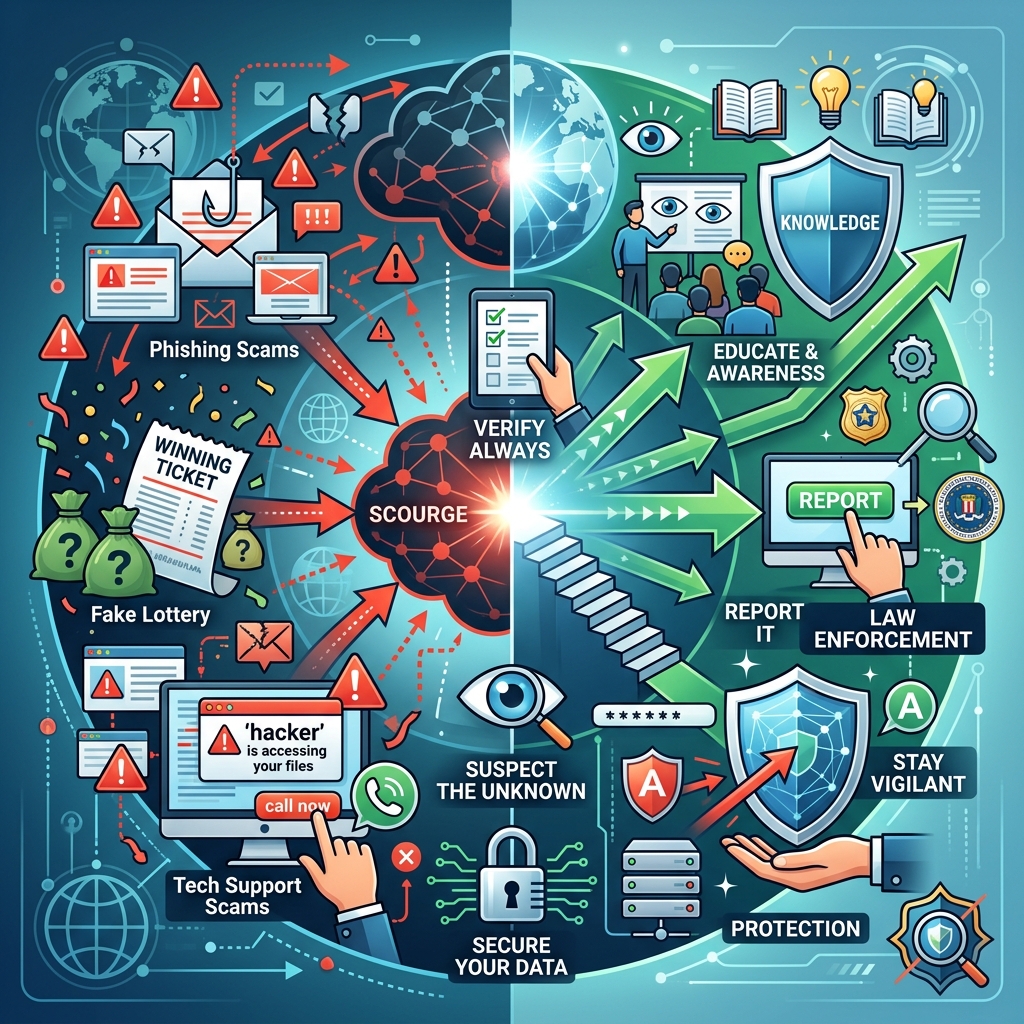
Mass-marketing fraud is one of the most pervasive forms of modern crime, exploiting phones, the internet, mail, and other communication channels to reach large numbers of people with deceptive offers and false promises. These schemes can cost victims anything from a few hundred dollars to life savings, and they frequently cross state and national borders.
This article explains what mass-marketing fraud is, how common schemes work, key warning signs, the legal framework in the United States, steps victims can take, and practical ways to protect yourself and your family.
What Is Mass-Marketing Fraud?
In broad terms, mass-marketing fraud is any fraudulent scheme that uses mass communication methods to solicit or transact with numerous victims or to move criminal proceeds. Official definitions highlight that these scams rely on mechanisms such as:
- Telephone calls and text messages
- Emails and websites
- Mass mailings and letters
- Television and radio advertisements
- In-person approaches in public spaces or at events
Rather than targeting a single individual, perpetrators cast a wide net, contacting thousands or even millions of people, knowing that a portion will respond to their offers or requests. Many schemes promise prizes, investment opportunities, or special deals that do not exist, or misrepresent the quality or nature of goods and services.
Key Features of Mass-Marketing Fraud Schemes
Although individual scams differ, mass-marketing fraud schemes commonly share several features.
- High-volume outreach: Messages are sent or calls are made to many potential victims using automated dialers, bulk email tools, or mass mailings.
- False promises or misrepresentations: Fraudsters mislead victims about winnings, investment returns, debt relief, or product quality.
- Pressure tactics: Victims are pushed to act immediately, with claims that an offer will expire or that legal consequences will follow if they hesitate.
- Requests for sensitive data or payments: Scammers try to obtain bank account information, credit card numbers, or direct transfers via wire services, prepaid cards, or cryptocurrency.
- Use of multiple channels: The same scheme may involve phone calls, follow-up emails, and fake websites to appear more convincing.
| Type of Scheme | Main Communication Method | Typical Promise or Angle |
|---|---|---|
| Advance-fee scams | Email, mail, phone | Large prize, inheritance, or funds if an upfront fee is paid. |
| Phishing and vishing | Email (phishing), phone (vishing) | Impersonation of banks or companies to steal login or account data. |
| Investment fraud | Phone, web, social media | Unrealistic investment returns, often with high pressure to send funds quickly. |
| Fake lotteries and sweepstakes | Mail, phone, email | Claimed winnings in contests victims never entered, contingent on fees or taxes. |
| Grandparent and emergency scams | Phone, text | Pretend family emergencies requiring immediate money transfers. |
How Authorities Classify These Crimes
Law enforcement and consumer protection agencies often categorize mass-marketing fraud according to the primary communication method used, even though many schemes operate across several channels.
- Internet fraud: Scams carried out through websites, email, social media, or other online platforms, such as fake retail sites or phishing campaigns.
- Mail fraud: Deceptive letters and printed materials sent through postal services or private carriers that contain false offers, invoices, or sweepstakes notices.
- Telemarketing fraud: Phone calls that sell nonexistent products, bogus charities, or fraudulent investment opportunities.
- Mixed-media fraud: Schemes that combine calls, emails, and physical mail to build credibility and sustain contact with victims.
From a legal standpoint, many mass-marketing schemes are prosecuted under federal statutes relating to wire fraud, mail fraud, or computer fraud, reflecting the technologies used to commit the offenses.
Who Is Most at Risk?
Anyone can become a victim of mass-marketing fraud, but research and case experience show that certain groups are at heightened risk.
- Older adults: Studies of data seized from large mail-based scam operations have found that revictimization rates increase with age, and some individuals respond repeatedly to fraudulent offers. Older victims may be targeted because they often have savings, may be more trusting of official-sounding communications, or may be more isolated.
- People under financial stress: Those facing debt, unemployment, or economic insecurity may be more susceptible to promises of quick winnings or guaranteed investment returns.[10]
- Individuals unfamiliar with digital technology: Limited experience with online banking or email security can make it harder to spot fake websites or phishing messages.
- Victims of previous scams: Some mass-marketing fraud operations recycle lists of prior victims and contact them again, often pretending to offer refund or recovery services.
Warning Signs That You May Be Facing a Scam
Recognizing suspicious patterns is one of the most effective ways to avoid mass-marketing fraud. Police and consumer protection agencies highlight several common red flags.
- You are asked for bank account or credit card details by phone or email, especially by someone who contacted you unexpectedly.
- The caller or sender insists you must act immediately and discourages you from seeking advice or taking time to think.
- You are directed to pay only by cash, cheque, money order, wire transfer, prepaid card, or cryptocurrency, which are harder to trace and reverse.
- You are told that you have won a lottery or sweepstakes that you never entered.
- Someone asks you to help move money out of a foreign country in exchange for a share of the funds.
- You receive a cheque or money order for more than the agreed price of an item you are selling and are asked to send back the difference, only to later discover the payment was counterfeit.
- An email or website looks like your bank or a well-known company but the address or domain name is slightly altered.
As a general rule, any unsolicited contact that combines urgency, secrecy, and requests for money or personal information deserves close scrutiny.
Legal Framework: How Mass-Marketing Fraud Is Prosecuted
In the United States, mass-marketing fraud frequently involves interstate or international communication, which brings many cases under federal jurisdiction. Several laws are commonly used to prosecute these crimes:
- Mail fraud statutes: It is a federal offense to use the U.S. Postal Service or private mail carriers to execute a scheme to defraud.
- Wire fraud statutes: Fraudulent schemes executed by phone, fax, or electronic communication that cross state or national borders may be charged as wire fraud.
- Computer fraud provisions: Unauthorized or deceptive use of computers and networks, including certain online scam activities, can fall under federal computer crime laws.
Convictions for mail or wire fraud can result in substantial penalties, including up to 20 years in prison and fines up to hundreds of thousands of dollars, particularly when schemes cause significant financial harm. Authorities may also pursue forfeiture of assets and restitution for victims.
What Victims Can Do: Practical Recovery Steps
If you suspect you have been caught in a mass-marketing fraud scheme, taking prompt and organized action improves the chances of limiting your losses and aiding investigations.
1. Preserve Evidence and Documentation
Create a secure file containing all materials related to the scheme.
- Copies of emails, letters, and text messages
- Records of phone calls, including dates, times, and numbers
- Receipts, bank or credit card statements, and wire transfer documents
- Contracts, invoices, or marketing materials sent by the fraudster
- Any notes about how contact began and what was said
Organized records help law enforcement reconstruct the scheme and may support recovery actions.
2. Report the Fraud to Relevant Agencies
Reporting is important regardless of the amount lost, because many small cases together can reveal large-scale operations.
- Local police: File a report with your local law enforcement agency and request a copy for your records.
- State authorities: Notify your state attorney general’s consumer protection office and, where appropriate, the local district attorney.
- Federal agencies: For schemes involving interstate or online communications, you may report to bodies such as the Federal Trade Commission (FTC) via its complaint assistant, which feeds a national database used by investigators.
- Specialized consumer organizations: Certain non-profit organizations and watchdog groups collect scam reports to support public warnings and enforcement actions.
3. Contact Financial Institutions
Inform your bank, credit card issuer, or payment service provider as soon as you suspect fraud. They may be able to:
- Stop or reverse pending transfers in some circumstances
- Issue new account numbers and cards
- Place alerts or freezes on accounts
- Assist with dispute or chargeback processes
Early contact can limit further loss and may help prevent identity theft.
4. Monitor Credit and Identity
If personal data such as Social Security numbers or bank login details may have been compromised, consider monitoring your credit and using fraud alerts or credit freezes with major reporting agencies.
5. Follow Up Regularly
Victim support guides recommend reviewing what actions you have taken and checking back with agencies after about 30 days to track progress and provide any additional information requested.
Preventing Mass-Marketing Fraud: Practical Strategies
Preventing victimization requires a mix of awareness, technical safeguards, and cautious decision-making. Research indicates that prevention is challenging, but informed consumers are better equipped to resist deceptive approaches.[10]
Build Your Fraud Awareness
- Stay informed about common scam types in your area by following updates from law enforcement and consumer agencies.
- Discuss scams with friends and family, especially older relatives, to ensure they recognize warning signs.
- Treat unsolicited offers of prizes, windfalls, or high-return investments with skepticism.
Strengthen Technical Protections
- Use spam filters and security tools to reduce malicious emails and pop-up messages.
- Keep operating systems, browsers, and security software up to date.
- Use strong, unique passwords and enable multi-factor authentication for banking and email accounts.
- Avoid clicking on links or opening attachments in unexpected messages, even if they appear to come from known institutions.
Adopt Safe Communication Habits
- Verify the identity of callers claiming to be from banks, utilities, or government agencies by hanging up and calling official numbers.
- Never share full passwords, PINs, or one-time codes with anyone over the phone or by email.
- Refuse to be rushed into decisions. Legitimate businesses and authorities will allow time for you to review information.
- Use traceable payment methods such as credit cards rather than cash or wire transfers, which are harder to recover.
Frequently Asked Questions (FAQs)
Is mass-marketing fraud always a federal crime?
Not every case is handled federally, but many mass-marketing fraud schemes involve interstate or international communications, computers, or postal services, which generally qualify them for federal prosecution under mail, wire, or computer fraud statutes. Smaller, localized cases may be handled by state or local authorities.
Can small losses still be important to report?
Yes. Even if you lost a relatively small amount, reporting helps build a larger picture of criminal operations and can assist authorities in detecting patterns and shutting down ongoing schemes. Multiple small reports can reveal a widespread scam targeting thousands of people.
Are older adults always the targets of these scams?
Older adults are frequently targeted and may experience higher rates of repeated victimization in some scam categories. However, mass-marketing fraud affects all age groups, including younger adults exposed to online and social media scams. Protective measures benefit everyone.
What should I do if I receive a suspicious call or email?
Do not provide personal or financial information, do not click on links, and end the communication. Independently verify the contact by using official phone numbers or website addresses. If you believe the message was part of a scam, consider reporting it to relevant agencies.
Can victims get their money back?
Recovery is sometimes possible, especially when payments were made by credit card or when banks can stop transfers in time. However, many mass-marketing fraud schemes move money quickly across borders and through multiple accounts, making restitution difficult. Reporting promptly and working with financial institutions improves the chances of recovery.
References
- Mass Marketing Fraud — U.S. Department of Justice, Criminal Division. (accessed 2026). https://www.justice.gov/criminal/criminal-fraud/mass-marketing-fraud
- Mass Market Fraud — Edmonton Police Service. (accessed 2026). https://www.edmontonpolice.ca/CrimePrevention/PersonalFamilySafety/Frauds/MassMarket
- Mass Marketing and Other Fraud Victim Recovery Checklist — National Center for Victims of Crime & FINRA Foundation. 2025-12. https://victimsofcrime.org/wp-content/uploads/2025/12/FINRA-Taking-Action-Checklist-Mass-Marketing-Fraud-final.pdf
- Older Victims of Mass Marketing Scams: An Analysis of Data Seized from a ‘Boiler Room’ — C.H. Naylor et al., Journal of Experimental Criminology. 2022-01-08. https://pmc.ncbi.nlm.nih.gov/articles/PMC8679313/
- Mass Marketing Fraud: A Growing Concern — Monica T. Whitty, University of Leicester. 2013. https://figshare.le.ac.uk/articles/journal_contribution/Mass-Marketing_Fraud_A_Growing_Concern/10141136
- Mass Marketing Fraud — Report Fraud (UK policing resource). (accessed 2026). https://www.reportfraud.police.uk/mass-marketing-fraud/
- What is Mass Marketing Fraud? — Wallin & Klarich Attorneys at Law. (accessed 2026). https://www.wklaw.com/mass-marketing-fraud/
Similar Articles








Read full bio of medha deb




