
Understanding Local Housing Laws for Renters and Owners
Learn how local housing ordinances interact with state and federal law, and what that means for renters, landlords, and communities.
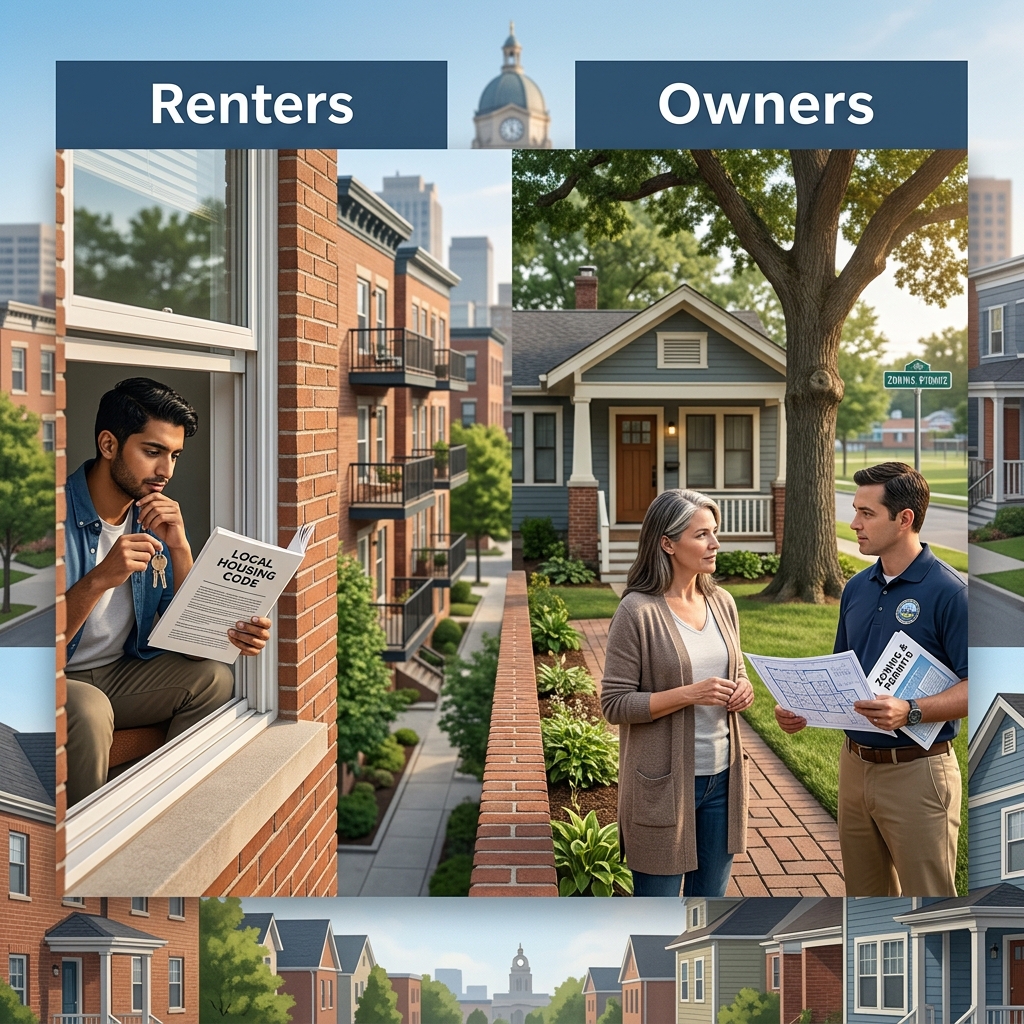
Rental housing is governed by several layers of law: federal statutes, state landlord-tenant acts, and local ordinances adopted by cities and counties. Knowing how these layers fit together is essential for both tenants and landlords who want to avoid disputes and stay compliant.
This article explains how local housing laws work, the common types of ordinances you may encounter, and practical steps for finding and using those rules in everyday rental situations. It is inspired by public legal education resources but written entirely in new language and structure for general guidance.
How Different Levels of Housing Law Fit Together
Every rental relationship is shaped by rules from at least three levels of government: federal, state, and local. These rules do not always say the same thing, and in some cases one level of law can override another.
Federal Housing Protections
At the top of the hierarchy are federal laws that apply nationwide. Key examples include:
- Fair housing laws that prohibit discrimination in renting based on protected characteristics such as race, color, religion, national origin, sex, disability, and family status.
- Federal health and safety rules addressing issues such as lead-based paint in older housing and accessibility standards in certain buildings.
Local ordinances cannot weaken these protections. A city cannot pass a rule that permits discrimination where federal law forbids it, although a local law may add additional protected classes—for example, sexual orientation or source of income—on top of the federal baseline.
State Landlord-Tenant Acts
Most states have a residential landlord-tenant act or similar statute that sets basic rights and duties for rental housing, including habitability, notice requirements, and eviction procedures. These acts often define core obligations that cannot be waived or reduced by local governments.
Some state acts expressly state that they supersede conflicting local ordinances on landlord-tenant relations, meaning that a city or county may not adopt rules that contradict state standards. In these states, local governments typically focus on areas left open by state law, such as inspection programs or supplemental tenant protections.
Local Ordinances and Regulations
Cities, towns, and counties use their power to regulate housing through ordinances, resolutions, and administrative regulations. These local laws form the closest layer to the day-to-day realities of tenants and landlords, addressing issues such as rental licensing, building conditions, and rent control.
Where state law allows it, local ordinances can provide stronger protections—for example, stricter health standards or additional tenant notice requirements—so long as they do not conflict with state statutes or federal law.
What Local Housing Laws Typically Cover
Local housing laws vary widely, but several common topics appear in many municipalities. Understanding these topics helps you know what to look for when you research rules in your own area.
Building and Housing Codes
One of the most important local tools is the housing or property maintenance code, which sets minimum standards for the condition and safety of rental housing.
- Requirements for adequate heat, hot and cold water, lighting, and sanitation.
- Rules on structural safety, including safe stairways, handrails, and fire exits.
- Prohibitions on renting unsafe spaces such as illegally converted basements or cellars.
Local housing inspectors enforce these codes and can issue violations when landlords fail to comply. Owners may face fines, orders to correct violations, or in serious cases penalties for persistent noncompliance.
Rental Licensing and Registration
Many communities require landlords to obtain a license or register each rental unit. Typical objectives of these programs include:
- Ensuring that rental properties are inspected periodically for health and safety conditions.
- Creating a record of who owns and manages each rental building.
- Giving tenants and officials a clear point of contact when problems arise.
Operating without a required rental license can have serious consequences, such as fines or limits on a landlord’s ability to pursue eviction or collect rent until licensing rules are satisfied, depending on state and local law.
Rent Control and Rent Stabilization
Some local governments adopt rent regulation systems that limit how quickly rents can rise. Common models include:
- Rent control that sets strict caps on rent levels for certain units.
- Rent stabilization that allows regular, regulated increases and often guarantees renewal rights for tenants in covered apartments.
Where rent regulation exists, local or state agencies usually administer the system, handle complaints, and maintain rent histories for regulated apartments. Tenants and landlords must follow specific notice and registration rules set by the governing law.
Local Eviction and Notice Rules
State law generally controls court procedures for eviction, but local governments may influence related issues, such as access to housing court or requirements linked to local licenses and inspections.
State statutes commonly require landlords to give written notice of rent increases, termination of month-to-month tenancies, or nonrenewal of leases. Local ordinances may add further notice obligations or specify timelines for certain actions, especially in jurisdictions with strong tenant-protection traditions.
Anti-Discrimination Protections at the Local Level
Most anti-discrimination rules originate in federal and state law, but many cities and counties broaden these protections. A local human rights ordinance may list additional protected categories, such as age, marital status, immigrant status, sexual orientation, or source of income.
Owners may not deny housing based on these characteristics where they are protected, and local civil rights agencies or fair housing offices can investigate complaints and enforce penalties for violations.
Interaction Between Local Codes and State Landlord-Tenant Law
Local housing regulations do not exist in a vacuum. They must be interpreted alongside state landlord-tenant statutes and, where applicable, specialized state housing codes.
| Type of Rule | Who Makes It | Typical Content | Can Local Law Change It? |
|---|---|---|---|
| Federal fair housing protections | U.S. Congress and federal agencies | Anti-discrimination rules, accessibility duties | Local laws can expand but not weaken protections. |
| State landlord-tenant act | State legislature | Basic rights, duties, remedies in rental relationships | Local laws cannot conflict; some acts fully override local ordinances. |
| Local housing and building codes | City or county governing body | Health and safety standards, inspections, licensing | Must fit within boundaries set by state and federal law. |
| Local rent control rules | Municipal government (where allowed) | Limits on rent increases, renewal rights in regulated units | Often authorized or constrained by specific state statutes. |
Practical Steps to Find Local Housing Laws
Because local rules are different in every jurisdiction, there is no single nationwide source that lists them all. Instead, tenants and landlords need to take targeted steps to identify the laws that apply where they live or operate.
Start with City or County Government
Most local ordinances are published or referenced by the relevant local government offices. Helpful starting points include:
- City hall or county administrative offices – Many maintain printed or online copies of local codes, including housing and rental ordinances.
- Municipal websites – Local governments often host searchable code databases that include chapters on buildings, zoning, and landlord-tenant rules.
- Housing or code enforcement departments – Staff can explain inspection procedures and provide copies of relevant regulations.
Use Courts and Law Libraries
Where online access is limited, law libraries and court self-help centers are valuable resources. State judicial systems may provide guides to landlord-tenant law, including references to local ordinances used in housing cases.
- Look for state law libraries or public law collections, which frequently keep municipal codes and explanatory materials on housing issues.
- Review court websites for landlord-tenant sections that describe how local rules interact with statewide procedures.
Check Public Legal Education Resources
Nonprofit legal organizations and state bar associations often publish guides to tenants’ and landlords’ rights that mention how local laws operate within the broader legal framework.[10] These guides can provide plain-language explanations of complex statutes and help you identify issues to research further in the actual code.
Common Issues Where Local Law Matters
In many disputes, the key question is not just what the lease says, but what local law requires. Below are some recurring situations where local ordinances tend to play a role.
Habitability and Repairs
Local housing codes frequently define what makes a rental unit fit to live in. Typical obligations for owners include:
- Providing heat at specified minimum temperatures during cold weather.
- Ensuring reliable hot and cold running water and functioning plumbing.
- Maintaining safe electrical systems and adequate lighting in common areas.
When tenants report serious repair issues, code enforcement officers may inspect the property and issue violations. In some places, persistent violations can lead to fines, court orders, or limitations on a landlord’s ability to evict until hazards are corrected.
Illegal Conversions and Unsafe Spaces
Local building rules often prohibit using certain spaces for regular living, such as cellars and basements that do not meet safety standards. Renting such areas can expose owners to civil and criminal penalties. Tenants who discover they are living in an unlawfully converted unit may have unique defenses or remedies under local law.
Rent Increases and Renewal Notices
State law commonly requires written notice of rent increases above a certain threshold or of decisions not to renew a lease, especially when a tenant has lived in the unit for an extended period. In cities with rent regulation, landlords may need approval from a rent board or compliance with strict formulas for increases.
Local ordinances can also set minimum notice periods for rent changes or termination of periodic tenancies, going beyond the baseline rules in state statutes as long as they do not conflict.
Eviction Procedures and Local Limitations
Although eviction is ultimately governed by state law and court rules, some local governments influence the process by requiring compliance with housing codes, rental registration, or other conditions before an owner may pursue removal of a tenant.
Tenants should never ignore court papers, even if they believe local rules have been violated, because failing to appear can result in a default judgment and eviction. Instead, they should raise local law issues as defenses or seek legal help to present them properly.
Balancing Rights and Responsibilities
Local housing laws aim to balance the interests of owners and renters while protecting public health and safety. Both sides have clear responsibilities under this framework.
Landlord Responsibilities Under Local Law
- Complying with building and housing codes, including timely correction of violations.
- Obtaining and maintaining required rental licenses or registrations.
- Honoring anti-discrimination rules and equal housing opportunities.
- Providing lawful notice of rent changes, entry to the unit where required, and termination of tenancy consistent with state and local rules.
Tenant Responsibilities Under Local Law
- Allowing access for legitimate inspections or repairs when required by law or the lease.
- Using the premises in a way that complies with local safety and nuisance rules.
- Responding promptly to legal notices and court papers in housing disputes.
- Reporting serious hazards to landlords or local code enforcement rather than ignoring dangerous conditions.
Frequently Asked Questions (FAQs)
1. Do local housing laws apply even if my lease does not mention them?
Yes. Ordinances and codes apply regardless of what the lease says. A rental agreement cannot legally waive core health, safety, or anti-discrimination protections created by federal, state, or local law.
2. Can a city make its own landlord-tenant rules?
Many cities adopt ordinances addressing rental housing, but their authority is limited by state law. In some states, a residential landlord-tenant act expressly overrides conflicting local ordinances, while still allowing local housing and building codes that focus on habitability and safety.
3. How do I find out if my town has rent control?
Start by checking your city or county’s official website for references to rent regulation, rent control, or rent stabilization. If you live in a state known for rent-regulated housing, the state housing agency or attorney general’s office may also publish guides explaining which localities have rent-controlled or stabilized units and how those programs work.
4. Who enforces local housing codes?
Local code enforcement or housing departments typically inspect properties, issue violation notices, and, when necessary, bring enforcement actions against noncompliant owners. In large cities, specialized housing agencies may also run complaint hotlines and publish public guides, such as housing rule summaries for tenants and owners.
5. What should I do if I receive legal papers about an eviction?
You should not ignore them. Even if you believe local housing rules have been violated or your landlord lacks a required license, state law generally requires that defenses be raised in court. Ignoring court papers can lead to a default judgment and eviction, along with potential collection efforts against your income or property.
References
- Virginia Residential Landlord and Tenant Act — Commonwealth of Virginia, Virginia Law. 2023-07-01. https://law.lis.virginia.gov/vacodepopularnames/virginia-residential-landlord-and-tenant-act/
- Landlord – Tenant — Maryland People’s Law Library. 2023-05-10. https://www.peoples-law.org/cat/landlord-tenant
- Residential Landlord and Tenant Act (Mississippi) — Office of the Mississippi Attorney General. 2021-07-01. https://attorneygenerallynnfitch.com/wp-content/uploads/2021/07/Residential-Landlord-and-Tenant-Act.pdf
- Tenants’ Rights in New Jersey — Legal Services of New Jersey. 2018-01-01. https://proxy.lsnj.org/rcenter/GetPublicDocument/Sites/LAW/Documents/Publications/Manuals/TenantsRights.pdf
- Residential Tenants’ Rights Guide — Office of the New York State Attorney General. 2022-01-01. https://ag.ny.gov/sites/default/files/tenants_rights.pdf
- Tenant Rights and Responsibilities — New York City Department of Housing Preservation and Development (HPD). 2023-09-15. https://www.nyc.gov/site/hpd/services-and-information/tenants-rights-and-responsibilities.page
- LEGALease: Rights of Residential Owners and Tenants — New York State Bar Association. 2019-06-01. https://nysba.org/legalease-rights-of-residential-owners-and-tenants/
Similar Articles








Read full bio of Sneha Tete


