
Understanding Gay Marriage Laws in the United States
A practical, up-to-date overview of same-sex marriage rights, recognition, and protections across the United States.
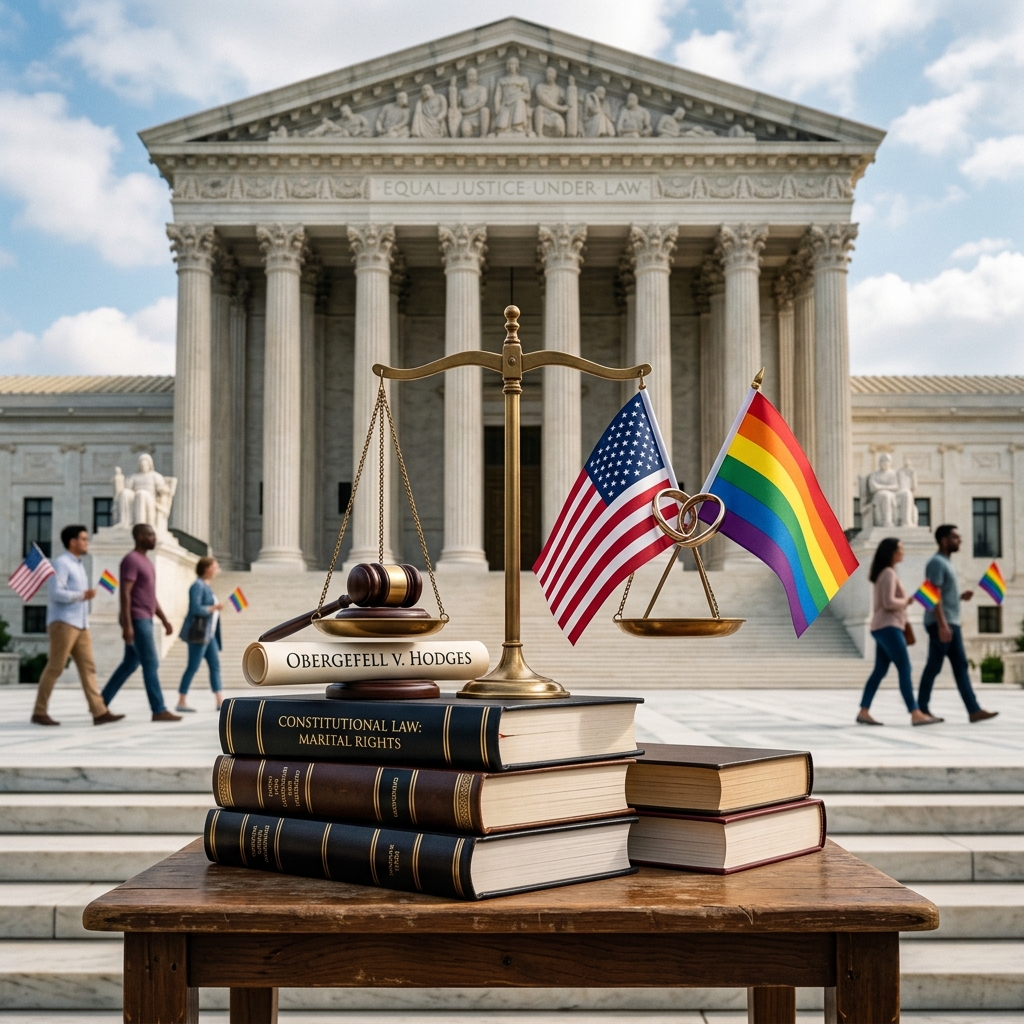
Same-sex marriage, often referred to as gay marriage, is now legally recognized across the United States, but the path to full recognition was long and complex, and the current legal landscape still has important nuances for couples to understand.
This guide explains how same-sex marriage became lawful nationwide, what federal and state rules currently apply, and what practical legal issues same-sex spouses should consider when planning their lives together.
From Prohibition to Nationwide Recognition
For much of U.S. history, marriage laws limited the institution to unions between one man and one woman, leaving same-sex couples without access to the rights and protections tied to marriage.
The legal recognition of same-sex marriage grew gradually through state court decisions, state statutes, and ballot measures, culminating in a landmark ruling by the U.S. Supreme Court in 2015 that required all states to allow and recognize same-sex marriages.
Key Milestones on the Road to Equality
- Early State-Level Changes: In 2004, Massachusetts became the first state to allow same-sex couples to marry following the decision in Goodridge v. Department of Public Health, which held that denying marriage to same-sex couples violated the state constitution.
- Defense of Marriage Act (DOMA): In 1996, Congress enacted DOMA, defining marriage for federal purposes as the union of one man and one woman and allowing states to refuse recognition of same-sex marriages performed elsewhere.
- Federal Shift in United States v. Windsor (2013): The Supreme Court struck down the federal definition of marriage in DOMA, requiring the federal government to recognize same-sex marriages valid under state law for purposes such as tax, immigration, and benefits.
- Nationwide Marriage Equality in Obergefell v. Hodges (2015): The Supreme Court held that denying same-sex couples the right to marry violates the Due Process and Equal Protection Clauses of the Fourteenth Amendment, making marriage equality the law in all 50 states.
- Statutory Protection in the Respect for Marriage Act (2022): Congress repealed the remaining federal provisions of DOMA and enacted a law requiring federal recognition of same-sex and interracial marriages and mandating states to recognize valid out-of-state marriages.
Why Constitutional Rights Matter
The Supreme Court has treated marriage as a fundamental right that cannot be denied without strong justification. In Obergefell, the Court emphasized that same-sex couples are entitled to the same dignity, benefits, and responsibilities as different-sex couples.
This constitutional protection means that states must provide marriage licenses to same-sex couples and grant them access to the full set of rights tied to civil marriage, such as inheritance rights, parental presumptions, and spousal decision-making authority.
Current Legal Status of Same-Sex Marriage
As of today, civil marriage for same-sex couples is recognized in every U.S. state and the District of Columbia, because state marriage laws must comply with the Supreme Court’s constitutional interpretation.
However, underlying state statutes and constitutional provisions that once banned same-sex marriage often remain on the books, even though they cannot be enforced.
Federal Recognition and Protection
Federal law now explicitly recognizes same-sex marriages that are valid under state law. The Respect for Marriage Act establishes several important rules:
- Federal Definition of Marriage: Marriage is defined as a union between two individuals that is valid in the state where the marriage was performed.
- Out-of-State Recognition: States must give full faith and credit to same-sex marriages validly performed in other states; they cannot refuse recognition based on sex, race, ethnicity, or national origin.
- Limits and Safeguards: The Act does not require recognition of marriages involving more than two persons and preserves existing constitutional and statutory protections for religious liberty.
These rules ensure that a marriage between two adults that is lawful in one state will be recognized across the country, even if local laws or politics are hostile to marriage equality.
State-Level Marriage Laws After Obergefell
Even though same-sex marriage is fully legal nationwide, state marriage codes continue to play a central role in regulating the mechanics of marriage and divorce.
Important state-level elements include:
- Requirements to obtain a marriage license (such as age limits and waiting periods).
- Procedures for solemnization and registration of the marriage.
- Rules governing property division, spousal support, and child custody if the marriage ends.
- Presumptions about parentage when a child is born into a marriage.
These rules apply equally to same-sex and different-sex couples, but the historical presence of bans and constitutional amendments still raises questions about how states might respond to future changes in federal constitutional doctrine.
Marriage on Tribal Lands and U.S. Territories
Federally recognized tribal nations have a degree of sovereignty and may set their own marriage laws, although many have chosen to align with federal protections and allow same-sex marriages.
Most U.S. territories follow federal constitutional requirements, but some territories historically had different rules or slower implementation, making it important for couples to verify local practices if they reside or marry outside the states and D.C.
Practical Legal Effects of Marriage for Same-Sex Couples
Legal marriage creates a wide array of rights and responsibilities at both the state and federal level. After Windsor and Obergefell, same-sex couples gained access to the same federal benefits as married different-sex couples.
Federal Benefits and Responsibilities
- Taxation: Married couples can file joint federal income tax returns and access spousal tax benefits and obligations.
- Immigration: U.S. citizens may sponsor a same-sex spouse for lawful permanent residence under the same rules that apply to different-sex couples.
- Social Security and Retirement: Eligibility for spousal and survivor benefits is available to same-sex spouses, subject to the same earnings and timing rules.
- Military Benefits: Married same-sex partners of service members can receive health coverage, housing benefits, and survivor benefits that depend on legal marital status.
- Bankruptcy and Federal Procedure: Federal recognition extends to contexts such as joint bankruptcy filings and evidentiary privileges, including spousal testimonial protections.
State-Level Rights and Protections
At the state level, marriage affects critical aspects of everyday life:
- Property and Inheritance: Spouses often have default rights to inherit without a will and may benefit from community property or equitable distribution rules in divorce.
- Health Care Decision-Making: Married partners are usually the first in line to make medical decisions for an incapacitated spouse and to visit them in hospitals.
- Parental Rights: Many states presume that a child born during a marriage is the legal child of both spouses, although assisted reproduction and adoption can still raise special issues for same-sex couples.
- Wrongful Death and Lawsuits: Spouses may sue for wrongful death or loss of consortium and may receive damages or benefits reserved for recognized family members.
Planning Tools for Married Same-Sex Couples
Even with marriage equality, proactive legal planning is important. Guidance for military couples highlights several tools that are valuable for all couples, regardless of employment or location.
- Wills and Estate Planning: A written will, powers of attorney, and beneficiary designations clarify how property is distributed and who can act on a spouse’s behalf.
- Health Care Directives: Advance directives and living wills document preferences for medical treatment and designate decision-makers if a person becomes unable to make choices.
- Joint Ownership: Titling property jointly, often with rights of survivorship, helps ensure that a surviving spouse receives full ownership automatically upon the other’s death.
- Parenting Agreements: Agreements setting out parental rights and responsibilities can help protect non-biological parents and provide clarity in case of separation.
Religious Freedom and Civil Marriage
U.S. law draws a distinction between civil marriage (recognized by the state) and religious ceremonies or doctrines.
While the Constitution and federal statutes require government recognition of valid same-sex marriages, they do not compel religious organizations to perform or endorse such marriages.
How the Respect for Marriage Act Addresses Religion
The Respect for Marriage Act explicitly states that it does not affect existing religious liberty protections. Among other points:
- Religious organizations are not required to provide services, facilities, or solemnization for marriages they do not wish to recognize.
- The Act does not alter benefits or rights that do not arise from marriage itself, leaving internal religious rules about membership or sacraments untouched.
This approach aims to balance equal civil marriage rights with robust protection for religious conscience.
Continuing Legal and Social Developments
Although marriage equality is firmly established, the legal environment continues to evolve. Many states still have dormant constitutional amendments or statutes that prohibit same-sex marriage.
Some states have begun removing these provisions. For example, recent reforms in states such as Colorado have repealed old bans and replaced statutory definitions of marriage with gender-neutral language.
Changing Numbers of Married Same-Sex Couples
Research from the Williams Institute at UCLA shows that the number of married same-sex couples has grown substantially since nationwide marriage equality began.
| Year | Estimated Married Same-Sex Couples |
|---|---|
| 2015 | Approximately 390,000 couples |
| 2025 | Approximately 823,000 couples |
This near doubling reflects growing social acceptance, greater legal security, and the practical importance of the protections marriage provides.
Potential Future Challenges
Advocates and legal scholars continue to monitor possible challenges to Obergefell and other decisions.
If the Supreme Court were to revisit its prior rulings, underlying state bans could become legally significant again. However, the Respect for Marriage Act would still require states to recognize valid marriages performed elsewhere, offering an additional layer of protection even in a more uncertain constitutional environment.
Frequently Asked Questions About Gay Marriage Laws
Is same-sex marriage legal in every U.S. state?
Yes. Same-sex marriage is legal in all 50 states and the District of Columbia due to the Supreme Court’s decision in Obergefell v. Hodges, which requires states to license and recognize marriages between same-sex couples on the same terms as opposite-sex couples.
Can a state refuse to recognize a same-sex marriage from another state?
No. Under the Respect for Marriage Act, states must recognize same-sex and interracial marriages that were validly performed in other states; they cannot deny recognition based on the sex, race, ethnicity, or national origin of the spouses.
Do married same-sex couples receive the same federal benefits as other married couples?
Yes. Following United States v. Windsor and Obergefell, the federal government treats same-sex marriages the same as different-sex marriages for purposes of taxation, immigration, Social Security, military benefits, and a wide range of other federal programs.
Are religious organizations required to perform same-sex marriages?
No. The Constitution and federal statutes, including the Respect for Marriage Act, do not require religious organizations to conduct or celebrate marriages they do not endorse. Civil recognition of marriage is separate from religious rites.
What should same-sex couples consider before getting married?
Couples should consider the legal consequences of marriage, including tax status, property rights, parental presumptions, and obligations in the event of divorce. Consulting with a family law attorney or financial adviser can help clarify how marriage will affect their specific circumstances.
Do old state bans on same-sex marriage still matter?
These provisions cannot be enforced under current Supreme Court precedent, but they can create uncertainty about how states might respond if federal constitutional protections change in the future. Many advocates encourage states to repeal them to align statutory language with present law.
Checklist for Same-Sex Couples Considering Marriage
Before and after marrying, same-sex couples can take several practical steps to protect their rights:
- Confirm state marriage license requirements and waiting periods.
- Discuss how marriage will affect taxes, benefits, and property ownership.
- Prepare or update wills, powers of attorney, and health care directives.
- Review beneficiary designations on retirement accounts and life insurance.
- Consider formalizing parental rights through adoption or court orders where needed.
- Consult a lawyer familiar with LGBTQ+ family law if they live in a state with historically hostile statutes.
References
- Same-sex marriage in the United States — Wikipedia (summary of legal history relying on primary sources). 2024-03-30. https://en.wikipedia.org/wiki/Same-sex_marriage_in_the_United_States
- H.R. 8404 – Respect for Marriage Act — U.S. Congress. 2022-12-13. https://www.congress.gov/bill/117th-congress/house-bill/8404
- Same-sex marriage law in the United States by state — Wikipedia (legal overview by jurisdiction, citing primary sources). 2025-05-20. https://en.wikipedia.org/wiki/Same-sex_marriage_law_in_the_United_States_by_state
- Over 820,000 married same-sex couples live in the U.S. — Williams Institute, UCLA School of Law. 2025-07-01. https://williamsinstitute.law.ucla.edu/press/marriage-obergefell-press-release/
- Information for Military Couples in a Legal, Same-Sex Marriage — Military OneSource (U.S. Department of Defense program). 2023-04-10. https://www.militaryonesource.mil/financial-legal/legal/legally-married-same-sex-couples-info/
Similar Articles








Read full bio of medha deb


