
Reckless Driving: What Makes A Felony And How You’re Punished
Learn when reckless driving crosses the line from a traffic offense into a criminal misdemeanor or felony, and what that means for your record and future.
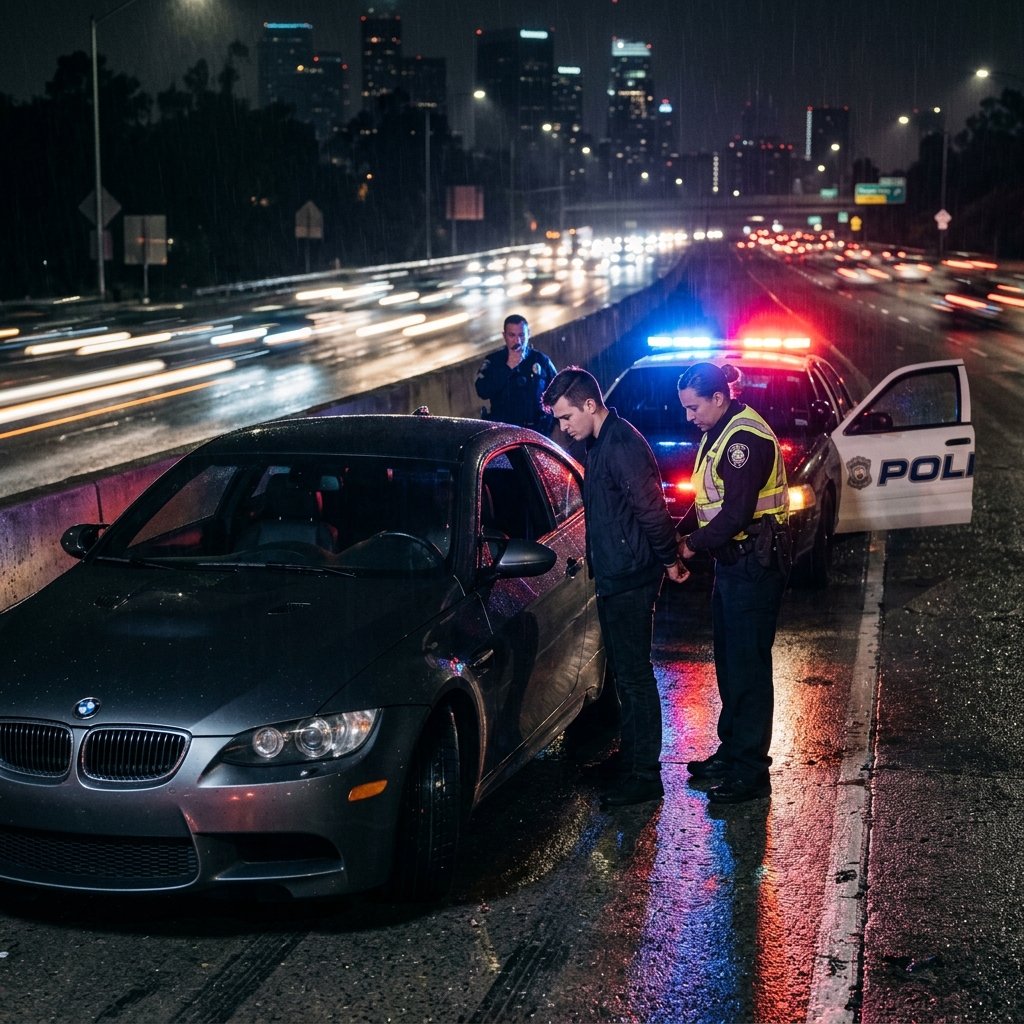
Reckless driving is far more serious than a routine speeding ticket. In many states it is treated as a criminal offense, and in some situations it can even be charged as a felony when it causes serious harm or involves particularly dangerous behavior.[10]
This article explains how reckless driving is defined, when it becomes a felony, the penalties you may face, and why taking these charges seriously is critical for your criminal record, driver’s license, and future.
What Does “Reckless Driving” Mean?
Across the United States, reckless driving generally refers to operating a vehicle with a willful or wanton disregard for the safety of others or their property.[10] In plain language, this means driving in a way that you know (or should know) is highly dangerous and likely to cause an accident or injury.
Core Legal Concept
Although the wording differs state by state, many statutes use similar language. For example:
- Florida law defines reckless driving as driving a vehicle “in willful or wanton disregard for the safety of persons or property.”[10]
- Virginia’s main reckless driving statute covers driving “recklessly or at a speed or in a manner so as to endanger the life, limb, or property of any person” regardless of the posted speed limit.
These definitions focus on disregard for consequences. It is not enough that your driving is merely careless or negligent; the conduct must reach a level that shows indifference to whether someone is hurt.
Typical Behaviors That May Be Reckless
Reckless driving can include many kinds of dangerous behavior. Common examples are:
- Driving far above the speed limit, such as 20 mph or more over the limit or above 85 mph on a highway (in some states).
- Weaving aggressively through traffic or tailgating at high speeds.
- Running red lights or stop signs in a way that clearly risks a collision.
- Driving a vehicle that is not under proper control or has faulty brakes.
- Fleeing a law enforcement officer in a motor vehicle, which is considered reckless driving automatically in Florida.[10]
Whether a specific act is considered reckless will depend on local law and the facts of the situation, such as traffic, road conditions, and whether anyone was injured.
Reckless Driving: Traffic Offense or Crime?
One of the most confusing aspects of reckless driving is that it can be treated very differently from state to state. In some jurisdictions, it is primarily a traffic offense. In others, it is clearly a criminal charge with the potential for jail time and a lasting record.
Misdemeanor Status in Many States
In a large number of states, reckless driving is classified as a misdemeanor crime, not merely a civil infraction.
- Virginia: Every person convicted of reckless driving under the relevant article is guilty of a Class 1 misdemeanor, the most serious misdemeanor category in that state.
- Wisconsin: Reckless driving is treated as a criminal offense, with fines and potential imprisonment that increase for repeat offenses or injuries.
A misdemeanor conviction usually means the charge can appear on your criminal background check, may need to be disclosed on job or housing applications, and can carry both fines and possible jail time.
States Where It May Be Primarily a Traffic Violation
Some states treat certain types of reckless driving more like severe traffic violations, with fines and points but limited or no jail exposure, at least for a first offense. Even in those states, however, factors like injuries or repeat offenses can elevate the consequences.
The key takeaway is that you cannot assume reckless driving is “just a ticket.” In many places, it is a criminal matter from the start.
When Does Reckless Driving Become a Felony?
Reckless driving is usually a misdemeanor. It becomes a felony only in specific circumstances outlined by state law. While the details differ, several common patterns appear:
- Serious bodily injury to another person.
- Death of another person.
- Reckless driving combined with other serious offenses (such as fleeing police or driving with a suspended license due to prior violations).
Felony Triggers in Selected States
| State | Felony Trigger | Reference |
|---|---|---|
| Virginia | Causing serious bodily injury or death, often with additional conditions (for example, driving while license is suspended for a moving violation). | |
| Florida | Reckless driving causing serious bodily injury to another person is a third-degree felony. | [10] |
Under Virginia law, a person who commits reckless driving and causes serious bodily injury to another person may be guilty of a Class 6 felony, and causing someone’s death can result in a felony with a potential prison term of one to twenty years.
In Florida, reckless driving that causes serious bodily injury is a third-degree felony, punishable under the state’s general felony sentencing statutes.[10] The law defines “serious bodily injury” as a condition creating substantial risk of death, serious disfigurement, or protracted loss or impairment of bodily function.[10]
Key Elements in Felony Reckless Driving
Although statutes vary, felony reckless driving statutes typically share three major elements:
- Dangerous driving conduct: The driver’s behavior must meet the legal definition of reckless driving.
- Causation: The reckless driving must directly cause the serious injury or death of another person.
- Severity of harm: The harm must meet the statute’s threshold (serious bodily injury or fatality).
Some laws add extra requirements, such as the driver having a suspended license due to prior moving violations, or being in violation of separate statutes like certain racing provisions.
Typical Penalties for Reckless Driving
Penalties depend heavily on whether the charge is treated as an infraction, misdemeanor, or felony, and whether there are aggravating factors like injuries or prior convictions.
Misdemeanor Reckless Driving Penalties
Common consequences for misdemeanor reckless driving can include:
- Fines: Ranging from modest amounts for first offenses to several thousand dollars for repeat or aggravated cases.
- Jail time: Short-term incarceration is possible, particularly for repeat offenses or where someone is hurt.[10]
- Probation: Courts may impose probation with conditions such as driver improvement courses or community service.
- Driver’s license impact: Points on your license, suspension, or revocation, depending on state law and your driving record.
In Virginia, a Class 1 misdemeanor can carry up to 12 months in jail and significant fines, along with license consequences imposed by the Department of Motor Vehicles. In Wisconsin, penalties increase if the reckless driving causes minor or great bodily injury, with fines and potential prison terms that escalate for repeated offenses.
Felony Reckless Driving Penalties
When reckless driving is charged as a felony, the potential penalties are much more serious. Depending on the statute and facts, consequences may include:
- Lengthy incarceration: Felony sentences commonly span from one year to multiple years in state prison.[10]
- Substantial fines: Felony fines can reach thousands of dollars, especially where serious injury or death occurs.[10]
- Extended license revocation: Long-term loss of driving privileges may accompany felony convictions.
- Permanent criminal record: A felony conviction can have lifelong consequences for employment, housing, and civil rights.
For instance, Virginia allows a prison term between one and twenty years for certain felony reckless driving cases involving death. Florida classifies reckless driving causing serious bodily injury as a third-degree felony, which can result in up to five years in prison under the state’s general sentencing rules.[10]
Collateral Consequences Beyond Court Penalties
The formal sentence is only part of the impact. Reckless driving, particularly as a felony or serious misdemeanor, can create long-term challenges.
- Criminal record: A conviction may appear on background checks used by employers, landlords, and licensing boards.
- Insurance premiums: Auto insurers often treat reckless driving as a high-risk indicator, leading to steep premium increases or cancellation.
- Professional licensing: Certain professions, such as commercial drivers, health care providers, and security personnel, may face licensing issues after serious driving convictions.
- Immigration consequences: For non-citizens, some criminal traffic offenses can affect immigration status, though details depend on federal law and individual circumstances.
These indirect consequences are a major reason why people often seek legal advice quickly when facing reckless driving charges.
How State Laws Differ on Reckless Driving
There is no single national standard for reckless driving. Each state sets its own definitions, thresholds, and penalties. Understanding a few key differences can help you see why the exact location of your charge matters.
Different Thresholds for Speed-Based Reckless Driving
Many states consider extreme speeding as a form of reckless driving, but the threshold varies. Virginia, for example, treats driving 20 mph or more over the speed limit, or over 85 mph regardless of the limit, as reckless. Other states may use different speed thresholds or rely more on an officer’s judgment about dangerous driving conditions.
Variation in Injury-Related Enhancements
States also differ on how they treat reckless driving that causes injury:
- Some classify injury-related reckless driving as an aggravated misdemeanor, with higher fines and longer jail potential.
- Others, like Florida and Virginia, create explicit felony categories for serious injury or death.[10]
These differences underscore why legal advice usually needs to be state-specific.
What to Do If You Are Charged With Reckless Driving
Because reckless driving can carry criminal penalties and long-term consequences, responding strategically is important. While this article cannot replace legal counsel, there are practical steps most defendants consider.
Immediate Steps
- Read the citation or charging document carefully: Identify the exact statute number and whether the charge is described as a misdemeanor, felony, or traffic infraction.
- Note court dates and deadlines: Failing to appear can lead to additional charges or warrants.
- Gather evidence: Photos of the scene, weather conditions, dashcam footage, and witness contact information can be important.
Considering Legal Representation
Because the law is complex and varies by jurisdiction, many people consult an attorney experienced with traffic and criminal cases. Counsel can:
- Explain local statutes and how they apply to your situation.
- Evaluate the strength of the evidence, including speed measurements and officer testimony.
- Negotiate with prosecutors for reduced charges (for example, from reckless driving to improper driving or a lesser speeding offense, where permitted).
- Represent you at hearings and trial.
Court outcomes can range from dismissal to conviction, or to plea agreements that reduce charges or penalties. The options depend heavily on the facts and the jurisdiction.
FAQs About Felony Reckless Driving
Is reckless driving always a felony?
No. Reckless driving is usually a misdemeanor or serious traffic offense. It becomes a felony only when specific statutory conditions are met, such as causing serious bodily injury or death.[10]
Can a first-time reckless driving offense be a felony?
Yes, in some circumstances. If a first offense involves conduct and harm that meet the felony criteria, such as serious bodily injury to another person, it may be charged as a felony even without prior convictions, depending on state law.[10]
Does reckless driving go on my criminal record?
In states where reckless driving is classified as a misdemeanor or felony, a conviction generally appears on your criminal record. Traffic infractions that are not criminal typically appear only on your driving record and insurance history.
Can reckless driving charges be reduced?
Sometimes. Prosecutors may agree to reduce reckless driving charges to less serious offenses (such as improper driving or standard speeding) based on evidence, driving history, and local policies. Outcomes vary widely by state, court, and case.
Is fleeing the police always considered reckless driving?
Not always, but in some states it is specifically defined as reckless driving. For example, Florida law states that fleeing a law enforcement officer in a vehicle is reckless driving per se.[10] Other states may treat it as a separate offense or an aggravating factor.
References
- Article 7. Reckless Driving and Improper Driving — Code of Virginia, Title 46.2, Chapter 8. 2024-01-01 (last updated). https://law.lis.virginia.gov/vacodefull/title46.2/chapter8/article7/
- Florida Statute 316.192: Reckless Driving — Florida Legislature, Online Sunshine. 2024-01-01 (last updated). https://www.leg.state.fl.us/statutes/index.cfm?App_mode=Display_Statute&URL=0300-0399/0316/Sections/0316.192.html
- Reckless Driving Laws by State — FindLaw. 2023-06-15. https://www.findlaw.com/traffic/traffic-tickets/reckless-driving.html
- Reckless Driving Laws: 50-State Survey — Justia Criminal Law Center. 2023-09-10. https://www.justia.com/criminal/offenses/traffic-offenses/reckless-driving-laws-50-state-survey/
- Reckless Driving Meaning and Laws By State — ConsumerShield Research. 2026-03-20. https://www.consumershield.com/injuries-accidents/car-accidents/reckless-driving
- Reckless Driving Charges Explained: Penalties and How to Protect Yourself — Dischley Law, PLLC. 2025-07-01. https://www.dischleylaw.com/blog/2025/july/reckless-driving-charges-explained-penalties-and/
Similar Articles








Read full bio of Sneha Tete




