
Understanding Tenant Volunteer Lawyer Day Programs
How same-day volunteer lawyer programs help tenants navigate rent court, eviction, and housing disputes with free, targeted legal support.
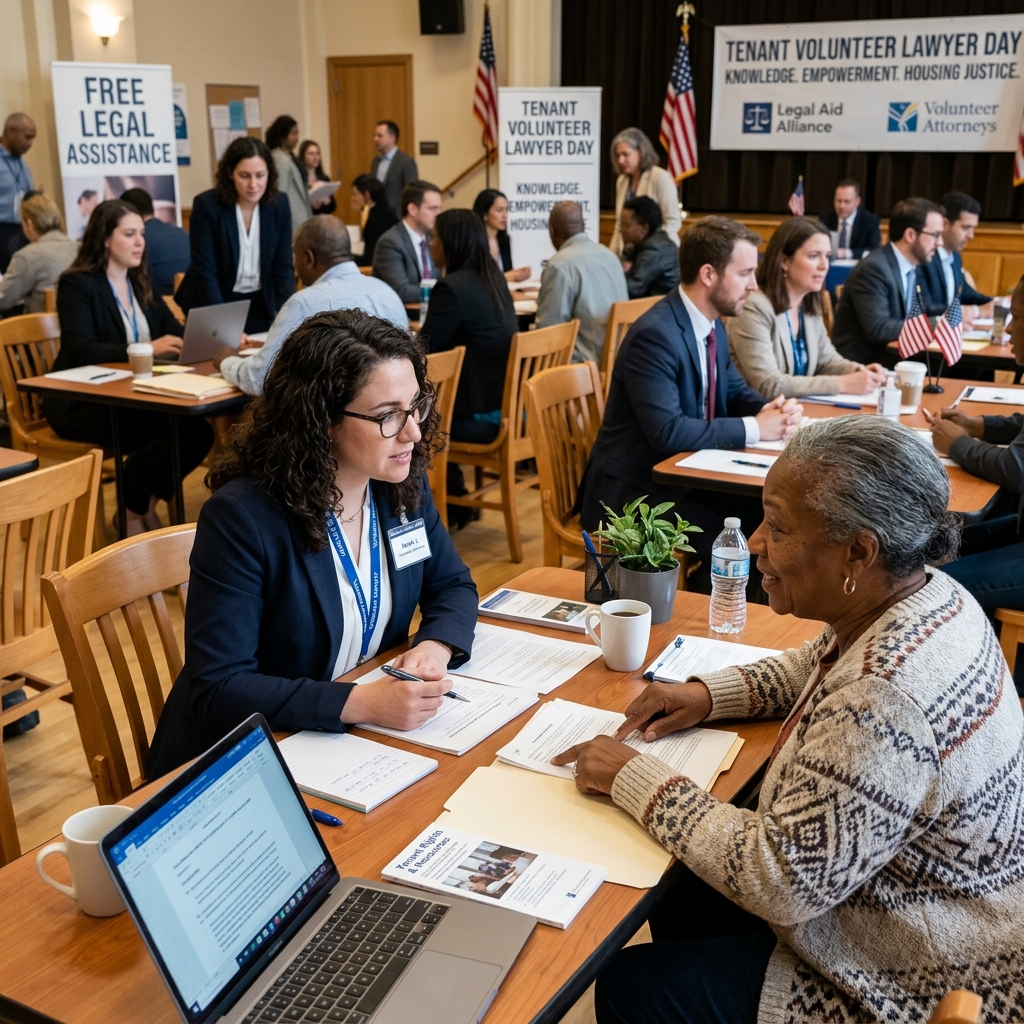
Across the United States, many renters appear in rent court or eviction proceedings without a lawyer, even though the consequences can include losing their home and damaging their credit. Tenant Volunteer Lawyer Day programs respond to this gap by providing same-day, free legal help from volunteer attorneys to tenants who otherwise could not afford representation. These initiatives improve access to justice, help tenants understand their rights, and promote fair, lawful outcomes in housing disputes.
What Is a Tenant Volunteer Lawyer Day Program?
A Tenant Volunteer Lawyer Day program is a coordinated effort—typically run by a legal services organization, bar association, or public interest group—to bring volunteer attorneys and sometimes law students into rent or housing courts on specific days. On those days, tenants can receive legal advice and, in many cases, limited representation for their cases scheduled that same day.
- Focus on housing disputes: These programs mainly assist renters involved in nonpayment of rent, breach of lease, and other landlord–tenant matters that can lead to eviction.
- Same-day assistance: Volunteers are present in the courthouse during designated hours and work with tenants whose hearings or mediations are scheduled that day.
- Short-term, targeted help: Services often include brief advice, document preparation, negotiating with landlords, or representation at a hearing or mediation session.
- Free of charge: Tenants do not pay fees; funding typically comes from grants, bar associations, charitable contributions, and pro bono commitments.
In Maryland, for example, the Tenant Volunteer Lawyer of the Day Program offers same-day advocacy in rent court to protect tenants’ rights in Baltimore City and Baltimore County. Similar “Lawyer for the Day” models operate in housing courts in other states, such as Massachusetts and Texas, often under different names but with the same core mission.
Why These Programs Matter for Tenants
Eviction and rent court cases move quickly and can be confusing. Research shows that low-income tenants rarely have legal representation, while landlords far more often appear with counsel. This imbalance can affect whether a tenant can raise valid defenses, negotiate payment plans, or secure more time to move.
Tenant Volunteer Lawyer Day programs address several critical needs:
- Access to legal information: Tenants learn about notice requirements, defenses to eviction, procedural rules, and what to expect at hearings.
- Protection of due process rights: Lawyers help ensure tenants receive proper notice, that court orders comply with housing law, and that tenants can present evidence and arguments effectively.
- Stabilization of housing: With legal help, tenants may negotiate payment plans, repair agreements, or move-out dates that minimize disruption to families.
- Preventing avoidable evictions: Some cases involve errors in the complaint, misapplied law, or landlord violations of housing codes. Lawyers can identify these issues and advocate for dismissal or alternative resolutions.
These programs also support the court system by making hearings more efficient. When both sides understand procedures and legal standards, judges can focus on the merits rather than clarifying basic rights.
How Tenant Volunteer Lawyer Day Programs Typically Operate
While every jurisdiction designs its own approach, many programs share common features. The following table summarizes how a typical Tenant Volunteer Lawyer Day program functions:
| Program Feature | Typical Practice |
|---|---|
| Location | Rent or housing courts in specific cities or counties; often in a designated courtroom or help desk. |
| Schedule | Specific days and hours each week aligned with the court’s landlord–tenant docket. |
| Staffing | Volunteer lawyers, supervised law students, and staff from legal services organizations. |
| Type of Assistance | Brief advice, help with forms, negotiation with landlords, representation in mediation or hearings. |
| Eligibility | Usually income-based, targeting low-income tenants and sometimes other vulnerable groups. |
| Cost to Tenants | Free, as part of broader legal aid and pro bono efforts. |
Services Tenants Can Expect
Although each program sets its own rules, tenants can usually expect several core services when they visit a Tenant Volunteer Lawyer Day program.
1. Legal Advice and Information
Volunteer lawyers typically begin with a brief interview to understand the tenant’s situation. They then explain:
- What claims the landlord has filed (for example, nonpayment of rent or alleged lease violations)
- Important deadlines and procedural steps in rent or eviction cases
- Defenses that might be available, such as improper notice or serious housing code violations
- What could happen at the hearing, including possible judgments and payment orders
This advice helps tenants make informed decisions about how to proceed and prepares them to speak effectively before the judge.
2. Help With Documents and Court Forms
Courts often require written responses, motions, or settlement agreements. Volunteers may assist with:
- Drafting answers to eviction complaints
- Writing requests for continuances when tenants need more time
- Preparing evidence lists or simple affidavits
- Reviewing proposed payment or move-out agreements
Properly completed documents reduce errors and help ensure tenants’ positions are clearly presented in the court record.
3. Negotiation and Mediation Support
Many housing courts encourage mediation or informal negotiation. Tenant Volunteer Lawyer Day programs often provide:
- Representation in mediation sessions
- Assistance in negotiating payment plans or timelines
- Guidance on securing repairs or addressing safety issues as part of an agreement
In some courts, volunteers accompany parties into these sessions, helping balance negotiating power between tenants and landlords.[10]
4. Limited Representation in Hearings
Depending on resources and program rules, some volunteers may represent tenants at their hearings for that day only. This usually includes:
- Presenting arguments and evidence to the judge
- Raising procedural objections where necessary
- Advocating for reasonable payment arrangements or dismissal of improper claims
Representation is typically limited to the specific hearing or case session, rather than long-term representation in all aspects of the tenant’s housing situation.
Who Is Eligible for Help?
Eligibility rules are set by each program, but they often share common criteria focused on financial need and case type.
- Income level: Many programs prioritize low-income tenants who would otherwise not be able to hire a lawyer, sometimes using percentage-of-poverty guidelines similar to other legal aid organizations.
- Type of case: Assistance usually focuses on residential landlord–tenant disputes, especially rent, habitability, and lease termination matters, rather than commercial property disputes.
- Location of the court: Programs operate in specific courts or counties; tenants must have hearings in those locations to receive same-day help.
For broader legal issues, such as family law, consumer debt, or public benefits, tenants may be referred to other legal aid providers or general volunteer lawyer programs.
How Tenants Can Prepare Before Visiting
Tenants can make the most of the program by arriving prepared. Bringing key information and documents helps volunteer lawyers provide accurate, effective assistance.
Essential Items to Bring
- All court papers, including the summons, complaint, and any prior orders
- Lease agreements and any written changes to the lease
- Rent receipts, bank statements, or other proof of payments made
- Photos or inspection reports showing repair or safety issues
- Copies of letters, emails, or text messages exchanged with the landlord
Tenants should also be ready to explain the history of their tenancy, including when they moved in, how much rent they pay, whether they have raised repair concerns, and whether they have received any written notices about eviction.
Volunteer Lawyer Roles and Responsibilities
Tenant Volunteer Lawyer Day programs depend on lawyers and law students who donate their time. Pro bono service is widely recognized by bar associations and courts as an important contribution to public access to justice.
Typical Volunteer Activities
- Staffing advice tables in the courthouse
- Conducting brief intake interviews with tenants
- Reviewing case files and identifying potential defenses
- Assisting with document preparation and negotiation
- Representing tenants in mediation sessions or hearings, when permitted
These activities are usually supervised by experienced housing attorneys or staff from legal aid organizations, especially when law students participate.[10]
Benefits for Courts, Communities, and Landlords
Although the focus is on helping tenants, Tenant Volunteer Lawyer Day programs also produce broader benefits.
- More efficient hearings: With legal guidance, tenants can narrow issues and avoid unnecessary delays, which helps courts manage heavy dockets.
- Improved compliance with law: Volunteer attorneys help ensure that procedures and judgments follow housing statutes and local rules, reducing the likelihood of improper or unenforceable orders.
- Better communication between landlords and tenants: Negotiated agreements supported by lawyers can clarify expectations around rent, repairs, and move-out dates, reducing future disputes.[10]
- Community stability: Avoiding unnecessary evictions can reduce homelessness and the strain on social services, which benefits local communities.
Finding a Tenant Volunteer Lawyer Day or Similar Program
Tenants should start by checking whether their local legal aid organization or bar association offers a “Lawyer of the Day” or housing court assistance program. Housing-focused legal services, statewide legal aid networks, and court websites are common starting points.
For example:
- In Maryland, a Tenant Volunteer Lawyer of the Day program operates in rent courts in Baltimore City and Baltimore County.
- In Massachusetts, a Housing Court Lawyer for the Day program provides advice and sometimes representation to unrepresented tenants and landlords.
- In Texas, statewide resources and local programs such as Houston Volunteer Lawyers connect low-income residents with free legal assistance, including landlord–tenant help.
Many state bar associations and court systems also publish directories of legal service providers, including specialized eviction and housing programs targeted at low-income tenants.
Frequently Asked Questions (FAQs)
Do I have to pay anything to use a Tenant Volunteer Lawyer Day program?
No. These programs are designed to offer free legal help to eligible tenants. Funding comes from legal aid organizations, bar associations, grants, and pro bono commitments by private attorneys.
Will the volunteer lawyer represent me in all aspects of my housing case?
Representation is typically limited to the rent court or housing court session scheduled on the day you seek help. The lawyer may provide advice, help with documents, negotiate with your landlord, and appear at a hearing or mediation that day, but ongoing representation beyond that is not guaranteed.
Can landlords use these programs as well?
Some housing court programs assist both tenants and landlords, while others focus exclusively on tenants. Where both sides may seek help, volunteers provide neutral legal advice tailored to each party’s role in the case.
What if there is no Tenant Volunteer Lawyer Day program in my area?
Tenants can still seek help from other legal aid providers, statewide legal hotlines, or volunteer lawyer programs. Many states maintain directories of free or low-cost legal resources and publish educational materials on eviction law and tenant rights.
Does getting help from a volunteer lawyer affect my immigration status or other benefits?
Receiving civil legal assistance from a volunteer lawyer generally does not affect immigration status or eligibility for public benefits. However, tenants should inform the lawyer of any concerns so that advice can take those issues into account.
References
- Tenant Volunteer Lawyer of the Day Program (TVLD) — Pro Bono Resource Center of Maryland / Peoples Law Library of Maryland. 2024-02-01. https://www.peoples-law.org/tenant-volunteer-lawyer-day-program-tvld
- Housing Court Lawyer for the Day — Boston Bar Association. 2022-05-10. https://bostonbar.org/pro-bono-public-service/bba-lawyer-for-day-program/
- Houston Volunteer Lawyers Program — United States District Court for the Southern District of Texas. 2019-08-15. https://www.txs.uscourts.gov/page/houston-volunteer-lawyers-program
- Houston Volunteer Lawyers — Houston Bar Association / Make Justice Happen. 2023-07-01. https://www.makejusticehappen.org/
- Tenant/Landlord Resources — State Bar of Texas Legal Access Division. 2020-09-30. https://www.texasbar.com/Content/NavigationMenu/ForThePublic/FreeLegalResources/Tenant_Landlord_Resources/default.htm
- Covid-19 Tenant Legal Assistance Project Seeks Volunteers — Legal Services of Long Island. 2021-03-05. https://legalservicesli.org/covid-19-tenant-legal-assistance-project-seeks-volunteers/
Similar Articles








Read full bio of medha deb


