
Free Legal Help for Consumer Debt and Housing Problems
Understand how Shore Legal Access and similar programs help Maryland residents facing eviction, foreclosure, and consumer debt challenges.
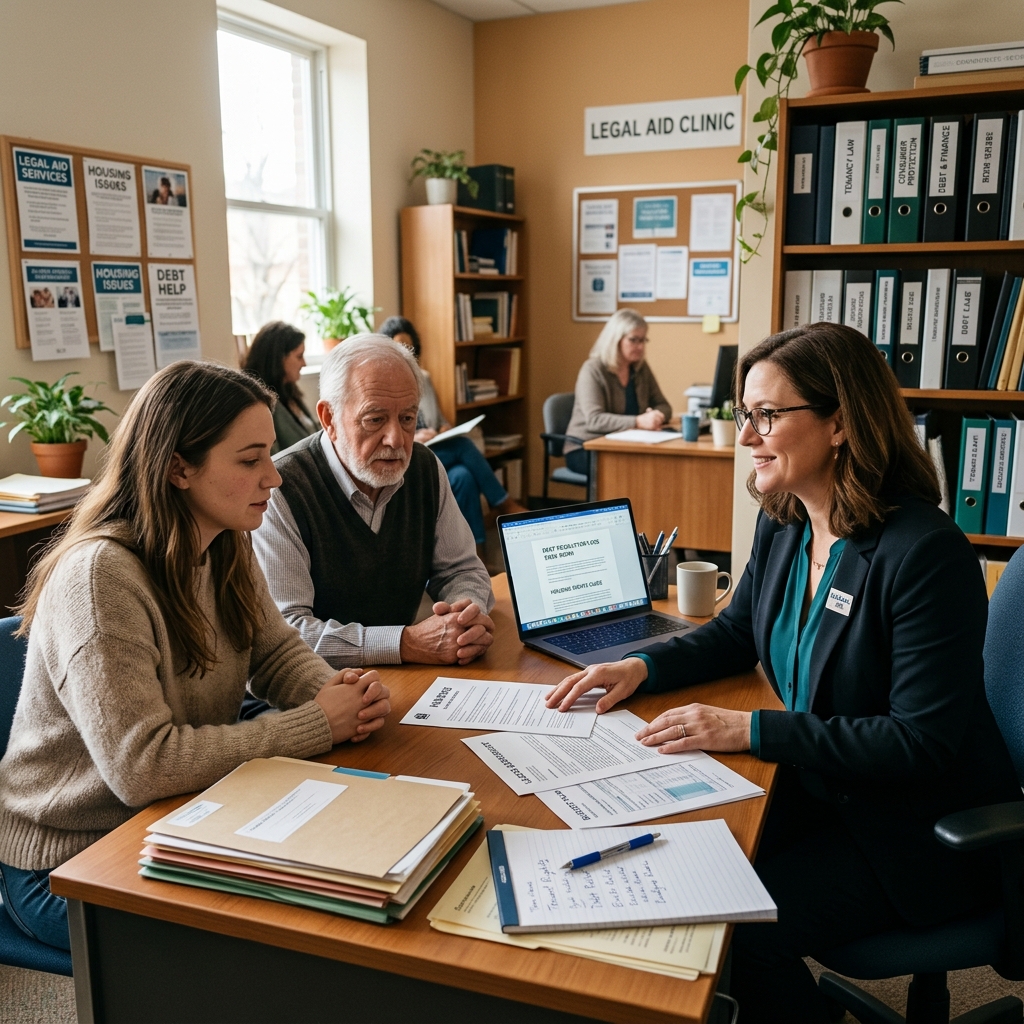
Consumer debt and housing issues can quickly become overwhelming, especially when they lead to court cases, eviction notices, or collection lawsuits. Many Maryland residents do not realize that free or low-cost legal help is available to assist with these problems. This guide explains how community-based legal aid organizations, including Shore Legal Access, support people dealing with debt and housing challenges, what services they offer, and how you can access help even if you cannot afford a private attorney.
Understanding Consumer Debt and Housing Challenges
Consumer debt and housing problems often happen at the same time. A job loss, medical emergency, or unexpected expense can cause missed payments on both credit accounts and rent or mortgages, which then trigger legal actions.
Common issues include:
- Credit card balances that have gone to collections
- Personal loans or medical bills with high interest or aggressive collection tactics
- Eviction filings for nonpayment of rent
- Foreclosure actions when homeowners fall behind on mortgage payments
- Tax-related problems affecting housing, such as tax deed or property tax sales
Legal aid organizations focus on these problems because they can quickly destabilize families. Losing a home or facing a large court judgment can lead to long-term financial harm and difficulty finding future housing.
What Shore Legal Access Is and Whom It Serves
Shore Legal Access (formerly Mid-Shore Pro Bono) is a nonprofit legal aid organization that connects people on Maryland’s Eastern Shore with free civil legal services. It collaborates with volunteer attorneys and legal service providers to help residents who cannot afford representation in issues like housing, consumer debt, and family law.
The organization’s primary office address is listed as:
- 499 Idlewild Avenue, Suite 102, Easton, Maryland 21601
- Phone: 410-690-8128
- Email: info@shorelegal.org
While Shore Legal Access focuses on the Eastern Shore counties, the model it uses—free advice, representation, and referrals—resembles other legal aid programs across Maryland and the United States.
Types of Legal Problems Addressed
Legal aid programs like Shore Legal Access handle a range of civil matters. In the context of consumer debt and housing, common case types include:
Eviction and Tenant–Landlord Disputes
Renters often seek help when they receive notices such as “Failure to Pay Rent” or “Breach of Lease.” Legal aid attorneys can:
- Explain the eviction process and court timelines
- Review whether the landlord followed legal procedures
- Identify defenses, such as incorrect rent amounts or serious housing code violations
- Assist with negotiation, mediation, or settlement agreements
Some programs now offer dedicated tenant counsel services, giving renters access to an attorney when they first receive an eviction-related notice, rather than only on the day of court.
Foreclosure and Threats to Homeownership
Homeowners facing foreclosure may be eligible for legal help to preserve their homes or exit foreclosure in a more stable way. Services can include:
- Review of mortgage documents and payment history
- Explanation of foreclosure procedures and rights
- Representation in foreclosure mediation or negotiation with lenders
- Referrals to housing counseling and financial assistance programs
Programs such as the Mortgage Foreclosure Mediation Program in Cook County show how structured mediation with free legal assistance can help homeowners understand options and avoid avoidable foreclosures.
Consumer Debt and Collection Lawsuits
Legal aid offices also assist people dealing with consumer debts including credit cards, personal loans, and medical bills. Typical support might involve:
- Helping individuals respond to collection lawsuits or court summons
- Reviewing whether the debt is valid and accurately documented
- Checking for unlawful collection tactics or predatory lending
- Negotiating affordable payment arrangements or settlements
Some organizations provide specialized help with predatory loans, identity theft, and credit report errors, recognizing the long-term impact of consumer debt problems on financial stability.
How Free Legal Aid Programs Typically Work
Legal aid organizations follow a fairly consistent process when evaluating and accepting clients. While each program’s specifics may vary, the general steps include:
1. Eligibility Screening
Most legal aid programs use income and asset guidelines to decide who qualifies for services. Maryland Legal Aid, for example, generally serves people whose household income falls below a certain percentage of the federal poverty level. Other factors can include:
- Number of people in the household
- Type of legal problem (e.g., housing vs. business dispute)
- Location of the residence, because funding is often county or region-specific
This screening ensures that limited resources are directed to people with the greatest need.
2. Intake: Requesting Help
After confirming basic eligibility, applicants complete an intake process. Depending on the organization, this may happen:
- Online through an intake form
- By phone with an intake specialist or paralegal
- In person at a local office or clinic
During intake, the program collects details about the legal issue, deadlines, and key documents (for example, court notices, loan agreements, or lease contracts). This helps the staff decide what type of service is appropriate.
3. Types of Assistance Offered
Not every person receives full representation. Depending on capacity and the nature of the case, legal aid may provide:
- Brief advice by phone or in clinic settings
- Document assistance, such as drafting answers to lawsuits or helping with forms
- Limited representation for specific court events or mediation sessions
- Full representation throughout the entire case when resources permit
- Referrals to other service providers, including housing counselors, social services, or specialized helplines
Programs like Cook County’s Early Resolution Program and foreclosure mediation initiative demonstrate how integrating legal aid, mediation, and referrals can create a more effective support system for people in crisis.
Key Services for Tenants and Homeowners
Individuals facing housing instability benefit from several specific services. Though names and formats differ by jurisdiction, the underlying goals are similar.
| Service Type | Who It Helps | Typical Support Provided |
|---|---|---|
| Tenant Counsel / Eviction Defense | Renters facing eviction or rent-related court notices | Legal advice, defense strategies, representation in court, negotiation with landlords |
| Foreclosure Assistance / Mediation | Homeowners behind on mortgage payments | Case review, representation in mediation, help with loan modification or alternatives to foreclosure |
| Housing Counseling Referrals | Tenants and homeowners needing broader financial guidance | Budget counseling, assistance applying for rental or mortgage assistance, education on rights |
| Tax Deed / Property Tax Issues | Owners facing property tax sales or tax deed problems | Legal advice on deadlines and procedures, help exploring options to protect the property |
Support for Consumer Debt and Financial Stability
Debt-related services complement housing assistance by addressing the underlying financial strains. Legal aid and partner organizations often provide:
- Consumer law representation in cases involving credit cards, loans, and medical bills
- Help with credit reports, including obtaining reports and disputing errors
- Predatory lending guidance, particularly around high-cost loans and unfair contract terms
- Education on budgeting and debt management, sometimes in partnership with nonprofit credit counselors
These services aim to prevent future crises, not only resolve present disputes. For example, the Virginia Poverty Law Center’s helplines assist people with predatory loans, utilities, and public benefits, recognizing that these issues are interconnected and can influence the ability to maintain housing.
Practical Steps If You Need Help
If you are dealing with eviction, foreclosure, or consumer debt and are unsure where to turn, the following practical steps can help you access assistance more effectively.
Gather Important Documents
Before contacting a legal aid program, collect:
- Any court notices or filings (for example, Failure to Pay Rent, Summons, or Complaint)
- Your lease, mortgage contract, or loan agreements
- Recent account statements, bills, or collection letters
- Proof of income, such as pay stubs or benefit letters
Having these materials ready allows intake staff or attorneys to quickly understand your situation and identify deadlines.
Contact the Appropriate Legal Aid Office
Residents on Maryland’s Eastern Shore can reach Shore Legal Access directly using the contact details available through the Maryland People’s Law Library and the organization’s website. Elsewhere in Maryland, statewide organizations like Maryland Legal Aid offer contact numbers and office lists so residents can find the correct location for their county.
In other states, resources such as CTLawHelp, Community Legal Services in Philadelphia, and Virginia Poverty Law Center provide equivalent services, typically accessible through helplines or online intake forms.[10]
Ask About Deadlines and Court Dates
Many housing and debt problems involve strict timelines. When you speak with legal aid staff, ask:
- Whether there are upcoming court dates or response deadlines
- What immediate actions you should take, such as filing an answer or appearing at a hearing
- Whether mediation or negotiation options are available before the court date
Understanding deadlines can be the difference between preserving important defenses and losing your chance to contest claims.
Benefits of Seeking Legal Aid Early
Legal problems are often easier to address when you seek help early. Programs like Shore Legal Access and other legal aid organizations encourage people to reach out as soon as they receive a notice or suspect a serious issue. Early intervention can:
- Prevent default judgments in debt cases, which can lead to wage garnishment or bank account seizures
- Expand options in eviction and foreclosure matters, including payment plans or negotiated departures
- Expose errors in billing, documentation, or procedures that may change the outcome of the case
- Reduce stress by providing clear explanations and next steps
Legal aid organizations also tend to be busiest on or near court dates, so contacting them earlier can increase the likelihood that they can assist you.
Frequently Asked Questions
Do I have to pay for help from Shore Legal Access or similar programs?
Programs like Shore Legal Access, Maryland Legal Aid, and many other legal aid organizations provide civil legal services at no cost to eligible clients. In some cases, there may be small administrative fees, but representation itself is generally free for those who qualify based on income and case type.
What if my income is slightly above the guidelines?
Income thresholds are an important part of eligibility, but some programs have flexibility or can refer you to partner organizations. It is still worth calling or completing an intake form to see whether any type of assistance or referral is available.
Can legal aid help me avoid an eviction entirely?
Legal aid cannot guarantee a particular outcome, but having an attorney or counselor involved often improves your chances of avoiding immediate eviction, negotiating more time, or raising valid defenses. Success depends on facts like payment history, housing conditions, and available assistance programs.
Does legal aid only help with housing problems?
No. While housing and consumer debt issues are central areas of focus, many legal aid organizations also help with family law, public benefits, employment issues, and elder law, among others. However, the specific services available will vary by organization and location.
How do I know which legal aid program to contact?
Start with your state or county’s primary legal aid organization or a statewide helpline. Many courts and government websites list local legal aid contacts, and tools like 2-1-1 referral lines can also help connect you with appropriate services.[10]
Building a Long-Term Plan for Stability
Resolving a single eviction or debt case is only part of the challenge. Legal aid providers increasingly collaborate with financial counselors, housing agencies, and social service organizations to help clients build long-term stability. This can include:
- Connecting clients to rental assistance, food assistance, or healthcare programs[10]
- Offering education on tenants’ rights, budgeting, and responsible credit use
- Encouraging regular review of credit reports to spot potential errors or identity theft
By combining legal help with practical financial and housing support, programs like Shore Legal Access and its counterparts aim to reduce repeat crises and help individuals maintain secure housing and manageable debt over time.
References
- Consumer Debt and Housing – Shore Legal Access Listing — Maryland People’s Law Library. 2024-01-10. https://www.peoples-law.org/consumer-debt-housing-mid-shore-pro-bono
- Mid-Shore Pro Bono offers new tenant counsel services — Shore Legal Access. 2022-07-15. https://shorelegal.org/mid-shore-pro-bono-offers-new-tenant-counsel-services/
- Cook County Legal Aid for Housing and Debt — Cook County Legal Aid. 2023-06-01. https://www.cookcountylegalaid.org/
- Get Help & Services We Provide — Maryland Legal Aid. 2023-05-01. https://www.mdlab.org/get-help-services/
- Consumer Law — Legal Aid Society of the District of Columbia. 2023-02-01. https://www.legalaiddc.org/practice-areas/consumer-law
- Get Legal Help — Virginia Poverty Law Center. 2023-09-01. https://www.vplc.org/get-legal-help/
- Debt & Consumer Rights — Community Legal Services of Philadelphia. 2022-11-01. https://clsphila.org/services/debt-and-consumer-rights/
Similar Articles








Read full bio of medha deb


