
Tenant Safety and Landlord Liability Explained
Understand how landlord duties, tenant rights, and negligence rules interact to determine responsibility when someone is injured or unsafe in a rental home.
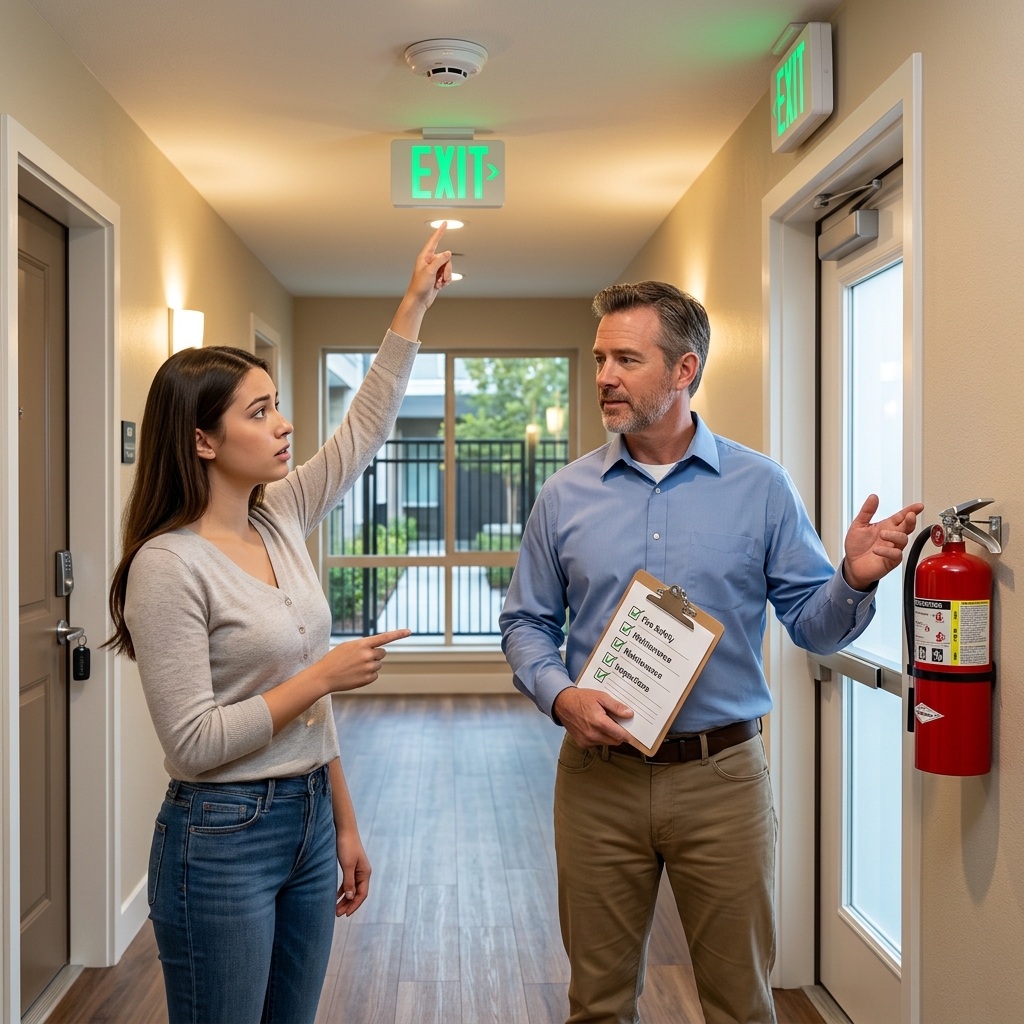
Safety in rental housing is not just a practical concern—it is a legal obligation governed by state statutes, local building codes, court decisions, and the terms of the lease. Landlords must provide housing that meets basic standards of habitability, while tenants have responsibilities to report dangers and avoid creating unsafe conditions themselves. When accidents, injuries, or crimes occur, questions of landlord liability and tenant safety quickly come to the forefront.
This guide explains how responsibility is allocated between landlords and tenants, what safety and security measures are commonly required, how negligence is proven, and how insurance fits into the picture. It is designed for both landlords and renters who want a clear, practical understanding of their rights and duties.
Core Legal Principle: Habitability and Safety in Rental Housing
Most jurisdictions recognize an implied warranty of habitability, which means that every residential rental must be fit to live in and free from serious dangers to health or safety throughout the lease term. Even if the lease does not say so explicitly, the law reads this obligation into the agreement.
- Fit for human habitation generally means the property is free from serious defects that pose fire risks or serious danger to the health, safety, or lives of occupants if not promptly repaired.
- Landlords must repair substantial defects and major failures to comply with building, housing, and health codes.
- Tenants remain responsible for damage or unsafe conditions they cause, as those are not covered by the warranty of habitability.
States increasingly codify these obligations. For example, Maryland’s Tenant Safety Act deems every rental unit offered for lease fit for habitation and provides remedies such as rent abatement, damages, and lease termination if serious defects are not corrected. While details vary by jurisdiction, the overall framework is similar nationwide.
Dividing Responsibilities: What Landlords and Tenants Must Do
Responsibility in a rental property is shared. Understanding the typical division of duties helps clarify who may be legally liable when something goes wrong.
Typical Landlord Safety Duties
Landlords generally control the structure, common areas, and key building systems. As a result, they are usually responsible for:
- Maintaining basic structural integrity (stairs, railings, floors, roofs) and preventing foreseeable hazards such as broken steps, loose handrails, or collapsing ceilings.
- Complying with building and safety codes, including electrical, plumbing, fire safety, and sanitation standards.
- Providing essential safety equipment such as smoke detectors, carbon monoxide alarms, and safe heating equipment, and ensuring they are operable when the unit is leased.
- Maintaining common-area lighting and locks to reduce risks of crime and accidents in hallways, entrances, and parking areas.
- Conducting reasonable inspections and repairs when aware—or reasonably should be aware—of dangerous conditions.
In many places, security-related obligations are spelled out in law or by court decisions. Requirements can include deadbolt locks, window locks, adequate lighting, and other measures aimed at reducing foreseeable criminal activity.
Tenant Duties Regarding Safety
Tenants also play a critical role in keeping the property safe and habitable. Their primary responsibilities include:
- Using the property in a reasonable manner and not intentionally or negligently damaging the unit or common areas.
- Reporting dangerous or defective conditions to the landlord promptly, especially issues such as inoperable locks, broken windows, non-functioning smoke detectors, or water leaks.
- Cooperating with inspections and repairs so that landlords can access the unit when necessary in accordance with notice rules.
- Avoiding illegal or dangerous activities that increase risk to themselves, other tenants, or the property.
Tenants who fail to report serious defects or who create hazards themselves may share liability or even be solely responsible if someone is injured as a result of their conduct.
When Is a Landlord Legally Liable for Injuries?
Liability in injury cases usually depends on negligence. A landlord is typically responsible for a tenant’s injury only if the landlord failed to act with reasonable care and that failure caused the harm.
Elements Commonly Required to Prove Landlord Negligence
Courts often look for several key elements before holding a landlord financially responsible for an injury occurring on the property.
| Element | What Tenant Usually Must Show |
|---|---|
| Duty | The landlord was responsible for maintaining the part of the premises where the accident occurred (e.g., common stairwell, building entrance). |
| Breach | The landlord failed to take reasonable steps to fix the problem or to warn about it in a timely manner. |
| Reasonable feasibility | Repairing the hazard or providing warnings would not have been unreasonably difficult or expensive. |
| Foreseeability | A serious injury was a probable, foreseeable consequence of leaving the condition uncorrected. |
| Causation and injury | The landlord’s negligence directly caused the accident, and the tenant suffered a genuine injury. |
If these elements are satisfied, the tenant can pursue a personal injury claim or make a claim against the landlord’s liability insurance for medical costs, lost earnings, pain and suffering, and other damages.
Who Else Can Be Liable?
Sometimes responsibility is shared or falls on a third party rather than the landlord.
- Tenant liability: If the tenant’s own negligence—such as failing to clean up spills or engaging in dangerous activities—caused the injury, the tenant may be liable.
- Third-party liability: Contractors, property managers, or other visitors may be responsible if their conduct created the hazard.
- Shared liability: In some cases, both landlord and another party (e.g., a dog owner or contractor) may share legal responsibility.
The specific allocation of fault depends on state law and the facts of the incident, which is why legal advice is crucial in serious injury cases.
Security and Crime Prevention: Landlord Duties and Limits
In addition to physical conditions like broken stairs or faulty wiring, landlord liability can extend to security failures that lead to crime. Courts in some jurisdictions have held landlords liable when they ignore known security problems, such as broken locks or inadequate lighting, that contribute to tenant harm.
Common Security Measures Expected of Landlords
State and local laws, combined with case law, often mandate or strongly encourage landlords to adopt certain security measures.
- Installing and maintaining deadbolt locks on exterior doors and secure window locks.
- Providing adequate lighting in entrances, corridors, stairwells, and parking areas to deter crime and reduce accidents.
- Responding promptly to reports of broken locks, vandalism, or suspicious activity.
- Screening prospective tenants carefully while still complying with anti-discrimination laws.
- Including lease clauses that prohibit illegal activity to give grounds for termination if serious safety issues arise.
Landlords are not insurers against all criminal acts, but they are expected to take reasonable steps to reduce foreseeable risks. If a pattern of crime or complaints is ignored, liability becomes more likely.
Insurance: Protecting Against Financial Consequences
Even careful landlords face risks. Appropriate insurance coverage is a critical tool to manage the financial consequences of injuries, property damage, or legal claims.
Key Types of Insurance for Landlords
- Commercial general liability insurance to cover claims for bodily injury or property damage arising from conditions on or around the premises.
- Property insurance to protect buildings and fixtures against fire, storm damage, vandalism, and other covered events.
- Non-owned auto liability coverage when employees or property managers use personal vehicles for business purposes.
- Coverage for non-physical harms such as discrimination, unlawful or retaliatory eviction, libel, slander, and invasion of privacy, which can be included in specialized landlord policies.
Coverage needs depend on the size, type, and location of the property, so landlords should review policies regularly with a qualified insurance professional.
Tenant Remedies When Safety Obligations Are Violated
When a rental home is unsafe, tenants may have multiple legal remedies. These often include both housing-related relief (such as rent reduction) and personal injury claims, depending on the nature and consequences of the defect.
Common Habitability and Safety Remedies
- Rent abatement or reduction when serious defects make part or all of the unit uninhabitable.
- Repair-and-deduct options in some jurisdictions, allowing tenants to pay for repairs and subtract reasonable costs from rent when landlords fail to act after proper notice.
- Lease termination and relocation support in cases where the unit is destroyed or persistently unsafe.
- Court-ordered damages for harm suffered due to dangerous conditions, including actual losses and, in some laws, attorney’s fees.
Procedural requirements matter: tenants often must provide written notice, allow a reasonable time for repairs, and sometimes involve local housing inspectors or courts before certain remedies are available.
Best Practices for Landlords and Tenants to Enhance Safety
Legal obligations set the minimum; best practices go further to reduce risk and disputes. The following strategies help both sides maintain a safer rental environment.
For Landlords
- Conduct regular, documented inspections of common areas and building systems.
- Respond quickly to repair requests, especially those involving leaks, electrical issues, structural damage, or security failures.
- Train staff and property managers to recognize and report hazards promptly.
- Maintain open communication channels with tenants for safety concerns and complaints.
- Review insurance coverage annually to ensure appropriate protections are in place.
For Tenants
- Report safety issues in writing as soon as they are discovered, keeping copies for your records.
- Follow building rules and avoid behavior that creates risks to others.
- Allow reasonable access for inspections and repairs whenever legally required.
- Document serious conditions with photos, videos, and witness statements if the landlord does not respond.
Frequently Asked Questions (FAQs)
1. Is a landlord always at fault if a tenant is injured on the property?
No. A landlord is typically liable only when they were negligent—meaning they had a duty to maintain a portion of the property, failed to take reasonable steps to fix a known or foreseeable hazard, and that failure caused the injury. If the tenant caused the danger or the incident was not reasonably foreseeable, liability may not attach.
2. What kinds of conditions usually violate the warranty of habitability?
Examples often include severe leaks, significant mold, lack of heat in cold weather, major electrical hazards, serious pest infestations, structural instability, or dangerous fire risks. Minor defects or cosmetic issues usually do not rise to the level of habitability violations.
3. Do tenants have to notify landlords before seeking legal remedies?
In most cases, yes. Tenants typically must give the landlord notice of serious defects, allow a reasonable time for repairs, and follow local procedures (such as contacting a housing inspector) before certain remedies like rent abatement or court action are available.
4. Can a landlord be liable for crimes committed by third parties?
Landlords are not automatically liable for criminal acts, but they may be responsible if they fail to address known security issues—such as broken locks or inadequate lighting—that make such crimes reasonably foreseeable. Liability depends heavily on local law and case-specific facts.
5. Why is landlord insurance so important?
Insurance provides financial protection when tenants or visitors are injured, allege discrimination or wrongful eviction, or claim property damage. Without adequate coverage, landlords may have to pay defense costs and judgments out of pocket.
References
- Protecting Tenant Safety as a Landlord & Legal Obligations — Justia. 2023-05-10. https://www.justia.com/real-estate/landlord-tenant/information-for-landlords/landlords-liability-for-tenant-safety/
- Tenant Injuries: Landlord Liability and Insurance FAQ — Indiana State Medical Association / Anthem EAP. 2022-09-01. https://www.anthemeap.com/isma/find-legal-support/resources/landlords-and-property-management/legal-assist/tenant-injuries-landlord-liability-and-insurance-faq
- Tenant’s Responsibility for Repairs — California Department of Real Estate (CA.gov). 2021-06-01. https://www.dre.ca.gov/publications/ResourceGuidebook/gb09_dealingwith.html
- Warranty of Habitability in Rental Housing — Maryland People’s Law Library. 2024-01-15. https://www.peoples-law.org/warranty-habitability-rental-housing
- Landlord vs. Tenant Responsibilities: Who is Liable? — LaSalvia Law. 2022-11-20. https://lasalvia-law.com/blog/landlord-vs-tenant-responsibilities-who-is-liable/
- Landlord’s Responsibilities for Tenant Safety and Security — Maimone PC. 2023-04-05. https://maimonepc.com/landlord-tenant-lawyers/landlord-liability/tenant-safety/
- Landlord Responsibility for Tenant Safety: Guide — Minut. 2023-07-18. https://www.minut.com/blog/landlord-responsibility-tenant-safety
Similar Articles








Read full bio of medha deb


