
Summer Safety Guide: Prevent Top Injuries
Essential strategies to avoid common summer injuries from sports, water activities, and outdoor fun while enjoying the season safely.
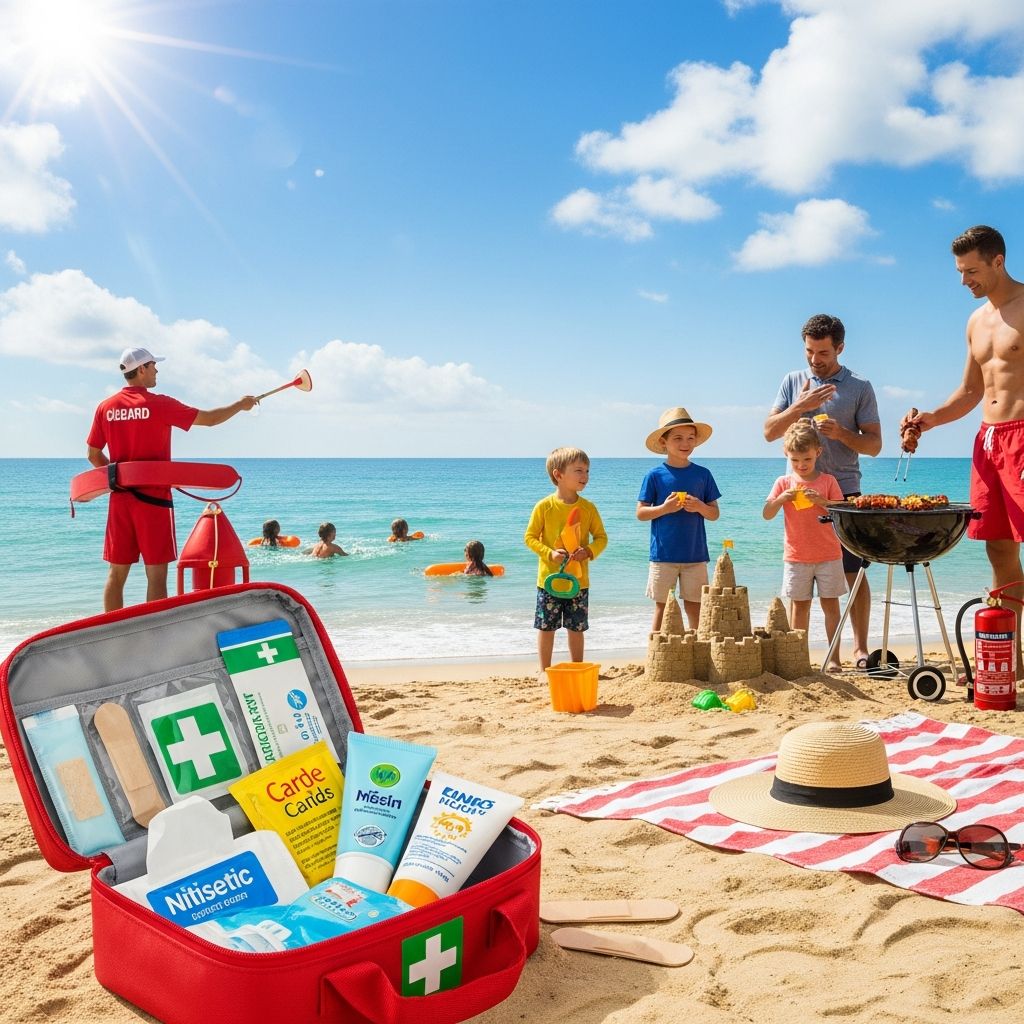
Summer brings opportunities for outdoor adventures, but it also increases risks of injuries from heat, activity, and recreation. This guide outlines key prevention strategies for common hazards like sports overuse, water mishaps, cycling accidents, burns, and dehydration, drawing from medical expertise to help you enjoy the season safely.
Understanding Seasonal Risks
Warm weather encourages biking, swimming, grilling, and sports, yet emergency rooms see spikes in fractures, sprains, burns, and heat-related issues. Orthopedic injuries from volleyball, biking without helmets, or trampolines top the list, alongside sunburns that raise skin cancer risks. Recognizing these patterns allows proactive steps to minimize harm.
Prime Time for Sports: Avoiding Overuse Damage
Resuming running, hiking, or team sports after winter inactivity often leads to tendonitis, shin splints, runner’s knee, or stress fractures in feet, shins, or pelvis. These overuse injuries stem from sudden intensity spikes without adaptation.
Build Gradually and Listen to Signals
Start slow to let muscles, tendons, and bones adjust. Increase duration or intensity by no more than 10% weekly. Ignore ‘no pain, no gain’—persistent discomfort signals rest needs, preventing escalation.
Master Warm-Ups and Cool-Downs
Dynamic stretches like arm circles, leg swings, lunges, knee lifts, plank walk-outs, and twists raise heart rate and loosen tissues before activity. End with static holds of 30-60 seconds per muscle group for flexibility gains and injury reduction.
- Dynamic examples: High knees, butt kicks, torso rotations.
- Static focus: Hamstrings, quads, calves, shoulders.
Cross-Train for Balance
Runners should swap days for swimming or cycling to rest specific muscles while maintaining fitness. This cuts overuse risks by distributing stress across body parts.
Gear Up for Protection
Ill-fitted or absent equipment heightens dangers in biking, skating, or contact sports. Helmets prevent head trauma in bike-scooter collisions, common amid tourist traffic. Supportive shoes cushion impacts; pads shield knees and elbows.
| Activity | Essential Gear | Fit Tips |
|---|---|---|
| Biking/Scooting | Helmet, reflective vest | Snug helmet, no wobble; test visibility. |
| Team Sports | Mouthguard, pads | Custom fit via coach or specialist. |
| Running/Hiking | Proper shoes | Arch support matching foot type. |
Inspect bikes, trampolines, and playgrounds for damage before use. Choose safe venues free of hazards like uneven ground or traffic.
Hydration and Nutrition Foundations
Dehydration triggers cramps, fatigue, heat stroke, and tendon strains, as bodies lose water rapidly in heat. Drink based on weight, temperature, and duration—use charts for precision. Electrolyte drinks aid long sessions.
Fuel with balanced meals: fruits, vegetables, whole grains, lean proteins speed recovery and bolster resilience. Avoid alcohol near water or heat, as it impairs judgment and hydration.
Water Adventures: Drown-Proofing Fun
Swimming, boating, and waterparks surge with slips on wet surfaces and submersion risks, especially for kids. Never swim alone; designate a sober buddy system. Wear water shoes at parks for traction; supervise young swimmers constantly.
- Check depths and currents before entering.
- Learn CPR basics for emergencies.
- Avoid horseplay in deep water.
Fire and Grill Mastery
Backyard barbecues cause burns via flares or spills. Keep grills away from structures, use long tools, and never leave unattended. Fireworks demand distance and eye protection—professional displays beat home risks.
Sun and Bug Defenses
Sunscreen (SPF 30+) every two hours prevents burns and melanoma, even on cloudy days. Hydrate alongside; seek shade midday. Repel bugs with EPA-approved sprays to dodge bites carrying illness.
When Injury Strikes: Immediate Actions
Stop activity at pain onset. Apply RICE for strains/sprains:
- Rest: Immobilize area.
- Ice: 20 minutes hourly, wrapped to avoid burns.
- Compression: Bandage snugly, not tight.
- Elevation: Above heart level.
OTC pain relievers like ibuprofen reduce swelling, but rest fully—no pushing through. Seek medical care for severe pain, swelling, numbness, or non-improvement in 48 hours.
Frequently Asked Questions
How much should I increase workout intensity?
Limit to 10% weekly in time or effort to avoid overload.
What’s the best hydration during heat?
Sip water every 15-20 minutes; adjust by weight/temp via charts.
When to see a doctor post-injury?
If RICE fails after 2 days, or with deformity/tingling.
Is sunscreen needed on cloudy days?
Yes, UV rays penetrate clouds, raising burn/cancer risks.
How to prevent bike accidents?
Helmet always, bike lanes, signal turns, lights at dusk.
Building a Safe Summer Routine
Schedule rest days, strength/flexibility sessions, and gear checks weekly. Teach kids safety rules early. Communities benefit from safe play spaces—advocate for maintained parks and paths. Balance fun with vigilance for memorable, injury-free summers.
By integrating these habits—gradual buildup, proper gear, hydration, supervision—you sidestep ER trips. Medical data confirms prevention trumps treatment for seasonal hazards.
References
- 7 Strategies for Preventing Summer Sports Injuries — Loyola Medicine. 2023-06-15. https://www.loyolamedicine.org/newsroom/blog-articles/7-summer-sport-injury-prevention-tips
- Being Your Best Summer Self: How to Prevent and Treat Sports Injuries — WMCHealth. 2024-05-20. https://www.wmchealth.org/living-well/being-your-best-summer-self-how-to-prevent-and-treat-sports-injuries
- Top 7 Most Common Summer Accidents (and How to Avoid Them) — Soofer Law Group. 2023-07-10. https://sooferlawgroup.com/top-7-most-common-summer-accidents-and-how-to-avoid-them/
- Injuries of Summer: How to Stay Safe While Playing Hard — Indiana University School of Medicine. 2024-06-12. https://medicine.iu.edu/blogs/indiana-health/injuries-of-summer-how-to-stay-safe-while-playing-hard
- 7 Essential Summer Safety Tips — Wesley Healthcare. 2023-05-25. https://www.wesleymc.com/healthy-living/blog/seven-essential-summer-safety-tips-wesley
- 7 Tips for Staying Safe in the Water This Summer — UW Medicine Right as Rain. 2024-07-01. https://rightasrain.uwmedicine.org/well/prevention/water-safety-tips
Similar Articles








Read full bio of medha deb




