
Undefined Cyber Monday Safety Guide: Essential Tips For 2025
Practical tips to spot, avoid, and respond to Cyber Monday scams while shopping securely online.
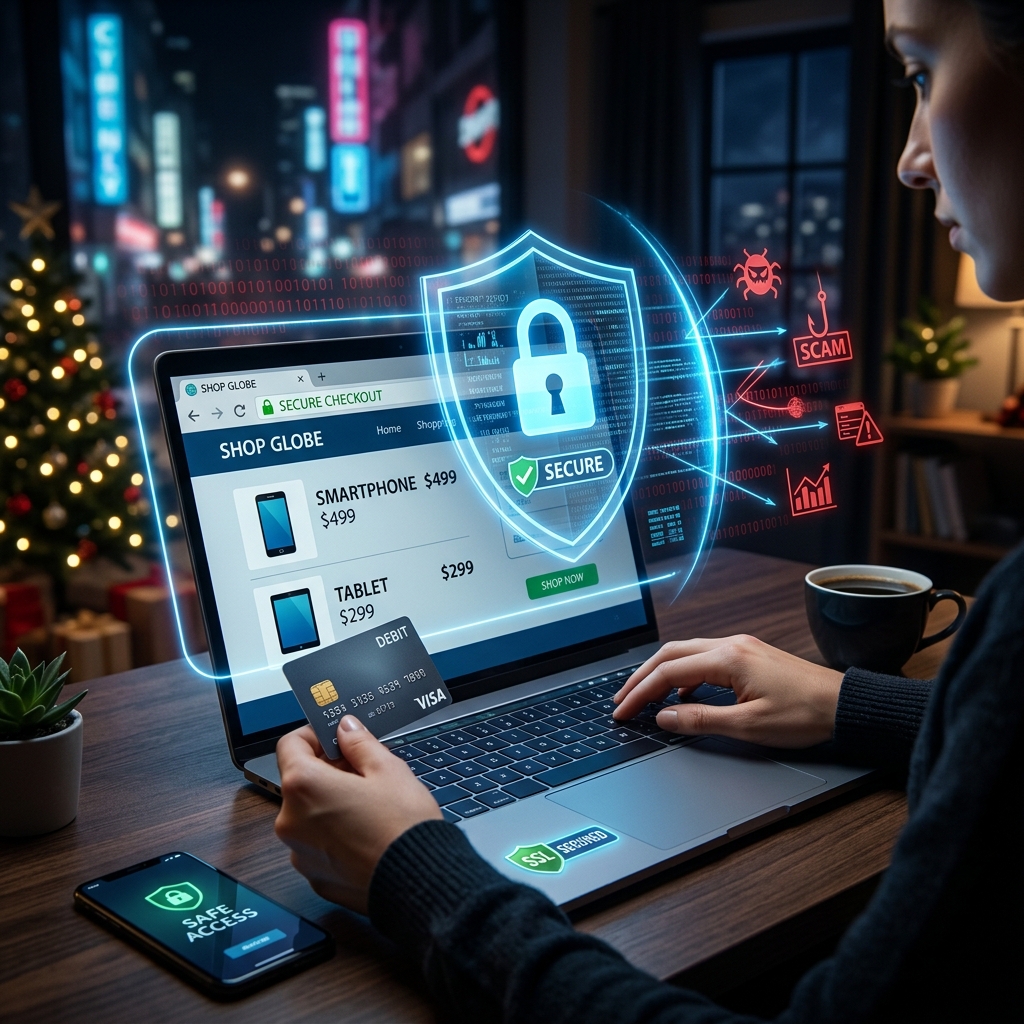
Cyber Monday has become one of the biggest online shopping days of the year, bringing deep discounts, limited-time offers, and a surge in digital traffic. The same conditions that make it a bargain hunter’s dream also make it a prime target for scammers. Cybercriminals take advantage of rushed decisions, inbox overload, and the lure of “unbelievable” deals to steal money and personal data.
This guide explains how Cyber Monday scams work, the warning signs to watch for, and the concrete steps you can take to shop safely. It is designed for everyday consumers who want to enjoy the savings without putting their finances or identity at risk.
Why Cyber Monday Is a Magnet for Scammers
Online fraud rises during major shopping events such as Black Friday and Cyber Monday. The combination of heavy web traffic, aggressive marketing, and shoppers searching for the lowest prices creates ideal conditions for scams.
Several factors make Cyber Monday especially risky:
- High volume of transactions – More purchases mean more opportunities for criminals to slip fraudulent charges or bogus offers into the mix.
- Time pressure and urgency – Limited-time deals push people to act quickly, which reduces the likelihood that they will carefully check a site’s authenticity or read fine print.
- Information overload – During sales events, inboxes and social feeds are flooded with advertisements and promotions. Fraudulent messages can easily blend in with legitimate ones.
- Use of unfamiliar retailers – Shoppers often try new sites in search of the lowest price, which increases exposure to fake stores or untrustworthy sellers.
Understanding these dynamics helps explain why extra caution is needed whenever you shop online during major sale days.
Common Cyber Monday Scams You May Encounter
Cyber Monday scams take many forms, but most aim to either steal payment credentials, grab personal information for identity fraud, or trick you into paying for products that never arrive. Below are several prevalent types.
Fake Retail Websites and Copycat Stores
Scammers frequently create realistic-looking websites that imitate well-known retailers or appear to be new discounted stores. These sites may use:
- Brand logos and layouts similar to popular e-commerce platforms
- Web addresses with small spelling differences (for example, switching letters or adding extra words)
- Prices significantly below market value for desirable items
Once you enter payment details or account credentials, the operators may charge your card, sell your data, or simply disappear without shipping anything.
Phishing Emails, Texts, and Social Media Messages
Phishing involves messages that pretend to come from genuine companies, banks, or delivery services to trick you into clicking malicious links or sharing sensitive information. The U.S. Federal Trade Commission (FTC) warns that scammers often ask for details like bank account numbers, credit card data, or login credentials under the guise of verifying an order or resolving account problems.
During Cyber Monday, phishing might appear as:
- Fake order confirmation emails for purchases you never made
- Messages claiming a problem with your delivery or payment that require you to “verify” your details
- Social media ads or direct messages offering extraordinary discounts if you follow a special link
Too-Good-To-Be-True Deals and Price Manipulation
Criminals exploit shoppers’ desire for bargains by advertising offers that are far below normal prices. Major cybersecurity firms and consumer protection organizations consistently note that deals which look unrealistic are a strong indicator of fraud.
These scams can include:
- A luxury product priced at a fraction of its usual cost
- Large electronics marked down well beyond standard holiday discounts
- “Flash sales” that require immediate payment without time to review terms
In some cases, the seller exists but misleads customers by inflating original prices or hiding fees, making the “discount” far less attractive than advertised.
Unsafe Payment Requests and Unusual Methods
Legitimate businesses typically offer well-known payment options and do not push customers into obscure or irreversible methods. The FTC advises that demands for payment solely through wire transfers, cryptocurrency, gift cards, or certain peer-to-peer apps are red flags.
On Cyber Monday, you may encounter sellers who:
- Refuse to accept credit cards and insist on bank transfers or gift cards
- Claim that unconventional payment methods are required to “unlock” a special deal
- Promise additional discounts for sending funds through channels that provide little consumer protection
How to Evaluate Websites and Offers Safely
Developing the habit of quickly checking a site’s legitimacy greatly reduces your risk. Trusted security providers and consumer advocates recommend a few core checks whenever you shop.
| Check | What to Look For | Why It Matters |
|---|---|---|
| Secure connection (HTTPS) | Address starts with https:// and shows a padlock icon in the browser bar | Indicates data sent between you and the site is encrypted, reducing the risk of interception. |
| Accurate URL | No spelling errors, extra words, or unusual domain endings; matches the known official site | Helps avoid copycat sites designed to steal credentials. |
| Seller reputation | Search for independent reviews, business profiles, and contact information | Makes it harder for scam sites to impersonate established brands. |
| Realistic pricing | Compare prices with major retailers and manufacturer websites | Helps distinguish genuine discounts from fraudulent or misleading offers. |
When in doubt, close any suspicious page and navigate to a retailer by typing its address yourself or using a trusted search engine instead of clicking on unsolicited links.
Smart Payment and Account Security Practices
Even if you only shop with reputable retailers, how you pay and manage accounts plays a crucial role in limiting damage if something goes wrong. Cybersecurity experts recommend using secure payment methods, strong authentication, and careful device hygiene.
Choose Safer Payment Methods
- Prefer credit cards over debit cards – Credit cards generally offer stronger fraud protection, and unauthorized charges do not immediately remove money from your bank account.
- Consider reputable payment providers – Services like established digital wallets can keep your card number private from individual merchants.
- Avoid saving card details on every site – Storing payment information with many retailers increases exposure if one experiences a data breach.
- Decline unsafe payment options – Be wary of requests for wire transfers, gift cards, or cryptocurrency as the only accepted methods.
Strengthen Passwords and Authentication
Accounts used for shopping often contain saved addresses, payment tokens, and order history. Securing them reduces the chance of account takeover and fraudulent purchases.
- Create long, unique passphrases with a mix of letters, numbers, and symbols for each account.
- Enable multi-factor authentication (MFA) whenever available, especially for email and financial accounts.
- Avoid using personal information that criminals could guess from social media, such as birthdays or pet names.
Keep Your Devices and Networks Secure
- Update operating systems, browsers, and apps to ensure recent security patches are installed.
- Use reputable antivirus and anti-malware tools to detect malicious downloads or links.
- Avoid shopping or entering payment details on public Wi‑Fi unless you are using a trusted virtual private network (VPN).
Recognizing Red Flags Before You Click “Buy”
While no single sign proves a site is fraudulent, multiple warning indicators should prompt you to stop and reassess. Authorities emphasize slowing down and resisting pressure to act immediately.
- Urgent countdowns and aggressive pressure – Messages insisting that you must buy “right now” or lose the deal are often used to bypass your usual caution.
- Requests for sensitive information without clear justification – Legitimate merchants rarely need your national ID number, full Social Security number, or extensive personal data just to process an order.
- Unprofessional communication – Poor spelling, erratic punctuation, and generic greetings in emails or texts can signal phishing.
- Lack of transparent policies – If return, refund, and contact details are missing or difficult to find, the seller may not be trustworthy.
- Inconsistent branding – Logos, colors, or product descriptions that look slightly off compared to a known retailer’s official site may mean you are on a fake page.
What To Do If You Suspect or Experience a Scam
Acting quickly can minimize financial loss and protect your identity. Consumer agencies encourage people to monitor accounts regularly and report problems as soon as they arise.
Immediate Steps
- Contact your bank or card issuer – Report unauthorized or suspicious transactions, request a card replacement if needed, and ask about chargeback options.
- Change passwords on affected accounts – If you entered credentials on a suspicious site, update them and enable multi-factor authentication.
- Check recent transactions – Review statements and online account activity for charges you do not recognize.
Report the Scam to Authorities
Reporting scams helps enforcement agencies track patterns and warn others. In the United States, the FTC encourages consumers to submit details through its dedicated reporting system.
- File a report with the relevant consumer protection authority (for example, the FTC in the U.S.).
- Notify any platform involved, such as an online marketplace or social media site, so they can investigate and remove fraudulent listings.
- Inform friends or family so they can avoid similar tactics; discussing the incident may also help you recognize additional signs you missed.
Practical Cyber Monday Safety Checklist
Use the following quick checklist before and during your Cyber Monday shopping:
- Shop only with reputable retailers you recognize or have thoroughly researched.
- Verify that web pages use HTTPS and show a padlock icon before entering payment details.
- Reach sites by typing addresses directly or using bookmarks, not by clicking unsolicited links.
- Compare prices to trusted sources to avoid fake or misleading deals.
- Pay with a credit card or reputable payment provider, and avoid irreversible methods.
- Use strong, unique passwords and enable multi-factor authentication for key accounts.
- Keep devices updated and protected with security software.
- Monitor your bank and card statements during and after the holiday season for unusual activity.
Frequently Asked Questions About Cyber Monday Scams
How can I tell if a Cyber Monday deal is real?
Compare the offer against prices from major retailers or the manufacturer’s website, and check independent reviews of the seller. Very large discounts on high-demand items, especially from unfamiliar sites, should make you cautious.
Is it safe to click on email links for Cyber Monday promotions?
Security and consumer agencies recommend going directly to the retailer’s official site rather than clicking links in emails or texts, especially if the message asks you to log in or provide payment details.
What kind of payment method offers the best protection?
Credit cards typically provide stronger fraud protection and do not draw money directly from your bank account. Avoid paying with wire transfers, cryptocurrency, or gift cards when dealing with unfamiliar sellers.
Should I worry about shopping on public Wi‑Fi?
Yes, public Wi‑Fi can expose your data to interception. Experts advise avoiding online shopping on open networks or using a trusted VPN to encrypt your connection if you must shop in public places.
What should I do if I think I clicked a phishing link?
Immediately close the page, run a security scan on your device, change passwords for any accounts that might be affected, and monitor your financial statements. If you provided payment or personal information, contact your bank and report the incident to an appropriate consumer protection authority.
References
- Cyber Monday safety tips for online shopping — NortonLifeLock. 2023-11-15. https://us.norton.com/blog/online-scams/cyber-monday-7-tips-for-safer-online-shopping
- Tips on how to avoid Cyber Monday scams — ABC News (interview with cybersecurity expert). 2021-11-29. https://www.youtube.com/watch?v=oqSeoCNJt8w
- The worst Black Friday and Cyber Monday scams and how to avoid them — McAfee. 2022-11-18. https://www.mcafee.com/blogs/privacy-identity-protection/the-worst-black-friday-and-cyber-monday-scams-and-how-to-avoid-them/
- How To Avoid a Scam — Federal Trade Commission (FTC). 2022-05-01. https://consumer.ftc.gov/articles/how-avoid-scam
- Pro tips for a successful Cyber Monday — Better Business Bureau (BBB). 2023-11-20. https://www.bbb.org/all/holiday-hq/shopping-tips/cyber-monday-shopping-tips
- Big sales, small tells: Staying safe from online scams this Black Friday and Cyber Monday — Microsoft News Center Asia. 2025-11-24. https://news.microsoft.com/source/asia/2025/11/24/big-sales-small-tells-staying-safe-from-online-scams-this-black-friday-and-cyber-monday/
- Advice Column – Avoid Scams on Black Friday and Cyber Monday — Citizens Advice. 2023-11-10. https://cacv.org.uk/advice/advice-column-avoid-scams-on-black-friday-and-cyber-monday/
Similar Articles








Read full bio of medha deb


