
Practical Ways to Prevent Identity Theft
Learn how to safeguard your personal information, spot warning signs, and respond quickly if criminals try to steal your identity.
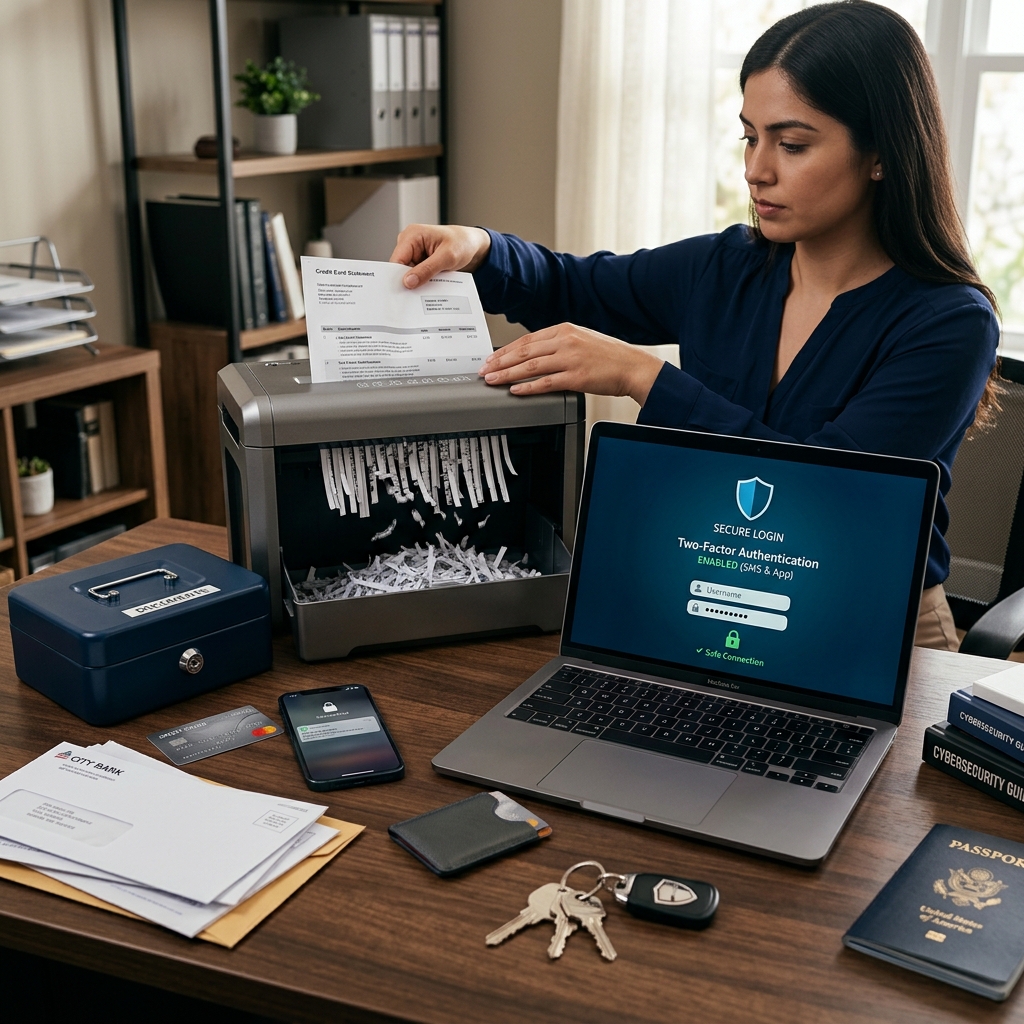
Identity theft occurs when someone uses your personal information without permission to commit fraud, open accounts, or gain financial benefits in your name. It can damage your credit, cost you money, and take months or years to fully resolve. Fortunately, there are clear, practical steps you can take to reduce your risk and respond quickly if your information is misused.
Understanding What Identity Thieves Want
To protect yourself, it helps to understand which details are most valuable to criminals and how they typically obtain them.
| Type of Information | Why Thieves Want It | Common Abuse |
|---|---|---|
| Social Security numbers and national IDs | Core identifiers used by lenders, employers, and government agencies | Opening new credit accounts, filing fraudulent tax returns, or claiming benefits |
| Bank and credit card details | Direct access to funds or credit lines | Unauthorized purchases, withdrawals, or transferring balances |
| Login credentials (usernames and passwords) | Gateway to email, financial accounts, and stored personal data | Account takeover, password resets, and forward attacks using your identity |
| Personal data (addresses, birth dates, phone numbers) | Used to impersonate you and bypass security questions | Social engineering, opening accounts, and adding credibility to scams |
Thieves may gather this information by stealing mail, hacking online accounts, phishing via email or text, searching social media, or exploiting corporate data breaches.
Protecting Your Personal Information in Daily Life
Simple everyday habits can significantly lower your risk of identity theft. Many incidents begin offline, with lost wallets, discarded documents, or mail theft.
Limit What You Carry and Share
Carrying too many sensitive documents or cards increases the damage if your wallet is lost or stolen. You also should be selective about sharing details in conversations or forms.
- Leave your Social Security card at home and avoid carrying documents with full SSNs unless absolutely necessary.
- Store passports, birth certificates, and financial records in a secure location such as a locked drawer or safe.
- Ask why a company needs your SSN or other sensitive data, how it will be stored, and who will have access before you provide it.
- Be cautious about providing personal or financial information over the phone, mail, or internet unless you initiated the contact and trust the organization.
Handle Mail and Paper Records Safely
Paper documents still contain enough information for identity thieves to cause serious harm, especially bank statements, medical bills, and pre-approved credit offers.
- Pick up your mail promptly and consider a locking mailbox or post office box if mail theft is a concern.
- Shred bank statements, tax forms, receipts, credit offers, and other documents containing personal information before discarding them. Cross-cut shredders are recommended.
- Track when you normally receive financial statements and bills. If they stop arriving or arrive late, contact the issuer; missing mail can be an early sign of fraud.
Strengthening Your Digital Security
Online accounts and connected devices are prime targets for identity thieves. Strong cybersecurity habits make it much harder for criminals to gain access.
Create and Manage Strong Credentials
Weak or reused passwords are one of the easiest ways for attackers to compromise multiple accounts at once.
- Use unique, complex passwords for each account, avoiding names, dictionary words, or dates that can be guessed.
- Consider a reputable password manager to generate and store long, random passwords instead of memorizing them.
- Enable multi-factor authentication (MFA) wherever possible to require an additional code, device, or biometric for login.
- For highly sensitive accounts, use phishing-resistant methods such as hardware security keys or passkeys instead of relying only on SMS codes.
Update and Secure Your Devices
Unpatched software and unsecured networks can expose personal information even if your passwords are strong.
- Turn on automatic updates for operating systems, browsers, and critical apps to reduce known vulnerabilities.
- Install reputable security software where appropriate and keep it updated.
- Lock devices with a PIN, password, or biometric and set them to auto-lock after brief inactivity.
- Secure your home Wi-Fi with a strong password, modern encryption (such as WPA2 or WPA3), and avoid using default router credentials.
Stay Safe on Public Wi-Fi and Online
Public or unsecured networks are common places for attackers to intercept data or trick users with fake login pages.
- Avoid accessing online banking, tax accounts, or other sensitive services while on public Wi-Fi. If you must, use a trusted virtual private network (VPN) to encrypt your connection.
- Be cautious when clicking links or opening attachments, especially in unsolicited emails or texts. Phishing messages often mimic legitimate organizations and create pressure with urgent language.
- Verify any request for personal or financial information by contacting the organization through official channels, rather than using contact details provided in a suspicious message.
Safeguarding Financial and Credit Information
Most identity theft ultimately affects your finances: unauthorized charges, new accounts in your name, or fraudulent loans. Monitoring your financial activity and credit reports is one of the most effective ways to detect problems early.
Monitor Accounts and Statements
Regular review of bank and credit card statements can reveal small test charges or unfamiliar transactions before they grow.
- Check account activity frequently, either online or through mobile apps, rather than waiting for monthly statements.
- Report suspicious transactions to your bank or card issuer immediately; prompt reporting can limit your liability and trigger fraud investigations.
- Set up alerts for new charges, withdrawals, or changes to contact information so you receive near real-time notifications.
Review Credit Reports and Use Credit Tools
Your credit report shows accounts and inquiries in your name. Reviewing it can reveal new credit lines that you did not authorize.
- Obtain credit reports from major credit bureaus (such as Equifax, Experian, and TransUnion) and review them for unfamiliar accounts or inquiries.
- Consider placing a fraud alert if you suspect identity theft; this instructs lenders to take additional steps to verify your identity before opening new credit.
- If you are at high risk or have already experienced identity theft, a credit freeze can prevent most new accounts from being opened in your name until you lift the freeze.
Recognizing Early Warning Signs of Identity Theft
Acting quickly can significantly reduce the damage caused by identity theft. Certain changes in your mail, accounts, or credit status can signal a problem.
- Bills, account statements, or tax documents you usually receive stop arriving or arrive late.
- Debt collectors contact you about accounts you did not open or charges you do not recognize.
- You are unexpectedly denied credit despite having a good payment history, or lenders offer terms that reflect poor credit.
- You receive notifications of logins, password changes, or security alerts from accounts you did not access.
- A company or government agency informs you that your information was part of a data breach.
What to Do If You Suspect Identity Theft
If you see signs of identity theft, responding promptly can limit financial losses and make recovery smoother. Government agencies and financial institutions have established procedures to help victims.
Immediate Steps
- Stop interacting with suspected scammers. Hang up or stop replying to suspicious messages, and do not provide further information.
- Contact your bank, credit card issuers, and any affected companies to report fraud, dispute charges, and request new cards or account numbers if needed.
- Place fraud alerts or credit freezes with the major credit bureaus so new accounts cannot easily be opened in your name.
Report and Document the Incident
Formal reports can help you navigate recovery and may be required to correct records or dispute fraudulent debts.
- Use the identity theft resources provided by consumer protection or tax authorities (for example, identity theft guidance from the IRS for tax-related issues) to get a personalized recovery plan.
- Keep copies of letters, notices, and emails, as well as detailed notes about phone calls and steps you have taken. Documentation can be crucial if disputes arise.
- File a police report when physical documents or IDs were stolen, or when instructed by financial institutions; some organizations may require this for certain claims.
Helping Children and Family Stay Safe
Identity thieves sometimes target children because misuse of a child’s identity may go unnoticed for years. Family discussions about privacy and online safety can reduce these risks.
- Teach children not to share addresses, phone numbers, school names, or birth dates publicly online.
- Use privacy settings on social platforms to restrict who can view profiles and posts.
- Monitor for letters or account notices addressed to minors at your home, and question any unfamiliar activity in their names.
Frequently Asked Questions about Identity Theft Prevention
Is identity theft mostly an online problem?
No. While online attacks and data breaches are common, identity thieves also rely heavily on offline methods such as mail theft, dumpster diving, and stealing wallets, as well as phone-based social engineering.
Do I need to pay for identity theft protection services?
Paid services can provide convenience, monitoring, and alerts, but they are not strictly required. Core protections—strong passwords, vigilant account monitoring, credit report checks, and prompt response to suspicious activity—can be implemented without subscription services.
How often should I check my credit report?
Regular review is important. Many experts recommend checking each major bureau’s report at least annually, and more often if you notice warning signs or know your information was exposed in a breach.
Will a credit freeze hurt my credit score?
No. A credit freeze does not affect your existing accounts or scores; it mainly restricts new creditors from accessing your report to open new lines of credit. You may need to temporarily lift the freeze when you legitimately apply for new credit.
What is the single most important step I can take today?
If you have not done so already, start by securing your most sensitive online accounts—email, banking, and tax-related accounts—with strong, unique passwords and multi-factor authentication. Then turn on alerts for financial activity so you can respond quickly to any unusual events.
References
- How Can I Better Protect Against Identity Theft? — Equifax. 2024-02-15. https://www.equifax.com/personal/education/identity-theft/articles/-/learn/how-to-protect-against-identity-theft/
- Identity Theft Prevention Guide — Penn State University. 2023-10-01. https://universityethics.psu.edu/privacy/protect-your-privacy/identity-theft-prevention-guide
- Strategies for Preventing Identity Theft — CrowdStrike. 2023-06-20. https://www.crowdstrike.com/en-us/cybersecurity-101/identity-protection/identity-theft-prevention-strategies/
- Identity Theft Prevention: How to Protect Yourself — Merrill (Bank of America). 2024-03-05. https://www.ml.com/privacy-and-security-center/identity-theft-and-fraud.html
- Help Prevent Identity Theft — Office of the Texas Attorney General. 2023-09-12. https://www.texasattorneygeneral.gov/consumer-protection/identity-theft/help-prevent-identity-theft
- Identity theft guide for individuals — Internal Revenue Service. 2024-01-10. https://www.irs.gov/identity-theft-central/identity-theft-guide-for-individuals
- Identity Theft and Online Security — Federal Trade Commission. 2023-11-03. https://consumer.ftc.gov/identity-theft-online-security
Similar Articles








Read full bio of Sneha Tete




