
DUI Child Endangerment: Laws, Penalties, and Rights
Understanding how drunk driving with a minor passenger can trigger separate child endangerment charges, harsher penalties, and long‑term family consequences.
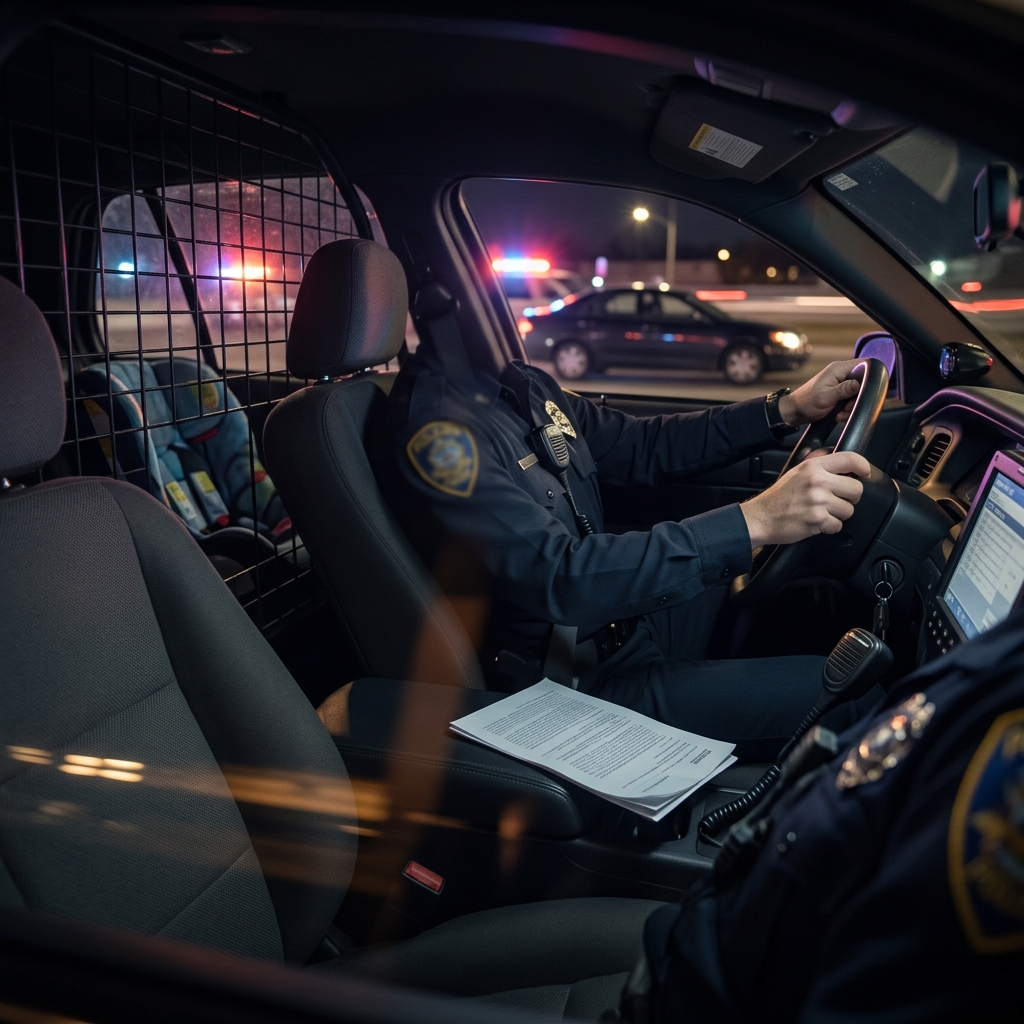
Driving under the influence is a serious criminal offense on its own. When a driver is impaired and a child is in the vehicle, the legal system treats the situation as significantly more dangerous and often imposes separate child endangerment charges or enhanced DUI penalties. These laws are designed to protect children, who cannot protect themselves from the risks posed by intoxicated drivers.
This article explains how DUI child endangerment laws work in the United States, the types of charges and penalties that can result, how cases are commonly prosecuted, and what this means for parental rights and child custody.
What Is DUI Child Endangerment?
In most jurisdictions, DUI child endangerment refers to committing a drunk or drugged driving offense while a minor is present in the vehicle. Many states either:
- Create a separate crime of driving under the influence with a child passenger, or
- Treat the presence of a minor as a sentencing enhancement that increases the punishment for an underlying DUI conviction.
Although definitions vary, the core elements usually include:
- The driver operated a motor vehicle.
- The driver was legally impaired by alcohol, drugs, or a combination.
- A minor passenger (often under 14, 15, or 18, depending on the state) was in the vehicle at the time of the offense.
States set different age thresholds for who counts as a “child” in this context. For example, some laws apply when the passenger is 15 or younger, others use under 14, and some treat any passenger under 18 as a minor for enhanced penalties.
National Overview of DUI Child Endangerment Laws
Impaired driving with children in the car has been a focus of legislative reform for decades. According to research on state DUI child endangerment laws:
- 48 states and the District of Columbia have enacted some form of DUI child endangerment law.
- 42 states and DC provide enhanced penalties when a child passenger is present.
- 25 states have separate DUI child endangerment statutes, rather than only enhancements.
- A total of seven states classify DUI with a child passenger as a felony offense under certain circumstances.
Only a small number of states, such as South Dakota and Vermont, currently lack specific impaired driving child endangerment legislation and instead rely on general DUI and child endangerment provisions.
How DUI With a Child Passenger Is Charged
When a driver is arrested for impaired driving and a minor is in the car, prosecutors typically have several options:
- Charge a standard DUI plus a separate child endangerment offense related to the minor passenger.
- Pursue an aggravated or felony DUI based on the presence of the child.
- Seek a sentence enhancement within the existing DUI charge, leading to increased jail time, fines, or other sanctions.
In some states, a DUI with a minor in the vehicle is automatically treated more seriously than a typical first-time DUI. It may be filed as a felony even when no crash or injury occurs, purely because the child is considered particularly vulnerable.
Difference Between Separate Charges and Enhancements
| Approach | What It Means | Practical Impact |
|---|---|---|
| Separate child endangerment charge | A distinct criminal offense in addition to the DUI, often based on endangering the welfare of a child. | Defendant faces potential conviction and punishment for both DUI and child endangerment, increasing total penalties. |
| Sentencing enhancement | The DUI is the only charge, but the judge imposes harsher penalties because a minor was in the car. | Longer jail terms, higher fines, added restrictions, and possible felony classification, without a separate child endangerment conviction. |
Typical Penalties for DUI Child Endangerment
The penalties for DUI with a child passenger are usually tougher than for a standard DUI. Depending on the state and whether the offense is a misdemeanor or felony, consequences may include:
- Increased jail or prison time compared with a DUI without a minor.
- Higher fines and additional court fees.
- Driver’s license suspension for a longer period.
- Mandatory participation in DUI education or treatment programs.
- Community service requirements.
- Installation of an ignition interlock device (IID) on the driver’s vehicle.
- Probation, often with strict conditions.
Penalty enhancements specific to child passengers can include:
- Additional jail sentences stacked on top of the base DUI term.
- Additional fines or surcharges.
- Upgrading the offense to felony DUI or aggravated DUI.
- Extended IID restrictions or longer license suspension periods.
Examples of State-Level Penalty Schemes
States differ substantially in how they structure punishments, but several patterns are common:
- Some states treat DUI with a child passenger as a first-degree misdemeanor, punishable by several years of incarceration and a substantial fine.
- Other states classify certain DUI child endangerment cases as felonies, with prison ranges that can reach up to six years or more.
- Many jurisdictions impose mandatory minimum jail time that judges cannot suspend or convert entirely to probation.
For example, legal overviews indicate that a DUI with a minor passenger can carry imprisonment terms ranging from 180 days up to several years, and fines that may reach $10,000, depending on the state and the severity of the offense.
When DUI Child Endangerment Becomes a Felony
Felony classification is one of the most significant issues in DUI child endangerment cases. In a number of states, a DUI with a minor passenger is automatically or potentially a felony if:
- The driver has prior DUI convictions or prior child endangerment offenses.
- The minor passenger suffers serious bodily injury or death as a result of the impaired driving.
- The statute explicitly designates DUI with a child below a certain age as a felony offense, even without injury.
Felony DUI child endangerment may lead to:
- State prison sentences measured in years rather than days.
- Large fines and restitution obligations.
- Long-term or permanent loss of driving privileges.
- Additional collateral consequences, such as loss of firearm rights or difficulties in employment and housing.
Aggravating Factors That Increase Penalties
The presence of a child passenger is already an aggravating factor. Other circumstances may further increase punishment, including:
- High blood alcohol concentration (BAC), especially at or above 0.15.
- Excessive speeding, reckless driving, or fleeing law enforcement.
- Involvement in a collision, particularly one causing property damage or injury.
- Multiple minors in the vehicle, which in some states can multiply sentencing enhancements.
- Driving with no valid license or while already suspended.
Where injury or death occurs, prosecutors may file additional charges beyond DUI and child endangerment, such as vehicular assault, vehicular homicide, or similar offenses.
Impact on Parental Rights and Child Custody
DUI child endangerment cases are not only criminal matters; they can also affect family law proceedings. A child endangerment arrest or conviction may be considered evidence of unsafe parenting in child custody disputes.
Family courts typically examine factors such as:
- The nature and severity of the DUI and child endangerment charges.
- Any injuries to the child or other passengers.
- The parent’s history of substance abuse or prior DUI arrests.
- Steps the parent has taken to obtain treatment or rehabilitation.
Potential consequences in family court can include:
- Reduced custody or visitation time for the offending parent.
- Supervised visitation requirements.
- Court orders mandating substance abuse testing or treatment.
- Limitations on transporting children until the parent demonstrates sustained sobriety and compliance with court conditions.
Defenses and Legal Strategies in DUI Child Endangerment Cases
Although DUI child endangerment charges are serious, defendants still have rights and may be able to challenge the case. Common defense strategies include:
1. Contesting the DUI Elements
If the prosecution cannot prove the underlying DUI, the child endangerment-related penalties often fall away. Defense counsel may challenge:
- The lawfulness of the traffic stop and arrest.
- The accuracy and calibration of breath or blood testing equipment.
- Whether observed signs of impairment were due to alcohol or another medical or environmental cause.
2. Disputing Child Endangerment Allegations
In jurisdictions that require proof of actual endangerment or risk, defense attorneys may argue that the circumstances did not rise to the level required by statute. Factors may include:
- Short driving distance or low-speed travel.
- Absence of reckless maneuvers, swerving, or near collisions.
- Compliance with child safety seat and seatbelt requirements.
3. Seeking Reduced or Alternative Charges
In some cases, counsel negotiates for:
- Reduction from felony to misdemeanor child endangerment.
- Plea agreements that remove child endangerment allegations in exchange for stricter DUI conditions.
- Alternative sentencing, such as diversion programs, intensive probation, or treatment-based dispositions.
4. Mitigation to Limit Sentencing
Even when a conviction is likely, proactive steps may help reduce penalties. Examples include:
- Voluntary entry into substance abuse treatment.
- Completion of parenting or safety education programs.
- Documenting changes in lifestyle, such as installing an IID prior to court orders or committing to abstain from alcohol.
Key Practical Takeaways for Drivers and Parents
DUI child endangerment laws send a clear message: impaired driving with children in the vehicle is treated as a distinct and particularly serious offense. To minimize legal risks and protect children:
- Never drive after drinking or using impairing drugs, especially when transporting minors.
- Use designated drivers, taxis, rideshare services, or public transportation if there is any doubt about sobriety.
- Understand that even a first-time DUI with a child passenger can lead to felony charges or multi-year consequences in some states.
- Recognize that a child endangerment arrest may influence future custody and visitation decisions.
Frequently Asked Questions (FAQs)
Is DUI with a minor in the car always a felony?
No. In many states, DUI with a minor passenger can be charged as either a misdemeanor or a felony, depending on factors such as the driver’s prior record, the age of the child, and whether any injury occurred. However, a subset of states explicitly classify certain DUI child endangerment offenses as felonies by statute.
Can I be charged with both DUI and child endangerment at the same time?
Often, yes. Prosecutors in many jurisdictions may file a DUI charge alongside a separate child endangerment count based on the same conduct. In some states, the law limits how multiple convictions can be entered or sentenced, but facing both charges at filing is common.
What if the child was properly restrained in a car seat?
Using an appropriate car seat or seatbelt is important for child safety, but it does not necessarily prevent DUI child endangerment charges. If the driver is legally impaired, the presence of the minor alone is enough to trigger enhanced penalties or a separate offense in many states. Proper restraint may, however, be relevant for sentencing or in evaluating actual risk.
Do these laws apply only to biological parents?
No. DUI child endangerment statutes usually focus on the driver’s conduct toward a child passenger, regardless of whether the driver is a parent, guardian, relative, or unrelated adult. The key issue is the child’s vulnerability and the driver’s duty of care, not the family relationship.
How do these charges affect my driver’s license?
License consequences vary by jurisdiction but often include mandatory suspension or revocation for DUI convictions, with longer or stricter conditions when child endangerment is involved. Many states also require installation of an ignition interlock device before reinstating driving privileges.
References
- DUI Child Endangerment Laws — Responsibility.org. 2020-01-01. https://www.responsibility.org/wp-content/uploads/2020/01/DUI-Child-Endangerment-2020.pdf
- DUI & Child Endangerment Laws: DUI With a Minor — LawInfo. 2023-06-01. https://www.lawinfo.com/resources/dui/dui-child-endangerment-laws-dui-with-a-minor.html
- DUI or DWI With a Minor in the Vehicle & Legal Penalties — Justia. 2023-08-01. https://www.justia.com/criminal/drunk-driving-dui-dwi/handling-a-dui-stop/dui-with-minor-in-vehicle/
- DUI and Child Endangerment: Understanding the Legal Consequences — DWI Criminal Law Center. 2024-03-15. https://www.dwicriminallawcenter.com/blog/2024/march/dui-and-child-endangerment-understanding-the-leg/
- DUI Child Endangerment in Georgia — Georgiacriminallawyer.com. 2022-05-10. https://www.georgiacriminallawyer.com/dui-child-endangerment-in-georgia
Similar Articles








Read full bio of medha deb




