
When You’re Not Driving but Still Face DUI Homicide Charges
How impaired decisions, shared responsibility, and modern DUI laws can lead to homicide charges even if you never touched the steering wheel.
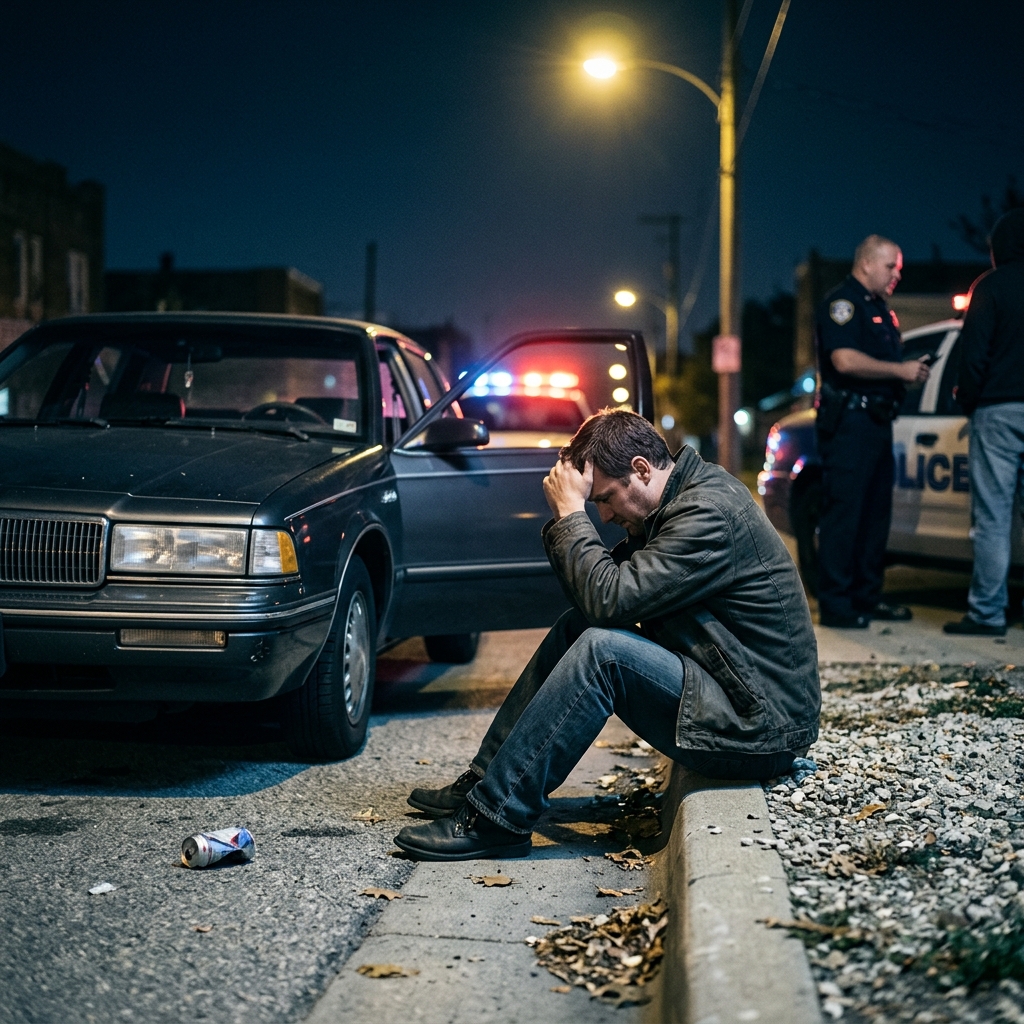
Most people assume you must be behind the wheel to face DUI manslaughter or vehicular homicide charges. In reality, modern criminal law can reach people who never touched the steering wheel but whose conduct still helped cause an alcohol-impaired fatal crash. This article explains how that happens, what legal theories prosecutors use, and what it means for anyone who drinks and then gets into a car.
Understanding DUI Homicide Charges
Legal systems treat deaths caused by drunk driving as a form of homicide, even when the driver never intended to kill anyone. DUI-related deaths are usually prosecuted under specialized statutes, such as DUI manslaughter or DUI homicide, rather than ordinary murder laws.
| Offense Type | Typical Mental State | Key Feature |
|---|---|---|
| DUI Manslaughter / Vehicular Homicide | Negligence or recklessness | Impaired driving causes a death without specific intent to kill. |
| DUI Murder (in some states) | Implied malice / conscious disregard | Driver knows the deadly risk yet drives anyway, showing extreme indifference to life. |
Whether a case is charged as manslaughter or murder, prosecutors must link the defendant’s conduct to the fatal outcome. While we usually think of that conduct as driving, some cases involve people whose actions before or during the trip made the crash possible or more likely.
When Non-Drivers Are Pulled into DUI Homicide Cases
It may be surprising, but a person who is not driving can still face serious charges in connection with a drunk driving fatality. Depending on the state and facts, prosecutors may use theories like culpable negligence, aiding and abetting, or conspiracy to bring non-drivers into the criminal case.
Common Scenarios Involving Non-Drivers
- Supplying a vehicle to an impaired driver – handing over car keys or letting an obviously intoxicated person drive your car.
- Encouraging or pressuring someone to drive drunk – actively urging a friend to drive despite knowing they are impaired.
- Dangerous roadside assistance or parking decisions – creating a hazardous situation on a roadway that an impaired driver then strikes.
- Joint drinking and planning – participating in a plan to drive after drinking where roles are shared or swapped.
- Obstructing safety measures – preventing others from stopping a drunk driver or removing the keys.
In these situations, the person who is not driving may be charged with a related homicide offense if authorities conclude their choices substantially contributed to the deadly crash.
Core Legal Theories Behind Charging Non-Drivers
Criminal liability for non-drivers typically rests on well-established doctrines. Understanding these concepts helps explain how someone can face homicide-level charges despite not operating the vehicle.
Culpable Negligence and Manslaughter
Culpable negligence describes behavior so careless that it shows a reckless disregard for human life or safety. In traffic contexts, this can involve creating an obvious hazard on a busy roadway or ignoring a known, serious risk.
Some states allow prosecutors to charge manslaughter based on culpable negligence when a death arises from extremely dangerous behavior that falls short of intentional killing. When that negligence involves impaired driving or a situation that predictably interacts with drunk drivers, charges can be tied to DUI-related statutes.
Aiding and Abetting an Impaired Driver
Under aiding and abetting principles, anyone who knowingly assists in the commission of a crime can be treated as if they committed that crime themselves. In a drunk driving context, that can include:
- Handing keys to a visibly intoxicated person.
- Insisting that a drunk friend drive instead of using a safe alternative.
- Helping a severely impaired driver flee the scene of a crash.
If the drunk driving results in a death, the helper may face the same DUI homicide charges as the driver, assuming prosecutors can prove they knew or should have known what they were enabling.
Conspiracy and Joint Responsibility
When two or more people agree to engage in criminal conduct, the law of conspiracy can make each participant responsible for foreseeable consequences. In a drinking-and-driving scenario, an agreement to drive home drunk or to race while impaired can create conspiracy liability if a fatal crash occurs.
Even if one person stayed out of the driver’s seat, their role in planning the illegal conduct can bring them into the homicide charges.
Real-World Context: The Scale of Drunk Driving Harm
These legal doctrines are not theoretical. They exist in the context of a persistent public safety problem. According to the U.S. National Highway Traffic Safety Administration (NHTSA), about 32 people die every day in the United States in drunk-driving crashes, roughly one death every 44 minutes. In 2024 alone, alcohol-impaired driving caused 11,904 fatalities in traffic crashes, representing about 30% of all traffic deaths.
Given this scale of preventable harm, lawmakers and courts have been willing to extend liability beyond the driver to anyone whose conduct meaningfully contributed to an impaired, deadly situation.
Illustrative Situations Where Non-Drivers Are Charged
Every case is fact-specific, and outcomes vary by state and evidence. Still, several patterns show how non-drivers can end up facing serious charges in connection with a DUI-related fatal crash.
Case Pattern: Dangerous Roadside Conduct Plus Impaired Driving
One recurring pattern involves a person who, while not driving, creates a dangerous situation on a roadway – for example, stopping or parking in a risky location or mishandling roadside assistance. If an impaired driver then crashes into that scene, authorities may investigate whether the non-driver’s negligence contributed to the fatality.
In one law enforcement report, a driver was charged with DUI manslaughter after striking a vehicle parked on the shoulder of a major interstate, killing a person at the scene. Traffic homicide detectives also arrested a second person – who was not driving at the time of impact – for culpable negligent manslaughter tied to how they contributed to the dangerous circumstances. This shows how prosecutors can combine impaired driving charges against one party with negligence-based homicide charges against another.
Case Pattern: Fatal Crash and Additional Impaired Conduct
In another type of situation, impaired driving leads directly to a fatality, and investigators consider whether other individuals played a supporting role. For example, a suspected drunk driver rear-ended a stopped car at a red light, killing the woman inside; he was charged with DUI manslaughter, leaving the scene of a crash involving death, and vehicular homicide. Although that case focuses on the driver himself, similar factual settings could support charges against others who facilitated his impaired driving or obstructed accountability.
Key Takeaways from These Patterns
- Homicide charges can be split among multiple people based on their different roles.
- Being a passenger or bystander does not guarantee immunity if your actions created or intensified the risk.
- Investigators look at the whole sequence of events, not just who was steering at the moment of impact.
How States Define DUI Manslaughter and Murder
Laws vary by state, but several common elements appear across DUI manslaughter and DUI murder statutes.
Typical Elements of DUI Manslaughter
- Impaired operation of a vehicle – the defendant drove with a blood alcohol concentration at or above the legal limit or was otherwise under the influence of alcohol or drugs.
- Unlawful killing of a person – a death occurred as a direct result of the impaired driving.
- No specific intent to kill – the conduct is negligent or reckless, not intentional homicide.
States often distinguish between ordinary negligence (e.g., a routine traffic mistake while impaired) and gross negligence (e.g., extremely reckless behavior like high-speed racing while drunk).
Typical Elements of DUI Murder
- Implied malice or conscious disregard – the driver knows the deadly risk of driving drunk but chooses to do it anyway.
- Deadly outcome – someone dies as a result of the impaired driving.
DUI murder is harder to prove but carries significantly harsher penalties, reflecting society’s view that repeatedly ignoring well-known dangers can be as blameworthy as intentional harm.
Penalties and Long-Term Consequences
DUI manslaughter and related homicide convictions can bring severe criminal and civil consequences, whether or not the defendant was the one driving.
Criminal Penalties
- Imprisonment – sentences for DUI manslaughter can reach 15 years or more, depending on the jurisdiction and circumstances.
- Fines and court costs – substantial financial penalties are common.
- Driver’s license revocation – even a non-driver defendant may lose driving privileges in certain jurisdictions.
- Probation and supervision – court-ordered conditions such as mandatory treatment or supervision.
Civil and Personal Impact
- Civil lawsuits from victims’ families seeking damages.
- Employment barriers due to a serious felony record.
- Family strain and social stigma arising from the tragedy and criminal case.
Even a person who was never behind the wheel can experience these long-term consequences if prosecutors successfully tie their negligence or support of impaired driving to a fatal outcome.
Practical Lessons: How to Avoid Legal Exposure
Understanding that non-drivers can be charged in DUI homicide cases highlights the importance of safe choices around alcohol and transportation. Certain practical steps significantly reduce both safety risks and legal exposure.
Key Safety and Legal-Protection Strategies
- Never encourage drunk driving. If someone has been drinking, do not suggest or pressure them to drive.
- Control access to keys. If you own the vehicle, keep keys away from impaired individuals and secure your car if necessary.
- Plan ahead. Designate a sober driver or arrange taxis or ride-hailing services before drinking.
- Offer alternatives. Help friends stay overnight, take public transit, or call a sober driver instead of driving.
- Speak up at gatherings. Hosts can make clear that no one leaves while impaired and provide non-alcoholic options.
- Avoid dangerous roadside decisions. If your vehicle becomes disabled, follow law enforcement and highway safety guidance to minimize risk.
NHTSA specifically recommends planning a sober ride, preventing impaired friends from driving, contacting law enforcement if you see an impaired driver, and always wearing a seat belt as key protections.
Role of Law Enforcement and Traffic Homicide Investigations
Serious crashes involving possible impairment typically trigger specialized investigations, particularly when someone is killed or critically injured.
What Investigators Examine
- Driver impairment – blood alcohol testing, field sobriety tests, and toxicology reports.
- Vehicle positioning and road conditions – where cars were stopped, parked, or disabled.
- Witness accounts – what passengers and bystanders said or did before the crash.
- Surveillance or dashcam footage – video evidence of driving behavior and roadside activity.
- Prior history – earlier traffic offenses or alcohol-related incidents that may show knowledge of risk.
Based on these findings, investigators decide whether to recommend charges only against the driver or also against others whose conduct contributed to the deadly situation.
Frequently Asked Questions (FAQs)
Can I be charged with DUI manslaughter if I wasn’t driving?
You cannot be charged as the impaired driver if you were not operating the vehicle, but you can face related homicide charges – such as culpable negligent manslaughter or aiding and abetting – if your actions significantly contributed to a fatal drunk-driving crash.
What if I simply rode with a drunk driver?
Being a passenger is not automatically a crime. However, if you helped the driver obtain the vehicle, pressured them to drive drunk, or interfered with efforts to stop them, your behavior could be scrutinized for possible criminal liability, especially after a fatal crash.
Is it a crime to give my car keys to someone who has been drinking?
In many jurisdictions, knowingly allowing an impaired person to drive your vehicle can expose you to civil liability and, in severe cases, criminal charges – particularly if a death occurs. Whether that rises to manslaughter or aiding and abetting depends on local law and the evidence.
Why do some states have DUI murder laws?
Some states reserve DUI murder for extreme cases where the driver’s conduct shows implied malice, such as repeatedly driving drunk after prior warnings or convictions. The idea is that consciously disregarding a known deadly risk can justify harsher punishment than ordinary manslaughter.
How can I reduce my legal risk when drinking away from home?
Plan transportation in advance, avoid driving after drinking, refuse to ride with impaired drivers, help friends stay off the road when drunk, and never create dangerous situations on highways or busy streets. These steps protect both safety and legal interests.
Summary: Responsibility Extends Beyond the Driver’s Seat
DUI manslaughter and vehicular homicide laws reflect the reality that alcohol-impaired driving can devastate lives. While most people associate these charges solely with the driver, modern investigations and legal doctrines can reach anyone whose actions contributed to the fatal risk. By understanding how negligence, aiding and abetting, and conspiracy work, and by following basic safety principles, individuals can avoid both catastrophic harm and unexpected criminal liability.
References
- Brandon woman arrested for Culpable Negligent Manslaughter stemming from November 2021 fatal I-4 DUI crash — Polk County Sheriff’s Office. 2022-01-13. https://polksheriff.org/news-investigations/2022/01/13/brandon-woman-arrested-for-culpable-negligent-manslaughter-stemming-from-november-2021-fatal-i-4-dui-crash
- Lake Mary drunk-driving crash kills woman visiting sick father, fiancé says — ClickOrlando / WKMG. 2026-07-02. https://www.clickorlando.com/news/local/2026/07/02/lake-mary-drunk-driving-crash-kills-woman-visiting-sick-father-fiance-says/
- Suspected drunk driver accused of hitting 3 women in Denver has history of traffic offenses — Denver7. 2026-06-18. https://www.denver7.com/news/crime/suspected-drunk-driver-accused-of-hitting-3-women-in-denver-has-history-of-traffic-offenses
- DUI Manslaughter vs. DUI Murder: What Are the Legal Differences? — FindLaw. 2024-03-18 (approx.). https://www.findlaw.com/dui/charges/dui-manslaughter-and-dui-murder.html
- Drunk Driving: Statistics and Resources — National Highway Traffic Safety Administration (NHTSA). 2025-01-15 (updated). https://www.nhtsa.gov/risky-driving/drunk-driving
Similar Articles








Read full bio of medha deb




