
License Plate Frames, Covers, and the Law
Understand how decorative frames and plate covers can lead to tickets, fines, and legal trouble in different U.S. states.
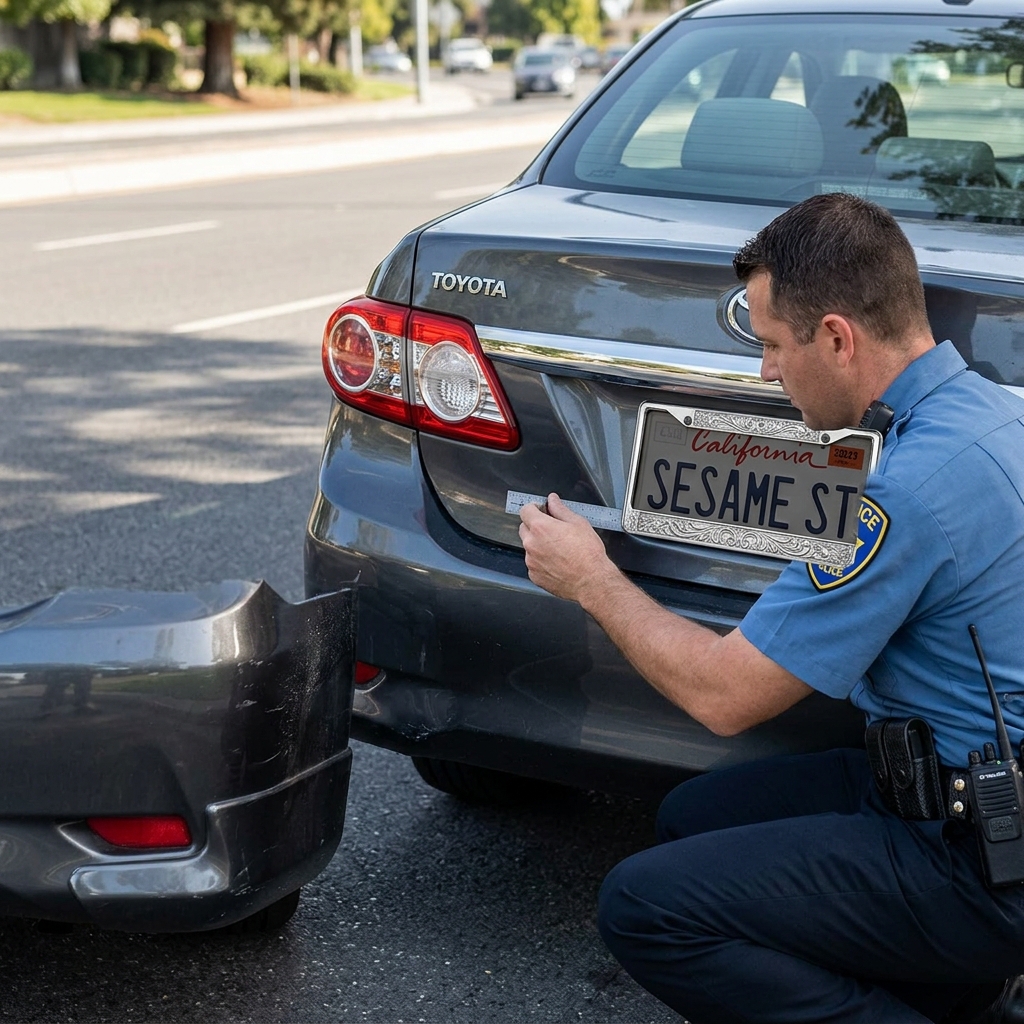
Decorative license plate frames and tinted covers are popular ways to personalize a vehicle, but they can easily cross the line from style into a legal problem. Many drivers are surprised to learn that a simple frame or plastic cover can result in a traffic stop, a ticket, and sometimes significant fines if it obstructs any part of the plate.
This guide explains how U.S. laws generally treat license plate frames and covers, why visibility of plate information matters so much, and how you can personalize your car without violating state regulations or attracting unwanted attention from law enforcement.
Why License Plate Visibility Matters
Every state requires license plates to be readable by both humans and automated systems. Plates serve as a primary way to identify vehicles for registration, enforcement, and public safety purposes. When a frame or cover blocks part of that information, it undermines the basic function of the plate.
Key reasons visibility is strictly enforced include:
- Identification in traffic stops — Officers must be able to quickly read plate numbers and state information.
- Automated enforcement systems — Toll systems, red-light cameras, and license plate readers rely on clear plates.
- Valid registration verification — Stickers and decals show whether a vehicle is legally registered and up to date.
- Criminal investigations — Plates are often used to track stolen vehicles or vehicles involved in crimes.
Because of these safety and enforcement concerns, many states explicitly ban placing anything on or around the plate that obstructs text, numbers, stickers, state names, county names, or other identifying marks.
Common Types of Frames and Covers
Not all frames and covers are treated equally under the law. Some are relatively safe, while others are more likely to cause problems if they interfere with visibility or reflect light in a way that affects cameras.
- Basic thin frames — Usually metal or plastic with narrow borders that do not cover plate corners or text. These are the least likely to cause issues when properly fitted.
- Wide decorative frames — Often feature team logos, school names, or slogans on thick top or bottom panels. If they reach into the area of registration stickers, state names, or plate numbers, they may violate state rules.
- Tinted or smoked covers — Plastic shields that darken or distort the plate, potentially making it hard to read from certain angles or in low light.
- Reflective or obscuring devices — Some products are marketed to defeat toll cameras or hide the plate. In several states, possessing or using these devices is directly prohibited and considered an aggravating factor if used during a crime.
Regardless of style, the core legal test is whether the frame or cover interferes with any required information on the plate when viewed straight on or at an angle.
General Legal Principles Across States
Every state has its own statutes or regulations about plate display, but the underlying requirements are similar. Most rules focus on three main elements: placement, readability, and unobstructed information.
1. Required Plate Placement
States specify where plates must be mounted on a vehicle and whether one or two plates are necessary. Many jurisdictions require a rear plate only, while others require both front and rear plates. Placement is important because a frame or cover can combine with vehicle bodywork to partially block the plate.
2. Clear and Legible Information
State laws typically require that plates be displayed in a horizontal position and remain clearly legible at all times. This commonly includes:
- Plate numbers and letters
- State name or abbreviation
- Registration stickers, months, years, and counties where applicable
- Any official slogans or identifying marks required by the issuing authority
If a frame or cover blocks any portion of this information, even slightly, the plate may be considered improperly displayed.
3. No Obstruction by Foreign Materials
Several states expressly mention frames, covers, and other foreign materials in their laws. For example, one state’s requirements specify that text, numbers, and stickers must be fully visible and not obstructed or obscured by any part of the vehicle or plate frames or covers. Another state forbids any rim, frame, or covering around the plate that obscures lettering or decals.
These provisions make it clear that an otherwise legal frame becomes illegal the moment it hides any required element, even if the obstruction is minor.
How Strict Are Different States?
Although principles are similar nationwide, enforcement intensity and specific wording differ. Some states are known for stricter rules and more active enforcement concerning frames and covers.
| State (Example) | Key Rule | Enforcement Implications |
|---|---|---|
| Indiana | All text, numbers, and stickers must be fully visible and not obstructed or obscured by frames or covers. | Any frame that touches stickers or text could justify a traffic stop. |
| Kentucky | No rim, frame, or covering may obscure any lettering or decal on the plate. | Drivers can receive fines similar to expired registration penalties for improper display. |
| States with strict frame rules (e.g., Texas, New York, New Jersey) | Frames that obscure any part of the plate, including state names, are illegal. | Decorative frames are allowed only if they do not interfere with any portion of the plate. |
| States with new anti-obscuring laws | Recent laws may prohibit anything that makes the plate hard to read, including obscuring devices. | Possessing or using a device to hide a plate, especially during a crime, can add separate penalties. |
While specific language varies, a consistent thread is that any obstruction — even partial — can be treated as a violation.
Ticket, Fine, and Legal Consequences
A violation related to frames or covers is usually classified as a traffic or equipment offense. Penalties range from small fines to more substantial consequences depending on context and state law.
- Traffic stops — Officers may use a visibly obscured plate as a lawful basis for pulling a vehicle over, even if the driver is otherwise following traffic rules.
- Civil fines — Some states impose fines comparable to or aligned with penalties for expired registration when plates are improperly displayed.
- Additional criminal penalties — Where laws target obscuring devices, intentionally hiding a plate while committing a crime can lead to added prison time.
- Vehicle inspection or compliance orders — In certain jurisdictions, a driver may be required to remove the offending frame or cover and show proof of corrective action.
In practice, minor frame issues sometimes result in warnings, but there is no guarantee. A visibly covered sticker or state name can be enough for an officer to issue a citation.
Personalization vs. Compliance: Finding the Balance
Many drivers want to show support for universities, sports teams, military service, or local businesses with plate frames. Personalization is generally permitted, but it must be done within the boundaries of the law.
To strike the right balance, focus on these principles:
- Choose slim borders — Thin top and bottom frame designs are more likely to leave all text and stickers fully visible.
- Check sticker locations — Some states place registration stickers in corners or specific plate areas; make sure your frame does not cover them.
- Avoid tinted covers — Even light tints can cause visibility problems from certain angles or under low-light conditions.
- Skip anti-camera gadgets — Devices marketed to hide your plate from cameras are likely illegal and may carry serious penalties.
The safest approach is to ensure that, when you stand behind the car and from an angle, every character, word, and sticker on the plate is fully visible and legible.
State-Specific Considerations and Best Practices
Because regulations differ, you should always verify the exact rules in your home state and any state where you frequently drive. However, some practices have broad applicability and can reduce risk everywhere.
Research Your State’s Requirements
Official motor vehicle agency websites are the most reliable source of plate display rules. For example, one state’s bureau of motor vehicles provides specific guidance about sticker locations and plate height, and explicitly warns that frames or covers cannot obscure any text or stickers. Another state’s statutes clarify that frames are permitted only if they do not block lettering or decals.
To research your state:
- Visit your state’s department of motor vehicles, motor vehicle bureau, or equivalent agency website.
- Search for terms such as “license plate display requirements,” “license plate frames,” or the specific statute number, if known.
- Look for details about sticker placement, required slogans, and any mention of frames and covers.
Check Before You Install a New Frame
When you purchase a new frame or cover, test it on your plate before driving:
- Attach the frame loosely and examine the plate straight-on and from different angles.
- Confirm that no corners, stickers, state name, or numbers are covered, even partially.
- Consider how headlights, sunlight, and night-time conditions might affect readability if using a cover.
If anything appears even slightly blocked, opt for a different frame design or remove the accessory altogether.
FAQs: License Plate Frames and Covers
Are license plate frames always legal?
No. Frames are generally allowed if they do not cover any part of the plate’s required information. If a frame obscures numbers, letters, state names, or registration stickers, it can be considered illegal under many state laws.
Can I use a tinted or smoked license plate cover?
Tinted covers are risky. Laws in some states prohibit anything that makes the plate hard to read, even partially or from specific angles, and enforcement often focuses on covers that interfere with camera or officer visibility. A clear, non-tinted cover is less likely to cause problems, but you must still ensure it doesn’t distort the view.
What information must remain visible on my plate?
At minimum, the plate number and letters, the issuing state, and any required registration stickers must be fully visible and legible. Some states also require county names or specific decals to be unobstructed. Consult your state’s official motor vehicle agency for precise requirements.
Can I be pulled over solely because of my license plate frame?
Yes. An improperly displayed plate — including one partially covered by a frame or cover — can provide legal grounds for a traffic stop. Officers may issue a warning or a citation depending on the circumstances and local practices.
What happens if I use a device designed to hide my plate from cameras?
In jurisdictions with specific anti-obscuring laws, buying, selling, or using a device intended to hide a plate can be illegal. If used in the commission of a crime, such devices may lead to additional criminal penalties or added prison time.
How can I safely personalize my license plate area?
Choose a slim frame that does not extend into the plate’s text or sticker areas, avoid tinted or reflective covers, and verify your state’s regulations before installing accessories. If in doubt, prioritize visibility over decoration.
References
- License Plate Frame and Sticker Display Requirements — Indiana Bureau of Motor Vehicles. 2024-01-10. https://www.in.gov/bmv/registration-plates/license-plates-overview/license-plate-frame-and-sticker-display-requirements
- Are license plate frames on vehicles illegal in Kentucky? It all depends on how you use them. — Lexington Herald-Leader. 2024-02-14. https://www.kentucky.com/news/state/kentucky/article289670449.html
- United States License Plate Frame Regulations — CAM Marketing. 2023-08-01. https://www.camincusa.com/blog/united-states-license-plate-frame-regulations
- Suggested License Plate Frame Shape by State or Province — Special Products. 2023-05-20. https://www.sp-us.com/on-car-advertising/license-plate-frames/suggested-license-plate-frame-shape-by-state-or-province/
- Choosing the Right License Plate Frame for Your State: a Guide — Logotech. 2023-07-15. https://www.logotech.com/blog/post/how-to-choose-the-right-license-plate-frame-for-your-state
- What license plate covers, frames are now illegal? — WDRB News (YouTube). 2023-10-21. https://www.youtube.com/watch?v=hRwFrhDg-Ig
- Are license plate frames illegal? — BestLicensePlateFrames.com. 2023-09-10. https://bestlicenseplateframes.com/answers/5679724/In-what-states-are-license-plate-frames-illegal
Similar Articles








Read full bio of medha deb


