
Understanding Traffic Court: A Practical Guide
Learn how traffic court works, your options after a ticket, and how to prepare for the best possible outcome.
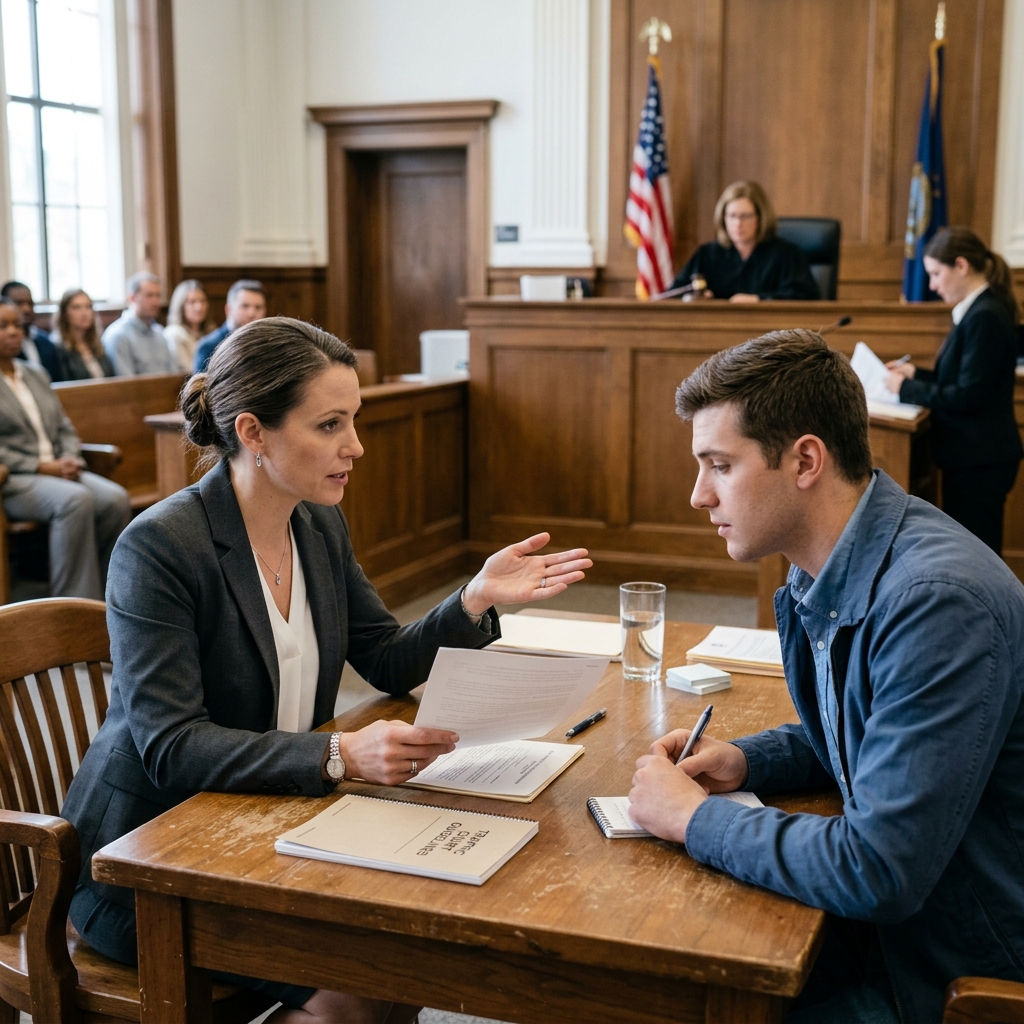
Receiving a traffic ticket can be unsettling, especially if you have never appeared in court before. Yet for many drivers, traffic court is the first and only contact they will have with the justice system. This guide explains how traffic court works, what to expect at each stage of the process, and how to protect your rights while pursuing the best possible outcome.
What Is Traffic Court and Why Does It Matter?
Traffic court is a division of local or state courts that handles violations of traffic laws, ranging from minor infractions (such as speeding or running a red light) to more serious offenses (such as reckless driving or driving under the influence). Although many cases involve relatively small fines, traffic court decisions can affect your driving record, insurance premiums, and even your ability to drive.
Key reasons traffic court matters include:
- Points on your driving record that may lead to license suspension if they accumulate.
- Financial penalties such as fines and court costs.
- Collateral consequences like increased insurance rates or mandatory traffic school.
- Potential criminal consequences for serious violations, including probation or jail in some jurisdictions.
From Ticket to Courtroom: How a Case Begins
The traffic court process generally starts when a law enforcement officer issues a citation alleging that you violated a traffic law. The ticket usually contains important information you should review immediately:
- The specific violation(s) you are accused of.
- The date, time, and location of the alleged offense.
- Instructions on whether you must appear in court or may resolve the ticket by mail or online.
- A deadline to respond or a scheduled court date.
Some minor violations may allow you to pay a fine without going to court, while other offenses require a mandatory court appearance. Failing to respond or appear when required can lead to additional penalties, including a warrant for your arrest or suspension of your driver’s license.
Your Options After Receiving a Traffic Ticket
Once you receive a citation, you generally have several options, depending on your state’s laws:
- Pay the fine and plead guilty or admit responsibility.
- Request a court date to contest the ticket.
- Plead not guilty and ask for a trial before a judge or jury, if available.
- Plead “no contest” (nolo contendere) in jurisdictions that allow this, which means you do not admit guilt but accept a conviction.
Choosing among these options is a strategic decision. Paying the ticket may seem easier, but it often results in a conviction on your driving record and associated points. Contesting the ticket takes more time and effort but can help you avoid points, reduce fines, or obtain a more favorable outcome.
Understanding Common Pleas in Traffic Court
| Plea Type | What It Means | Typical Consequences |
|---|---|---|
| Guilty | You admit you committed the violation. | Fine, possible points, and a conviction on your record. |
| Not guilty | You deny the violation and ask the court to decide the case. | Case proceeds to trial; prosecution must prove the charge. |
| No contest (nolo) | You do not admit guilt but do not dispute the charge. | Usually treated similarly to a guilty plea for sentencing. |
| Supervision / deferred disposition | In some states, you agree to conditions (like traffic school) in exchange for avoiding a conviction. | If you comply, the case may be dismissed or kept off your record. |
At your first appearance, often called an arraignment, the judge will explain the charge and ask how you wish to plead. You may enter your plea at that time or ask the judge for more time to consult with a lawyer.
What Happens at a Typical Traffic Court Hearing?
Although procedures differ among states, most traffic court hearings follow a similar structure:
- Check-in and courtroom rules: You arrive before the scheduled time, check in with court staff, and wait for your case to be called.
- Arraignment: The judge confirms you understand the charge and your rights, then takes your plea.
- Pre-trial discussions: In some jurisdictions, you may speak with a prosecutor or clerk to discuss potential plea offers or diversion programs.
- Trial (if you plead not guilty): The side bringing the charge presents its evidence first, followed by your defense.
- Decision and sentencing: The judge (or jury) decides whether you are guilty and, if so, imposes a sentence.
Traffic court hearings are generally shorter and more informal than criminal trials, but they remain official court proceedings. The judge’s authority and rules of evidence still apply, and disrespectful behavior or failure to follow instructions can harm your case.
How Trials in Traffic Court Work
If you plead not guilty, your case may be set for a bench trial (before a judge) or, in some states, a jury trial if you request one. During trial, the prosecution must prove the alleged violation by the standard required in your jurisdiction—often beyond a reasonable doubt for criminal traffic offenses.
A typical trial includes these phases:
- Opening statements: Each side briefly outlines its evidence and theory of the case.
- Prosecution’s evidence: The officer who issued the ticket usually testifies about what they observed, and may offer documents, diagrams, or photos.
- Cross-examination: You or your attorney may question the officer and other prosecution witnesses to challenge their recollection or credibility.
- Defense evidence: You can present your own testimony, witnesses, photos, videos, or records, such as proof of repair or road conditions.
- Closing arguments: Each side summarizes why the evidence supports a verdict in its favor.
- Verdict: The judge or jury decides whether the prosecution met its burden of proof.
Preparing for Your Traffic Court Appearance
Thoughtful preparation can significantly improve your chances of a favorable outcome. Official court and government guides recommend several practical steps:
- Review your citation: Make sure you understand the exact charge and any required court date.
- Gather evidence: Collect documents, photographs, diagrams, repair invoices, GPS records, or other materials that support your version of events.
- Obtain your driving record: A clean record may help you negotiate a reduction or leniency.
- Identify witnesses: Ask any passengers or bystanders who saw the incident to attend court and be ready to testify.
- Learn courtroom etiquette: Arrive early, dress neatly, address the judge respectfully, and turn off your phone.
- Organize your testimony: Prepare a clear, truthful explanation of what happened, focusing on specific facts rather than emotions.
Your Rights in Traffic Court
Even in minor traffic cases, you retain important legal rights that help ensure fairness in the process:
- Right to notice of the charge: You must be informed of the alleged violation and the legal standard defining it.
- Right to a hearing: You may contest the ticket rather than simply paying the fine.
- Right to present evidence: You can introduce documents and call witnesses in your defense.
- Right to question witnesses: You or your lawyer may cross-examine the officer and other witnesses.
- Right to remain silent: In many jurisdictions, you cannot be forced to testify; you may choose whether to take the stand.
- Right to legal counsel: You may consult or hire an attorney, and in some serious cases, you may be entitled to appointed counsel.
- Right to appeal: If you believe the judge committed a significant legal error or treated you unfairly, you may be able to appeal or request a new trial.
Possible Penalties and Outcomes
If the court finds you guilty or you plead guilty, the judge will impose a sentence according to state law and the severity of the violation. Common outcomes include:
- Fines and court costs: Monetary penalties are the most frequent sanction and can vary widely by jurisdiction.
- Points on your driving record: Points can lead to higher insurance premiums and potential license suspension if they accumulate.
- Traffic school or safety courses: Completing a course may reduce or avoid points and help keep a conviction off your record in some states.
- Community service: Courts may require a number of hours of service instead of or in addition to fines.
- Probation, license suspension, or jail: For serious offenses (such as DUI or reckless driving), penalties can include supervision, loss of driving privileges, or incarceration.
Some jurisdictions offer alternatives like supervision or deferred disposition, in which your case may be dismissed or kept off your record if you meet specified conditions, such as completing traffic school and avoiding new violations during a set period.
Practical Tips to Improve Your Outcome
While no strategy guarantees success, several practical steps often help drivers achieve better results in traffic court:
- Be honest and respectful: Judges and court staff respond positively to sincere, courteous behavior.
- Avoid making excuses: Focus on facts and legal issues, not general complaints about traffic or enforcement.
- Ask about options: Politely inquire whether diversion programs, traffic school, or supervision are available in your case.
- Consider negotiation: In some courts, you can speak with a prosecutor to explore plea agreements that reduce charges or penalties.
- Follow all orders: If the judge imposes conditions, comply fully and on time to avoid further penalties.
When Should You Consider Hiring a Lawyer?
Not every traffic ticket requires an attorney, but legal representation can be helpful in situations such as:
- Serious charges involving potential jail time, high fines, or license suspension.
- Commercial drivers whose livelihood depends on maintaining a clean record.
- Complicated evidence, such as accidents involving multiple vehicles or disputed expert testimony.
- Multiple prior violations that put you at risk of losing your license under your state’s point system.
An experienced traffic attorney can analyze the evidence, identify legal defenses, negotiate with prosecutors, and represent you at trial. In some cases, a lawyer may appear on your behalf, allowing you to avoid missing work or traveling to court.
Frequently Asked Questions About Traffic Court
Do I have to go to court for every traffic ticket?
No. Many minor violations can be resolved by paying the fine or responding online or by mail. However, some tickets require a mandatory court appearance, particularly those involving serious offenses or accidents.
What happens if I miss my court date?
Missing your court date can lead to serious consequences, such as a warrant for your arrest or suspension of your driver’s license until the matter is resolved. If you realize you cannot attend, contact the court as soon as possible to ask whether you can reschedule.
Can I request a trial instead of just pleading guilty?
Yes. You generally have the right to plead not guilty and request a trial. The prosecution must then present evidence, and you may defend yourself by presenting your own evidence and questioning witnesses.
Will a traffic conviction affect my insurance?
Often, yes. Insurance companies frequently review driving records and may raise premiums after certain convictions or when points accumulate. The exact impact depends on your insurer’s policies and the type of violation.
Can I appeal a decision if I think the judge made a mistake?
In many jurisdictions, you may appeal a traffic court judgment or ask for limited review if you believe there was a significant legal error or unfair treatment. Appeals are usually subject to strict deadlines and procedural rules, so consulting a lawyer is advisable.
References
- Prepare for a Traffic Violation Court Appearance — Georgia.gov. 2023-05-10. https://georgia.gov/prepare-traffic-violation-court-appearance
- Legal Proceedings in Traffic Court — Justia Traffic Tickets Legal Center. 2022-08-01. https://www.justia.com/traffic-tickets/proceedings-in-traffic-court/
- Your Guide to Illinois Traffic Courts — Illinois State Bar Association. 2021-09-15. https://www.isba.org/public/guide/illinoistrafficcourts
- Traffic Court Trial — California Courts Self-Help Guide. 2023-03-20. https://selfhelp.courts.ca.gov/traffic/court-trial
- Prepare for Your Traffic Ticket Court Date — Ohio State Bar Association (What to Expect in Traffic Court). 2020-11-05. https://www.ohiobar.org/public-resources/commonly-asked-law-questions-results/criminal-justice/what-to-expect-in-traffic-court2/
Similar Articles








Read full bio of medha deb


