
Legal Consequences of Ignoring Jury Duty
Understand what happens if you skip jury duty, the penalties you may face, and how to address missed summons legally and responsibly.
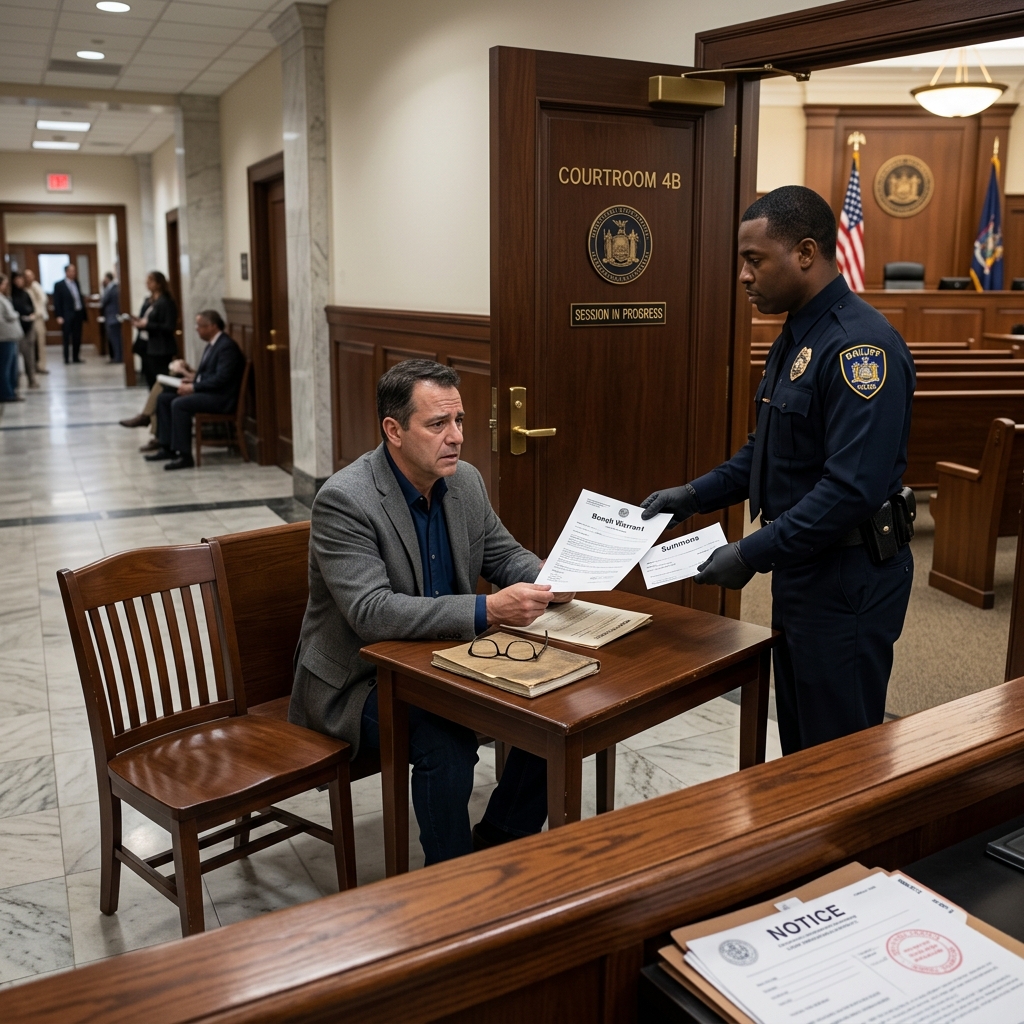
Being called for jury duty is more than an invitation; in most jurisdictions it is a legal obligation backed by court authority and statutory penalties. When someone fails to respond to a jury summons or does not appear as directed, courts can impose fines, jail time, community service, and other sanctions, depending on the circumstances and local law.
This article explains what it means to ignore jury duty, the range of possible consequences, how different jurisdictions treat failures to appear, and practical steps you can take if you have missed or cannot attend your jury service.
Why Jury Duty Is Legally Enforceable
Modern legal systems depend on impartial juries to decide criminal and civil cases. To make that system work, legislatures authorize courts to compel eligible citizens to serve when summoned. A jury summons is typically issued under statutory authority and treated as a court order, not a casual request.
Key reasons jury duty is enforced by law include:
- Preserving the right to a jury trial for criminal defendants and, in many places, civil litigants.
- Ensuring representative juries by requiring participation from a broad cross-section of the community.
- Maintaining respect for court orders; allowing summonses to be ignored would undermine the court’s authority in other matters.
Because of these interests, failing to respond to a summons is often treated as contempt of court or a statutory violation, which gives judges power to impose penalties.
What Counts as Missing Jury Duty?
Not showing up for jury duty can take several forms, and courts may treat each differently:
- Ignoring the questionnaire or initial notice required to confirm eligibility or request an excuse.
- Failing to appear on the scheduled date without prior approval for a postponement or excusal.
- Leaving early or disregarding instructions after checking in, in violation of court orders.
- Repeated non-response to follow-up or second summonses, which often triggers stricter enforcement, such as warrants.
In many jurisdictions, even failing to return required paperwork can lead to an order to appear before a judge and explain the noncompliance.
Core Legal Consequences of Ignoring Jury Duty
The consequences for failing to appear or respond vary by state and by court, but several categories of penalties appear frequently in statutes and court rules.
Contempt of Court
Contempt of court generally refers to willful disobedience of a court order. A jury summons is often treated as such an order, so ignoring it can be grounds for contempt.
Possible outcomes of a contempt finding include:
- Fines up to a statutory maximum (which can be several hundred or even over a thousand dollars).
- Short-term incarceration for a limited number of days, particularly when a person has repeatedly refused to comply.
- Orders to perform community service, sometimes in combination with fines or jail.
While judges often reserve harsh sanctions for repeated or deliberate violations, the power to impose them exists and is used in some cases.
Statutory Fines and Daily Penalties
Many states have specific statutes that describe penalties for failing to attend jury service. These provisions typically authorize a fine up to a stated maximum and may allow courts to charge per-day penalties for each missed appearance.
For example:
- One Kansas judicial district notes that a duly summoned juror who fails to appear without sufficient excuse may be fined up to $100 per day for each unexcused absence.
- Arizona law makes it unlawful to willfully miss jury service without reasonable excuse and authorizes a fine of up to $500, plus the ability to compel attendance on another date.
These figures illustrate how legislatures set monetary consequences to encourage compliance, while leaving judges discretion in individual cases.
Short-Term Jail or Custody
Some jurisdictions expressly allow courts to order brief jail sentences when a person does not show good cause for missing jury duty. This is usually limited to a few days and often reserved for more serious or repeated noncompliance.
Examples include:
- In the federal District of Nebraska, a person who fails to appear without good cause may face up to three days of imprisonment, along with possible fines and community service.
- In at least one California county, prospective jurors who fail to respond as directed can face up to five days of incarceration and a fine of up to $1,500, or both.
Although jail is generally considered a last resort, its availability underscores the seriousness with which courts view jury obligations.
Community Service Orders
Instead of—or in addition to—fines and short-term jail, some courts may order community service for those who fail to comply with jury summonses. Federal guidance in at least one district lists community service as a possible sanction in combination with fines and imprisonment.
Community service may be seen as a way to restore some civic contribution when jury service has been neglected.
Bench Warrants and “Show Cause” Hearings
Before imposing penalties, courts commonly require the individual to appear and explain why they failed to comply. This is often done via a show cause order or similar hearing procedure.
Show Cause Orders
A show cause order requires a person to appear before a judge and demonstrate, usually under oath, why they should not be sanctioned for their noncompliance.
At such a hearing, the judge may consider:
- Whether the failure to appear was intentional or due to misunderstanding.
- Evidence of illness, emergency, or other hardship.
- Past compliance history with jury service or other court orders.
If the judge is satisfied there was good cause, penalties may be reduced or avoided; if not, the judge may proceed to impose sanctions provided by law.
Bench Warrants
If a person repeatedly fails to respond to summonses or ignores orders to appear and explain themselves, the court may issue a bench warrant. A bench warrant authorizes law enforcement to arrest the individual and bring them before the court.
Bench warrants are typically considered a more severe and less common measure, often used when other attempts to secure cooperation have failed.
How Penalties Differ Across Jurisdictions
While the underlying principle—jury duty is mandatory—remains consistent, the specific penalties differ from place to place. The following table summarizes key features from a few jurisdictions as examples, based on public court information and statutes.
| Jurisdiction (Example) | Possible Fine | Possible Jail/Community Service | Other Notable Points |
|---|---|---|---|
| Federal District (Nebraska) | Up to $1,000 | Up to 3 days jail; community service; or combination | Must appear and show cause for failure to comply. |
| California (San Bernardino County) | Up to $1,500 | Up to 5 days incarceration or both fine and jail | Non-response can lead to contempt under state civil procedure. |
| Kansas (Third Judicial District) | Up to $100 per day per unexcused absence | Contempt possible; local practice determines use | Requires “sufficient excuse” to avoid daily fines. |
| Arizona (State statute) | Up to $500 | Can compel attendance at a later date; body attachment possible for second failure | Willful failure without reasonable excuse is unlawful. |
These examples do not cover all states or local courts, but they show how fines and short jail terms are commonly used tools, and how statutes often allow courts to require future attendance after a missed date.
Valid Excuses and Exemptions
Not every missed jury date results from indifference or refusal. Courts recognize that genuine emergencies and hardships can make attendance impossible. Most jurisdictions provide mechanisms to request an excuse or postponement before the scheduled date, and some situations may justify leniency even after a missed appearance.
Common categories of valid reasons to seek relief include:
- Serious illness or medical incapacity that prevents travel or participation, often documented through a physician’s note.
- Family emergencies, such as the death or critical hospitalization of an immediate family member, occurring near the scheduled date.
- Military service or deployment, especially when the juror is on active duty or scheduled for imminent deployment.
- Extreme financial hardship, where missing work would cause substantial, verifiable hardship that the court deems undue.
- Primary caregiving responsibilities without alternative care for dependents, particularly children, elderly, or disabled family members.
Some jurisdictions also provide categorical exemptions, such as for older adults beyond a certain age or individuals who have recently served on a jury. These rules are typically outlined in local statutes or court instructions and may require formal requests.
Practical Steps If You Missed Jury Duty
If you realize you have missed jury duty—either by forgetting, misunderstanding the date, or facing an emergency—the most important step is to contact the court promptly. Courts often treat proactive communication more favorably than continued silence.
1. Reach Out to Jury Administration Immediately
Most courts designate a jury clerk, jury administration office, or similar contact. By calling or writing promptly, you can explain what happened and ask how to resolve the issue.
When you contact the court:
- Provide your full name, summons number, and scheduled date.
- Explain clearly and honestly why you missed the appointment.
- Ask whether you can reschedule or whether a hearing is required.
2. Gather Documentation of Your Circumstances
If your absence was due to illness, travel problems, or family emergencies, gather supporting documents before any hearing or written explanation. This may include medical records, travel confirmations, or notices related to family emergencies.
3. Prepare for a Possible Show Cause Hearing
If the court issues a show cause order, treat the hearing seriously. You may wish to consult an attorney, especially if contempt sanctions are possible. At the hearing, be ready to explain the situation respectfully and provide any evidence that supports your claim of good cause.
4. Comply With Rescheduled Jury Service
In many cases, the court will simply reschedule your jury duty, and compliance with the new date may resolve the issue without further penalties. Make sure to:
- Record the new date and time prominently.
- Arrange work and family responsibilities in advance.
- Arrive early and follow all instructions at the courthouse.
Frequently Asked Questions About Missing Jury Duty
Can I go to jail for not showing up for jury duty?
In some jurisdictions, courts are authorized to impose short jail sentences for failing to appear without good cause, particularly after a show cause hearing. However, many judges reserve jail for repeated or willful noncompliance and rely primarily on fines or rescheduling. The specific risk depends on local law and how the court views your situation.
Is missing jury duty considered a criminal offense?
Failing to appear can be treated as contempt of court or a violation of statutes that make willful failure to attend unlawful. Whether it is labeled a criminal, civil, or quasi-criminal matter depends on the jurisdiction. Regardless of labels, penalties such as fines, community service, and short incarceration can apply.
What if I never received the jury summons?
Mail delivery issues and address changes can cause some people to miss notices. If you learn that you were summoned but did not receive the paperwork, contact the court as soon as possible and explain the situation. Courts may consider lack of actual notice when deciding whether there was good cause for noncompliance, though laws differ on how they treat presumed delivery.
Can I ignore jury duty if I think penalties are rarely enforced?
Although enforcement practices vary and some courts may not pursue every missed summons, penalties—including fines, bench warrants, and contempt findings—are legally available and do get used. Intentionally ignoring jury duty can expose you to unnecessary legal risk and undermine the functioning of the justice system.
How can I legally avoid jury duty if I have a hardship?
The lawful way to avoid or delay jury duty is to follow the procedures for requesting an excuse or postponement, usually detailed in the summons or on the court’s website. Provide complete and truthful information about your hardship and supporting documents if required. Courts may deny requests that do not meet statutory criteria, but they generally prefer advance communication to unexcused absences.
Key Takeaways for Prospective Jurors
Ignoring jury duty is not a trivial matter. Across jurisdictions, courts treat a jury summons as a binding order and have statutory authority to impose penalties when people fail to comply. While the most severe sanctions may be uncommon, they are real, and many issues can be avoided simply by responding promptly, communicating hardships, and following instructions.
- Do not assume there are no consequences; fines, community service, short jail terms, and bench warrants are all possible under various laws.
- Act quickly if you miss a date; contacting the court shows good faith and may prevent escalation.
- Use legal channels for excuses or postponements instead of ignoring the summons.
- Consult an attorney if you face a show cause hearing or potential contempt sanctions, especially if you have prior noncompliance.
References
- 4. What if I don’t show up for jury duty? — U.S. District Court for the District of Nebraska. 2023-01-01. https://www.ned.uscourts.gov/content/4-what-if-i-don%E2%80%99t-show-jury-duty
- Failure to Appear — Third Judicial District Court, Shawnee County, Kansas. 2022-05-01. https://www.shawneecourt.org/346/Failure-to-Appear
- Failure to Appear/Respond to a Jury Summons — Superior Court of California, County of San Bernardino. 2023-02-01. https://sanbernardino.courts.ca.gov/general-information/jury-information/failure-appearrespond-jury-summons
- 21-223. Failure of juror to attend; fine — Arizona State Legislature. 2021-01-01. https://www.azleg.gov/ars/21/00223.htm
- What Happens if I Don’t Show Up for Jury Duty in Florida? — Green Injury Law Firm. 2023-04-01. https://www.greeninjurylawfirm.com/blog/what-happens-if-i-dont-show-up-for-jury-duty-in-florida/
- What Happens if I Don’t Show Up For Jury Duty? — Mayfield Law, LLC. 2023-03-01. https://www.mayfieldinjury.com/blog/what-happens-if-i-dont-show-up-for-jury-duty/
- What Happens If I Miss Jury Duty in Texas? — Thiessen Law Firm. 2022-09-01. https://www.thetexastrialattorney.com/blog/what-happens-if-i-miss-jury-duty/
Similar Articles








Read full bio of medha deb




