
When Landlords May Seize a Tenant’s Belongings for Unpaid Rent
Understand when a landlord can take, store, or dispose of a tenant’s possessions for nonpayment of rent, and the rights and protections tenants still have.
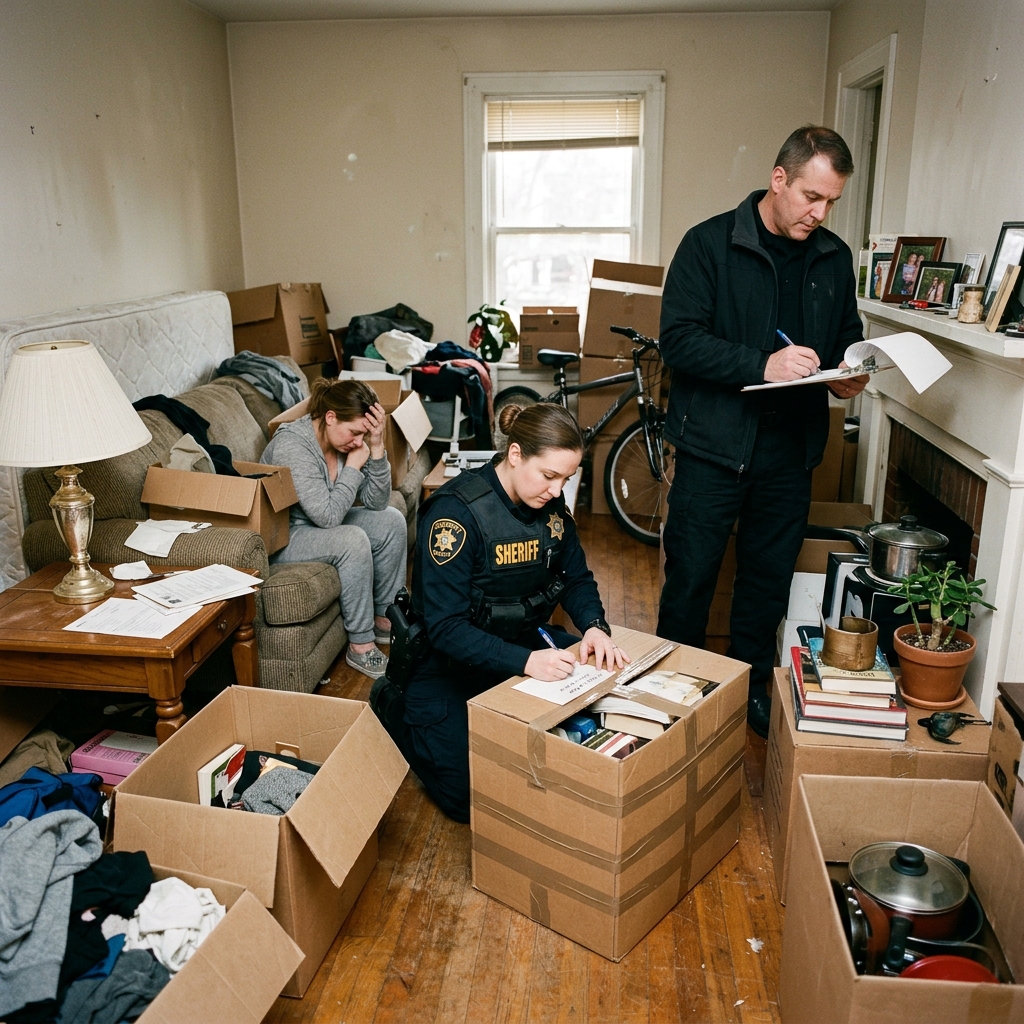
Failure to pay rent can trigger not only eviction, but also disputes over what happens to a tenant’s furniture, clothing, and personal items left in the rental home. This article explains, in plain language, how nonpayment of rent can lead to removal, storage, and in some cases disposal of a tenant’s possessions, and what legal protections typically surround that process.
Although details vary by state, most jurisdictions treat a tenant’s belongings as property that cannot be taken or destroyed without following specific procedures. Understanding those procedures helps both landlords and tenants avoid costly mistakes, property loss, or additional lawsuits.
1. Nonpayment of Rent: How the Legal Process Starts
Across the United States, landlords may start a legal case when a tenant fails to pay rent by the due date stated in the lease. The technical name of the case differs by state—common terms include failure to pay rent, summary ejectment, rent and possession, or unlawful detainer.
At a high level, the process usually follows several steps before any belongings are disturbed:
- Rent becomes overdue under the lease terms (for example, unpaid after the first of the month plus any grace period).
- Notice of nonpayment is given to the tenant, often in writing and within a specific time frame set by state law.
- Eviction case filed in the appropriate court if the tenant does not pay within the notice period.
- Hearing and judgment where a judge decides whether the landlord can regain possession and possibly collect unpaid rent.
- Eviction order or writ of possession authorizing the sheriff or other official to remove the tenant and return control of the property to the landlord.
Only after a court has granted possession and any waiting periods have passed can the landlord usually proceed to physically remove the tenant and deal with the tenant’s possessions. Self-help actions, such as changing locks or throwing out property without a court order, are unlawful in many jurisdictions.
2. Notice Requirements Before Eviction and Property Removal
Notice rules protect tenants by ensuring they are informed before the landlord files an eviction case or removes property. Many states require both a pre-filing notice and additional notices before property is handled.
2.1 Notice of Intent to File for Nonpayment
Some states require landlords to send tenants a standardized notice before filing a failure to pay rent complaint. The notice typically must:
- State the amount of rent owed and any late fees.
- Explain the landlord’s intent to seek eviction if rent is not paid.
- Provide a specific deadline to pay (such as 10 days) to avoid court action.
If the tenant pays the full amount due within the notice period, the landlord generally cannot proceed with the failure to pay rent filing for that overdue balance.
2.2 Notice Before Removal or Storage of Belongings
Once a landlord has the right to evict, state law may require notice before the tenant’s possessions are moved, stored, or disposed of. This can include:
- Written notice that belongings will be removed on or after a certain date.
- A description of where possessions will be stored.
- Information on how long the tenant has to reclaim items before fees or disposal apply.
These notices serve as a final opportunity for tenants to collect essential items and avoid storage charges or permanent loss.
3. The Tenant’s Right to Pay and Stay
In many jurisdictions, tenants have a statutory right of redemption, sometimes called the right to pay and stay. This allows a tenant to halt the eviction and protect their possessions by paying everything owed before the eviction is carried out.
The redemption right typically operates as follows:
- The tenant must pay all past-due rent, plus any court-awarded costs or late fees.
- Payment must be made before the writ of possession or eviction order is executed, not merely before judgment.
- Once paid, the landlord cannot proceed with eviction based solely on that failure to pay rent.
After a tenant successfully redeems the tenancy, any process that would have led to removal or disposal of possessions based on that nonpayment is generally halted.
4. What Happens to Belongings During and After Eviction
The treatment of tenant property during eviction can differ substantially by location, but several patterns are common.
4.1 Role of the Sheriff or Constable
Evictions are usually supervised by a court officer such as a sheriff or constable. Their role often includes:
- Executing the warrant or writ of possession at the rental unit.
- Ensuring that removal of the tenant and belongings occurs in a lawful, orderly manner.
- Preventing breaches of the peace and documenting compliance with the court order.
Landlords generally cannot lawfully seize or dispose of belongings until that writ has been issued and executed.
4.2 Storage and Disposal Time Frames
After the eviction, a key legal question is how long the landlord must hold onto tenant property before disposal is allowed. State laws often set minimum time periods for storage and retrieval. For example, some jurisdictions provide:
| Action | Typical Minimum Time | Purpose |
|---|---|---|
| Start charging storage fees | After about 10 days | Encourage timely retrieval and compensate landlord for storage costs. |
| Allow tenant to reclaim possessions | Up to 30 days or more | Protect tenant’s ownership rights and avoid wrongful loss. |
| Dispose of unclaimed property | After the retrieval period expires | Permit landlord to clear space and end storage obligations. |
During the storage period, the landlord is typically required to exercise reasonable care to avoid damaging or destroying stored items.
5. Limits on Landlord Seizure Powers
Even when tenants have failed to pay rent, landlords generally do not have unlimited power to seize or keep belongings. Important limits include:
- No self-help seizures in many states: landlords cannot simply lock a tenant out or throw belongings into the street without a court order.
- Respect for essential property: laws or court orders may require special care for medications, work tools, or documents, which are particularly important to the tenant’s well-being or livelihood.
- Compliance with notice and timing rules: ignoring required notice periods or storage windows can expose the landlord to claims for wrongful conversion or damages.
- Prohibition on using property as leverage: landlords may not seize belongings merely to pressure tenants into payment outside of lawful procedures.
Tenants who believe their belongings were taken or destroyed unlawfully may have claims for monetary damages and, in some instances, statutory penalties.
6. Tenant Responsibilities When Facing Eviction
Tenants also have responsibilities that affect what happens to their possessions. Failing to act can make recovery more difficult or costly.
6.1 Remove Belongings Promptly
Most leases and state laws expect tenants to remove their personal property when they vacate or are evicted. If belongings are left behind, landlords may be allowed to:
- Move the items to a safe location or storage facility.
- Charge reasonable storage fees after a certain date.
- Eventually dispose of unclaimed items according to statutory rules.
Tenants should, whenever possible, prepare for eviction by organizing essential belongings and taking them with them before the lockout date.
6.2 Attend Court and Assert Defenses
Appearing at the eviction hearing gives tenants an opportunity to present defenses that might prevent eviction and seizure of property. Common defenses include:
- Disputing the amount of rent claimed.
- Showing that conditions in the unit were so unsafe or unsanitary that rent could legally be withheld (where state law allows this).
- Proving that rent was in fact paid or the landlord misapplied payments.
Some states allow tenants to place disputed rent into the court’s registry or file rent escrow actions, which can pause or alter the failure to pay rent case and indirectly protect possessions by preventing eviction.
7. Landlord Best Practices for Handling Tenant Property
Landlords who follow careful procedures when dealing with tenant belongings reduce their risk of legal disputes. Best practices include:
- Document everything: keep photos or videos of the unit and items removed, plus written records of notices and storage dates.
- Use clear written notices: specify dates, storage locations, and deadlines for retrieval, in language the tenant can understand.
- Apply consistent rules: treat all tenants equally, following the same schedule and procedures for property handling.
- Avoid selling or discarding items prematurely: wait until the legally required storage period has passed before disposal or sale.
- Consult local law before charging fees: ensure storage and handling charges are permitted and reasonable under state and local regulations.
Because landlord–tenant laws are largely state-specific, landlords are strongly encouraged to review their jurisdiction’s statutes and court guidance rather than relying on general practices.
8. State Law Differences: Why Local Rules Matter
The rules governing seizure and disposal of tenant belongings are driven by state statutes and court decisions, not federal law. As a result, key differences include:
- Length of notice periods before filing an eviction case or removing property.
- Whether tenants have a statutory right of redemption to pay and stay after judgment but before eviction.
- Requirements for storage, including whether landlords must keep property on-site, in a nearby storage unit, or at some other location.
- Penalties for unlawful seizures, which may range from simple damages to statutory penalties and attorney’s fees.
Resources such as state court self-help pages and attorney general consumer guides can provide detailed explanations tailored to the jurisdiction, including specific forms, deadlines, and tenant protections.
9. Practical Tips for Tenants to Protect Their Belongings
Tenants who anticipate difficulty paying rent can take practical steps to reduce the risk of losing important possessions.
- Communicate early with the landlord about payment problems and seek a written payment plan.
- Prioritize essentials such as medications, identification documents, work tools, and irreplaceable keepsakes; gather these items promptly.
- Track all notices and court dates to avoid default judgments and surprise evictions.
- Explore assistance programs, such as emergency rental aid, legal aid, or housing counseling.
- Attend all hearings and bring evidence (leases, receipts, photos) to assert defenses or negotiate solutions.
Even when eviction cannot be avoided, careful planning and attention to deadlines can prevent permanent loss of valuable property.
10. Frequently Asked Questions (FAQs)
Can my landlord immediately throw away my belongings if I do not pay rent?
No. In most states, landlords must first obtain a court order for eviction and then follow specific procedures and time frames for storing and, eventually, disposing of any belongings left behind. Immediate destruction or removal without legal process can expose the landlord to liability.
What happens if I pay all my rent after the landlord wins in court?
If your state recognizes a right of redemption or similar pay-and-stay rule, you may still be able to avoid eviction by paying all overdue rent, plus court costs and fees, before the sheriff carries out the eviction. This typically stops the eviction and protects your possessions from removal for that particular case.
How long do I have to reclaim my belongings after eviction?
The exact period depends on state law and the terms stated in any notices. Some jurisdictions allow landlords to begin charging storage fees after around 10 days and dispose of unclaimed property after 30 days, but these time frames are not universal. You should read every notice you receive and contact the landlord promptly to arrange retrieval.
Can a landlord keep or sell my things to cover unpaid rent?
In many states, landlords may not simply keep or sell belongings as payment for rent unless specific statutory procedures are followed. Instead, landlords typically must pursue monetary judgments in court and use lawful collection methods, while handling property withdrawals under separate rules.
What should I do if I think my landlord illegally seized my possessions?
You should gather all notices, photos, and other documentation, and seek legal advice promptly. Depending on your jurisdiction, you may be able to file a claim for damages, report the conduct to consumer protection authorities, or raise the issue in ongoing court proceedings.
References
- Failure to Pay Rent — Maryland People’s Law Library. 2024-02-15. https://www.peoples-law.org/failure-pay-rent
- Housing Cases — Maryland Courts. 2024-03-01. https://www.mdcourts.gov/legalhelp/housing
- Eviction Overview — Equal Housing Initiative (Landlords’ Rights). 2023-06-10. https://landlords.equalhousing.org/lease-termination/eviction-overview/
- Landlord And Tenant Rights — Arkansas Attorney General. 2022-11-30. https://arkansasag.gov/divisions/public-protection/homes/landlord-and-tenant-rights/
- Chapter 5 – The Landlord and Tenant Act of 1951 — Pennsylvania General Assembly. 1951-08-24. https://www.palegis.us/statutes/unconsolidated/law-information/view-statute?act=20&chpt=5
Similar Articles








Read full bio of medha deb




