
Smart Renters’ Guide to Inspecting a Home Before You Sign
Learn how to thoroughly inspect a rental, document problems, and negotiate repairs before you sign a lease or pay your deposit.
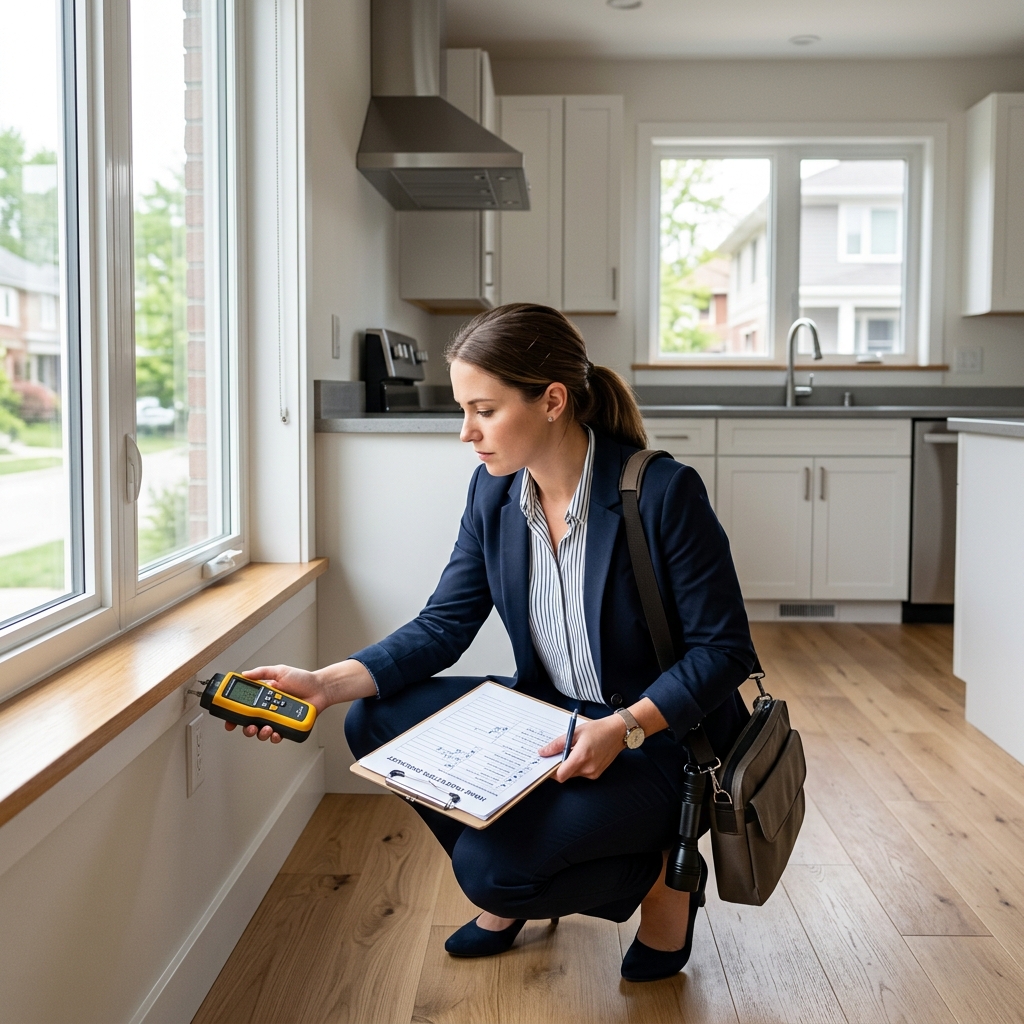
Inspecting a rental home before you sign a lease is one of the most effective ways to protect your money, your safety, and your legal rights as a tenant. Many renters focus on price or location and rush the inspection, only to discover serious problems after they move in. A careful, documented inspection helps you avoid unsafe conditions, unexpected costs, and disputes over your security deposit later on.
This guide walks you through how to prepare for an inspection, what to look for in each area of the property, how to document issues, and which lease terms to pay close attention to before you commit.
Why Inspecting Before Signing Matters
Most leases state that the tenant has inspected the unit and accepts its current condition. If you sign without truly inspecting, you may be legally treated as if you agreed the place was satisfactory, even if major defects exist. Taking time to inspect before signing gives you leverage to negotiate repairs or walk away from problematic rentals.
- Health and safety: You can identify issues like mold, faulty wiring, or missing smoke alarms before you are exposed to them.
- Financial protection: Documenting existing damage makes it harder for a landlord to blame you and keep your security deposit later.
- Lease negotiation: When you know what is wrong, you can ask for repairs, replacements, or concessions in writing before you sign.
- Better decision-making: A thorough inspection reveals whether the unit actually matches your needs, not just the advertisement or model unit.
Preparing for Your Rental Inspection
A good inspection starts with preparation. Simple tools and planning make it easier to spot problems and record what you find.
Schedule Wisely and Bring Support
- Visit during daylight hours so natural light can reveal stains, cracks, leaks, and other damage.
- Allow enough time to walk through every room, test fixtures, and take notes. Do not let anyone rush you.
- Invite a friend or family member. Two sets of eyes catch more problems and provide witnesses if disputes arise.
Inspection Tools to Bring
- Notebook or printed checklist to record issues and mark areas as “OK.”
- Smartphone or camera for photos and short videos of damage.
- Small flashlight for dark corners, under sinks, and in utility areas.
- Phone charger to test electrical outlets in different rooms.
- Tape measure to check that furniture will fit through doors and in rooms.
Inspecting the Right Property (Not Just a Model Unit)
Some landlords show a beautifully maintained model apartment but intend to rent you a different unit. Models are usually in the best condition and may not reflect the actual unit you will occupy.
- Ask to inspect the exact unit that will be on your lease, not only a model.
- If the property is not yet vacant, request access when it is ready and confirm this in writing before signing.
- Be cautious about renting “unseen.” If you cannot inspect the actual unit, consider whether you are comfortable accepting that risk.
Room-by-Room Rental Inspection Checklist
Use the following checklist as a guide. You can adapt it to the type of property you are considering (apartment, townhouse, single-family home, or shared housing).
| Area | Key Things to Inspect |
|---|---|
| Structure and Surfaces | Walls, ceilings, and floors; cracks; water stains; soft areas; damaged tiles; condition of paint or wallpaper. |
| Doors and Windows | Locks, hinges, drafts, broken glass, screens, ease of opening and closing, safety of exterior doors. |
| Plumbing | Faucets, toilets, showers, tubs, water pressure, hot water, leaks under sinks, drainage, signs of mold. |
| Electrical | Light fixtures, outlets, switches, visible wiring, circuit breaker access, functionality of major appliances. |
| Heating & Cooling | Heaters, radiators, HVAC units, thermostats, airflow from vents, ability to control temperature. |
| Safety & Security | Smoke detectors, carbon monoxide alarms, fire extinguishers, deadbolts, exterior lighting, emergency exits. |
| Cleanliness & Pests | Odors, trash handling, signs of insects or rodents, pest entry points, history of pest treatments. |
| Furnishings & Appliances | Condition and operation of any provided furniture, kitchen and laundry appliances, storage space. |
Layout and Space
- Walk through each room to understand the layout and traffic flow.
- Measure doors, hallways, and rooms so you know if your furniture will fit and where it can be placed.
- Confirm that any roommates or partners have seen and are comfortable with the space to avoid conflict later.
Kitchen and Bathrooms
- Test every appliance: refrigerator, freezer, stove, oven, dishwasher, and any built-in microwave.
- Run hot and cold water from each faucet and check for stable temperature and good pressure.
- Flush toilets several times and look for leaks around the base or constant running.
- Inspect under sinks for moisture, mold, or sagging cabinets.
- Check grout, caulking, and tiles in showers and tubs for gaps or mildew that could worsen over time.
Living Areas and Bedrooms
- Inspect flooring for stains, tears, soft spots, or exposed nails. Carpet should be free of strong odors or visible dirt.
- Test all light switches and ceiling fans in each room.
- Open and close closets, built-in storage, and interior doors to ensure they operate smoothly.
- Check windows for ease of opening, secure locks, and intact screens. Bedrooms typically must have an emergency egress window under local codes.
Safety and Security Features
- Locate smoke detectors and press the test button to confirm they work.
- If fuel-burning appliances are present, confirm there is a carbon monoxide alarm as required by local law.
- Examine exterior doors for solid construction, reliable locks, and deadbolts. Ask whether you are allowed to install a deadbolt if none is present.
- Identify fire exits, stairways, and escape routes, especially in multi-story buildings.
Outside and Common Areas
- Walk around the exterior to look for damaged siding, broken steps, loose railings, and poor lighting, which can affect safety.
- Inspect shared laundry rooms, mail areas, parking, trash collection points, and any amenities (gym, pool, courtyard) to ensure they are usable and match what was advertised.
- Observe the general condition of hallways and common spaces; neglected areas may signal poor maintenance overall.
Documenting Damage and Existing Conditions
Thorough documentation is just as important as the inspection itself. Written records and images help prove which problems existed before you moved in.
Create a Written Condition List
- Prepare a room-by-room list of all visible damage, such as holes in walls, chipped paint, worn carpets, cracked tiles, broken blinds, or damaged fixtures.
- Note the location and details of each issue (for example, “2-inch crack in bedroom ceiling near window”).
- Mark undamaged areas as “OK” so it is clear you inspected them and found no problems.
- Ask the landlord to create or provide a written list of existing damage and compare it to your notes to ensure nothing is omitted.
Use Photos and Video
- Take clear photos of each room from multiple angles before you move in, plus close-ups of specific defects.
- Record short videos while walking through the unit, narrating any problems you see.
- Make two sets of photos or digital folders: one for yourself and one for the landlord. Date and label them.
- Keep copies with your lease, inspection checklist, and other rental documents in case of a future dispute.
Get Signatures and Copies
- Request that both you and the landlord sign and date the written damage list.
- Ask for a copy of any move‑in inspection form used by the landlord and keep it with your records.
- If the landlord refuses to acknowledge obvious problems, consider whether you want to rent from someone who resists basic documentation.
Negotiating Repairs and Lease Terms
Once you know what is wrong with the property, decide whether the issues are acceptable, need repair, or justify walking away. Serious code violations or safety hazards should usually be corrected before you move in.
Ask for Repairs Before You Sign
- Identify major issues (such as leaks, electrical hazards, broken locks, or significant mold) and request that they be fixed before your move-in date.
- Get agreements to repair in writing, preferably in the lease or an attached addendum.
- Specify what will be done, who will do it, and the deadline for completion, as well as what happens if repairs are not made.
Review Key Lease Clauses Carefully
In addition to physical conditions, certain lease terms can significantly affect your rights and responsibilities. Tenant information resources emphasize reviewing all written rules before paying any money or signing.
- Rent and fees: Confirm the monthly rent, due date, late fees, and any additional charges (parking, amenities, pet fees).
- Utilities: Clarify which utilities you must pay and how they are billed (individual meters vs. shared costs).
- Security deposit: Understand the amount, where it will be held, and under what conditions it can be withheld at the end of the tenancy.
- Maintenance responsibilities: Check which repairs the landlord must handle and what minor upkeep you must perform.
- Entry and inspections: Look for rules about when and how the landlord can enter your unit for repairs, inspections, or showings.
- Lease length and renewal: Note the term of the lease, renewal procedures, and any automatic rent increases.
- Rules and policies: Read all written rules on noise, guests, parking, pets, and use of common areas before you sign.
Protecting Your Security Deposit
Your security deposit is at risk if the landlord claims you caused damage that existed before you moved in. Consistent documentation at move‑in and move‑out is the best protection.
- Keep a complete file with your lease, inspection checklist, photos, and any repair agreements.
- When you move out, conduct a similar inspection and take new photos after your belongings are removed.
- Compare move‑in and move‑out records to show which conditions were pre‑existing.
- Request a written, itemized list if any part of your deposit is withheld, and refer to your documentation if you need to challenge unreasonable charges.
Evaluating the Neighborhood and Management
Even if the unit itself looks good, the surrounding area and property management style can affect your daily life and safety.
- Visit at different times of day to observe noise, traffic, lighting, and activity around the building.
- Look for signs of ongoing maintenance problems, such as overflowing trash or broken common‑area fixtures.
- Research tenant experiences and any history of serious complaints or legal issues involving the landlord or property, using credible local sources.
- Consider how responsive management appears when you ask questions or request clarification before you sign; this often predicts future interactions.
FAQs: Common Questions About Inspecting a Rental
Can I insist on seeing the unit before I sign the lease?
In most situations, you are allowed to inspect the rental unit before committing. Tenant resources emphasize that renters should be able to review the physical space, written agreements, and rules before paying money or signing a lease.
What if the landlord will only show me a model apartment?
Model units may not reflect the age or condition of appliances, flooring, or fixtures in the actual apartment. If you cannot inspect the specific unit that will be on your lease, ask for detailed written assurances about its condition or consider looking for a different rental.
Do I need a professional home inspector as a renter?
Many tenants perform their own inspections, but some choose to hire a professional, especially for larger or older properties. Real‑estate guidance notes that renters can request a copy of a recent inspection or hire their own inspector, with the landlord’s permission, if they want a more detailed assessment.
How detailed should my inspection checklist be?
Legal information for tenants recommends using a checklist that covers structural elements, utilities, safety equipment, cleanliness, and furnishings, and marking both problems and areas that are in acceptable condition. The more specific your notes, the more useful they will be later.
What if the landlord promises to fix something “later”?
Verbal promises are difficult to enforce. Tenant law guides advise putting agreements about repairs in writing, ideally as part of the lease or a signed addendum that states exactly what will be repaired, by when, and what happens if it is not done.
Is it worth walking away if serious issues are not addressed?
If a landlord refuses to correct major safety or code problems, such as persistent leaks, mold, or broken locks, tenant resources suggest reconsidering whether to rent the unit at all. Choosing a safer, better‑maintained property can prevent long‑term disputes and health risks.
References
- Inspecting a Property Before Signing a Lease — People’s Law Library of Maryland. 2023-05-01. https://www.peoples-law.org/inspecting-property-signing-lease
- The Essential Tenant’s Checklist: 11 Critical Things to Inspect Before Signing a Lease — Raynor Realty. 2022-08-15. https://www.raynorrealtync.com/the-essential-tenants-checklist-11-critical-things-to-inspect-before-signing-a-lease/
- Inspecting a Rental Property Before Signing a Lease — Justia. 2021-11-10. https://www.justia.com/real-estate/landlord-tenant/information-for-tenants/inspection-before-moving-in/
- Do Renters Need a Home Inspection Too? — CT Homes LLC. 2020-03-18. https://www.cthomesllc.com/do-renters-need-home-inspections-too/
- Things to Consider Before Signing a Lease — Tenant Resource Center. 2022-04-05. https://www.tenantresourcecenter.org/before_signing_a_lease
Similar Articles








Read full bio of medha deb


