
Resolving Landlord-Tenant Conflicts and Filing Suit
Practical steps for handling rental disputes, avoiding escalation, and knowing when court action is the right next move.
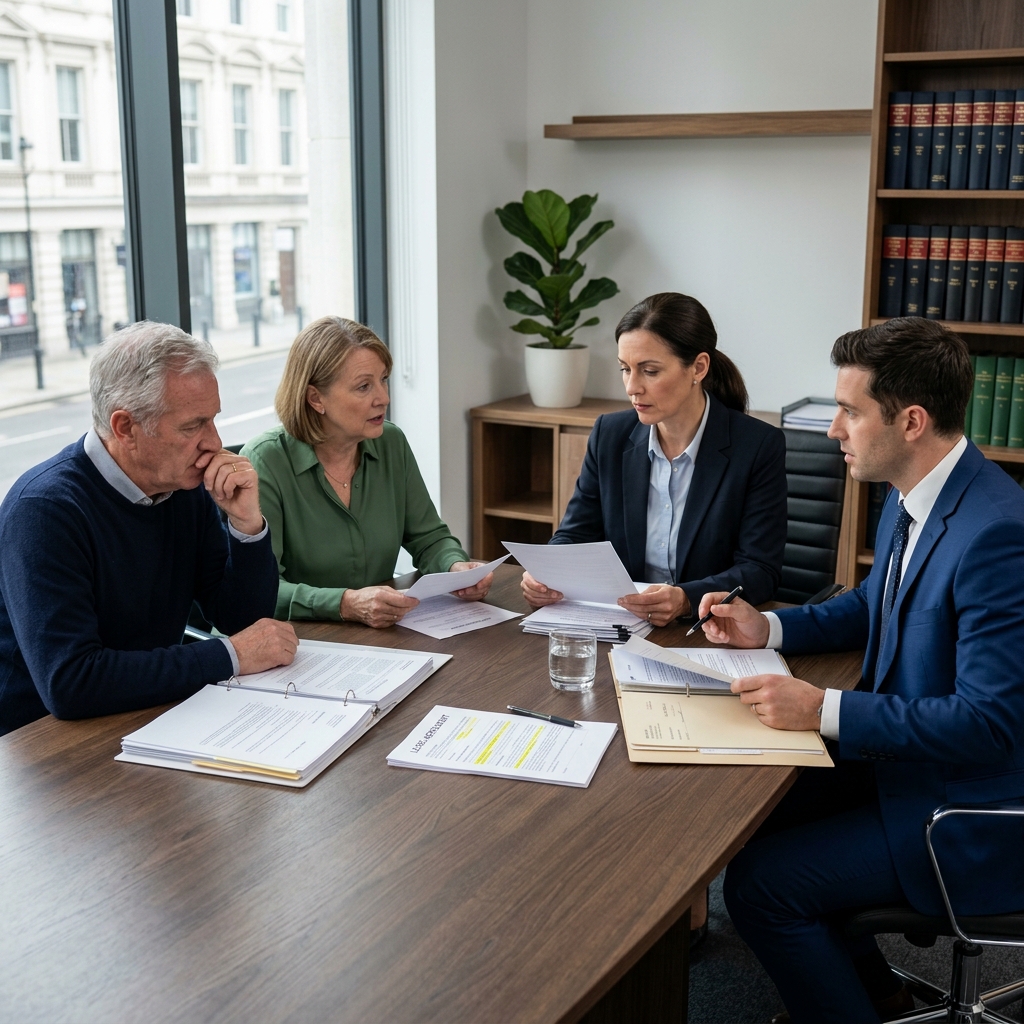
Disputes between landlords and tenants are common in rental housing, but they do not always need to end in court. Many disagreements can be handled through clear communication, written records, and structured problem-solving before litigation becomes necessary. The most effective approach is usually to address the issue early, document what happened, and use the lease and applicable housing laws as the framework for any next step.
This guide explains the main causes of rental conflict, how to respond to a dispute in a practical way, when mediation may help, and what to consider before filing a lawsuit. It is written for both landlords and tenants who want a straightforward plan for handling problems without making them worse.
Why rental disputes happen
Most landlord-tenant conflicts start with a breakdown in expectations. One side believes the lease or the law requires one thing, while the other side sees the issue differently. Some disagreements are financial, while others involve habitability, repairs, privacy, noise, or how the property is being used.
Common sources of tension include:
- Late rent or partial rent payments
- Requests for repairs and maintenance
- Disagreements over security deposits
- Claims that the property is unsafe or unlivable
- Noise, guests, or other lease-rule problems
- Disputes about lease termination or eviction notices
Some of these issues can be solved quickly if the parties speak openly and keep their communication professional. Others become harder to manage if emotions rise, deadlines pass, or one side stops responding.
Start with the lease and the facts
The lease agreement should be the first document reviewed when a conflict arises. A clear lease usually explains rent deadlines, notice rules, repair responsibilities, occupancy limits, and what counts as a violation. If a dispute concerns a rule in the lease, the exact wording matters.
Before responding, gather the key facts:
- What happened, and when it happened
- What the lease says about the issue
- What notices were sent, if any
- Whether there are photos, videos, receipts, or messages
- Whether local law adds extra steps or protections
Careful fact-gathering helps prevent mistakes. It also makes it easier to explain the problem later if the dispute turns into a formal complaint or a court case.
Communicate early and keep the tone professional
Direct communication is often the fastest path to a solution. A landlord who hears a complaint promptly can often correct a repair issue before it becomes a larger habitability problem. A tenant who receives a clear explanation of a lease concern may be able to fix the issue before the relationship breaks down.
When discussing a conflict, it helps to use calm, neutral language. Avoid threats, insults, or vague warnings. State the problem plainly, explain what needs to change, and identify any deadline that applies. Professional communication is especially important because a written exchange may later be used as evidence.
It is also wise to keep a record of emails, texts, letters, and notes from phone calls. Written records help show what each side knew and when they knew it. If the matter later becomes formal, documentation can be more persuasive than memory alone.
Use a step-by-step approach before escalating
Not every disagreement needs an immediate legal response. A practical process often works better than a sudden demand or a hostile confrontation. The following approach can help keep the issue manageable.
- Identify the exact problem and the lease term involved.
- Notify the other party in writing and describe the concern clearly.
- Give the other side a reasonable chance to respond or correct the problem.
- Follow up in writing if the issue is not resolved.
- Use formal notice procedures only if the problem continues.
This structure is useful because it shows fairness and creates a clear timeline. It also reduces the risk that one party will later argue that they never had a chance to fix the issue.
When mediation can help
Mediation is a voluntary process that uses a neutral third party to help the landlord and tenant reach an agreement. It is often useful when both sides want to avoid court but need help communicating. Mediation can be especially effective in disputes involving repairs, move-out charges, or whether one party has misunderstood a lease term.
The main advantage of mediation is flexibility. Instead of waiting for a judge to impose a result, the parties can often create a solution that works for the specific situation. That might include a payment plan, a repair schedule, a move-out date, or an agreement about a deposit deduction.
Mediation tends to work best when both sides are willing to negotiate in good faith. It is less useful if one side refuses to participate, ignores deadlines, or is using the process only to delay a required action.
Document everything as the dispute develops
Documentation is one of the most important parts of dispute resolution. It protects both parties by creating an objective record of what happened. Good records can also prevent a small disagreement from becoming a credibility contest.
Helpful records may include:
- The lease and any written addenda
- Notices served by either party
- Photos or videos of damage or repair problems
- Repair invoices and receipts
- Copies of rent payment records
- Emails, letters, and text messages
- Notes from meetings or phone calls
If a conversation happens by phone or in person, it is helpful to send a short follow-up email summarizing what was discussed. That way, both sides have the same understanding of what was said and what comes next.
Know when the issue may require formal notice
When a conflict does not resolve informally, formal notice may be the next step. The type of notice depends on the problem and the lease. For example, nonpayment of rent may call for one kind of notice, while a rule violation or repeated disturbance may require another.
Formal notice matters because it often begins the legal timeline. A landlord generally cannot skip the required steps and go straight to self-help measures. Likewise, a tenant who wants to assert rights related to repairs or habitability may need to make the problem known in writing before taking further action.
Because notice rules vary by jurisdiction, the safest approach is to check the local requirements before acting. Missing a deadline or using the wrong notice can delay the case or weaken the claim.
Why self-help usually creates more problems
When a rental dispute becomes frustrating, one side may be tempted to take matters into their own hands. That approach usually causes additional legal risk. Changing locks, cutting off utilities, removing belongings, or forcing someone out without the legal process can create serious consequences.
Even if a party believes the other side is clearly at fault, self-help is rarely a good solution. It can lead to counterclaims, damage the credibility of the person taking action, and turn a solvable disagreement into a broader legal dispute. Following the proper process is usually slower, but it is far safer.
How lawsuits fit into the picture
Filing suit is usually a last resort, not the first move. Court becomes appropriate when the parties cannot reach an agreement, one side refuses to comply with the lease, or formal notice and negotiation have failed. A lawsuit may also be necessary when the dispute concerns unpaid rent, serious lease violations, major repair failures, or unlawful eviction behavior.
Before filing, it helps to ask a few practical questions:
- Has the other side been given proper notice?
- Is there enough evidence to prove the claim?
- Would mediation still be realistic?
- What remedy is actually being sought?
- Are there filing deadlines that apply?
Having clear answers makes the filing decision more deliberate and reduces the chance of wasting time or money on a case that is not ready.
What to expect if a housing case is filed
A housing case usually begins with a complaint or petition filed in the proper court. The other side must then be served with notice of the case and given an opportunity to respond. After that, the court may schedule a hearing where each side can present documents, testimony, and arguments.
Preparation matters. A strong case usually includes organized evidence, a clear timeline, and a concise explanation of what happened. Witnesses can help, but the most persuasive evidence is often the paper trail: lease terms, notices, payment records, and documented communications.
The remedy will depend on the claim. A landlord may seek unpaid rent, possession of the unit, or damages. A tenant may seek repairs, return of wrongfully withheld funds, or other relief allowed under local law.
How tenants can protect themselves during a dispute
Tenants do not have to wait passively if a serious problem is developing. They should report repair issues promptly, keep copies of communications, and avoid withholding rent or taking other actions without understanding the legal consequences. If the issue involves unsafe conditions, tenants should document the problem carefully and ask about the lawful procedures available in their area.
Tenants can also protect themselves by reading the lease before signing, asking for clarification in writing, and keeping a file of rent receipts, move-in photos, and maintenance requests. These records are especially useful if there is a disagreement over damage, deposit deductions, or whether the landlord responded to a repair complaint.
How landlords can reduce the chance of litigation
Landlords can often avoid lawsuits by setting clear expectations from the beginning. That includes using a precise lease, responding to maintenance requests in a timely way, and applying rules consistently. If a landlord treats similar problems differently from one tenant to another, the dispute is more likely to grow.
Helpful preventive practices include:
- Using clear written lease terms
- Sending notices promptly
- Keeping maintenance logs
- Recording rent payment history
- Documenting all agreements in writing
Consistency is especially important. A landlord who follows the same procedure every time is in a better position to defend a decision if it is later challenged.
FAQ
Can every landlord-tenant dispute be solved without court?
No. Many disputes can be settled informally or through mediation, but some problems still require formal notice or a lawsuit if the parties cannot agree.
Is a text message enough to prove a rental dispute?
Sometimes it helps, but stronger cases usually include multiple forms of evidence, such as the lease, notices, photos, payment records, and written summaries of conversations.
Should a landlord ignore a tenant’s complaint until rent is paid?
No. Repair and habitability issues should be addressed on their own terms, even if another dispute is also pending.
Can a tenant stay silent and raise a repair issue only after being sued?
That can weaken the tenant’s position. Problems are usually easier to address when they are reported early and in writing.
What is the biggest mistake people make in rental disputes?
The most common mistake is acting too quickly without documenting the facts or following the lease and local law.
Table: Choosing the right response
| Situation | Better first response | When to escalate |
|---|---|---|
| Late rent | Written reminder and lease review | If payment is still not made after notice |
| Repair complaint | Inspection, response, and repair scheduling | If the issue remains unresolved or unsafe |
| Security deposit dispute | Compare deductions with lease and receipts | If the parties cannot agree on the amount owed |
| Lease violation | Clear written notice and chance to cure | If the violation continues or is repeated |
References
- Landlord-Tenant Disputes — Office of the Attorney General of Maryland. 2026-07-10. https://oag.maryland.gov/i-need-to/Pages/landlord-tenant-disputes.aspx
- General Information – Landlord/Tenant Law — Texas State Law Library. 2026-07-10. https://guides.sll.texas.gov/landlord-tenant-law
- How to Resolve Tenant Disputes — BBG Law. 2026-07-10. https://bbgllp.com/new/how-to-resolve-tenant-disputes/
- Landlord-Tenant Disputes | Legal Rights & Responsibilities — Tish Law. 2026-07-10. https://tish.law/blog/navigating-landlord-tenant-disputes-legal-rights-and-responsibilities/
- Landlord-Tenant Disputes — Beyond Intractability. 2026-07-10. https://www.beyondintractability.org/coreknowledge/landlord-tenant-disputes
Similar Articles








Read full bio of Sneha Tete


