
The Unbroken Promise of Immigrant Service Members
Honoring the vital contributions and rights of noncitizen troops.
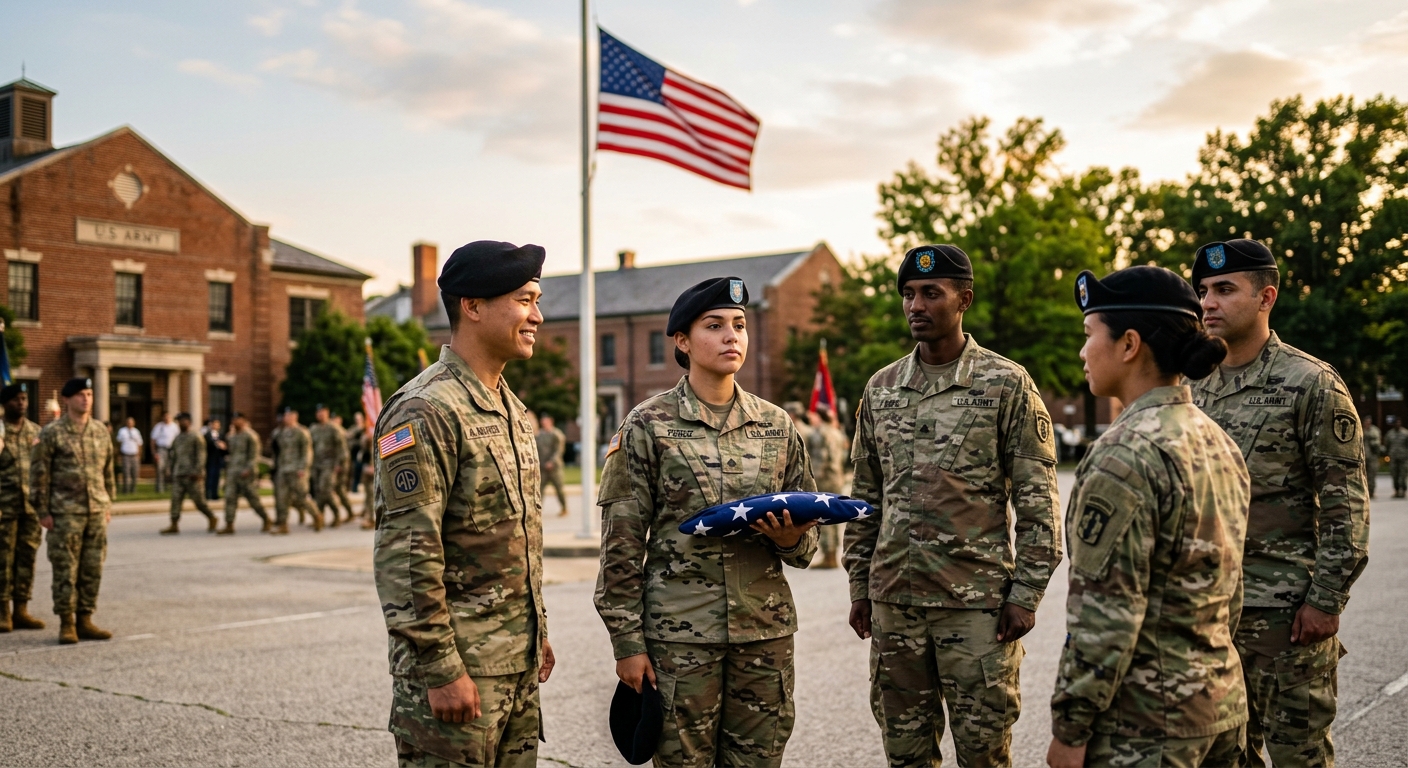
The United States Armed Forces has long relied on the courage of individuals from diverse backgrounds. Among these brave men and women are noncitizen immigrants who have consistently stepped forward to defend a nation where they have not yet secured the full rights of citizenship. For generations, immigrant service members have represented the fundamental fabric of American resilience, bringing indispensable skills and a profound sense of patriotism to the military. Yet, despite their willingness to make the ultimate sacrifice, many noncitizen veterans find themselves fighting a different battle upon returning to civilian life—a battle against the very government they swore to protect. The threat of deportation casts a long, dark shadow over those who believed that honorable service would guarantee a permanent home in the United States. It is a complex crisis that tests the moral compass of the nation.
A Legacy Woven into the U.S. Armed Forces
Since the inception of the United States, immigrants have played a monumental role in shaping and defending the nation. From the Revolutionary War to modern conflicts in the Middle East, foreign-born soldiers have stood shoulder to shoulder with native-born citizens. This is a continuous thread woven into the nation’s military history.
Over the past century alone, hundreds of thousands of noncitizens have enlisted in the U.S. military and subsequently obtained citizenship through their service. During World War I, foreign-born soldiers made up over 18 percent of the U.S. Army, with nearly one in five draftees born overseas . Many units were renowned for their immigrant compositions, proudly demonstrating that loyalty transcends birthplace. Since October 1, 2001, more than 125,000 immigrant service members have become naturalized citizens, relying on special provisions in immigration law designed to reward military service .
Today, tens of thousands of noncitizens currently serve across the Army, Navy, Air Force, Marines, and Coast Guard. Their service demonstrates a level of commitment that rivals—and sometimes exceeds—that of native-born citizens, embodying the ideals of duty, honor, and country.
The Strategic Advantages Immigrants Bring to National Security
The contributions of noncitizen service members extend far beyond sheer manpower. In an era where modern warfare and global diplomacy require nuanced capabilities, immigrants bring unique strengths that are critical to national security and military readiness.
- Linguistic and Cultural Competencies: Immigrant service members often possess native fluency in strategic languages such as Arabic, Pashto, Farsi, Mandarin, and Russian. These language skills are incredibly difficult for military recruiters to find and astronomically expensive to teach. Along with language comes deep cultural intuition, allowing troops to navigate complex geopolitical landscapes, build trust with local populations, and avoid costly missteps in combat zones.
- Medical and Technical Expertise: Many noncitizens enter the military with advanced degrees and specialized skills in medicine, engineering, and cyber-technology. Programs historically designed to recruit these individuals recognize that their expertise is vital for maintaining the technological and medical superiority of the U.S. Armed Forces.
- Recruitment and Retention: The military frequently faces challenges in meeting recruitment quotas, and immigrant service members consistently help bridge this gap. Statistical data suggests that noncitizens often have lower attrition rates and higher retention rates than their citizen counterparts. Their drive to succeed and earn their citizenship translates to highly disciplined, dedicated personnel.
The Broken Pathway: When Service Leads to Deportation
The assumption that military service automatically grants U.S. citizenship is one of the most pervasive and tragic misconceptions in American society. While the Immigration and Nationality Act (INA) does contain special provisions to expedite citizenship for active-duty personnel and veterans, the process is neither automatic nor foolproof.
Administrative hurdles, lost paperwork, lack of legal counsel, and confusing deployment schedules often cause service members to miss crucial filing windows. Furthermore, if a noncitizen veteran commits a crime after transitioning to civilian life—often stemming from service-related trauma like Post-Traumatic Stress Disorder (PTSD) or Traumatic Brain Injury (TBI)—they can lose their lawful permanent resident status. Instead of receiving rehabilitative care, immigrant veterans are transferred to the custody of U.S. Immigration and Customs Enforcement (ICE) and placed in removal proceedings.
The reality of deported veterans is a stark contradiction to the military ethos of leaving no one behind. Men and women who wore the uniform, sustained injuries, and received honorable discharges have been exiled to countries they barely remember. Once deported, they are stripped of their livelihoods, separated from their American families, and heavily restricted from accessing Department of Veterans Affairs (VA) healthcare benefits.
Revealing the Cracks: The 2019 GAO Report
The systemic failures surrounding the deportation of veterans were brought to the forefront by a devastating 2019 report from the U.S. Government Accountability Office (GAO). The comprehensive report revealed that ICE had consistently failed to follow its own internal policies regarding the handling of noncitizen veterans .
According to directives established in 2004 and 2015, ICE agents are required to take careful steps when encountering a military veteran. They must document the individual’s service record, deployments, and awards, and elevate the case to senior ICE headquarters for review before initiating deportation. The GAO found that ICE agents routinely ignored these protocols.
| Finding Category | Details from the GAO Investigation |
|---|---|
| Policy Non-Compliance | In 70% of the veteran cases reviewed, ICE failed to elevate the case to headquarters for the required senior-level review . |
| Missing Data & Tracking | ICE did not maintain complete electronic data on veterans in its systems, meaning the agency did not know how many veterans it had deported. |
| Deportation Statistics | Out of 250 identified veterans placed in removal proceedings between 2013 and 2018, at least 92 were confirmed to be deported . |
| Status of Deportees | Approximately 85% of the deported veterans were Lawful Permanent Residents, and 30% had previously applied for naturalization. |
The Human Toll on Families and Military Readiness
Deportation does not just punish the individual veteran; it unleashes a catastrophic ripple effect on their families and the broader military community. When a veteran is deported, spouses and children are left behind to navigate emotional and financial devastation. Families are torn apart, often forcing American-born children to grow up without a parent or to relocate to a foreign, sometimes dangerous, country.
Furthermore, immigration enforcement actions against the immediate family members of active-duty personnel directly impact military readiness. As noted by defense experts, the psychological well-being of a soldier’s family is inextricably linked to their performance during deployment. An active-duty Marine cannot fully focus on a combat mission if they are paralyzed by the fear that their spouse or parent is being detained back home.
When the government breaks its promise to protect service members and their families, it erodes trust. This erosion of credibility severely hampers future recruiting efforts in immigrant communities, directly threatening the long-term sustainability and operational readiness of the armed forces.
A Legislative Lifeline: The Veteran Service Recognition Act
In response to the outcry from advocacy groups, civil rights organizations, and the veterans themselves, lawmakers have sought to correct this historical injustice through legislation. The Veteran Service Recognition Act represents a comprehensive legislative effort to protect noncitizen service members from deportation and to establish a pathway home for those who have already been exiled .
The proposed legislation tackles the issue on multiple fronts. First, it requires the Department of Homeland Security (DHS) and the Department of Defense (DOD) to implement a more streamlined, proactive process to help noncitizen service members apply for naturalization during their basic training. By moving the application process to the beginning of a soldier’s career, the act aims to eliminate the administrative backlog that leaves so many vulnerable.
Second, the act establishes a dedicated advisory committee within DHS to review the cases of noncitizen veterans who are facing deportation. This ensures that a veteran’s military service, awards, and any service-related trauma are weighed heavily as mitigating factors before any removal orders are executed.
Finally, the Veteran Service Recognition Act creates a legal mechanism for deported veterans to apply to return to the United States as lawful permanent residents. This lifeline acknowledges that exile is a disproportionate and unjust punishment for those who have defended the country. It offers a chance for redemption, family reunification, and access to the life-saving VA medical treatments that these veterans earned through their sacrifice.
Conclusion
Immigrant service members are fundamentally woven into the fabric of America. They do not merely reside in the country; they volunteer to defend its borders, its ideals, and its people. The paradox of relying on noncitizens to protect American freedoms while simultaneously threatening them with deportation is a moral failing that contradicts the core values of the military. Ensuring that every noncitizen who serves honorably can seamlessly transition to U.S. citizenship will require a coordinated effort between the Pentagon, immigration authorities, and Congress. Addressing this issue requires more than just acknowledging the statistics; it demands systemic reform and a steadfast commitment to honoring the unbroken promise of citizenship for service. By passing meaningful legislation and holding enforcement agencies accountable, the United States can finally ensure that no veteran is ever discarded by the nation they fought to protect.
Frequently Asked Questions (FAQs)
Why do noncitizens join the U.S. military?
Noncitizens join the U.S. military for various reasons, including a deep sense of patriotism, the desire to give back to their adopted country, access to educational benefits, and to utilize the expedited pathway to U.S. citizenship provided under the Immigration and Nationality Act.
How does a noncitizen service member end up getting deported?
Military service does not automatically grant citizenship. If a noncitizen service member fails to complete the naturalization process and later commits a deportable offense—often minor crimes or issues stemming from service-related mental health struggles like PTSD—ICE can initiate removal proceedings. Once stripped of their legal status, they are deported just like any other noncitizen.
What is the Veteran Service Recognition Act?
The Veteran Service Recognition Act is a proposed piece of legislation aimed at preventing the deportation of noncitizen military veterans. It seeks to streamline the naturalization process for active-duty members, mandate a thorough review process before any veteran is deported, and create a pathway for already deported veterans to return to the U.S.
Are deported veterans still eligible for VA benefits?
Technically, deportation does not revoke a veteran’s eligibility for VA benefits. However, accessing these benefits from a foreign country is practically impossible. Most deported veterans cannot access VA medical facilities, receive psychiatric care for PTSD, or reliably receive their compensation, effectively severing their access to the benefits they earned.
Do immigrant troops perform as well as native-born citizens?
Yes. In fact, defense data frequently shows that noncitizen service members have lower attrition rates and higher retention rates than native-born citizens. They also bring critical language and cultural skills that are essential for global military operations.
References
- The Immigrant Army: Immigrant Service Members in World War I — U.S. Citizenship and Immigration Services (USCIS). 2025-02-05. https://www.uscis.gov/about-us/our-history/stories-from-the-archives/the-immigrant-army-immigrant-service-members-in-world-war-i
- GAO-19-416, IMMIGRATION ENFORCEMENT: Actions Needed to Better Handle, Identify, and Track Cases Involving Veterans — U.S. Government Accountability Office (GAO). 2019-06-06. https://www.gao.gov/products/gao-19-416
- H.R. 5535 – Veteran Service Recognition Act — Congress.gov. 2023-09-19. https://www.congress.gov/bill/118th-congress/house-bill/5535
- Demographic and Military Service Characteristics of Military Families — National Center for Biotechnology Information (NCBI). 2019-01-01. https://www.ncbi.nlm.nih.gov/books/NBK547615/
Similar Articles








Read full bio of medha deb


