
Divorce, Marriage, and Life When a Spouse Is Incarcerated
How incarceration affects marriage, divorce rights, custody, and support, and the legal options available to both incarcerated and free spouses.
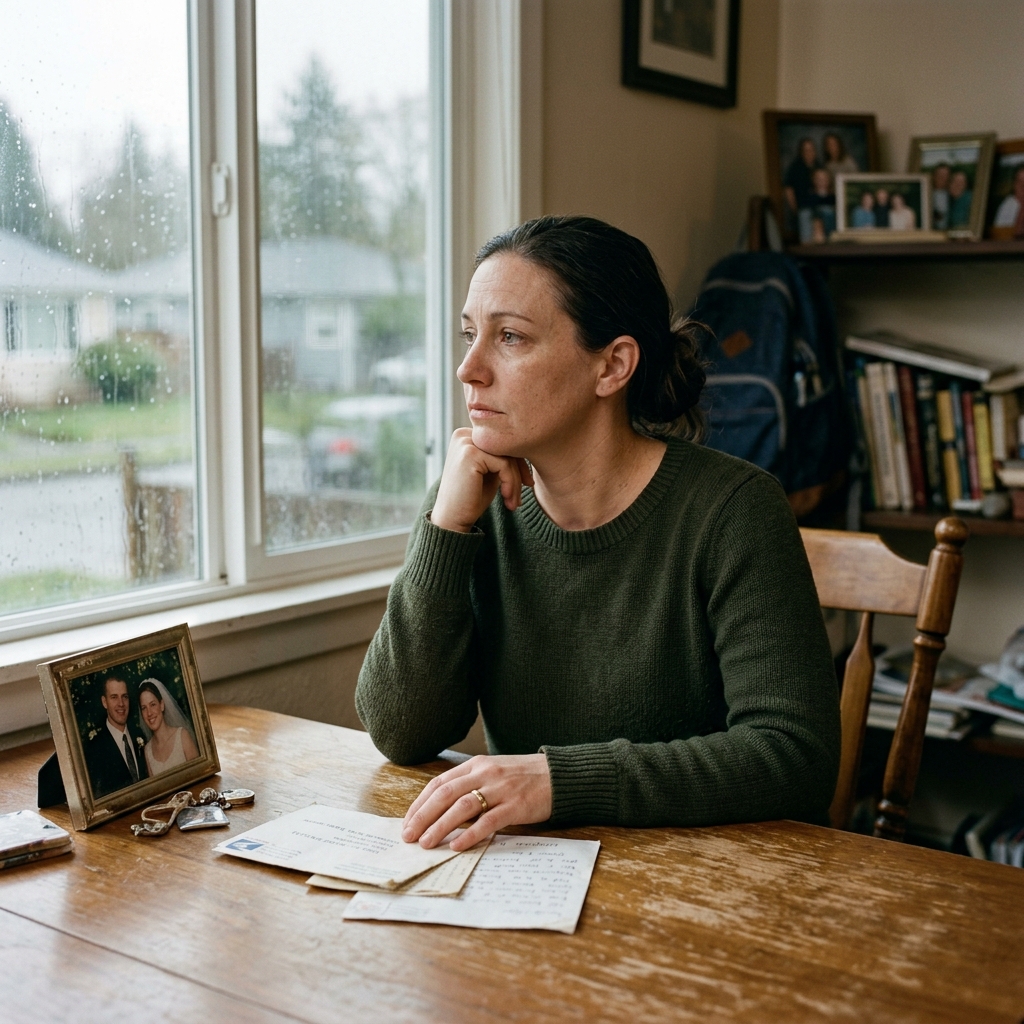
Imprisonment does not freeze a marriage in place. Spouses retain the ability to marry, to seek divorce, and to address child custody and financial support even when one partner is behind bars. At the same time, incarceration introduces unique legal and practical challenges that can complicate these decisions.
This article explains how incarceration interacts with divorce, ongoing marriages, parental rights, and financial obligations in the United States, with examples from several states. It is general information, not legal advice. Because rules vary by jurisdiction, anyone facing these issues should consult a qualified family law attorney in their state.
Key Legal Realities When a Spouse Is in Prison
Before exploring specific scenarios, it helps to understand several core principles that apply in many U.S. jurisdictions:
- Divorce is usually possible even if a spouse is incarcerated. Courts generally allow spouses to file for divorce from or while in prison, provided residency and other state requirements are met.
- Imprisonment may be a fault ground for divorce in some states. Certain states expressly list felony conviction and imprisonment as a basis for fault-based divorce.
- Proper notice to the incarcerated spouse is mandatory. The spouse in custody must be formally served with divorce papers or receive lawful alternative notice, such as service through the facility or by publication.
- Child custody and support are decided on the child’s best interests and ability to pay. Incarceration strongly affects practical parenting and earning capacity, but does not automatically terminate parental rights.
- Each state has specific rules on procedure and grounds. Residency periods, fault standards, and timelines for response differ from one jurisdiction to another.
Can You Divorce a Spouse Who Is Incarcerated?
Contrary to a common belief, you do not have to wait for a spouse’s release to end the marriage. Both the free spouse and the incarcerated spouse usually have the right to initiate divorce.
Filing for Divorce as the Non-Incarcerated Spouse
If your spouse is in prison and you want a divorce, the process usually mirrors a standard divorce with some additional logistics:
- Meeting residency requirements: Many states require one spouse to have lived in the state for a minimum period (often six months) and in the filing county for several months before filing.
- Preparing the petition: You file a complaint or petition for divorce with the appropriate court, stating grounds for divorce, listing any minor children, and proposing arrangements for property division and support.
- Serving the incarcerated spouse: Service is often done by certified mail or a sheriff/process server delivering documents to the prison or jail, sometimes through the warden or facility administrator.
- Waiting for a response: The incarcerated spouse typically has a set number of days (for example, 30 days in Illinois) to respond, just as a non-incarcerated spouse would.
If the incarcerated spouse does not respond within the deadline after proper service, courts may allow a default judgment, granting the divorce and deciding unresolved issues without the spouse’s participation.
Filing for Divorce While You Are Incarcerated
Incarcerated individuals also retain the right to dissolve a marriage. Guidance materials for prisoners explain that, in states such as California, a person in prison can file for divorce if they or their spouse meet residency requirements and appropriate forms are submitted.
- Venue options: Some jurisdictions permit filing in the county where the prison or jail is located if the incarcerated person has been there long enough.
- Access to forms: Many prisons maintain law libraries or provide access to basic civil forms, but availability can vary.
- Communication challenges: Limited phone and mail access can make it harder to respond promptly to court notices or negotiate settlements.
Although the process is more cumbersome from behind bars, the legal right to petition for divorce generally remains intact.
Fault-Based Divorce and Imprisonment
Modern U.S. divorce law often emphasizes “no-fault” grounds such as irreconcilable differences, but imprisonment can still have special legal significance in some states.
States That Recognize Imprisonment as Grounds for Divorce
Several states list long-term imprisonment as a specific ground for fault-based divorce. For example:
| State | Imprisonment-Based Ground | Key Conditions |
|---|---|---|
| Virginia | Felony conviction and confinement | Conviction after marriage; sentence over one year; no cohabitation after conviction. |
| Alabama | Imprisonment as at-fault ground | Spouse in prison at least two years; sentence seven years or longer; imprisonment may be inside or outside Alabama. |
In states that recognize these grounds, a spouse may pursue a fault-based divorce rather than or in addition to a no-fault option. Fault grounds can sometimes affect property division or spousal support outcomes.
No-Fault Divorce and Incarceration
In no-fault states like California, courts do not require proof of marital misconduct to grant a divorce. Instead, the moving party generally cites “irreconcilable differences,” which means the marriage cannot be saved and counseling would not resolve the problems. Incarceration often fits easily into this category because long-term separation and the stresses of imprisonment can render a relationship unworkable.
Serving Divorce Papers on an Incarcerated Spouse
Service of process—the formal delivery of legal documents—is essential to protect constitutional due process rights. When a spouse is incarcerated, service requires coordination with correctional staff.
Common Methods of Service
- Personal service at the facility: A sheriff or professional process server may deliver papers directly to the incarcerated person at the prison or jail.
- Certified or registered mail: Some states allow service by certified mail sent to the facility, often addressed to the warden or administrator, who then facilitates delivery.
- Service via facility officials: Courts may recognize service on the warden or designated official as effective service on the inmate, particularly when the inmate refuses to accept personal delivery.
Alternative Service When Standard Methods Fail
If an incarcerated spouse cannot be reached or refuses to cooperate with service procedures, courts may authorize alternative methods such as publication in a newspaper. In Georgia, for example, if a prisoner does not accept service, the filing spouse can ask the court for permission to serve by publication.
Correct service is critical. If papers are not served properly, courts may delay proceedings or set aside orders later. Legal counsel can help ensure compliance with state rules.
Guardians ad Litem and Incarcerated Spouses
In some jurisdictions, imprisonment affects how courts view a spouse’s ability to participate in litigation. Virginia, for instance, treats an incarcerated spouse as having a legal disability for certain civil matters, entitling them to a guardian ad litem (GAL).
- Role of the GAL: A GAL is an attorney appointed to protect the interests of an individual who cannot fully advocate for themselves, such as minors, incapacitated adults, or incarcerated parties in some states.
- Appointment requirement: Virginia courts will not grant a divorce based on felony conviction and imprisonment until a GAL has been appointed to represent the incarcerated spouse.
- Cost considerations: Typically, the filing spouse must pay the GAL’s fees, though Virginia provides exceptions when the crime involved violence or sexual abuse against the spouse or children and meets certain sentencing thresholds.
After a GAL is appointed, the divorce generally proceeds in a similar manner to other cases, with the GAL serving as the incarcerated spouse’s representative in court.
Marriage, Separation, and Emotional Realities During Incarceration
Not every couple chooses divorce when one partner is imprisoned. Some remain married but live separately, and others try to continue the relationship despite the physical barrier. These choices have legal and emotional consequences.
Staying Married While a Spouse Is Imprisoned
Remaining legally married can sometimes offer practical benefits, such as continued health insurance coverage or access to certain programs. However, it also means:
- Ongoing financial ties: Debts, property interests, and potential spousal support rights remain interconnected.
- Complex decisions about parenting: The free spouse typically assumes daily caregiving responsibilities, while the incarcerated parent must navigate visitation and communication limits.
- Emotional strain: Long-term incarceration often leads to loneliness, shifting expectations, and difficult decisions about whether to wait or move on.
Informal Separation vs. Legal Separation
Some couples informally separate without filing for divorce or legal separation. While this may feel simpler, it can create problems later, especially regarding property and debts acquired during the separation period. In states that offer formal legal separation, filing can clarify rights and obligations without dissolving the marriage.
Child Custody and Visitation When a Parent Is in Prison
Incarceration profoundly affects how a parent can exercise custody and visitation. Courts focus on the child’s best interests, balancing safety, emotional well-being, and continuity of care.
Custody Decisions Involving an Incarcerated Parent
When one parent is imprisoned, the non-incarcerated parent often becomes the primary custodian simply because they can provide daily care. However, courts still consider the incarcerated parent’s role:
- Primary physical custody: Usually awarded to the parent who is free and able to provide a stable home.
- Legal custody: In some cases, parents may share decision-making authority regarding education, medical care, and religious upbringing, even if one parent is incarcerated, though this can be limited by practical communication difficulties.
- Safety considerations: If the crime involved violence or abuse against the spouse or children, courts may restrict contact or impose supervised visitation conditions.
Visitation and Contact from Prison
Visitation policies vary widely. Children may visit parents in prison under rules set by the correctional facility, and contact through letters or monitored calls may be allowed. Courts may encourage maintaining a relationship when it is safe and beneficial to the child, but can restrict or deny prison visits if they are deemed harmful or unstable.
Spousal and Child Support During Incarceration
Financial support obligations do not automatically disappear when a spouse goes to prison, but incarceration often changes what is realistic and legally enforceable.
Spousal Support (Alimony)
Court manuals and practice materials note that it is unusual for an incarcerated person to receive spousal support while in prison. Judges consider factors such as earning capacity, marital misconduct, and financial need. Long-term imprisonment, especially for serious offenses, can diminish claims for ongoing spousal maintenance, and fault-based divorce in some states may further limit support.
Child Support and Incarcerated Parents
Child support orders are based on the child’s needs and the parents’ ability to pay. When a parent is incarcerated:
- Income often drops sharply: Many prison jobs pay very little, and outside employment is generally impossible.
- Modification may be necessary: Parents can ask the court to modify child support orders to reflect reduced income, though procedures vary by state.
- Arrears can accumulate: If orders are not modified, unpaid child support can build up, leading to substantial debt upon release.
Some states have begun to consider incarceration as a substantial change in circumstances that may justify adjusting support obligations, but this is not universal, and specific rules differ by jurisdiction.
Practical Tips for Spouses Dealing With Incarceration and Divorce
Going through divorce or custody proceedings under these circumstances is emotionally and logistically demanding. The following strategies can help:
- Document everything: Keep records of communication with your spouse, prison staff, and the court, as well as financial information and parenting schedules.
- Work with experienced counsel: Lawyers familiar with both family law and correctional procedures can streamline service, hearings, and negotiations.
- Plan for long timelines: Mailing delays, limited phone access, and facility rules can slow progress; patience and contingency planning are essential.
- Prioritize children’s stability: Make decisions with an eye toward minimizing disruption and supporting children’s emotional health.
Frequently Asked Questions (FAQs)
Can I divorce my spouse even if they are serving a long prison sentence?
Yes. Most U.S. states permit divorce regardless of the length of a spouse’s sentence. In some states, long-term imprisonment may serve as a specific fault ground for divorce, while in others you proceed on no-fault grounds like irreconcilable differences.
Does my incarcerated spouse have to agree to the divorce?
No. A spouse’s consent is not required for a court to dissolve the marriage. However, the incarcerated spouse must receive proper legal notice. If they fail to respond after valid service, the court may issue a default judgment granting the divorce and resolving remaining issues.
Will my incarcerated spouse lose parental rights automatically?
Not automatically. Incarceration severely limits practical parenting, but parental rights are only terminated through specific legal procedures and court findings, such as abuse, neglect, or long-term inability to care for the child. Courts focus on the child’s best interests and safety in making custody and visitation decisions.
Can a person in prison file for divorce on their own?
Yes, though it may be challenging. As long as residency and filing requirements are met, incarcerated individuals may petition for divorce. Materials directed at prisoners explain how they can file from prison or jail, particularly in states with clear procedures, such as California.
Will I have to support an incarcerated spouse financially?
Spousal support is determined case by case. Courts consider need, ability to pay, and statutory factors. It is uncommon for courts to order ongoing spousal support in favor of a spouse who is incarcerated, especially if the crime involved harm to the other spouse or children.
References
- How Can I Get Divorced If My Spouse Is Incarcerated? — Virginia Family Law Center. 2023-05-01. https://www.virginiafamilylawcenter.com/can-get-divorced-spouse-incarcerated/
- Can You Divorce If Your Spouse Is in Prison? — Casey, Simmons & Bryant, PLLC. 2023-09-15. https://www.caseysimmonsandbryant.com/blog/2023/september/can-you-divorce-if-your-spouse-is-in-prison-/
- Is Divorce Possible When Spouse in Jail? — Smith Strong, PLC. 2022-11-10. https://www.smithstrong.com/library/is-divorce-possible-when-spouse-in-jail-.cfm
- Manual on Divorce Issues for People in California Prisons and Jails — Legal Services for Prisoners with Children. 2011-01-01. http://www.prisonerswithchildren.org/pubs/divorce.pdf
- Can You Divorce Someone in Jail in Alabama? — Alabama Divorce & Family Law. 2020-06-30. https://www.alabamadivorceandfamilylaw.com/divorce/imprisonment/
Similar Articles








Read full bio of medha deb


