
Can A Guardianship Be Reversed? Step-By-Step Guide For Families
A practical legal guide to ending, modifying, or challenging guardianship arrangements for minors and adults.
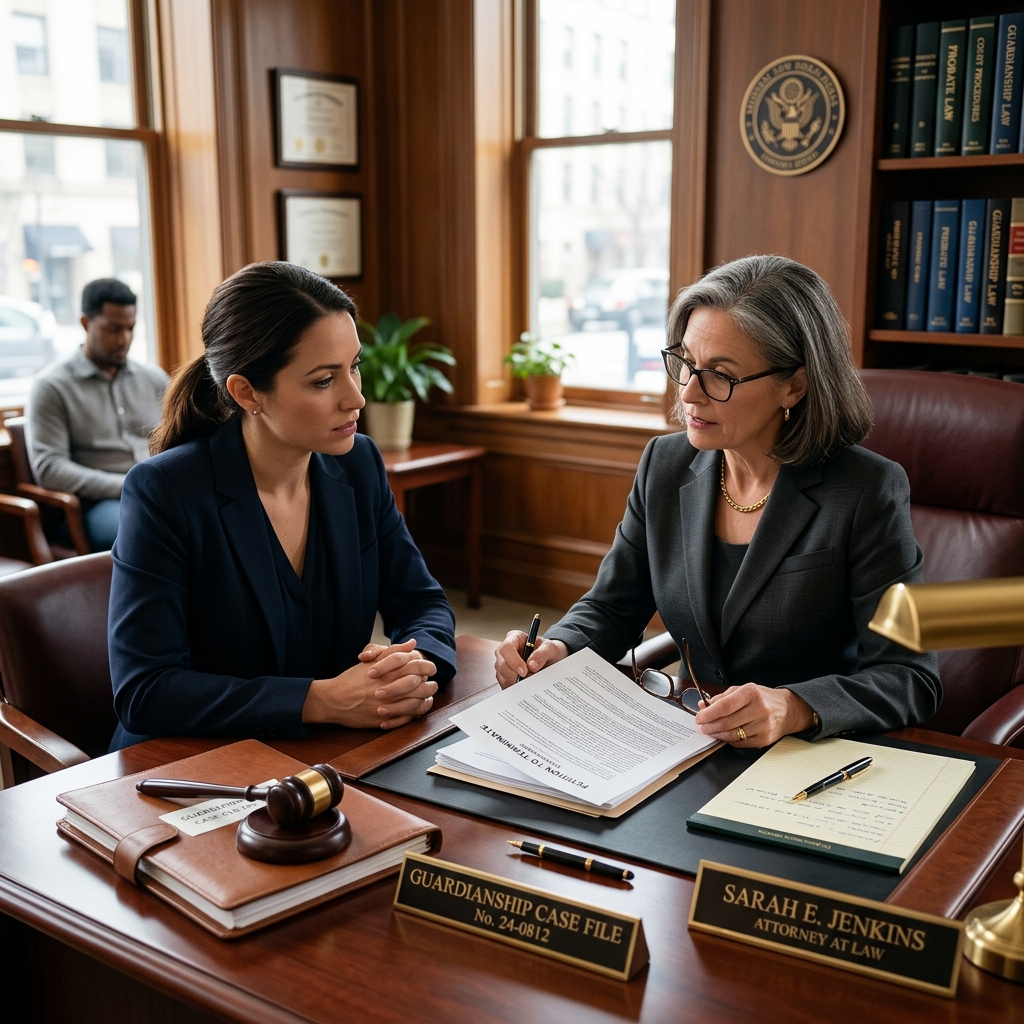
Guardianship can provide essential protection for children and incapacitated adults, but it is not always permanent. When circumstances change, or a guardianship no longer serves the ward’s best interests, the law allows for the arrangement to be modified or terminated. This guide explains what guardianship is, when it can be reversed, and how to navigate the legal process of ending or changing a guardianship agreement.
Understanding Guardianship and Its Legal Impact
A guardianship is a court-recognized relationship in which a guardian is granted authority to make decisions on behalf of a ward, typically a minor child or an adult who cannot manage their own affairs due to disability, illness, or incapacity. The guardian may be responsible for personal decisions (such as medical care and living arrangements) and, in some cases, financial decisions involving the ward’s assets.
Courts may create guardianships through formal proceedings, or a person can nominate a guardian through a written guardianship agreement, often in a will or separate document. In either case, once the court approves or recognizes the guardianship, the guardian’s authority is backed by law and subject to ongoing court oversight.
Key Features of a Guardianship
- Court involvement: Guardianships are established and supervised by a court, usually a probate or family court.
- Legal authority: The guardian has power to act for the ward, often including decisions about education, medical treatment, and living arrangements.
- Limited rights of the ward: The ward may lose some decision-making rights, depending on the scope of the guardianship.
- Continuing review: In many jurisdictions, guardianships are reviewed periodically to ensure they remain appropriate.
Because guardianship significantly affects an individual’s rights, courts allow these orders to be revisited and, when justified, reversed.
When Can a Guardianship Be Ended or Changed?
Guardianships do not automatically last forever. They can end on their own or through court action. Whether you are a parent, guardian, or ward, it is important to understand the main scenarios in which a guardianship may be terminated or modified.
Automatic Termination Events
For child guardianships, several events commonly lead to automatic termination without needing a separate petition:
- The child reaches the age of majority (typically 18).
- The child is legally emancipated by court order.
- The child is adopted or enters the military.
- The child dies.
In these situations, the guardianship ends as a matter of law because the underlying reason for the child’s legal dependency has changed.
Termination or Modification by Court Order
Guardianship can also be reversed, modified, or replaced through a court order when there is evidence that the current arrangement is no longer appropriate. Common reasons include:
- Improved circumstances of parents or the ward: For example, a parent who has overcome substance abuse or completed rehabilitation may seek to regain custody.
- Abuse, neglect, or misconduct by the guardian: If the guardian fails to provide proper care, mismanages funds, or harms the ward, the court may revoke their authority.
- Change in the ward’s capacity: An adult who regains mental capacity or learns to manage their own affairs may ask the court to end or limit the guardianship.
- Guardian resignation: A guardian who can no longer fulfill their duties may request to resign and have a successor appointed.
In all of these scenarios, the court’s guiding question is whether ending or altering the guardianship serves the ward’s best interests.
Who Can Petition to Reverse a Guardianship?
The right to ask the court to change or terminate a guardianship is not limited to one person. Several parties may have standing to file a petition, depending on the jurisdiction:
- The ward: Many states allow the ward, particularly an adult or a child above a certain age, to ask the court to review or end the guardianship if they believe it is no longer needed.
- Parents or close relatives: Parents of a child ward, or relatives of an adult ward, can petition if they seek custody or believe the guardian is unsuitable.
- The guardian: A guardian who wishes to resign or adjust their responsibilities may ask the court to end or change the guardianship.
- Interested third parties: A concerned person—such as a teacher, healthcare provider, or friend—may sometimes file if they have evidence of abuse or neglect, though rules vary by state.
In some jurisdictions, wards also have specific rights written into statute, such as a “Bill of Rights,” that explicitly allow them to petition for changes, choose a new guardian, or challenge restrictions.
Legal Standards Courts Use to Decide Guardianship Reversal
Courts do not reverse guardianships lightly. To succeed, a petitioner must show that the legal and factual conditions justifying guardianship have changed or were improper to begin with. Judges generally rely on two core standards:
| Legal Standard | What It Means | Common Application |
|---|---|---|
| Best interests of the ward | The decision must promote the ward’s safety, stability, and overall welfare. | Used primarily in child guardianship cases. |
| Capacity and necessity | The ward’s ability to manage personal or financial matters is assessed to see if guardianship remains necessary. | Often applied in adult guardianship reviews. |
To evaluate these standards, courts may consider expert reports, medical records, evidence of rehabilitation, and testimony from the ward and family members.
Step-by-Step: How to Petition to Reverse a Guardianship
Although specific procedures differ by state, most guardianship reversal processes follow a similar sequence. The following steps offer a general roadmap to help you understand what to expect.
1. Review Existing Guardianship Documents
Start by obtaining copies of the current guardianship order and any associated agreements or affidavits. These documents identify:
- The court that issued the guardianship.
- The case number and date of appointment.
- The guardian’s powers and any limitations.
- Whether the guardianship is temporary or ongoing.
Understanding the scope of the guardianship will help you determine exactly what you are asking the court to change or terminate.
2. Decide Whether You Seek Termination or Modification
Not every situation calls for complete reversal. In some cases, it may be more appropriate to:
- Terminate the guardianship entirely; for example, when a parent is ready to resume full custody, or an adult ward regains capacity.
- Limit the guardian’s powers; such as restricting financial control while keeping authority over medical decisions.
- Appoint a successor guardian; replacing an unsuitable or unavailable guardian with a new person.
Courts often prefer targeted changes when they can safely maintain needed protections while addressing specific problems.
3. Prepare and File the Petition
Next, you must file a formal petition with the court that originally handled the guardianship. The petition typically includes:
- Identification of the case and parties (ward, guardian, petitioner).
- A request to terminate, modify, or replace the guardianship.
- A statement of facts explaining why the change is appropriate (e.g., improved circumstances, evidence of neglect, or changed capacity).
- Supporting documents, such as medical evaluations, rehabilitation records, or proof of housing and income.
Many courts provide standardized forms for ending or changing guardianship, especially in child cases, along with instructions for completing and filing them. If you are unsure which form to use, contacting the court’s clerk or consulting a guardianship attorney can help.
4. Provide Notice to Required Parties
After filing, you must typically give legal notice of the petition and upcoming hearing to the guardian, the ward (if appropriate), and certain relatives or interested parties. Notice ensures that everyone affected has an opportunity to participate.
Courts usually specify how and when notice must be given. For example, some jurisdictions require mailing notice at least a certain number of days before the hearing and filing proof of service.
5. Investigation or Evaluation
In many child guardianship cases—and some adult cases—the court may appoint an investigator, social worker, or guardian ad litem to examine the situation. Their roles can include:
- Visiting the ward’s current and proposed home environments.
- Reviewing school, medical, or therapy records.
- Interviewing the ward, parents, guardian, and other witnesses.
- Providing a written report to the judge with a recommendation.
This neutral assessment helps the court evaluate whether ending or changing guardianship is safe and beneficial for the ward.
6. The Court Hearing
The court will schedule a hearing where the judge reviews evidence and hears testimony. At the hearing:
- The petitioner explains why the guardianship should be reversed or modified.
- The guardian and other parties may agree, oppose, or propose alternatives.
- The court considers investigative reports and expert opinions.
- The ward may testify or express preferences, especially if they are an older child or competent adult.
After evaluating all evidence, the judge decides whether to terminate, modify, or maintain the guardianship. If the petition is denied, the petitioner may sometimes file an appeal or reapply later if circumstances change.
Common Grounds for Reversing a Guardianship
While each case is unique, several recurring themes appear in guardianship reversal petitions. Understanding these grounds can help you frame your request more effectively.
1. Parents Regaining Fitness
In child cases, guardianship may have been established because parents struggled with substance abuse, mental health issues, unstable housing, or other serious problems. When parents have:
- Completed treatment or rehabilitation programs;
- Obtained stable housing and employment;
- Demonstrated sustained sobriety;
- Built a safe and supportive environment;
they can petition the court to restore custody and terminate guardianship. Judges will look for credible evidence, such as program completion certificates, employment records, and character references, and will still consider whether the change is in the child’s best interests.
2. Ward’s Increased Capacity
For adult guardianship, a core issue is the ward’s ability to make informed decisions. If an adult previously found incapacitated due to brain injury, mental illness, or developmental disability later gains or demonstrates improved capacity, they may ask the court to end or reduce the guardianship.
Evidence often includes updated medical or psychological evaluations, proof of successful independent living, and testimony from professionals or support providers.
3. Guardian Misconduct or Inability
Sometimes the problem lies not with the ward but with the guardian. Courts may reverse or replace a guardian if there is credible evidence of:
- Financial exploitation or mismanagement of the ward’s assets.
- Physical, emotional, or verbal abuse.
- Neglect, such as failing to provide medical care or appropriate supervision.
- Long-term absence or refusal to carry out guardianship duties.
In such cases, the court may appoint a new guardian rather than end guardianship entirely, especially if the ward still needs support.
4. Guardian Resignation
A guardian who is overwhelmed, ill, or otherwise unable to continue may petition the court to resign. Courts typically require proof that the proposed successor guardian is suitable or that another safe arrangement exists. If no suitable guardian is available, children may sometimes become dependents of the juvenile court to ensure ongoing oversight and care.
Practical Tips for Anyone Seeking Guardianship Reversal
While legal procedures can be complex, several practical steps can improve your chances of a successful petition.
- Document change over time: Keep records of treatment, education, employment, and housing stability to show long-term improvement rather than short-term change.
- Stay child- or ward-focused: Frame arguments around the ward’s safety, health, and stability, not simply your personal wishes.
- Use professional evaluations: Updated medical, psychological, or social work reports can carry significant weight with the court.
- Follow court rules carefully: Missing deadlines or failing to provide proper notice can delay or jeopardize your petition.
- Seek legal advice when possible: Guardianship law is technical, and a lawyer can help prepare forms, gather evidence, and represent you at hearings.
Frequently Asked Questions (FAQs)
Can a guardianship be reversed without going to court?
Generally, no. Because guardianship is a court-recognized arrangement, changing or ending it typically requires a court order. Even when all parties agree, you usually must file documents and have a judge approve the change.
Does the ward get a say in reversing guardianship?
Often, yes. Older children and competent adults are frequently allowed to express their wishes, either directly or through a representative. In some states, children over a certain age and adult wards have explicit rights to petition for changes themselves.
How long does it take to terminate a guardianship?
Timeline varies by court and complexity. Simple cases with strong agreement and clear evidence may be resolved in a few months, while contested or complex cases can take longer due to investigations, multiple hearings, or appeals.
What if the court denies my petition to end guardianship?
If your petition is denied, you may be able to appeal, depending on state law. You can also gather additional evidence and refile later if circumstances have further improved or new information arises.
Is legal representation required?
It is not always required, but it is strongly recommended. Some jurisdictions appoint an attorney for adult wards in review proceedings, and self-help materials may be available to assist unrepresented parties. However, an experienced guardianship lawyer can significantly improve the clarity and strength of your case.
References
- Reversing a Guardianship Agreement — LegalMatch. 2023-05-01. https://www.legalmatch.com/law-library/article/reversing-a-guardianship-agreement.html
- Can a Guardianship Be Reversed in Texas? — LegalMatch. 2022-09-15. https://www.legalmatch.com/law-library/article/how-to-reverse-guardianship-in-texas.html
- How to End a Guardianship — Judicial Council of California, Self-Help Guide. 2023-02-10. https://selfhelp.courts.ca.gov/guardianship/ending-guardianship
- Ending or Changing Your Guardianship — Disability Rights Michigan. 2020-08-01. https://www.drmich.org/wp-content/uploads/2020/08/Guardianship_End-or-Change-Guardianship.pdf
- How Long Does It Take To Terminate Guardianship? — Doane & Doane, P.A. 2021-06-30. https://www.doaneanddoane.com/how-hard-is-it-to-terminate-guardianship
- Ending a Guardianship — Illinois Legal Aid Online. 2022-11-18. https://www.illinoislegalaid.org/legal-information/ending-guardianship
Similar Articles








Read full bio of Sneha Tete


