
How Police Access Your Facebook Photos and Data
Understand when law enforcement can see your Facebook photos and messages, what legal process is required, and how your privacy rights apply.
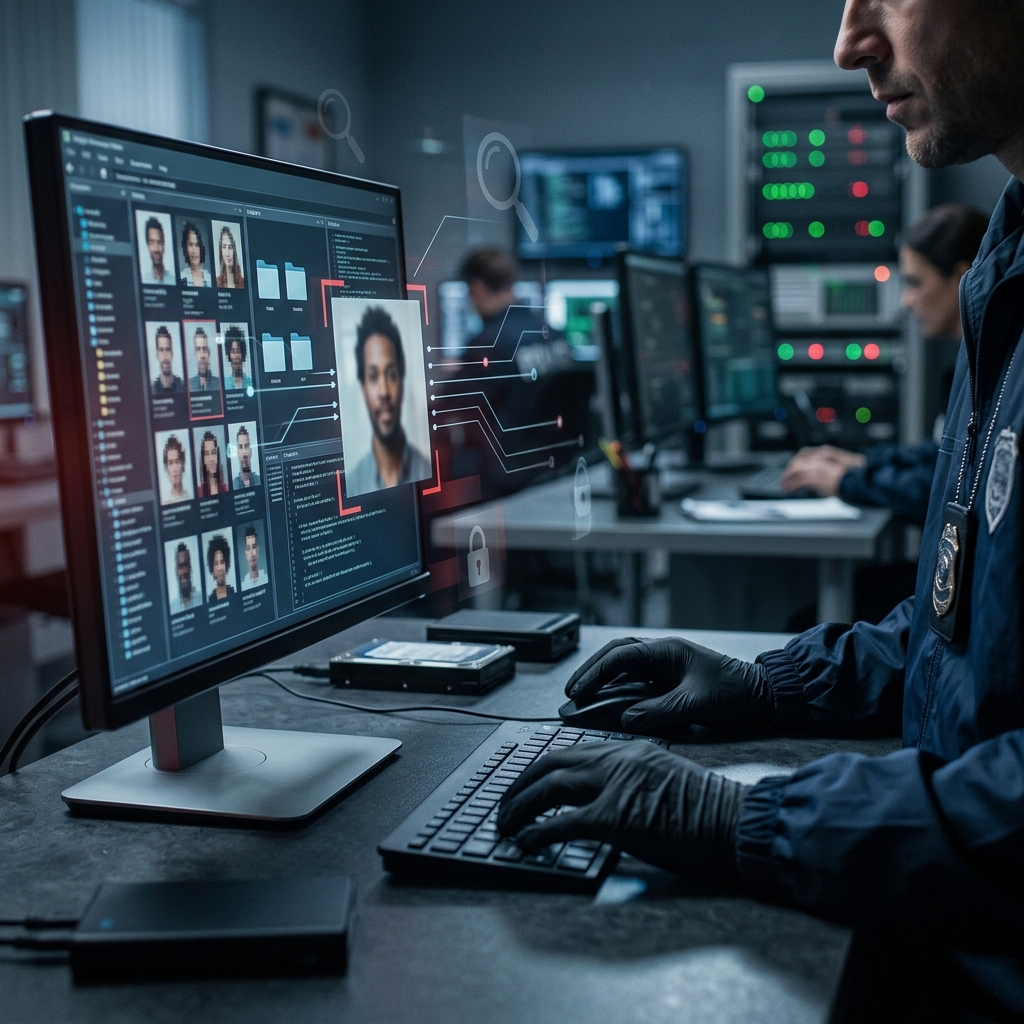
Photos, messages, and posts shared on Facebook can become valuable evidence in criminal investigations, and under certain circumstances police can obtain that information directly from the platform. Courts have upheld warrants requiring Facebook to hand over user data, including images and private messages, when law enforcement follows proper legal process.
This article explains how police gain access to Facebook content, when a warrant or subpoena is required, how Facebook (now under Meta) responds to government requests, and what you can do to better protect your digital privacy.
Why Facebook Content Matters in Criminal Investigations
Social media platforms have transformed how people communicate, and Facebook stores vast amounts of personal information. For investigators, this can include:
- Photos and videos that may show locations, people, or objects relevant to a crime.
- Private messages between users that could contain admissions, threats, or planning details.
- Timeline posts and comments revealing movements, relationships, or state of mind.
- Metadata such as timestamps, IP addresses, and login records that help place a person at a specific time and place.
Because so much of this activity happens online, police increasingly rely on social media evidence in addition to more traditional forms of proof, like witness testimony or physical documents.
Public vs. Private Facebook Information
Understanding the difference between public and private content on Facebook is critical to understanding when police need a warrant and when they do not.
Publicly Visible Content
Many Facebook profiles have posts, photos, or comments that are visible to anyone, even people who are not logged in. In U.S. law, information that a person exposes to the public generally receives less Fourth Amendment protection.
- Police may freely view and collect publicly accessible Facebook content without a warrant, just as they could watch someone’s behavior in a public park.
- Investigators can save screenshots, download publicly visible images, and use those materials as part of an investigation or as evidence in court.
This principle stems from decisions interpreting the Fourth Amendment, including cases that hold there is no reasonable expectation of privacy in what is knowingly made public.
Information Shared to Friends or Privately
Facebook also allows users to restrict visibility of posts to friends, specific lists, or only themselves. Messages sent through Facebook’s private messaging system are not visible on the public profile.
- Law enforcement cannot simply log in as you and view your private content without authorization.
- However, police may see restricted information through a cooperating friend or informant whose account has been granted access.
- To obtain a full, authenticated copy of private messages, photos, and other stored content directly from Facebook, police normally need to use formal legal process directed to the company.
Some courts have reasoned that even information shared only with friends can sometimes be accessed without a warrant if there is no guarantee those friends will keep it private, but obtaining complete records from Facebook itself typically requires legal authorization.
Legal Tools Police Use to Get Facebook Data
U.S. law provides several types of legal process that government agencies can use to request information from Facebook, and Meta has published guidelines describing what it will disclose in response.
| Type of Legal Process | What It Can Compel | Typical Use |
|---|---|---|
| Subpoena | Basic subscriber records and limited account information. | Identifying an account, contact details, and basic records. |
| Court Order (Section 2703(d)) | Certain non-content records such as IP logs, device information. | Building a case with more detailed account activity without full content. |
| Search Warrant | Stored content including messages, photos, videos, timeline posts, and location data. | Accessing the substance of communications and media stored in the account. |
Subpoenas and Court Orders
Under U.S. law, a subpoena or court order can require Facebook to disclose non-content information related to an account, such as registration data or login records.
- A subpoena usually seeks limited identifying information such as name, email, and basic subscriber details.
- A court order under 18 U.S.C. § 2703(d) can compel Facebook to provide more detailed non-content information, like IP address logs or device identifiers associated with an account.
These tools do not generally permit law enforcement to obtain the actual content of photos or messages, but they can help link an account to a person or physical location.
Search Warrants for Facebook Content
To access the stored content of a Facebook account—including photos, private messages, posts, and potentially location history—law enforcement must obtain a search warrant supported by probable cause, issued under applicable federal or state procedures.
- The warrant must show a judge that there is probable cause to believe evidence of a crime will be found in the account.
- Courts have upheld warrants requiring Facebook to turn over photos, private messages, and other personal information when this standard is met.
- Facebook, as data controller, then searches its servers and provides the requested data to law enforcement, rather than police accessing the account directly.
These warrants can be quite broad, and courts sometimes require that they be tailored by date range or type of data to avoid sweeping in too much unrelated information.
How Facebook Handles Law Enforcement Requests
Meta, the parent company of Facebook and Instagram, maintains a dedicated online system for law enforcement and published guidelines explaining its practices.
Law Enforcement Online Request System
Authorized law enforcement agents and emergency responders can submit legal requests through Facebook’s Law Enforcement Online Request System.
- Access requires a government-issued email address and acknowledgement that the requester is a government official acting in an official capacity.
- Requests must identify the data sought with particularity, including specific categories (such as messages or photos) and date limitations.
- Facebook may reject overly broad or vague requests and asks that agencies include contact information for follow-up.
Jurisdiction and Addressing Requests
Meta’s guidelines specify different corporate entities for users in different regions, which affects where legal process must be addressed.
- For U.S. users, requests are directed to Meta Platforms, Inc. in Menlo Park, California.
- For users in the European region, the relevant entity is Meta Platforms Ireland Ltd., based in Dublin.
- Users in other countries outside Europe generally fall under Meta Platforms, Inc., and requests must be correctly addressed accordingly.
These distinctions matter for cross-border investigations, mutual legal assistance treaties, and compliance with local privacy and data protection laws.
Fourth Amendment and Digital Privacy on Facebook
In the United States, the Fourth Amendment protects against unreasonable searches and seizures. Courts deciding how this protection applies to social media often look to whether the user had a reasonable expectation of privacy in the content at issue.
Knowing Exposure to the Public
Cases interpreting the Fourth Amendment have drawn a line between information a person seeks to keep private and information knowingly exposed to the public.
- Publicly visible Facebook posts or photos are typically treated like actions taken in public places, where privacy expectations are reduced.
- Police can monitor and record public online activity much as they can observe public conduct offline.
This approach is rooted in decisions such as Katz v. United States, which held that the Fourth Amendment protects people, not places, and does not cover what is knowingly exposed to the public.
Private Content and Expectations of Privacy
For content shared privately—such as direct messages or restricted posts—users may have a stronger claim to privacy. However, the analysis can be complex:
- Some courts have considered that messages shared with others may still be vulnerable, especially if recipients can share them further.
- Law enforcement often argues that once information is shared with another person, the sender assumes the risk that it could be disclosed.
- Nevertheless, obtaining content from Facebook’s servers typically requires a warrant, and major platforms have internal policies enforcing this requirement.
As a result, the legal protections for Facebook data depend both on how you configured your privacy settings and how courts interpret expectations of privacy in the context of digital communications.
Real-World Implications for Your Facebook Photos
When a judge approves a warrant, Facebook can be compelled to disclose stored photos and other content related to an investigation, even if the user believed those images were private.
- Images uploaded to Facebook and restricted to friends or private messages may still be accessible to police through lawful process directed to the company.
- Even deleted posts can sometimes be recovered if they remain stored in backup systems or logs during a retention period, depending on Facebook’s technical and policy constraints.
- Photos can be used to identify people, vehicles, locations, and activities and may serve as corroborating evidence alongside other investigative materials.
In practice, this means that your Facebook photos may not be as private as you expect, especially in the context of a criminal investigation with a valid warrant.
Practical Steps to Manage Your Social Media Privacy
While you cannot prevent law enforcement from seeking lawful access to your Facebook data, you can take steps to reduce unnecessary exposure and better understand your risk.
Review Your Privacy Settings
- Limit visibility of posts and photos to trusted audiences rather than leaving them public.
- Regularly review who is on your friends list and remove people you do not recognize or trust.
- Use features that restrict who can look you up using your email address or phone number.
Think Before You Share
- Avoid posting content that could be misinterpreted or used against you in legal or employment contexts.
- Remember that screenshots and downloads can preserve content even if you later delete it.
- Assume that anything shared online might eventually be seen by people outside your intended audience.
Seek Legal Advice if You Are Under Investigation
- If you learn that police are investigating you or have requested your social media records, consult a qualified criminal defense attorney.
- An attorney can explain local laws governing search warrants, social media evidence, and your rights during an investigation.
- Legal counsel may also be able to challenge overly broad warrants or improper data collection in court.
Frequently Asked Questions (FAQ)
Can police look at my public Facebook profile without a warrant?
Yes. Publicly visible posts, photos, and comments can generally be viewed and collected by law enforcement without a warrant because they are treated as information you have exposed to the public.
Do police need a warrant to see my private messages on Facebook?
To obtain stored content such as private messages directly from Facebook, police typically need a search warrant issued under applicable procedures and supported by probable cause. They might, however, see those messages through a cooperating recipient or informant who shares them voluntarily.
Can Facebook refuse a law enforcement request?
Facebook can and does reject requests that are overly broad, vague, or not supported by appropriate legal process. Its guidelines require particularity—specific data categories and date ranges—and compliance with applicable laws.
Will Facebook tell me if my data has been requested by police?
Many social media companies have policies about notifying users of data requests, but the details can vary by jurisdiction and type of investigation, and notifications may be delayed or restricted where law prohibits disclosure. You would need to review Facebook’s current policy or consult an attorney for specifics.
Can police log into my Facebook account?
Police generally cannot lawfully log into your Facebook account without authorization such as your consent, a court order, or similar legal authority. They can view public information, obtain data from Facebook via legal process, or access content shared with cooperating individuals.
Are my deleted Facebook photos gone forever?
Deleting a photo removes it from your profile, but whether it is permanently removed from Facebook’s systems may depend on technical and retention policies. In some cases, deleted content might still exist in backups or logs for a period of time and could be provided in response to lawful requests.
References
- Police Have Access to Your Facebook Photos — FindLaw. 2013-04-26. https://www.findlaw.com/legalblogs/criminal-defense/police-have-access-to-facebook-photos/
- Can Police Access Your Social Media Information Without a Warrant? — The Koffel Law Firm. 2015-06-10. https://www.koffellaw.com/blog/can-police-access-your-social-media-information/
- Law Enforcement Online Requests — Facebook. n.d. https://www.facebook.com/records
- Law Enforcement Guidelines — Meta Safety Center. 2023-08-01 (last updated). https://www.meta.com/safety/communities/law/guidelines/
- JustAnswer Discussion: Can Police Access My Facebook Without Logging In? — JustAnswer. n.d. https://www.justanswer.com/family-law/ozjoq-does-mean-police-logged-facebook.html
Similar Articles








Read full bio of medha deb


