Selling a home involves more than setting a price and finding a buyer. The process moves faster and with fewer surprises when the seller has the right records ready from the beginning. Good documentation helps confirm ownership, support disclosures, explain the property’s condition, and complete the transfer at closing.
Many sellers are unsure which papers matter most. Some records are useful for marketing and pricing, while others become essential once an offer is accepted. A few documents may be required by law, and others are simply expected by buyers, lenders, or title companies. The safest approach is to build a file early and keep expanding it as the transaction progresses.
Why paperwork matters in a home sale
Paperwork gives structure to the sale. It allows the parties to verify the home’s history, identify any financial obligations tied to the property, and record the final terms of the transfer. Without those records, a seller may struggle to answer basic questions about the home or delay closing while searching for missing information.
Documents also help reduce disputes. When the seller can show repair records, prior purchase details, insurance history, and lender payoff figures, there is less room for confusion about what was included in the sale or what the buyer was told before signing.
Start with proof of ownership and loan records
The first file to assemble should confirm that you legally own the home and show whether any mortgage or lien remains on the property. These papers are the foundation for everything that follows.
- Deed or other ownership document that shows how title is held.
- Original purchase agreement from when you bought the home.
- Mortgage statements and loan documents if there is an outstanding balance.
- Payoff information from the lender to determine the amount needed to satisfy the loan at closing.
- Records of second mortgages, home equity loans, or liens that may also need to be paid off.
These records are useful early because they help the seller understand how much equity is available and what must happen before title can transfer cleanly to the buyer.
Collect records that describe the home’s condition
Buyers often want more than a visual tour. They want evidence that the property has been maintained and that major systems have been cared for over time. Documentation can make a home more attractive and can support the seller’s answers to disclosure questions.
- Repair receipts for roof work, plumbing fixes, HVAC service, or structural improvements.
- Maintenance logs showing routine upkeep such as gutter cleaning, pest treatment, or appliance servicing.
- Inspection reports from any past inspections or pre-sale evaluations.
- Permits and approvals for renovations, additions, or major system upgrades.
- Warranty documents for appliances, roofing, solar panels, or other installed systems.
These records help explain how the property has been used and improved. They can also support the seller if a buyer later asks whether a project was completed properly or whether a feature is still under warranty.
Use tax, utility, and insurance records to answer practical questions
Some of the most useful documents are the ones that show the everyday cost of living in the home. Buyers may ask for these records to estimate ongoing expenses after the purchase.
| Document | What it helps show | Why it matters |
|---|---|---|
| Property tax bills | Annual tax burden and assessment history | Helps buyers estimate future carrying costs |
| Utility bills | Typical electricity, water, gas, or trash costs | Useful for budgeting and comparing homes |
| Homeowners insurance records | Prior coverage and claims history | Can reveal risk factors or past damage |
| HOA payment records | Monthly dues and special assessments | Important if the property is in a managed community |
These papers are especially helpful when a buyer is trying to compare homes with similar asking prices but very different monthly ownership costs.
Prepare the disclosures buyers are entitled to see
Disclosure rules vary by state, but sellers are commonly required to reveal known material defects or other important facts about the property. That usually means issues that could affect value, safety, or a buyer’s decision to proceed.
- Seller disclosure form completed fully and honestly.
- Records of known defects such as water intrusion, foundation movement, mold, or electrical issues.
- Past insurance claims if they relate to property damage.
- Neighborhood or environmental notices if required in your state.
- HOA rules and community documents when the property is part of an association.
Disclosure is not just a formality. If a seller hides a known problem, the buyer may later claim misrepresentation or seek legal remedies. A careful paper trail can help the seller stay accurate and consistent from the listing stage to closing.
Organize the paperwork connected to listing and negotiation
Once the property is ready to market, a different set of documents becomes important. These records help establish the asking price, explain how the home will be marketed, and memorialize the buyer’s offer.
- Listing agreement if a real estate agent is handling the sale.
- Comparative market analysis or pricing report used to estimate value.
- Seller net sheet showing estimated proceeds after fees and payoff amounts.
- Purchase offer from the buyer.
- Counteroffer documents if the seller responds with revised terms.
- Final purchase agreement once both sides agree.
These papers often change during negotiation, so it helps to keep them in date order. A well-organized file makes it easier to compare versions and avoid signing an outdated draft.
Don’t forget records tied to special property features
Some homes include features that require extra documentation. These items are easy to overlook, but they can matter a great deal to a buyer or title company.
- Solar panel contracts, including leases, loans, or ownership papers.
- Survey maps that show boundaries, easements, fences, and improvements.
- Certificates of occupancy for new construction or major additions.
- Appliance manuals and installation records for included equipment.
- Association paperwork for communities with rules on use, appearance, or fees.
These materials can be especially useful when a buyer wants confirmation that an upgrade was permitted or that a feature transfers with the property.
What happens at closing
Closing is the point where the legal and financial details come together. The seller should expect to review and sign documents that finalize the sale, confirm the payoff of debts, and transfer ownership to the buyer.
- Closing statement or settlement statement listing credits, fees, taxes, and final proceeds.
- Deed used to transfer the property to the buyer.
- Affidavits or title documents required by the title company or lender.
- Bill of sale if personal property is being included in the transaction.
- Tax forms such as a 1099-S when applicable.
The closing package can feel overwhelming, but most of the documents are confirmations of information gathered earlier in the process. Sellers who have organized their paperwork from the start usually find closing much smoother.
A simple way to build your seller file
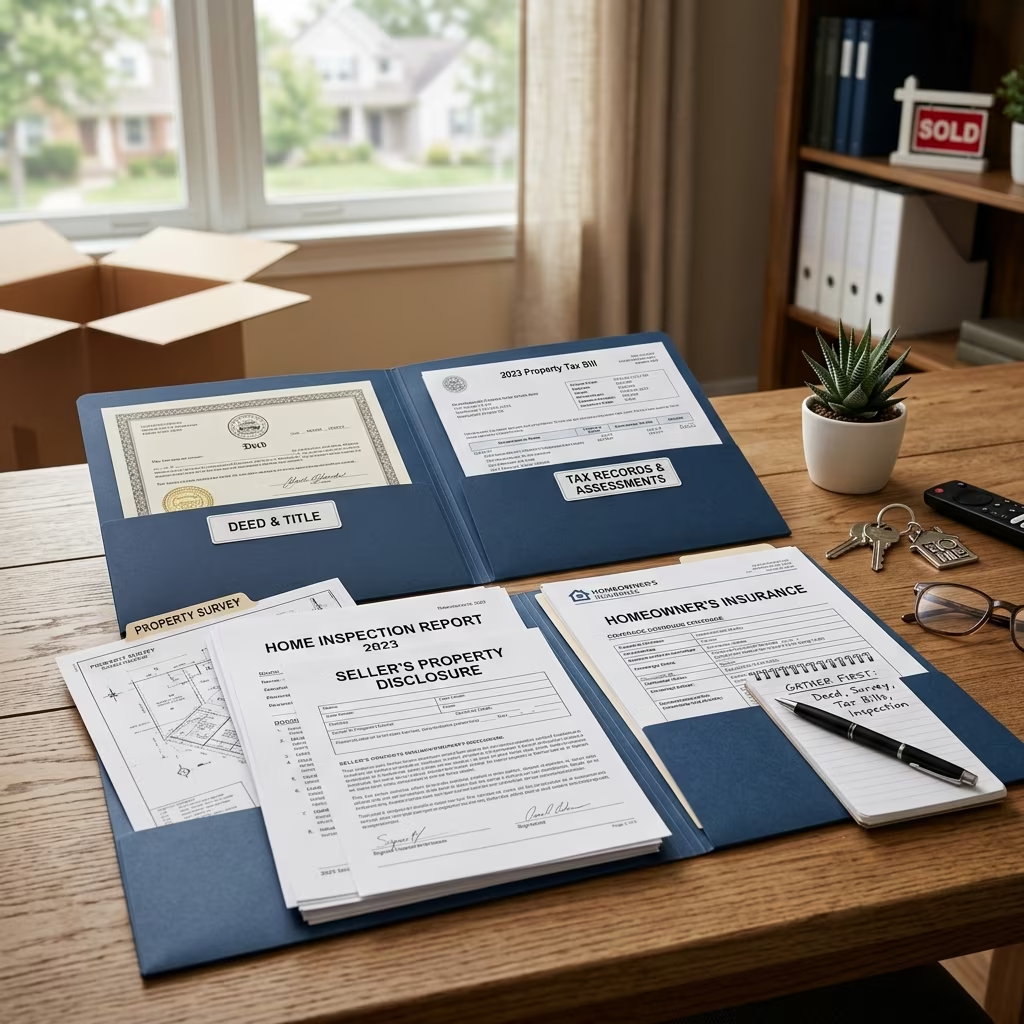
Many sellers benefit from dividing records into separate folders. One folder can hold ownership and loan documents, another can hold disclosures and repair records, and a third can contain closing papers. Digital copies are useful, but original paper records should also be kept safe when they are important to title or tax reporting.
A practical file often includes:
- Ownership and loan papers
- Repair, permit, and warranty records
- Tax, utility, and insurance documents
- Listing, offer, and negotiation records
- Final settlement and deed documents
Creating this system early saves time later. It also gives the seller a reliable reference when questions come up from a buyer, agent, lender, or closing officer.
Common mistakes sellers can avoid
Some of the most frequent problems in a home sale come from missing records rather than major legal disputes. A seller may forget to gather a permit, misplace the mortgage payoff statement, or overlook old repair documentation that could support a disclosure answer.
- Waiting until a buyer asks for documents before collecting them.
- Throwing away receipts for major repairs or upgrades.
- Ignoring HOA notices, special assessments, or unpaid dues.
- Failing to track which items are included in the sale.
- Signing forms without comparing them to earlier versions.
A careful seller treats document gathering as part of the sale itself, not as an afterthought.
Frequently asked questions
Which document is most important when selling a home?
The deed and the final purchase agreement are among the most important documents because they establish ownership transfer and the agreed sale terms. If there is a mortgage, the payoff statement is also critical.
Do sellers always need to provide disclosures?
In many states, yes. The exact disclosure requirements depend on local law, but sellers are commonly expected to reveal known material defects and other significant facts about the property.
Why do buyers ask for utility bills and tax records?
Buyers use them to estimate the ongoing cost of owning the home. These records help them understand monthly expenses beyond the sale price.
Should old repair receipts be kept after the sale?
Yes. Even after closing, sellers may need documents for tax purposes, future legal questions, or proof of improvements that affect basis calculations.
What if I cannot find an important document?
Contact the lender, title company, county recorder, HOA, contractor, or insurer that originally issued the record. Many documents can be replaced or re-created from official sources.
References
- Documents Needed To Sell A House — Bankrate. 2026-01-01. https://www.bankrate.com/mortgages/documents-needed-to-sell-house/
- What Paperwork Do I Need to Sell My House Myself? — Zillow. 2025-01-01. https://www.zillow.com/learn/documents-needed-for-selling/
- What Documents Do I Need to Sell a Home in PA? — Home Buyers of Pittsburgh. 2024-01-01. https://www.homebuyersofpittsburgh.com/blog/documents-needed-to-sell-home
- Which Documents Do You Need to Sell a House? — HomeLight. 2025-01-01. https://www.homelight.com/blog/documents-needed-to-sell-house/
- What Paperwork Do I Need to Sell My House Myself? — LegalTemplates.net. 2025-01-01. https://legaltemplates.net/resources/real-estate/documents-needed-to-sell-house/