
Warranty Deeds and Property Disputes Explained
Learn how warranty deeds work, what can go wrong with title, and the legal options available when property ownership is disputed.
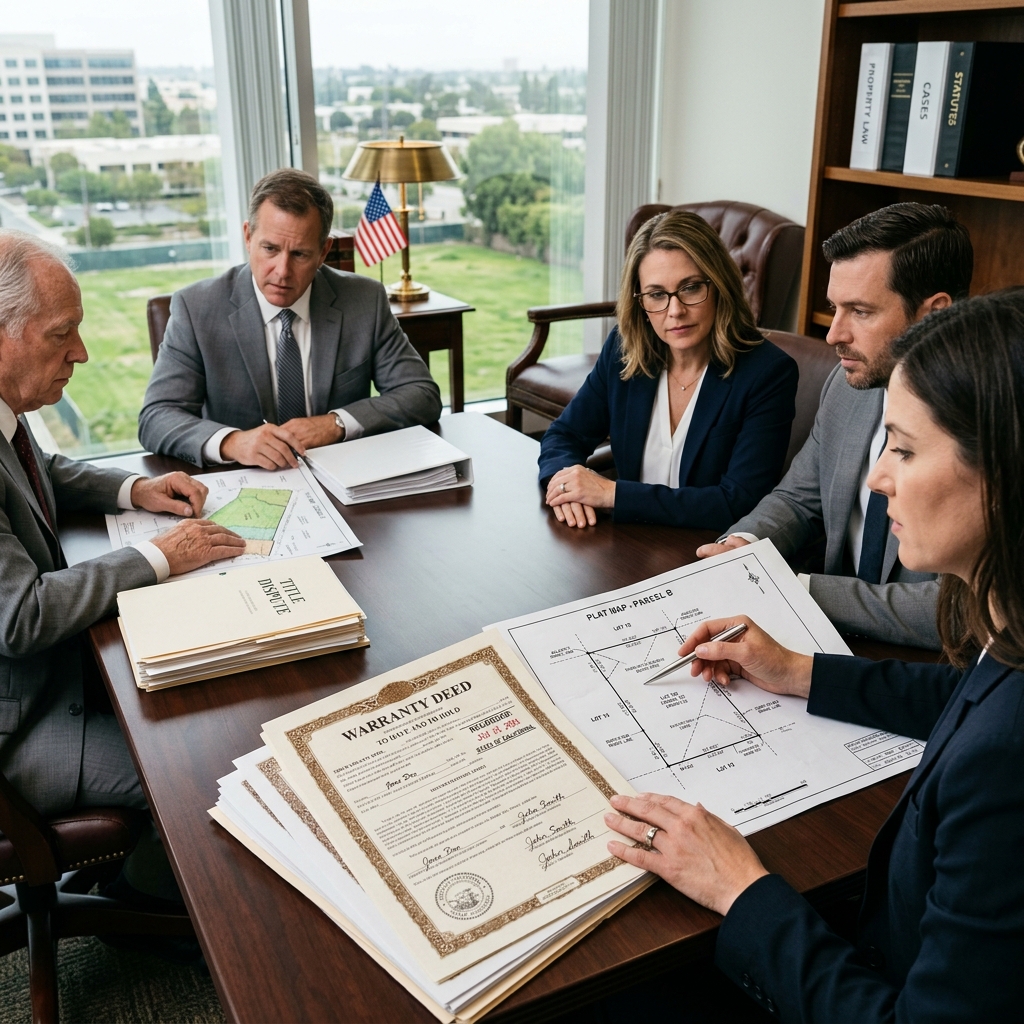
A warranty deed is one of the most important documents in a real estate transaction because it combines transfer of ownership with legal promises about the quality of title. When those promises turn out to be false or incomplete, serious title disputes and costly litigation can follow. This guide explains what warranty deeds are, how they protect buyers, what can go wrong, and which legal remedies may be available when disputes arise.
What a Warranty Deed Really Does
In any sale of real property, the deed is the instrument that transfers ownership rights from the seller (grantor) to the buyer (grantee). A warranty deed is a specific type of deed that goes further than a simple transfer: the grantor makes explicit legal guarantees about the title being conveyed.
- Conveys ownership from grantor to grantee.
- Describes the property in sufficient detail (legal description, boundaries, sometimes parcel number).
- Identifies the parties involved in the transfer.
- Includes signatures and usually notarization to satisfy state recording requirements.
- Contains covenants in which the grantor guarantees clear title and agrees to stand behind that title against future claims.
While the warranty deed is powerful, it does not exist in isolation. Title searches, title insurance, and sometimes separate contracts all work together to ensure the buyer receives the ownership they expect.
Key Promises Inside a Warranty Deed
The legal guarantees contained in a warranty deed are often described as warranties or covenants of title. Though wording varies by state, these promises typically include:
- Right to convey: The seller asserts that they lawfully own the property interest being transferred and have the legal power to sell it.
- Good and clear title: The deed promises that title is free from undisclosed liens, encumbrances, or competing ownership claims.
- No hidden encumbrances: Any mortgages, tax liens, easements, or restrictions affecting the property have been disclosed and are known to the buyer.
- Quiet enjoyment: The buyer should be able to use and possess the property without interference from those claiming superior title.
- Defense of title: If a third party later challenges the buyer’s ownership based on events covered by the warranty, the grantor may have a duty to defend the title or compensate the buyer.
These covenants are why warranty deeds are often called the “highest” level of protection for buyers: they do not just transfer whatever interest the grantor happens to have; they guarantee the quality of that interest across time.
General vs. Special Warranty Deeds
Not all warranty deeds are equally broad. Two main variants are commonly used in the United States, and understanding the difference is critical when evaluating your risk.
| Type of Deed | Scope of Warranty | Typical Use |
|---|---|---|
| General Warranty Deed | Protects the buyer against title defects arising at any point in the property’s history, not just during the seller’s ownership. | Common in residential home sales; favored in some states for broad buyer protection. |
| Special Warranty Deed | Limits protection to defects that occurred while the grantor owned the property. Prior issues are not covered. | Frequently used in commercial transactions or by entities that do not want to warrant the full historical chain of title. |
In both cases, the deed still transfers ownership. The difference lies in how far back the grantor’s promises reach. In a general warranty deed, the seller effectively stands behind the entire chain of title; in a special warranty deed, the seller only stands behind their period of ownership.
How Warranty Deeds Relate to Titles and Other Deeds
It is important to distinguish between a deed and title. The deed is the document; title is the concept describing who legally owns the property and what rights accompany that ownership.
- Deed: Written instrument used to transfer property interests; recorded in county land records.
- Title: The legal status of ownership, including the bundle of rights and any limitations such as easements or liens.
Warranty deeds coexist with other types of deeds and instruments:
- Quitclaim deeds: Transfer whatever interest the grantor has, but do not include warranties. Often used to clear up disputed claims or transfer interests between family members.
- Special purpose deeds: Some states recognize additional deed forms tailored for foreclosures, estates, or government transfers, often with limited or no warranties.
- Title insurance policies: Insurance contracts that protect buyers and lenders against certain title defects discovered after closing, complementing the warranty deed’s promises.
A warranty deed does not automatically prove that title is perfect. Errors in the chain of title, improperly recorded documents, or fraud can still create problems despite the deed’s language.
Common Legal Disputes Involving Warranty Deeds
Disputes arise when one or more of the warranties turns out to be inaccurate, incomplete, or misleading. Typical real-world conflicts include:
- Undisclosed liens: A buyer discovers a mortgage, tax lien, or judgment that predates the sale and was not disclosed, reducing the value of the property or exposing them to unexpected debt.
- Easements and use restrictions: Existing easements (for utilities, access roads, or neighboring properties) or deed restrictions may limit how the buyer can use the land, and those limits may not have been clearly explained.
- Competing ownership claims: A third party asserts that they own the property, or a portion of it, based on a prior deed, inheritance claim, or boundary dispute.
- Defective or forged deeds in the chain of title: Errors in earlier transactions—such as missing signatures, lack of notarization, or fraud—can undermine current ownership.
- Clerical and recording errors: Mis-indexed documents, incorrect legal descriptions, or failure to properly record a deed may lead to overlapping claims or confusion about who owns what.
Each of these scenarios can give rise to a breach of warranty claim if the deed promised that such problems did not exist or would not interfere with the buyer’s quiet enjoyment of the property.
What Counts as a Breach of Warranty?
A breach occurs when the facts on the ground do not match the representations in the deed. In the context of warranty deeds, examples of breach include:
- The grantor did not actually have clear title to the property they purported to sell.
- An undisclosed lien or encumbrance is discovered after closing, contrary to the covenant that the title was free and clear.
- A third party successfully challenges the buyer’s right to possess the property, refuting the promise of quiet enjoyment.
- The grantor refuses to defend title or reimburse losses when a covered claim arises.
Whether a particular problem qualifies as a breach depends on the type of warranty deed used and the precise language of the covenants, as interpreted under state law. Courts also consider what the buyer reasonably understood from the transaction documents and disclosures.
Legal Remedies for Warranty Deed Disputes
When a buyer experiences losses because of a defective title or broken warranty, several legal remedies may be available, depending on jurisdiction and the specific facts.
- Damages: The buyer may seek monetary compensation equal to the financial loss caused by the defect—for example, the amount needed to pay off a lien, reduce property value, or cover legal fees.
- Rescission: In serious cases, a court may unwind the transaction, restoring the parties to their pre-sale positions if feasible. This is generally reserved for substantial, fundamental defects.
- Specific performance: A buyer may ask the court to compel the seller to take certain actions, such as clearing a lien or correcting a defective deed.
- Defense and indemnity claims: Under the covenant to defend title, the buyer may demand that the grantor participate in litigation or reimburse costs when a covered third-party claim arises.
- Title insurance claims: If a title insurance policy exists, the buyer or lender may file a claim with the insurer as a parallel or alternative path to recovery.
Remedies are not automatic. Buyers typically must prove the existence of a defect, show that it falls within the scope of the warranties, and establish a measurable loss tied to that breach. State laws governing real estate warranties and statutes of limitations also play a major role in whether a claim succeeds.
Preventing Warranty Deed Disputes
While some title problems cannot be reasonably discovered before closing, many disputes can be reduced or avoided through diligent preparation.
Steps for Buyers
- Order a thorough title search: Work with a reputable title company or attorney to investigate recorded deeds, mortgages, liens, easements, and judgments affecting the property.
- Purchase title insurance: A policy that protects against covered defects discovered after closing, providing an added layer of security beyond the deed’s warranties.
- Review deed language carefully: Confirm whether the deed is general or special warranty, and understand any limitations or exceptions listed.
- Inspect surveys and boundary descriptions: Ensure that legal descriptions match physical boundaries and any improvements on the land.
- Consult a real estate attorney: An attorney can explain risks, negotiate protective clauses, and flag unusual deed language.
Steps for Sellers
- Disclose known issues: Provide accurate information about liens, easements, covenants, and ongoing disputes to avoid future claims of misrepresentation.
- Verify your own title: Confirm that prior deeds are properly recorded and that any mortgages or liens will be satisfied at closing.
- Use clear, consistent documents: Ensure the purchase agreement, deed, and closing paperwork all align and accurately describe the property rights being transferred.
- Seek legal advice before signing: Legal counsel can help calibrate the level of warranty you are willing to give and identify potential exposure.
Frequently Asked Questions (FAQ)
1. Does a warranty deed guarantee that no problems will ever arise?
No. A warranty deed guarantees that the grantor will stand behind the title within the scope of the covenants, but it cannot eliminate the possibility of future disputes. Hidden defects, fraud, or mistakes in the public records can still surface. The deed’s value lies in the grantor’s legal obligation to respond if covered issues appear.
2. Do I still need title insurance if I have a general warranty deed?
In most cases, yes. Title insurance complements the warranty deed by providing a financial backstop if the grantor cannot or will not meet their obligations, or if certain risks fall outside the deed’s coverage. Many lenders require title insurance as a condition of financing, regardless of the deed type.
3. How is a warranty deed different from a quitclaim deed?
A warranty deed transfers ownership and includes formal promises about the quality of title. A quitclaim deed simply conveys whatever interest the grantor has, if any, without warranties. Quitclaim deeds are often used to clear up potential claims or transfer property between related parties, but they do not offer the protections buyers expect in an arm’s-length sale.
4. What should I do if I discover a lien after buying my home?
First, review your closing documents and deed to confirm what warranties were provided. Then contact your closing attorney or title company to determine whether the lien was supposed to be paid off or disclosed. If a warranty deed promised clear title, you may have a claim against the seller and, if applicable, a basis for a title insurance claim. Consult a real estate lawyer promptly to preserve your options.
5. Can a defective warranty deed be corrected?
Many errors, such as typos in legal descriptions or missing details, can be addressed through corrective deeds or re-recording, if the parties cooperate and state law allows. However, serious defects involving invalid signatures, fraud, or missing consent may require a court order or more extensive litigation to resolve.
When to Seek Legal Help
Because warranty deed disputes often involve both contract law and real property law, and because each state has its own rules about covenants of title, professional legal guidance is essential. A real estate attorney can:
- Interpret the language in your deed and purchase agreement.
- Assess whether a particular issue constitutes a breach of warranty.
- Advise on filing claims for damages, rescission, or title insurance coverage.
- Represent you in negotiations or litigation with sellers, lenders, or third parties asserting ownership.
Early consultation is especially important when deadlines for asserting claims or contesting recorded instruments are approaching, as missing a legal deadline can permanently bar otherwise valid claims.
References
- What Constitutes a Breach of Real Estate Warranty in California? — Boyes Legal. 2023-05-10. https://www.boyeslegal.com/what-constitutes-a-breach-of-real-estate-warranty-in-california/
- Warranty Deed: What Is It? Key Terms, Top Considerations — ContractsCounsel. 2022-08-01. https://www.contractscounsel.com/t/us/warranty-deed
- Understanding Real Estate Ownership: Deeds, Titles, Disputes — Affordable Legal Services LLC. 2021-11-15. https://www.affordablelegalservicesllc.com/real-estate-ownership-disputes-and-remedies/
- Deed Disputes — Texas Probate Litigation. 2020-09-30. https://www.txprobatelitigation.com/deed-disputes
- Understanding Warranty Deeds in Real Estate Transactions — Ozarks Legacy Law. 2023-03-20. https://ozarkslawfirm.com/what-is-a-warranty-deed-on-a-house/
Similar Articles








Read full bio of Sneha Tete


