
Practicing Law Without A License: Risks, Penalties, What To Do
Learn what counts as unauthorized legal practice, who is affected, and the penalties that can follow.
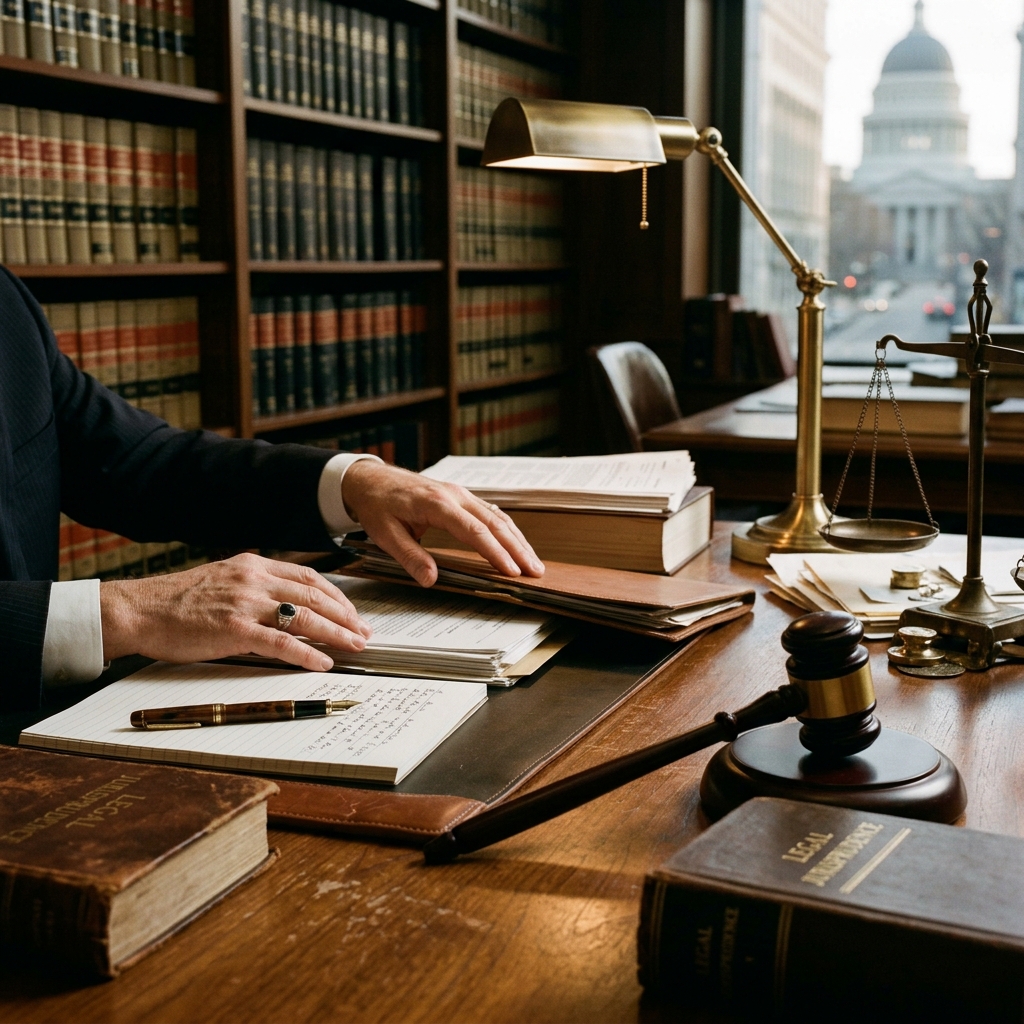
What It Means to Practice Law Without Authorization
Practicing law without the proper license is generally treated as a serious legal violation in the United States because legal work affects rights, property, liberty, and access to the courts. In most jurisdictions, the public is protected by rules that reserve legal representation and certain legal judgments to licensed attorneys.
Although the exact wording differs from state to state, the core idea is consistent: a person who is not licensed may not hold themselves out as an attorney, give legal advice in a professional capacity, or perform tasks that require legal judgment for another person.
Why Licensing Rules Exist
Law license rules are designed to protect clients from unqualified advice and to preserve accountability in the legal system. Attorneys must satisfy education, testing, character, and oath requirements before they may practice, and state bars can discipline lawyers who violate professional duties.
- Licensing helps confirm minimum competence.
- Bar oversight provides ethical enforcement.
- Clients have a clearer path for complaints and discipline.
- Court proceedings depend on trained advocates who understand procedure and substantive law.
Activities That Usually Count as Legal Practice
States do not define the practice of law in exactly the same way, but many use broad language that covers both courtroom work and certain out-of-court services. Texas, for example, describes legal practice as preparing pleadings, managing a case before a judge, and rendering advice or services that require legal skill or knowledge.
Common examples include:
- Representing another person in court or in a formal legal proceeding.
- Drafting legal documents for someone else when legal rights must be evaluated.
- Advising a person whether to file a claim, accept a settlement, or pursue a legal remedy.
- Holding yourself out as an attorney through words, business materials, or advertising.
- Negotiating legal rights on behalf of another person where legal judgment is required.
Some states also prohibit conduct that indirectly suggests legal authority, such as using titles like “law office,” “attorney,” or similar wording in a way that makes people believe the person is licensed.
What Is Not the Same as Practicing Law
Not every legal-related task becomes unauthorized practice. People may represent themselves in their own cases, and they may explain their own situation to a lawyer, court, or agency. A client also may ask a lawyer to perform legal work; that does not create an unauthorized practice issue because the lawyer is licensed.
Other roles can be lawful when they stay within proper limits:
- Self-representation: A person may handle their own matter without a license.
- Paralegal work: Administrative or substantive tasks may be performed under attorney supervision in many settings.
- General information: Providing non-individualized information about public legal procedures may be allowed if it does not become tailored legal advice.
The line matters. A person can describe a public rule, but if they apply that rule to another person’s facts and recommend a legal strategy, the activity may cross into unauthorized practice.
How States Treat Unauthorized Practice
State law often treats unauthorized practice of law as more than a technical mistake. Depending on the jurisdiction, the conduct may trigger criminal prosecution, civil enforcement, or bar discipline.
| Type of consequence | Possible result |
|---|---|
| Criminal | Misdemeanor or felony charges, fines, and possible jail or prison time. |
| Civil | Injunctions, monetary penalties, restitution, or orders stopping the conduct. |
| Administrative | Bar discipline, suspension, disbarment, or professional sanctions for licensed lawyers. |
California states plainly that unauthorized practice of law is a crime, and Ohio’s statute also prohibits a nonlawyer from holding themselves out as an attorney or using equivalent language intended to make others believe they are licensed.
Examples of State-Level Penalties
Penalty ranges vary widely. In Florida, unauthorized practice can be charged as a third-degree felony, with potential prison time and a fine. In California, certain false claims about being a practicing lawyer can be charged as a misdemeanor, with jail and fines possible.
Texas law also illustrates that some states focus not only on the act itself but on the intent behind it. There, unauthorized practice may be charged when a person acts with intent to obtain an economic benefit, and repeated violations can lead to harsher treatment.
Because these laws are state-specific, the same conduct may be treated differently depending on where it occurs. A conduct pattern that draws a civil injunction in one state may result in criminal charges in another.
Why the Financial and Professional Consequences Can Be Severe
The legal system treats unauthorized practice seriously because the harm can extend beyond one transaction. A client may lose money, miss deadlines, sign an unfavorable settlement, or forfeit rights if the advice came from someone without legal authority or training.
For licensed professionals, the consequences can be especially damaging. A lawyer who practices while not properly authorized may face private or public reprimand, fines, restitution, suspension, or permanent disbarment.
- Loss of reputation can affect future employment or referrals.
- Insurance coverage may not protect unlawful conduct.
- Prior violations can increase the severity of later penalties.
- Courts may scrutinize filings and agreements tied to the misconduct.
How to Verify Whether Someone Is Licensed
Consumers should not assume that a person is an attorney simply because they work in a legal setting or use legal language. The safer approach is to verify the person’s status through the relevant state bar or licensing authority.
Useful steps include:
- Ask for the lawyer’s full name and bar number.
- Confirm the license through the state bar database.
- Check whether the person is authorized in the state where the matter is being handled.
- Be cautious if the person refuses to identify a bar jurisdiction.
These checks are especially important in online consultations, out-of-state matters, and situations involving document preparation services that may appear legal but are not supervised by an attorney.
Borderline Situations That Need Careful Review
Some situations are not obvious at first glance. A paralegal may perform legitimate support work when supervised, but the same person acting independently and giving recommendations could engage in unauthorized practice.
Similarly, a business consultant, claims negotiator, or document preparer may lawfully provide certain nonlegal services, yet cross the line if they interpret law for a client or decide what legal rights the client should assert.
The practical question is often whether the person is using legal judgment on behalf of another person. When the answer is yes, state authorities may view the conduct as practicing law.
What to Do If You Suspect Unauthorized Practice
If you believe someone is practicing law without authorization, the best response is to stop relying on the person for legal guidance and confirm your options with a licensed lawyer. If you are already in the middle of a dispute, an attorney can assess whether deadlines, filings, or prior advice created risks that need immediate correction.
You may also report suspicious conduct to the appropriate state bar or unauthorized practice authority. In some states, bar offices maintain complaint or inquiry channels dedicated to this issue.
Questions People Often Ask
Can I represent myself without a law license?
Yes. Individuals generally have the right to represent themselves in their own legal matters without committing unauthorized practice of law.
Can a nonlawyer give general legal information?
Sometimes, but the line is narrow. General information may be permissible, while personalized advice about what a specific person should do may not be.
Is using the word “law” in a business name always illegal?
Not always, but it can be risky if the wording is used to make people believe the person is a licensed attorney. Ohio, for example, treats certain uses of “law,” “attorney at law,” and similar terms as evidence of holding out when the purpose is to induce that belief.
Can a lawyer be punished for practicing in the wrong jurisdiction?
Yes. The ABA explains that lawyers may practice only in jurisdictions where they are authorized, and unauthorized cross-border practice can create professional problems.
Practical Takeaways
- Only licensed attorneys should provide individualized legal advice or representation for others.
- Unauthorized practice can lead to criminal, civil, and professional penalties.
- The definition of legal practice differs by state, so local law matters.
- Self-representation is allowed, but acting for another person usually is not.
- When in doubt, verify the license before trusting legal advice.
References
- Practicing Law Without a License — Criminal Defense Lawyer. 2026-07-10. https://www.criminaldefenselawyer.com/resources/practicing-law-without-a-license.htm
- The Texas Unauthorized Practice of Law Crime | PC §38.123 — Saputo Law. 2026-07-10. https://saputo.law/criminal-law/texas/unauthorized-practice-of-law/
- Practicing law without a license really? — Reddit. 2026-07-10. https://www.reddit.com/r/legaladviceofftopic/comments/1ocpn2q/practicing-law-without-a-license-really/
- Unauthorized Practice of Law — The State Bar of California. 2026-07-10. https://www.calbar.ca.gov/public/concerns-about-attorney/avoid-legal-services-fraud/unauthorized-practice-law
- Section 4705.07 | Unauthorized practice — Ohio Laws. 2026-07-10. https://codes.ohio.gov/ohio-revised-code/section-4705.07
- The Unauthorized Practice of Law in Texas — Texas Paralegal Division. 2026-07-10. https://txpd.org/ethics-articles/the-unauthorized-practice-of-law-in-texas/
- Unauthorized Practice of Law Committee — Supreme Court of Texas Unauthorized Practice of Law Committee. 2026-07-10. http://www.txuplc.org/Home/applaw
- Comment on Rule 5.5: Unauthorized Practice of Law — American Bar Association. 2026-07-10. https://www.americanbar.org/groups/professional_responsibility/publications/model_rules_of_professional_conduct/rule_5_5_unauthorized_practice_of_law_multijurisdictional_practice_of_law/comment_on_rule_5_5_unauthorized_practice_of_law_multijurisdictional_practice_of_law/
- Unauthorized Practice of Law — State Bar of Michigan. 2026-07-10. https://www.michbar.org/professional/upl
Similar Articles








Read full bio of Sneha Tete


