
What to Know About Car Repair Warranties
Understand how car warranties work, what repairs are covered, and what to do when service claims are denied.
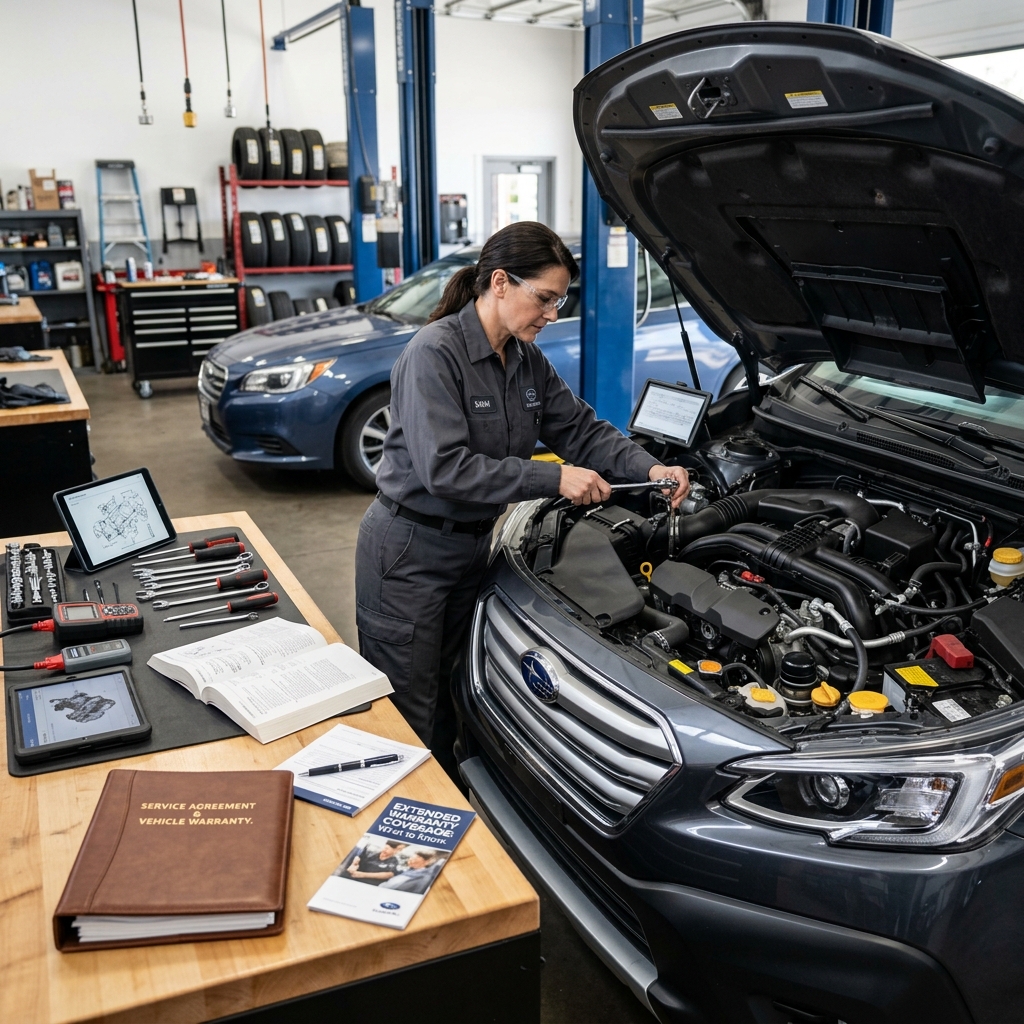
Car warranties can make a major difference when a vehicle develops defects after purchase, but the rules are often misunderstood. Some coverage comes from the manufacturer, some from a dealer, and some from separate service contracts that are sold as add-ons. Knowing which type of protection you have is the first step toward understanding whether a repair should be paid for by someone else or by you.
This guide explains the basic types of auto warranty coverage, what they usually include, when consumer law may help, and how to respond if a repair is refused. It also covers the difference between a true warranty and an optional service contract so drivers can better evaluate their rights before and after a breakdown.
How Auto Warranty Coverage Works
An auto warranty is a promise that certain defects or malfunctions will be fixed within a stated period. In practice, a warranty usually limits coverage by time, mileage, or both. Once that limit is reached, the promise ends unless another protection applies.
Most new vehicles come with a manufacturer’s warranty. This type of coverage is typically built into the purchase price of the car and is meant to address manufacturing problems, not damage caused by ordinary wear, poor maintenance, accidents, or misuse. In many cases, the warranty identifies which systems are included and which are excluded.
Used vehicles can also carry warranty protection. A used car may still be covered by the original factory warranty, or it may be sold with a dealer warranty, a certified pre-owned program, or a separately purchased service contract. The important point is that not all used cars are sold “as is,” and not all repair disputes are handled the same way.
The Main Types of Protection Drivers Encounter
Drivers often assume any “warranty” means the same thing, but the legal and practical differences matter. Understanding the category of coverage can determine who is responsible for the repair and what remedies may be available if the work is not done properly.
- Manufacturer warranty: Coverage included with a new vehicle that pays for specified defects during the stated term.
- Dealer warranty: Coverage offered by the seller, often with limits set by the dealer contract.
- Certified pre-owned warranty: Additional protection attached to a used car that meets the seller’s certification standards.
- Extended service contract: A separate contract that may cover certain repairs after the original warranty ends.
These categories overlap in everyday conversation, but they are not identical. A service contract may look like a warranty to the buyer, yet it is usually purchased separately and may include narrower claim rules, deductibles, or exclusions.
What Warranties Commonly Cover
Coverage depends on the exact language of the written agreement. Some warranties focus on powertrain components such as the engine, transmission, and drivetrain. Others are broader and may include electrical systems, cooling systems, steering, suspension, or climate control equipment.
Most warranty programs exclude some kinds of loss. Typical exclusions include routine maintenance, cosmetic damage, normal wear items such as brake pads or tires, damage from misuse, and failures caused by accidents or unauthorized alterations. A warranty may also require the owner to follow maintenance instructions in the vehicle manual.
That said, a dealer or manufacturer generally cannot refuse coverage for a valid claim simply because the owner had routine maintenance performed elsewhere, as long as the maintenance was done properly and the warranty terms do not lawfully require otherwise. The exact details depend on the contract and the applicable law.
Why Service Contracts Are Different
An extended service contract is often marketed as extra protection, but it is not the same as a warranty that comes with the vehicle. It is a separate agreement that may be sold by the dealer, the manufacturer, or an independent administrator. Because it is separate, the coverage, exclusions, and claims process can vary widely.
Before purchasing a service contract, a buyer should compare it with the original warranty. The important questions are simple: How long does the protection last? What parts are included? Is there a deductible? Who decides whether a claim is approved? What documentation is needed for reimbursement?
Many disputes arise because consumers assume a service contract covers almost everything. In reality, many of these agreements cover only specific failures and may exclude preexisting conditions, maintenance items, and damage from neglect. Reading the contract before signing is often the only way to see the true scope of the protection.
| Coverage Type | How It Is Sold | What It Usually Covers | Common Limits |
|---|---|---|---|
| Manufacturer warranty | Included with a new vehicle | Factory defects and specified components | Time, mileage, exclusions for misuse or wear |
| Dealer warranty | Provided by seller | Specific systems or defects identified in the contract | Shorter terms and narrower coverage |
| Extended service contract | Purchased separately | Selected repairs after purchase | Deductibles, exclusions, claim procedures |
When a Repair Claim Is Denied
A denied claim does not always mean the customer has no rights. The first step is to review the warranty or contract language carefully and compare it with the reason given for the refusal. Some denials are based on a true exclusion. Others are based on a misunderstanding, incomplete paperwork, or an unreasonable interpretation of the contract.
Good documentation matters. Owners should keep repair orders, invoices, mileage records, written communications, and notes about every complaint made to the dealer or service administrator. This record can help show that the defect was reported during the coverage period and that the seller had a chance to fix it.
If the issue remains unresolved, the next step is usually to escalate the dispute in writing. A clear letter or email should identify the vehicle, the defect, the repair history, the warranty terms involved, and the remedy requested. In many cases, the request should be sent both to the dealer and to the warranty administrator or manufacturer.
Consumer Law May Offer Additional Protection
Warranty coverage is only part of the story. Federal and state consumer laws can provide remedies when a vehicle keeps breaking down or a seller fails to honor written repair obligations. One important federal law is the Magnuson-Moss Warranty Act, which protects consumers when written warranties are not honored and may allow attorney’s fees in some cases.
State lemon laws may also apply when a vehicle has repeated defects that substantially affect its use, value, or safety. These laws usually require the owner to give the manufacturer or dealer a reasonable number of repair attempts before a claim can be made. If the defect is not fixed, the remedy may be a refund, replacement vehicle, or another financial settlement depending on the law.
Whether a vehicle qualifies depends on the state, the type of vehicle, the nature of the defect, and the timing of the complaints. Some laws apply only to new vehicles, while others protect certain used cars sold with written warranties. Because the rules vary, the same repair history may lead to different results in different states.
Signs a Vehicle May Be a Repeated-Repair Problem
Not every mechanical issue is a legal problem, but repeated failures can signal that a vehicle may need more than one repair visit. The risk becomes greater when the same defect returns, the vehicle spends long periods in the shop, or the defect affects safety systems such as brakes, steering, or acceleration.
- The same problem returns after multiple repair visits.
- The vehicle is out of service for an extended time.
- The defect affects driving safety, reliability, or resale value.
- The dealer cannot identify the cause or repair the root problem.
- The owner receives conflicting explanations for the failure.
These facts do not automatically create a legal claim, but they may support one. When the history is documented well, it becomes easier to show whether the seller had a fair chance to repair the vehicle and whether the defects were serious enough to matter under consumer law.
Steps to Take Before Starting a Formal Dispute
Many warranty disputes can be improved by organized communication. Before filing a complaint or calling a lawyer, the owner should review the contract, collect repair records, and make sure all maintenance requirements were followed. If the seller says the warranty is void, the reason should be examined closely because not every claimed violation is valid.
Practical steps often include asking for a written explanation of the denial, requesting a second inspection, and checking whether the dispute process must go through arbitration or a special claims procedure. Some service contracts and manufacturer programs require specific notice before a lawsuit can be filed.
If the vehicle is still under warranty, the owner should report problems as soon as they appear. Delay can make it harder to prove that the defect was present during the covered period. Even if the warranty expires later, a timely report may still preserve the claim if the issue was first raised while coverage was active.
When Legal Help Can Be Useful
Legal help becomes more valuable when the repair history is extensive, the vehicle is unsafe, or the seller refuses to honor written obligations despite good documentation. A lawyer can help evaluate whether the facts support a warranty claim, a lemon law case, or both. In some cases, the available remedy may include reimbursement for repair costs, a buyback, replacement, or related losses.
Representation may also matter because some federal warranty claims allow the winning consumer to recover attorney’s fees. That can make legal action more realistic when the repair value is significant but not enormous. A lawyer can also help identify deadlines, notice requirements, and other procedural steps that would otherwise be easy to miss.
Because warranty law depends heavily on the exact wording of the contract and the details of the repair history, a short consultation can often clarify whether further action is worth pursuing.
Frequently Asked Questions
Is an extended warranty the same as a manufacturer warranty?
No. A manufacturer warranty is usually included with the vehicle, while an extended warranty is often a separate service contract sold for additional protection.
Can a dealer deny coverage if I used an independent mechanic?
Not automatically. A dealer generally must rely on the actual warranty terms and applicable law, not simply on the fact that maintenance was done elsewhere.
What if the same repair fails again after being fixed under warranty?
If the defect keeps returning, the repair history may support a warranty dispute or lemon law claim, especially if the problem affects safety, use, or value.
Do I need repair records?
Yes. Repair orders, invoices, mileage logs, and written complaints are some of the most useful evidence in a warranty dispute.
Can I still have a claim if the warranty has expired?
Possibly. If the defect was reported while coverage was still active, the later expiration of the warranty does not always eliminate a claim.
What to Remember
Car warranty disputes are usually decided by the details: the exact coverage language, the defect history, and the timing of each repair attempt. A strong claim starts with good records and a clear understanding of whether the protection comes from the manufacturer, the dealer, a certified pre-owned program, or a separate service contract.
When repairs keep failing, the issue may move beyond ordinary customer service and into consumer protection law. At that point, the best next step is often to organize the documents, demand a written explanation, and consider whether the problem qualifies for a warranty claim or a broader remedy under state or federal law.
References
- Auto Warranties and Auto Service Contracts — Federal Trade Commission. 2024-10-01. https://consumer.ftc.gov/articles/auto-warranties-and-auto-service-contracts
- Used Car Warranty Problems? Know Your Rights Under Federal Law — Ginsburg Law Group. 2026-02-01. https://ginsburglawgroup.com/2026/02/used-car-warranty-problems-know-your-rights-under-federal-law/
- Used-car lemon law: fact sheet — New York State Office of the Attorney General. 2025-01-01. https://ag.ny.gov/resources/individuals/car-auto/used-car-lemon-law-fact-sheet
- Auto Sales and Repairs — Illinois Attorney General. 2025-01-01. https://illinoisattorneygeneral.gov/consumer-protection/auto-sales-and-repairs/
- Guides: Warranty Law: General Information — Texas State Law Library. 2025-01-01. https://guides.sll.texas.gov/warranty-law
Similar Articles








Read full bio of Sneha Tete


