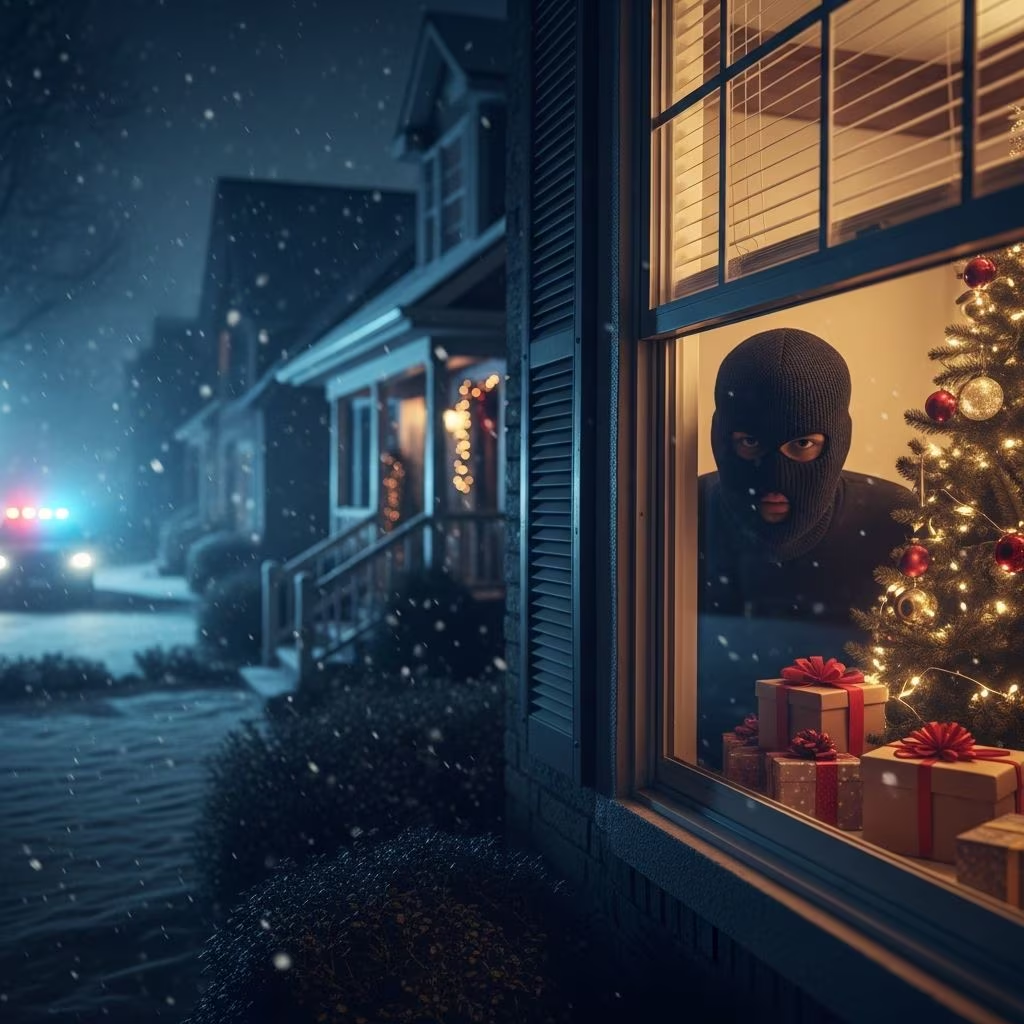
The holiday period, spanning Thanksgiving to New Year’s, transforms communities into festive hubs filled with gatherings, shopping sprees, and travel. However, this joyful time also witnesses a notable uptick in criminal activities. Factors such as financial pressures, increased alcohol consumption, crowded public spaces, and opportunistic criminals contribute to this phenomenon. Understanding these patterns empowers individuals to take proactive measures, reducing personal risks and enhancing community safety.
Why Crimes Peak During Festive Seasons
Several dynamics drive the holiday crime increase. Economic strain from gift-buying and travel expenses pushes some toward theft. Family reunions, often amplified by alcohol, can escalate tensions into violence. Online shopping booms create avenues for digital fraud, while empty homes from vacations invite burglars. Law enforcement data consistently shows these trends, with arrests rising 20-30% in key categories during December alone.
- Financial Stress: Holiday spending averages over $1,000 per household, tempting desperate acts.
- Social Dynamics: More interactions mean higher conflict potential.
- Opportunity Abundance: Distracted shoppers and delivery surges provide easy targets.
Retail Theft and Shoplifting Epidemic
Store aisles overflow with bargain hunters, but this chaos enables shoplifters. Retail theft surges as security struggles with volume. Items like electronics, toys, and clothing top stolen lists. Black Friday and post-Christmas sales see the highest incidents, with losses exceeding billions annually.
Perpetrators range from opportunistic teens to organized rings reselling goods online. Prosecutors classify these as misdemeanors for low-value items but felonies for pricier hauls, carrying fines up to $10,000 and jail terms.
| Theft Type | Common Targets | Average Loss |
|---|---|---|
| Shoplifting | Gifts, apparel | $500 per incident |
| Package Theft | Delivered boxes | $300-1,000 |
| Burglary | Home valuables | $2,000+ |
Prevention Tactics for Shoppers
- Shop during off-peak hours to avoid crowds.
- Use anti-theft bags and keep valuables hidden.
- Opt for cashless payments to deter pickpockets.
Package Piracy: The Rise of Porch Theft
E-commerce deliveries skyrocket, leaving packages unattended on doorsteps. ‘Porch pirates’ follow delivery trucks, striking within minutes. Urban areas report 25% more thefts in November-December. High-value electronics and luxury items are prime targets, often fenced quickly on secondary markets.
Communities combat this with smart doorbells, neighborhood watches, and delivery lockers. Victims should file police reports immediately, providing footage for recovery chances.
Drunk Driving: Roads Turn Deadly
Holiday parties fuel a DUI crisis. Alcohol flows freely at office bashes, family dinners, and New Year’s Eve. Police ramp up checkpoints, leading to record arrests. A BAC over 0.08% triggers charges, with first offenses facing license suspension, fines over $1,000, and mandatory classes.
Fatal crashes spike 10-15%, per National Highway Traffic Safety Administration data. Even one drink impairs judgment, especially in bad weather.
Safe Alternatives to Driving
- Designate sober drivers or use rideshares.
- Stay overnight at party venues.
- Plan transportation before imbibing.
Domestic Disputes: Stress Boils Over
Close quarters and expectations ignite arguments. Alcohol exacerbates issues, turning verbal spats physical. Intimate partner violence peaks in winter, nearly doubling spring rates per Bureau of Justice Statistics from 1993-2010. Children witness 60% of incidents, facing long-term trauma.
Signs include yelling, shoving, or property damage. Victims should seek help via hotlines or shelters. Perpetrators face assault charges, restraining orders, and custody losses.
Cyber Scams and Fraudulent Schemes
Digital generosity invites con artists. Phishing emails mimic charities, fake sites steal card details, and return fraud exploits policies. Fraud attempts jump 14% from Thanksgiving to Cyber Monday. Ponzi schemes prey on investment hype, while gift card scams drain balances.
Protect by verifying URLs, using virtual cards, and monitoring statements. Report to FTC at ReportFraud.ftc.gov.
| Scam Type | Tactics | Red Flags |
|---|---|---|
| Charity Fraud | Emotional appeals | Unverified orgs |
| Phishing | Fake alerts | Urgent demands |
| Identity Theft | Data breaches | Unexpected bills |
Burglaries Target Vacant Homes
Travel leaves residences dark, signaling opportunity. Burglars case neighborhoods for signs like piled mail or unlit decorations. Gifts under trees and wrapped packages lure intruders. Vehicle break-ins rise if valuables are visible.
Counter with timers on lights, held mail, and security cameras. Neighbors watching each other’s homes deter 50% of attempts.
Travel-Related Offenses at Airports
Airports buzz with holiday flyers, but TSA lines breed mishaps. Public intoxication, forgotten guns, and drug possession spike arrests. Even legal substances federally trigger charges. International travelers face extra scrutiny.
- Know carry-on rules: liquids under 3.4oz.
- Avoid airport bars if prone to overdrinking.
- Double-check luggage for prohibited items.
Legal Consequences and Defense Strategies
Holiday arrests carry standard penalties but strain resources. First-time offenders may qualify for diversion programs. Skilled attorneys negotiate pleas, challenge evidence, or suppress improper stops. Bail bondsmen aid quick releases for court appearances.
Post-arrest, gather witnesses, photos, and timelines. Background checks reveal convictions, impacting jobs and travel.
Frequently Asked Questions (FAQs)
What should I do if caught shoplifting?
Remain calm, don’t admit guilt, request a lawyer, and avoid signing documents without counsel. Retailers often prosecute aggressively.
How can I avoid DUI charges?
Use rideshares, public transit, or crash with friends. Apps like Uber integrate sobriety reminders.
Is package theft a felony?
Depends on value; over $950 in some states qualifies. Cameras boost prosecution rates.
What triggers domestic violence charges?
Any physical harm or credible threats. Alcohol defenses rarely succeed.
How prevalent are holiday cyber scams?
Reports surge 20-30%; verify charities via IRS tools.
Community and Personal Vigilance
Empower yourself with awareness. Share tips in group chats, join watch programs, and educate family. Festivities thrive on safety, turning potential victims into sentinels. Law enforcement appreciates public reports, enhancing patrols where needed.
By anticipating risks, holidays remain merry. Proactive steps preserve joy, protecting loved ones from shadows amid the lights.
References
- Crime in the United States, 2022 — Federal Bureau of Investigation (FBI). 2023-09-25. https://crime-data-explorer.fr.cloud.gov/pages/explorer/crime/crime-trend
- National Intimate Partner and Sexual Violence Survey — Centers for Disease Control and Prevention (CDC). 2015-12-01. https://www.cdc.gov/violenceprevention/pdf/NISVS-StateReportBook.pdf
- Traffic Safety Facts: Alcohol-Impaired Driving — National Highway Traffic Safety Administration (NHTSA). 2023-10-15. https://crashstats.nhtsa.dot.gov/Api/Public/ViewPublication/813467
- Consumer Sentinel Network Data Book 2023 — Federal Trade Commission (FTC). 2024-02-10. https://www.ftc.gov/system/files/ftc_gov/pdf/CSN-Data-Book-2023.pdf
- Crime During the Holiday Season — Bureau of Justice Statistics. 2014-07-22. https://bjs.ojp.gov/content/pub/pdf/hpnvv0812.pdf