
Pre-Sale Meth Testing: A Practical Guide For Buyers, Sellers
Why testing, disclosure, and professional cleanup of suspected former meth lab properties are critical for buyers, sellers, and communities.
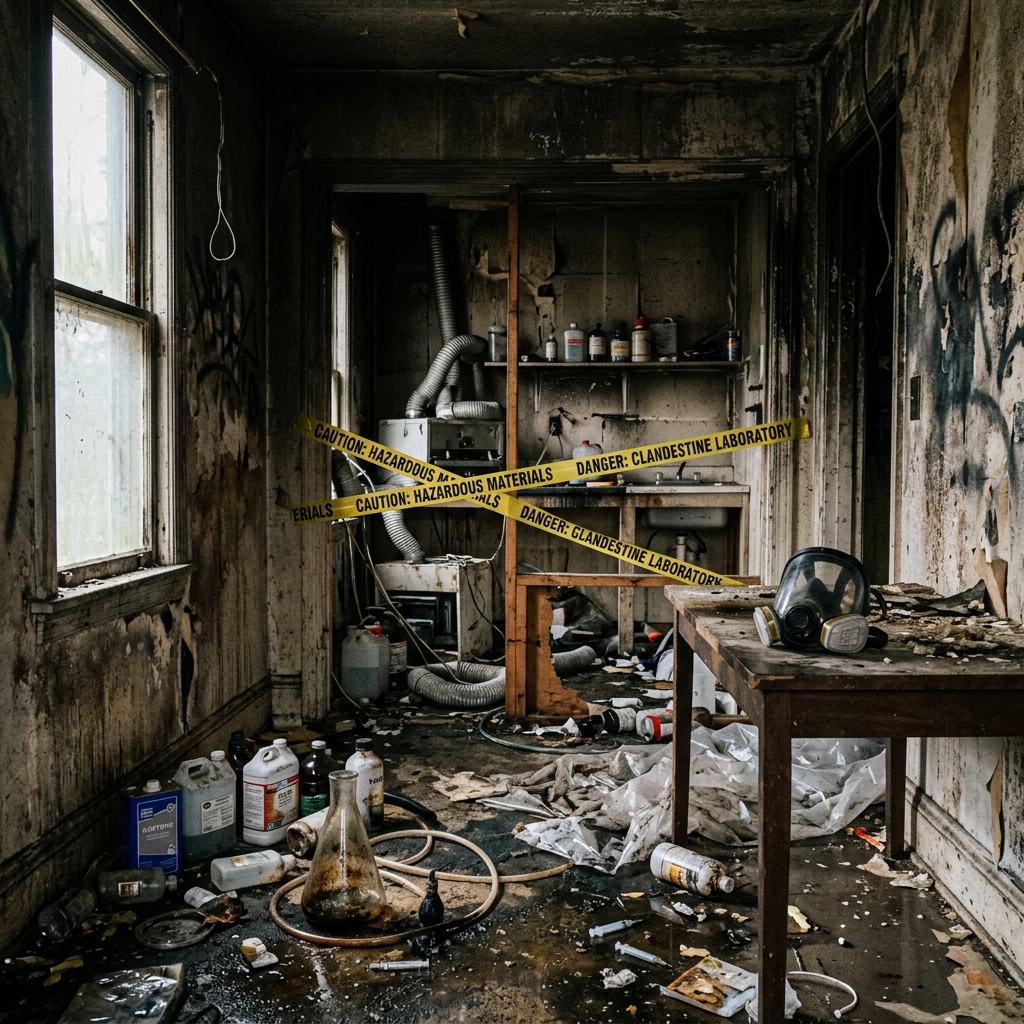
Across the United States and other countries, countless residential properties have been used for the manufacture or heavy use of methamphetamine, leaving behind contamination that can persist long after the drug activity stops. These former meth lab homes may look clean and move-in ready, yet invisible residues can pose significant health, financial, and legal risks for unsuspecting buyers and tenants.
This article explains why pre-sale testing of suspected meth-contaminated properties is essential, how contamination affects health, what legal duties may apply to sellers and landlords, and what standards and professional methods exist for cleanup. It is inspired by public debate over petitions and policy efforts that seek mandatory testing or disclosure for ex-meth lab homes, but is written with original structure and content.
Why Former Meth Labs Are a Hidden Housing Hazard
Methamphetamine can contaminate indoor environments through both clandestine manufacture and heavy smoking or use. During cooking, volatile chemicals, precursors, and by-products spread through the house, depositing on walls, ceilings, ducts, carpets, and furnishings. Even non-lab properties where meth was only smoked can accumulate measurable residues.
Authorities in multiple jurisdictions have recognized that improper identification and remediation of former meth labs can result in unsuspecting families living in contaminated homes and experiencing adverse health effects. The contamination problem is often invisible:
- No obvious damage — Properties may be renovated, painted, or staged, hiding any signs of past drug activity.
- Residues cling to surfaces — Methamphetamine and associated chemicals can sorb into porous materials and slowly release back into the air over time.
- Standard home inspections — Typical pre-purchase inspections do not test for illegal drug contamination unless specifically requested.
Because the risk is largely invisible, some public interest advocates and legal commentators argue that homes known or suspected to be ex-meth labs should be tested and documented before being sold or rented, to avoid silent exposure.
Health Effects of Living in a Contaminated Home
Exposure to methamphetamine and related chemicals in a contaminated house depends on contamination levels, time spent in the property, and the vulnerability of occupants. Young children, pregnant people, and individuals with pre-existing health problems may be at greater risk.
Documented Health Symptoms
Public health agencies and case reports have documented adverse health outcomes among families unknowingly living in contaminated homes. Reported effects include:
- Respiratory issues such as coughing, wheezing, and breathing difficulties.
- Sleep disturbances and behavioral changes, particularly in children.
- Headaches, dizziness, and fatigue consistent with exposure to volatile organic compounds and drug residues.
- Skin and eye irritation from contact with contaminated surfaces or airborne particles.
In one widely reported case, an Australian family experienced a constellation of health issues after moving into a home later found to be contaminated with methamphetamine residues, prompting public health investigation. This and similar cases highlight why authorities emphasize proper identification and remediation of former clandestine laboratories.
Why Children Are Especially Vulnerable
Children often spend more time on floors, carpets, and low surfaces where residues settle, and their behaviors (such as hand-to-mouth activity) increase ingestion or dermal exposure. Methamphetamine contamination standards in some jurisdictions explicitly consider child exposure scenarios when setting risk-based limits.
| Pathway | Description | Particularly Affected |
|---|---|---|
| Inhalation | Breathing contaminated dust or off-gassing chemicals. | All occupants, especially those with asthma. |
| Dermal contact | Skin contact with contaminated surfaces or materials. | Children, people sitting or sleeping on floors. |
| Ingestion | Hand-to-mouth behavior after touching residues. | Infants and young children. |
Legal and Regulatory Landscape
Legal responsibilities related to meth-contaminated properties vary by state and country. Key issues include disclosure duties, contamination standards, and government oversight of cleanup.
Disclosure Duties in Real Estate Transactions
Several U.S. states require some disclosure of past drug-related activity or known contamination when selling a property. Failure to disclose material facts may expose sellers or landlords to civil liability, such as fraud, breach of contract, or violations of consumer protection statutes.
Typical elements of disclosure regimes include:
- Known former labs — If a property has been identified by law enforcement or health departments as a meth lab, sellers may need to disclose that history until it is certified as decontaminated.
- Remediation status — Some jurisdictions require documentation that cleanup met regulatory standards before a property can legally be reoccupied or sold.
- Duty to inquire vs. duty to disclose — While sellers may be obligated to disclose known information, buyers are often encouraged to ask targeted questions about possible past contamination.
Legal commentary on foreclosures and distressed sales has warned institutional buyers and lenders to be cautious about acquiring meth-contaminated properties, as they may inherit cleanup obligations and liability risks.
Contamination Limits and Cleanup Standards
Risk-based contamination limits help determine whether cleanup is required and when a property can be considered safe for habitation. Standards differ by jurisdiction, reflecting local policy and scientific assessment.
For example, one expert review describes how New Zealand adopted guidelines for testing and decontamination of methamphetamine-contaminated properties, with varying thresholds depending on whether contamination stems from use or manufacture. In the United States, some state-level limits illustrate this variability:
- Minnesota — A limit of 0.1 µg/100 cm² for former meth labs, reflecting a conservative approach.
- Colorado — Allowing up to 4 µg/100 cm² in limited exposure areas, based on health risk assessment.
These examples underscore the importance of understanding local regulations and consulting qualified professionals familiar with applicable standards when evaluating or remediating a property.
Signs a Property May Have a Meth History
While definitive assessment requires laboratory testing, certain clues may raise suspicion that a home was used for meth manufacture or heavy use.
Physical and Odor Clues
- Unusual chemical odors — Persistent smells described as chemical, metallic, ammonia-like, or similar to cat urine can indicate past production.
- Burn marks and staining — Scorched countertops, discolored walls or ceilings, or unusual staining in kitchens, bathrooms, or garages.
- Tampered appliances — Disconnected dishwashers or altered ventilation systems sometimes used to manage fumes during manufacture.
- Abandoned or unusual equipment — Chemical containers, tubing, or glassware that may have been used in drug production.
None of these signs conclusively prove meth activity, but they justify a closer look and potentially a professional contamination assessment.
Paper Trail and Property History
Beyond physical clues, investigating the property’s history can be revealing:
- Police or health department records documenting a former clandestine lab at the address.
- Sudden renovations, quick flips, or unusually low sale prices relative to the neighborhood.
- Multiple short-term tenancies and complaints, which can be a red flag in rental housing.
Because these records may be fragmented, advocates for mandatory testing and centralized registries argue that more systematic identification is needed to protect future occupants.
Testing Suspected Ex-Meth Lab Homes
Once suspicion arises, the only reliable way to understand contamination levels is to perform structured testing using qualified professionals. Ad hoc visual inspection or low-quality DIY kits cannot replace a defensible, documented sampling plan.
Professional Sampling Methods
Typical professional meth contamination testing involves:
- Site assessment — Reviewing property layout, potential areas of drug activity, and any available history.
- Surface wipe sampling — Swabbing selected areas (walls, ceilings, floors, HVAC vents) over defined surface areas (e.g., 100 cm²) for laboratory analysis.
- Laboratory analysis — Measuring methamphetamine concentration using validated analytical methods to compare with regulatory limits.
- Reporting — Providing a written report outlining methods, results, and recommendations for remediation or clearance.
Public health guidance emphasizes that only suitably qualified testing companies should perform this work, particularly when properties have known or suspected lab history.
DIY Kits: Limitations and Risks
DIY meth test kits are marketed to consumers, but experts caution that they may produce unreliable or difficult-to-interpret results. A positive result may indicate some level of contamination, but not whether it exceeds relevant thresholds; a negative result may not assure safety if sampling locations or methods were inadequate.
For transactions involving significant financial and health stakes, professional testing and documentation are generally recommended over informal self-testing.
Remediation: Making Contaminated Homes Safe
Where testing shows contamination above health investigation levels, structured remediation is necessary before a property can be safely occupied. Remediation should be performed by competent cleanup companies familiar with drug contamination standards and techniques.
Typical Cleanup Strategies
- Deep cleaning — Washing walls, ceilings, floors, and non-porous surfaces with water and appropriate cleaning agents to remove residues.
- Removal of porous materials — In severely contaminated properties, carpets, soft furnishings, and even drywall may need to be removed and replaced.
- HVAC and duct cleaning — Contaminated ductwork can spread residues throughout the home and often requires specialized cleaning or replacement.
- Air filtration — Use of HEPA filtration during and after cleanup can reduce airborne particulates and support improved indoor air quality.
Authorities commonly recommend a three-stage process: testing, remediation, and post-remediation validation testing to document that contamination has been reduced below health-based limits.
Certification and Documentation
After remediation, properties may be inspected and certified by qualified professionals or local health departments to confirm compliance with applicable standards. Documentation of clearance can be crucial for:
- Prospective buyers seeking assurance that the home is safe.
- Lenders and insurers evaluating risk.
- Sellers and landlords demonstrating good faith and regulatory compliance.
Policy Debates: Should Testing Be Mandatory Before Sale?
Public awareness has grown as news stories and case reports describe families harmed by undisclosed contamination. Some advocates urge mandatory pre-sale testing or standardized disclosure for properties with suspected meth history.
Arguments for Mandatory Testing or Disclosure
- Protecting vulnerable occupants — Children and other sensitive groups should not unknowingly be exposed to residual drug contamination.
- Reducing disputes and litigation — Clear rules and documentation can prevent legal conflicts between buyers, sellers, and landlords.
- Encouraging proper cleanup — Knowing that contamination will be discovered and documented may deter shortcuts or cosmetic fixes.
- Supporting market transparency — Real estate markets operate more fairly when material health risks are disclosed and addressed.
Challenges and Open Questions
Opponents or skeptics highlight challenges, including:
- Cost and feasibility of testing all suspected properties, particularly where evidence of drug activity is limited.
- Setting appropriate thresholds that reflect scientific evidence and balance health protection with practical considerations.
- Defining suspicion criteria — When should testing be mandatory, and who decides?
These debates underscore the need for evidence-based policies grounded in credible scientific research and practical experience from environmental health agencies.
Practical Advice for Buyers, Sellers, and Landlords
Until legal frameworks become more consistent, individuals must take proactive steps to manage risk around potential meth contamination.
For Home Buyers
- Ask directly about any history of drug manufacture or police involvement at the property.
- Consider professional meth testing if there are physical clues, suspicious history, or lack of clear disclosure.
- Review any available cleanup and certification documents if the property was previously identified as a lab.
- Consult legal counsel if you discover undisclosed contamination after purchase, particularly where local law imposes disclosure duties.
For Sellers and Landlords
- Check local regulations and health department guidance regarding disclosure and cleanup of drug-affected properties.
- Arrange professional testing and remediation before marketing a property with known or suspected meth history.
- Maintain detailed records of testing results and remedial actions to demonstrate compliance and good faith.
- Provide prospective buyers or tenants with clear written information about past contamination and cleanup, where required.
Frequently Asked Questions (FAQs)
Is it safe to live in a former meth lab home after cleanup?
If the property has been remediated by qualified professionals and post-remediation testing confirms contamination is below health-based limits set by local authorities, it can generally be considered safe for occupancy. Always review documentation and, if in doubt, consult an independent expert.
Can a standard home inspection detect meth contamination?
Typical home inspections focus on structural, electrical, plumbing, and visible issues; they do not usually include meth contamination testing unless specifically requested. Specialized sampling and laboratory analysis are needed to assess meth residues.
Are DIY meth test kits reliable?
DIY kits may offer preliminary indications but often lack the rigor, documentation, and quality control of professional testing. For decisions involving health and significant financial stakes, professional sampling and analysis are strongly recommended.
What should I do if I suspect my rental unit is contaminated?
Document your concerns, raise the issue with your landlord in writing, and contact local health or housing authorities for guidance. They may advise testing, remediation, or temporary relocation depending on the circumstances.
Can sellers be sued for not disclosing meth contamination?
In jurisdictions where contamination or past lab activity is considered a material fact requiring disclosure, failure to inform buyers may lead to legal claims, especially if occupants suffer health or financial harm. Specific outcomes depend on local law and evidence.
References
- Adverse Health Effects Associated with Living in a Former Methamphetamine Laboratory — Centers for Disease Control and Prevention (CDC). 2016-12-30. https://www.cdc.gov/mmwr/volumes/65/wr/mm6552a3.htm
- Testing or Cleaning a House for Drug Contamination — Government of Western Australia, HealthyWA. 2021-04-21 (last updated). https://www.healthywa.wa.gov.au/Articles/S_T/Testing-or-cleaning-a-house-for-drug-contamination
- Household Contamination with Methamphetamine: Knowledge and Uncertainties — Jensen et al., International Journal of Environmental Research and Public Health (NIH/PMC). 2019-11-28. https://pmc.ncbi.nlm.nih.gov/articles/PMC6926576/
- Meth Contamination — Salt Lake County Health Department, Housing Program. 2023-05-01 (approx.). https://www.saltlakecounty.gov/health/housing/meth-contamination/
- Testing or Cleaning a House for Drug Contamination (Clan Lab Guidance) — Government of Western Australia, Environmental Health Directorate. 2020-06-15 (approx.). https://www.healthywa.wa.gov.au/Articles/S_T/Testing-or-cleaning-a-house-for-drug-contamination
- Foreclosing on Meth Houses: Buyer Beware — Butler Snow LLP. 2014-08-11. https://www.butlersnow.com/news-and-events/foreclosing-on-meth-houses-buyer-beware
- Was Your House a Meth House? Here’s How to Tell — Scene Clean (Crime Scene Cleanup firm). 2023-02-10 (approx.). https://www.scenecleanmn.com/was-your-house-a-meth-house-heres-how-to-tell/
Similar Articles








Read full bio of Sneha Tete


